

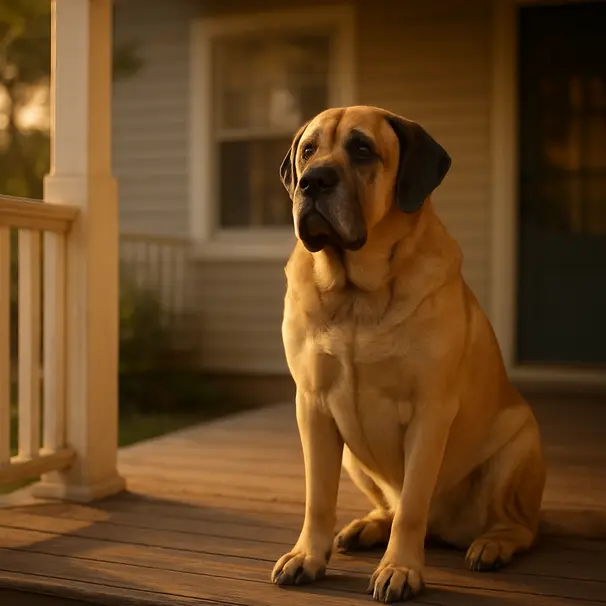
Why big breeds capture our imagination
Big dogs feel like living teddy bears with extra gravity. Their size makes them noble, dramatic and often surprisingly gentle. This guide is for pet owners and carers who want the real scoop on the 10 biggest breeds, how to care for them, and what life looks like with a canine giant.
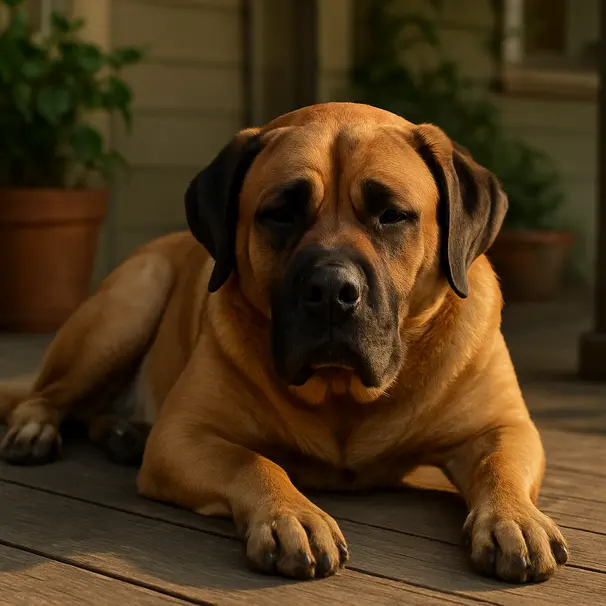
At a glance: what to expect from big breeds
Large breeds usually need more space, predictable exercise, and consistent training. They may shed more, eat more, and need larger beds and crates. But they also offer huge companionship, patient temperaments and a presence that many people adore.
Practical note: consider your living situation, budget and daily routine before adopting or caring for a very large dog. And for health questions about a specific breed, consult a vet who knows large-breed care.
The 10 biggest dog breeds that amaze everyone
Below we list the dogs in no particular order. Each entry includes temperament, size range, and friendly tips for living with them.
1. English Mastiff
Size: Males often 160–230 pounds, females slightly less. Temperament: Calm, loyal, protective yet gentle with family. Tips: Early socialisation and gentle training help their size feel manageable. Their short coats are low-maintenance, but skin folds need checking.
2. Saint Bernard
Size: 140–180 pounds typical, some larger. Temperament: Patient, friendly, great with kids. Tips: These dogs love cool weather and can overheat. Provide shaded areas and fresh water on warm days. Their drool and thick coats mean regular grooming sessions.
3. Great Dane
Size: 110–175 pounds, very tall at the shoulder. Temperament: Affectionate giants, sometimes called gentle giants. Tips: Great Danes need moderate exercise and firm but gentle training. Their lifespan can be shorter, so routine vet checkups matter.
4. Newfoundland
Size: 130–150 pounds common, known for strength. Temperament: Sweet, patient, great swimmers and natural rescuers. Tips: If you live near water, take extra care with supervision. Their webbed feet make them great swimmers, but always use a life jacket for safety.
5. Leonberger
Size: 120–170 pounds. Temperament: Calm, social, and often used as therapy dogs. Tips: They have dense double coats that need regular brushing. They enjoy family activities and are happiest with people around.
6. Irish Wolfhound
Size: 105–180 pounds, extremely tall and lanky. Temperament: Gentle, dignified, sometimes reserved. Tips: They need room to stretch their long legs. Because they’re sight hounds, secure fencing and leashed walks are important to prevent chasing.
7. Bernese Mountain Dog
Size: 85–115 pounds, heavy boned and sturdy. Temperament: Loyal, affectionate, and good with families. Tips: Berners love cooler climates and benefit from activities that engage their minds and bodies. They can be prone to certain health issues, so regular vet visits help.
8. Anatolian Shepherd
Size: 80–150 pounds, built for endurance. Temperament: Independent, protective, great working dogs. Tips: This breed may be more aloof with strangers. Clear boundaries and consistent leadership from carers help them feel secure.
9. Tibetan Mastiff
Size: 90–150 pounds, with a massive coat. Temperament: Protective, independent, loyal. Tips: Their thick fur suits cold climates better than hot ones. Early socialisation helps curb excessive guarding behaviors.
10. Kangal
Size: 90–145 pounds, powerful guardian breed. Temperament: Brave, calm, devoted. Tips: Kangals are working dogs with a strong guarding instinct. Training focused on obedience, structure, and socialisation is essential.
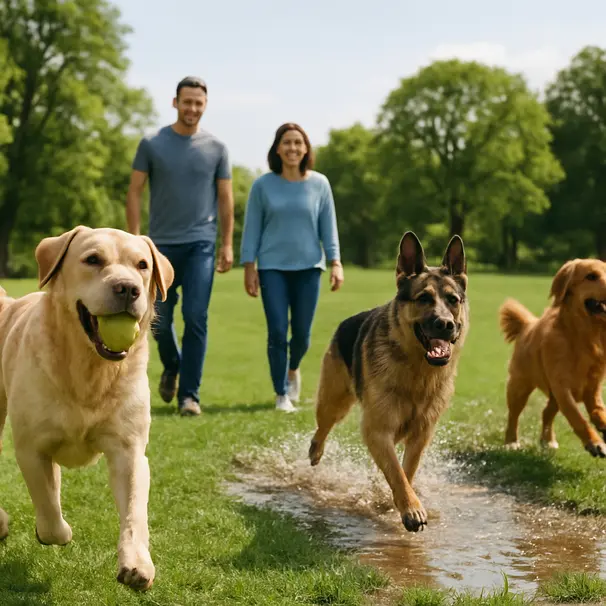
Choosing the right big breed for your life
Think about activity level, temperament, grooming needs and health considerations. Some big breeds are couch companions who need gentle exercise, others are energetic workers. Ask yourself:
- How much time can you commit to exercise and training?
- Do you have space for a large dog to move freely?
- Are you prepared for higher food and supply costs?
If you’re a carer, meet the dog first and ask about their routine and preferences. Matching energy levels and expectations makes everyone’s life easier.
Housing and home prep for giants
Big dogs need big basics. Consider the following practical steps:
- Measure doorways, beds and car space, and try a trial crate if you plan to use one.
- Use sturdy, scaled-up supplies: strong leashes, large bowls that don’t tip, and supportive beds.
- Clear breakables at dog level, and consider non-slip mats on slick floors.
- If you have a yard, check fences for strength and height. Some tall breeds can hurdle fences if bored or unstimulated.
Exercise, enrichment and mental stimulation
Giant breeds often surprise people with how much mental stimulation they need. Walks, puzzle toys, scent games and gentle pulling work can be excellent.
- Short, frequent walks can be better than long, hard runs for some large breeds.
- Swimming is brilliant for many heavy-boned dogs, it’s low-impact and fun.
- Rotate toys to keep interest high and include scent work to tap natural instincts.
Diet and feeding basics
Big dogs eat more, and their nutritional needs may differ from smaller breeds.
- Choose food formulated for large or giant breeds, as those formulas often support bone growth and joint health.
- Split meals into two portions daily to ease digestion.
- Always provide fresh water, and watch portion sizes to keep weight in a healthy range.
Consider talking with a vet or a qualified canine nutritionist about the best diet plan. They can help tailor feeding to age, activity level and any health concerns.
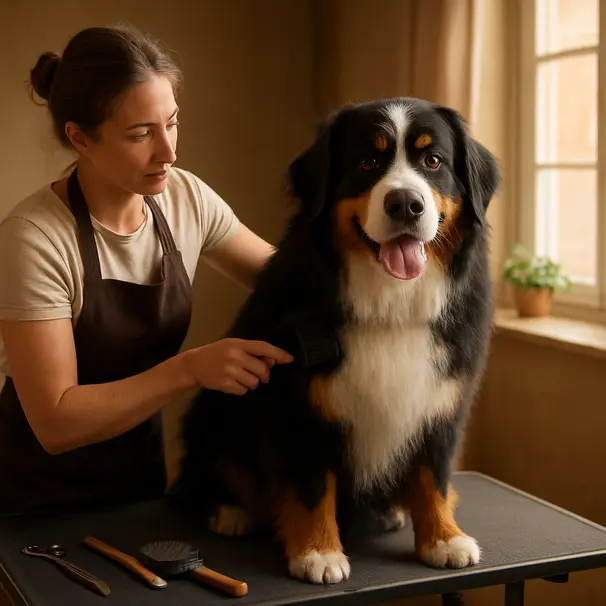
Grooming and coat care
Grooming varies widely. Short-coat big dogs need less brushing, while double-coated giants can benefit from weekly brushing and extra attention during shedding season. Regularly check:
- Ears for smell or discharge, which can indicate an issue.
- Nails, which should be trimmed or filed to avoid discomfort.
- Skin folds or paw pads for irritation.
Grooming sessions are a great chance to bond, and they let carers notice lumps, bumps or changes early.
Training and socialisation
Training is essential for large dogs. Teach reliable recall, loose-leash walking and basic obedience early on. Socialisation with people, other dogs and different environments helps reduce fear-based reactions.
Positive reinforcement training works well. If you notice persistent behavioral issues, consider a trainer experienced with large or guardian breeds.
Health considerations and routine care
Large breeds can be prone to joint issues, bloat, and breed-specific conditions. Consider preventive measures like:
- Controlled growth for puppies to avoid stressing joints, using vet guidance on nutrition.
- Feeding routines that reduce the risk of bloat, like separate smaller meals and avoiding heavy exercise immediately after eating.
- Regular vet checkups, and prompt attention to any limping, cough or appetite change.
Always consult your vet about vaccinations, parasite control and breed-specific screenings. They can help make a long-term health plan that keeps your giant comfortable.
Life with a giant: real-world tips from carers
- Car seats: invest in a durable car harness or a specially designed large-dog seat to travel safely.
- Handling greetings: teach polite greeting manners early, so a friendly big dog doesn’t accidentally knock over small guests.
- Cleaning tips: use washable covers for furniture, and have a vacuum built for pet hair handy.
- Boarding and sitting: not all carers or kennels accept very large dogs. Plan ahead and build a network of trusted sitters who can manage a big breed.
Frequently asked questions
Are big dogs good with children?
Many are patient and loving, but supervision is important. Teach kids how to approach and interact respectfully with any dog.
Do big dogs cost more to care for?
Generally yes. Expect higher food, bedding, and medical costs. Insurance and regular vet care can help manage surprises.
How long do big breeds live?
Lifespan varies by breed, but very large dogs often have shorter average lifespans than small breeds. Regular care can improve quality of life at any age.
Final thoughts: loving a gentle giant
Big breeds bring a lot of personality, presence and affection into a home. They can be wonderfully calm companions or tireless workers, depending on the breed. If you’re ready for the space, time and care they need, a large dog can become a devoted family member and a joy to care for.
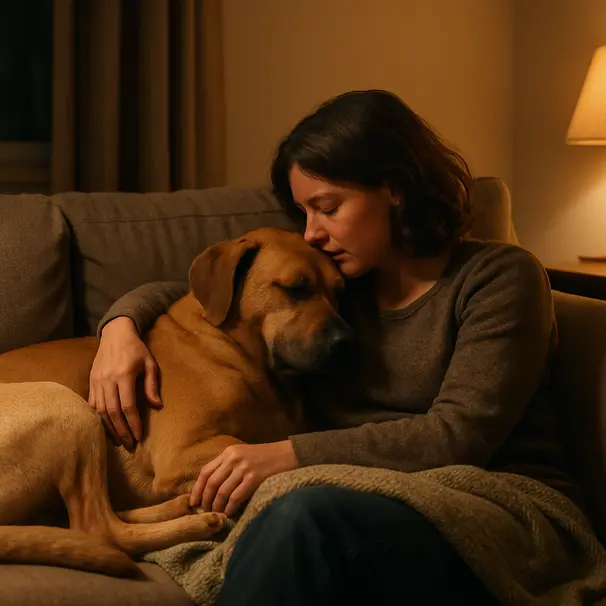
If you’re considering adopting or caring for one of these breeds, take your time to learn their quirks. Talk to breeders, rescue organisations and vets. And remember, a big heart often fits just fine into a big dog.
Thank you for reading. If you’re a pet carer on Floofy, use this guide to match families with the perfect gentle giant, and always encourage adopters to plan ahead for a lifetime of tail wags and big cuddles.