

Finding the perfect pet carer for your dog
Leaving your dog with someone else can feel like a small heartbreak, even for the most experienced pet parent. You want someone who understands your dog’s quirks, respects routines, and treats your pup like a member of the family. This guide walks you through ten practical tips to help you choose a trustworthy pet carer, with checklists and conversation starters you can use right away.
Use these tips to build confidence, not anxiety. A good match is about skills and chemistry, clear expectations, and simple safety measures. Let’s get started.

A friendly meet-and-greet builds trust from the start.
1. Start with clear priorities and a care brief
Before you search, write a short care brief. Include your dog’s daily routine, feeding details, medication notes, exercise needs, social preferences, and any fears or triggers. A one-page brief saves time for both you and the carer and makes it easier to compare candidates.
Keep it honest. If your dog is nervous around men, or dislikes loud noises, say so. If your dog needs calming supplements or crate time, add that too. Clear priorities help you spot carers who will follow your plan and adapt when needed.
2. Look for experience and relevant skills
Experience matters, but the right kind of experience is what you want. Ask about past work with similar dogs. Has the carer handled high-energy breeds, senior dogs, or dogs with separation anxiety? Look for training in pet first aid or animal handling, and ask about how they respond in emergencies.
Practical questions to ask:
- How many years have you cared for dogs professionally?
- Can you describe a challenging situation you handled and how you resolved it?
- Are you trained in pet first aid or canine CPR?
3. Check references and reviews
References tell real stories. Ask for at least two recent references, ideally from clients with similar dogs. Read online reviews, and pay attention to patterns. A single critical review isn’t a deal breaker, but repeated concerns about punctuality or communication are worth noting.
When you call a reference, ask:
- Did the carer follow instructions and routines?
- How did your dog react to them?
- Was there clear communication about schedules and payments?
4. Meet in person before booking
A meet-and-greet is the best way to gauge chemistry. Watch how the carer interacts with your dog, how the dog responds, and whether the carer respects your home. Pay attention to small things, like whether they ask permission before opening doors, or whether they read your dog’s body language.
During the meeting, try a short walk together or a short supervised play session. This helps you observe leash skills, recall techniques, and how the carer manages distractions. If your dog seems stressed, consider a different candidate or an additional gentle introduction.
5. Ask about safety protocols and emergency plans
Trustworthy carers have clear safety routines. Ask where your dog will be walked, how many dogs the carer handles at once, and what happens if your dog gets injured. Ensure the carer knows your vet’s contact details and understands when to call you versus when to seek immediate veterinary care.
Consider these details:
- Does the carer carry a mobile phone and basic first aid kit?
- Do they have backup plans for bad weather or missed transport?
- Will they use secure leashes, harnesses, and a safe walking route?
6. Transparency about rates, hours, and cancellation policies
Money matters should be clear up front. Ask for a written outline of rates, what is included, additional fees for holidays or overnight care, and their cancellation policy. A professional carer will be comfortable putting this in writing and explaining any extra charges.
Tip: Request a simple service agreement that covers emergency vet permission, responsibilities for damage, and payment terms. This protects both you and the carer, and reduces awkward conversations later.

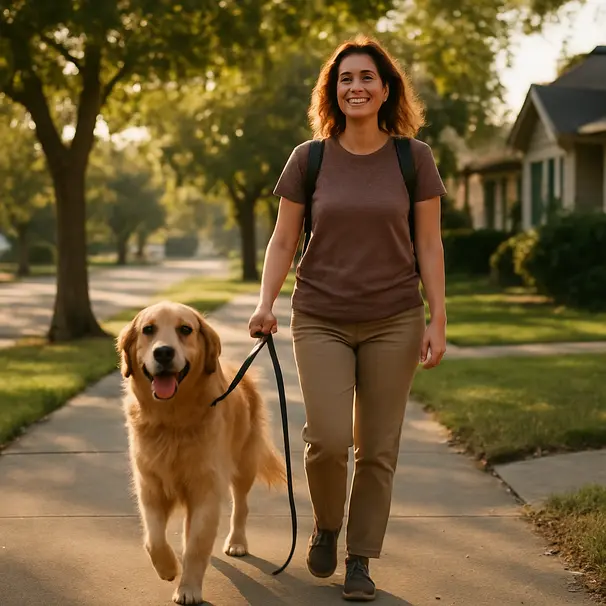
A confident carer keeps walks safe and enjoyable.
7. Look for consistent communication habits
Good carers keep you updated without needing constant prompting. Ask how often they’ll send photos or updates, and what platform they prefer for messages. If you want a midday check-in with a photo, say so in your brief. Consistent communication builds trust and helps you notice small changes in behaviour early.
Also discuss availability. If your dog is anxious, you might prefer live video check-ins in the first few sessions. If a carer seems reluctant to provide updates, consider that a red flag.
8. Trial runs and gradual handovers
Start small. Arrange a short trial session or a single walk before booking longer care. A trial helps your dog get used to the carer and gives you a chance to see how instructions are followed. Gradual handovers reduce stress. Stay for a few minutes at drop-off, then step out for a short time, and increase the separation gradually.
Watch your dog’s body language after the carer arrives. A relaxed tail wag, sniffing, and comfortable posture are good signs. If your dog freezes, hides, or shows repeated stress signals, pause the arrangement and try a different carer.
9. Look for red flags
Some warning signs are easy to spot. Avoid carers who:
- Refuse to provide references or a written agreement.
- Avoid discussing emergency procedures or fees.
- Have poor hygiene or leave doors unlocked at drop-off.
- Seem uncomfortable handling a dog that shows normal stress signals.
Also trust your gut. If something feels off about how a carer talks about animals, or if they promise unrealistic results, keep looking.
10. Match energy levels and routines
Choose a carer whose energy and approach match your dog. A high-energy jogger might be perfect for an athletic Labrador, but stressful for a senior small-breed dog. Ask about typical walking routes, enrichment activities, and how they handle calm downtime. Matching routines helps your dog feel safe and keeps behaviour consistent.
Practical match points:
- Walk length and pace preferences.
- Play style, such as tug, fetch, or gentle games.
- Comfort with crate time, medication administration, or handling multiple pets.
Paperwork, vaccination records, and insurance
Ask for proof of current vaccinations if your dog will be in group settings or at a daycare. Request copies of the carer’s insurance and bonding information if available. These documents aren’t about distrust; they’re about practical protection for everyone.
Keep a quick folder with your dog’s vaccination records, medical history, microchip number, and emergency contacts. Share it with your carer and keep a copy on hand at home.
Questions to ask during interviews
Here are gentle, direct interview questions that reveal useful details:
- How do you handle a dog that suddenly becomes fearful?
- Can you give an example of a time a care plan changed mid-booking?
- What are your rules for introducing dogs to each other?
- How do you manage poop pickup, waste disposal, and public etiquette?
Settling-in tips for a smooth transition
Make the first few sessions calmer and predictable. Keep your dog’s favourite blanket or toy available. Leave a worn t-shirt with your scent if your dog finds comfort in that. Give the carer a short, written list of commands your dog knows, and explain any household rules you expect them to follow.
If your dog receives medication, demonstrate dosing and watch the carer give it once while you’re present. This double-check builds confidence and minimizes mistakes.
When to consult your vet
If you notice health changes—loss of appetite, unusual lethargy, or sudden injuries—consider contacting your vet. A reputable carer will advise you to seek veterinary care when needed and will follow your instructions on emergency consent. Use phrases like, “Please call my vet if X occurs,” in your care brief.
Creating a long-term relationship
Good relationships grow over time. Offer feedback kindly, and recognize thoughtful carers with notes or referrals. If a carer becomes part of your dog’s routine, keep communication open about evolving needs and celebrate small wins, like improved recall or calmer drop-offs.
Finally, trust your instincts. A trustworthy pet carer will earn your confidence through consistent behaviour, clear communication, and genuine care for your dog’s wellbeing.
A clear handover calms both dog and owner.
Final checklist before you book
- Written care brief, contact and vet details.
- References checked and interview completed.
- Trial session scheduled and observed.
- Written agreement covering rates, cancellations, and emergency consent.
- Proof of insurance, if applicable.
Choosing a pet carer takes attention and patience, but the right match means peace of mind and a happy dog. Use these tips to guide your search, and don’t be afraid to ask questions. Your dog deserves a carer who treats them kindly, follows routines, and communicates clearly.
If you’re using Floofy, try our built-in reference checks and messaging tools to make the process even easier. Happy matching, and may all your walks be full of wagging tails.