

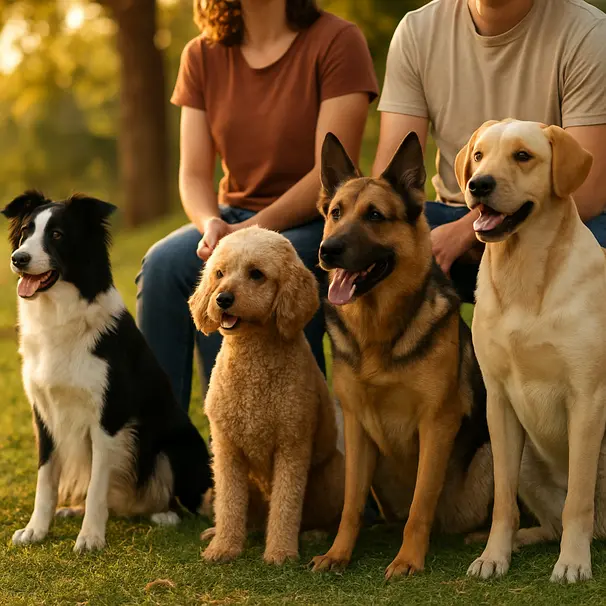
10 smartest dog breeds ranked
Intelligence in dogs is a lot like human talent. Some pups learn commands quickly, others read a room and solve puzzles, and a few can charm you into giving them another treat. In this post we’ll rank ten breeds commonly celebrated for their smarts, explain the types of canine intelligence, and share practical tips to live happily with a bright dog. Expect training ideas, enrichment suggestions, and advice for matching your lifestyle with each breed.
How to think about dog intelligence
Dogs aren’t measured by a single IQ. Instead, behaviourists often look at three broad categories:
- Instinctive intelligence, which shows up as herding, guarding, or hunting instincts.
- Adaptive intelligence, how well a dog learns from experience and solves new problems.
- Working and obedience intelligence, how quickly a dog learns commands and follows them.
A breed that tops one list might be average on another. For example, an excellent herder might be independent and need different training than a dog bred for search and rescue.
1. Border Collie — The classic brainbox
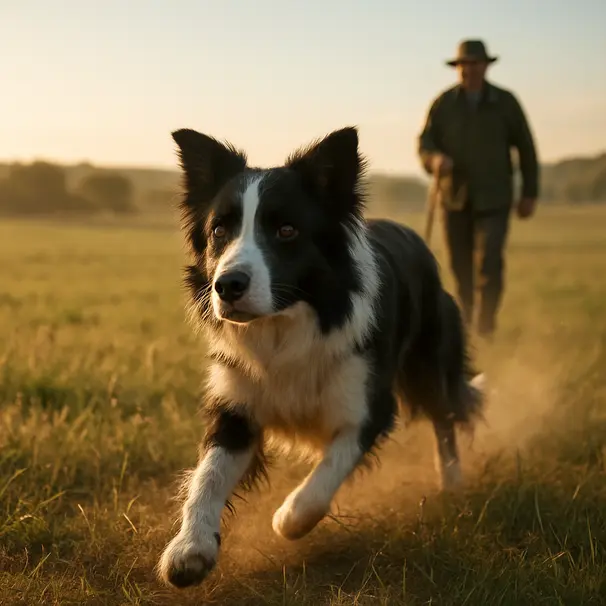
Border Collies are famous for their lightning-fast learning and astounding focus. They excel at agility, herding, and trick training. These dogs often read human cues and pick up new commands in just a few repetitions.
Practical tips
- Daily mental exercise is essential. Puzzle toys, scent games, and short training sessions keep them happy.
- They need room to run or a job to do. Consider dog sports or long play sessions.
- Socialisation and calm leadership help with their intensity.
2. Poodle — Brains in any size
Poodles come in toy, miniature, and standard sizes, but intelligence shines across the board. These dogs are quick to learn, adaptable, and eager to please. Their history as water retrievers and performers helps explain their versatility.
Practical tips
- Use praise and play as rewards, poodles respond well to positive reinforcement.
- Keep grooming routines gentle and predictable, so they trust handling.
- Offer novelty toys to prevent boredom.
3. German Shepherd — Loyal problem solvers
German Shepherds combine smarts with drive and loyalty. They do well in protection work, search and rescue, and service roles. They learn complex tasks and stay focused for long periods.
Practical tips
- Clear structure and consistent rules go a long way.
- Provide jobs like scent work or advanced obedience.
- Exercise both mind and body each day to avoid frustration.
4. Golden Retriever — Friendly and trainable
Golden Retrievers are easy learners with a gentle nature. Their eagerness to please makes them excellent therapy and assistance dogs. They may not be as laser-focused as some working breeds, but they’re quick and reliable.
Practical tips
- Keep training fun and food-motivated.
- Gentle socialisation suits their friendly temperament.
- Swimming and retrieval games are great outlets.
5. Doberman Pinscher — Sharp and watchful
Dobermans are alert thinkers with strong problem-solving abilities. They bond closely with their families and can be highly trainable under calm leadership. Their intelligence pairs with bravery and speed.
Practical tips
- Start training early with consistent, reward-based methods.
- Regular exercise and mental tasks reduce anxious energy.
- Positive social experiences help them stay even-tempered.
6. Shetland Sheepdog — Small but mighty
Shetland Sheepdogs, or Shelties, are often underrated. They are fast learners with a real talent for following cues and performing intricate tasks. Their herding background makes them attentive and quick to respond.
Practical tips
- Short, varied sessions keep their interest.
- Teach impulse control games, they love to please but can get excitable.
- Grooming and quiet bonding time strengthen the owner-pet relationship.
7. Labrador Retriever — Smart, steady, and social
Labs are practical problem solvers. They learn well and have the kind of temperament that suits families and working roles alike. Labradors make excellent assistance dogs and are reliable in training environments.
Practical tips
- Use food, play, and consistent praise for training.
- Offer swimming and fetch to use their energy constructively.
- Keep early socialisation broad and friendly.
8. Papillon — Tiny teacher’s pet
The Papillon may be small, but it’s a quick study. These little dogs are keen, agile, and enjoy mental challenges. They often perform well in obedience and agility competitions.
Practical tips
- Focus on lightweight games and trick training.
- Short, frequent lessons suit their attention span.
- Handle with care, but don’t underestimate their stamina.
9. Rottweiler — Calm, attentive, and quick to learn
Rottweilers can be very intelligent and highly trainable. They learn tasks quickly and often show strong problem-solving when it benefits their family. They need consistent training and clear boundaries.
Practical tips
- Teach leadership cues with patience and fairness.
- Combine socialisation with handling practice.
- Provide tasks or structured play to channel their strength.
10. Australian Cattle Dog — Tenacious and inventive
Australian Cattle Dogs are built to think on their feet. They’re resourceful, persistent, and love a challenge. These dogs often excel at work that requires independence and judgement.
Practical tips
- Offer physically and mentally demanding activities.
- Use scent work, puzzle feeders, and advanced training.
- Ensure daily exercise to keep frustration low.
Training tips that work for bright dogs
Smart dogs can be a joy, but they also get bored quickly. Here are practical ways to keep them engaged and content:
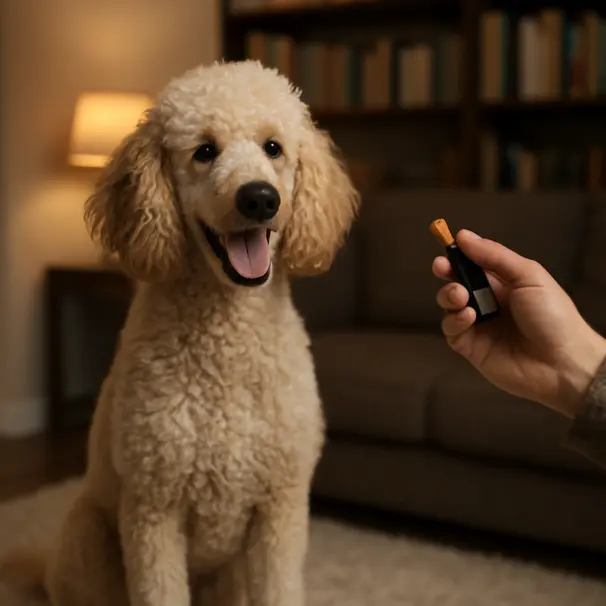
- Mix up training methods. Try shaping, clicker training, and game-based learning.
- Keep sessions short and frequent, five to ten minutes multiple times a day.
- Offer real-life challenges, like opening a child-safe box or finding hidden treats.
- Rotate toys so nothing becomes stale.
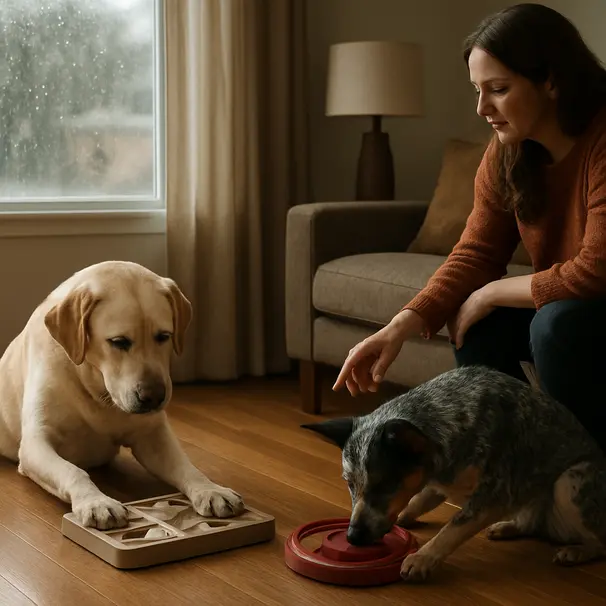
- Provide puzzles that reward problem-solving with a treat or toy.
Remember, if your dog shows unusual stress or behaviour changes, consider consulting a professional trainer or your veterinarian. They can help rule out health causes and suggest behaviour-focused plans.
Matching smart breeds with your lifestyle
A highly trainable dog doesn’t automatically make the best family pet for every household. Think about these points:
- Activity level. Some smart breeds have huge physical needs. Do you enjoy long walks, runs, or dog sports?
- Time for training and enrichment. Can you commit to daily mental workouts?
- Living situation. Apartments can suit some intelligent dogs if they get proper play and stimulation.
- Experience. First-time owners can thrive with labs or goldens, but high-drive herding or working breeds benefit from experienced handlers.
If you’re unsure, trial fostering or spend time with the breed before committing. Meeting dogs in different environments helps you see how they behave outside of a breeder or shelter setting.
How pet carers can support smart dogs
If you’re a pet carer, working with bright dogs is deeply rewarding. Here are ways to provide great care:
- Offer short training refreshers during visits, like five-minute obedience or trick sessions.
- Bring puzzle feeders or hiding games on walks.
- Communicate routines clearly to owners, so carers and owners stay consistent.
- Report small behaviour changes early, and suggest a vet check if needed.
Skilled carers can turn a potentially bored, clever dog into a relaxed, happy companion.
Final thoughts: smart dogs are people too
Intelligent breeds reward curiosity and consistency. They learn fast, form deep bonds, and bring a lot of personality into the home. If you welcome a bright dog, be ready to offer daily mental stimulation, predictable routines, and plenty of love.
If finding the right match feels overwhelming, consider using a trusted platform like Floofy to connect with carers and meet-and-greet opportunities. Experienced carers can help you test a dog’s temperament and show how training and enrichment can fit into a busy life.
Above all, remember that every dog is an individual. Breed tendencies give clues, but time, training, and a caring environment shape the happiest outcomes.
Happy training, and enjoy the clever companionship of your furry friend.