

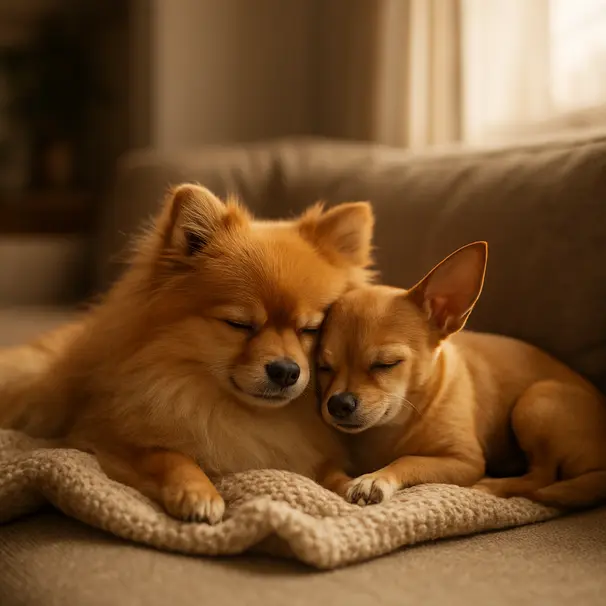
10 tiny dog breeds that melt your heart
Tiny dogs have a special way of squeezing right into your lap and your life. They come with big personalities in compact packages, lots of warmth, and sometimes surprising stamina. If you’re thinking about adding a small dog to your household or you care for tiny breeds professionally, this guide profiles 10 lovable options, with practical notes on temperament, care, grooming, and how they fit into apartment living and busy family schedules.
Meet the breeds
Below are ten tiny breeds that regularly steal hearts. I’ve included what each one is like day to day, what they may need, and whether they’re a great match for apartment living, families, or seasoned dog owners.
1. Chihuahua
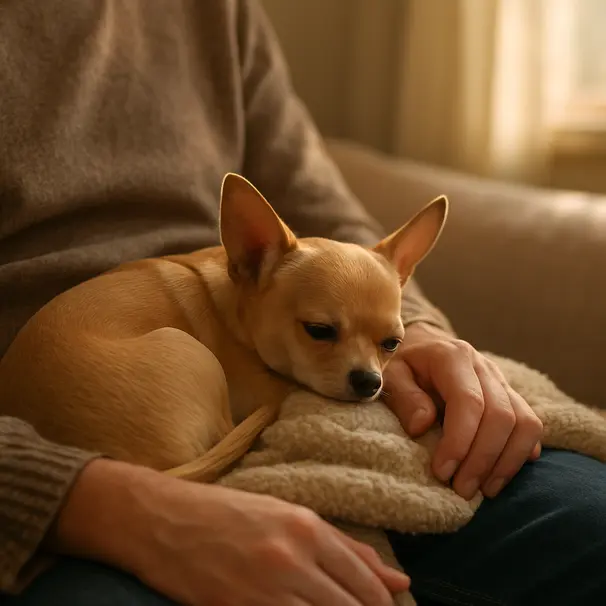
Tiny and bold, Chihuahuas are confident companions. They’re fiercely loyal and often bond closely with one person. Expect a spirited personality and strong curiosity. Chihuahuas don’t need long walks but they love short bursts of play and laps to nap on. Because they’re so small, be mindful of rough handling around children. Grooming is minimal, though long-coated Chis may need brushing a few times a week. Keep an eye on dental care and consider regular vet checks for petite-breed issues.
2. Pomeranian
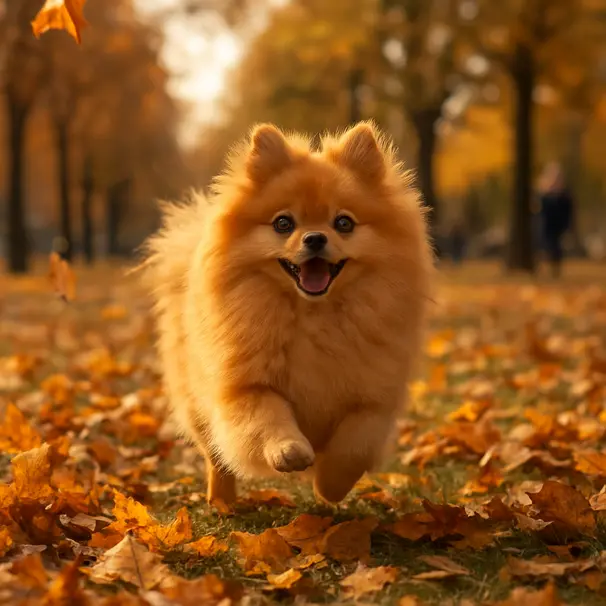
Pomeranians are fluffy bundles of mischief. They typically have a vivacious, friendly nature and enjoy interactive play. Their double coat is one of their defining features, so regular brushing helps prevent tangles and reduces shedding around the home. They do well with short daily walks and mental stimulation like puzzle toys. Poms often enjoy learning tricks and respond well to positive, gentle training.
3. Yorkshire Terrier (Yorkie)
Yorkies are small but brave with a silky coat that turns heads. They’re typically affectionate with family and can be wary of strangers. Regular grooming is part of the deal, especially if you prefer that glossy show coat. Yorkies are lively indoors and adapt well to apartments, though they enjoy short walks and games. Consider early socialization so confidence grows without becoming overly protective or barky.
4. Maltese
The Maltese is a classic lap dog, soft and gentle. They usually adore human company and can be very cuddly. Their long, white coat needs consistent brushing to prevent mats, and many owners choose a shorter pet trim for easier upkeep. Maltese dogs often do well with calm households and can be good with older children who understand gentle handling. Routine dental care and comfortable bedding are small things that can make a big difference for their daily comfort.
5. Toy Poodle
Toy Poodles are smart, adaptable, and eager to please. They learn quickly and do well in training sessions or fun games like scent work. Their curly coat is low-shedding, which can be helpful in homes with allergy concerns, but it does need regular professional trims or thorough at-home grooming. Toy Poodles can be surprisingly athletic for their size and appreciate mental challenges as much as physical ones.
6. Papillon
Papillons are lively and elegant with butterfly-like ears that give the breed its name. They’re energetic, friendly, and often excel at agility or obedience activities. Even though they’re tiny, they have an athletic streak and enjoy regular play and short runs. Their long, flowing coat is fairly low-maintenance compared with some other toy breeds, but brushing a couple of times a week helps keep it neat.
7. Shih Tzu
Shih Tzus are sweet-natured and made for cuddles. They tend to be tolerant of children and enjoy being part of a household’s routine. Their coat can be long and luxurious or kept short with a pet cut for easier care. Gentle daily handling, regular eye checks, and brushing around the face are good habits. Shih Tzus are usually calm indoors and fit well into apartment life.
8. Bichon Frise
Bichons are cheerful and playful little cloud-like dogs. They’re sociable and often get along well with other pets and children. Their curly coat needs consistent grooming to avoid mats, and many owners rely on a grooming professional. Bichons enjoy interactive play and short walks, and they respond well to positive training methods. Their temperament makes them popular as companion dogs.
9. Brussels Griffon
Griffons have a distinctive expressive face and a lot of character packed into a small frame. They’re curious, alert, and often very attached to their people. They can be a bit stubborn but are affectionate and entertaining. Grooming depends on coat type; some need regular trims. Because they bond strongly, consider how separation time is managed to keep them happy.
10. Italian Greyhound
Italian Greyhounds are slim, graceful, and quietly affectionate. They adore quick sprints in a safe, enclosed space and then settle into long naps. Their short coat is low-maintenance, but they can be sensitive to cold and may appreciate sweaters in chilly weather. They tend to be gentle with people and can be surprisingly playful despite their elegant appearance.
Choosing the right tiny dog for your life
When picking a tiny dog, think beyond size. Personality, grooming needs, energy level, and how much time you can dedicate all matter. If you live in an apartment, breeds that adapt to indoor play and shorter walks will fit better. If you’re busy, consider a breed that copes well with alone time or plan for a trusted carer to pop in. Meet dogs in real life and ask current owners about daily routines. A trial foster or a short-term pet care arrangement can help you test the fit before making a long-term commitment.
Preparing your home for a tiny dog
Tiny dogs have special needs around the house. Make a cozy, low-to-the-ground bed so jumping from furniture is gentler on joints. Use non-slip rugs for slippery floors. Keep small items and cords out of reach. If you have larger dogs or curious toddlers, supervise interactions and create safe spaces where the small dog can retreat. Consider baby gates for stairs or to block off areas that are risky.
Daily care: food, exercise, and grooming
- Food: Tiny breeds often have fast metabolisms and may benefit from calorie-dense, small-kibble formulas. Feed measured portions and watch treats. Senior small dogs may need different nutrition, so consider consulting a vet for personalised advice.
- Exercise: Short walks, indoor play, and puzzle toys usually keep tiny dogs happy. Italian Greyhounds and Papillons may want extra chance for quick sprints. Avoid overexertion on hot days and monitor activity closely.
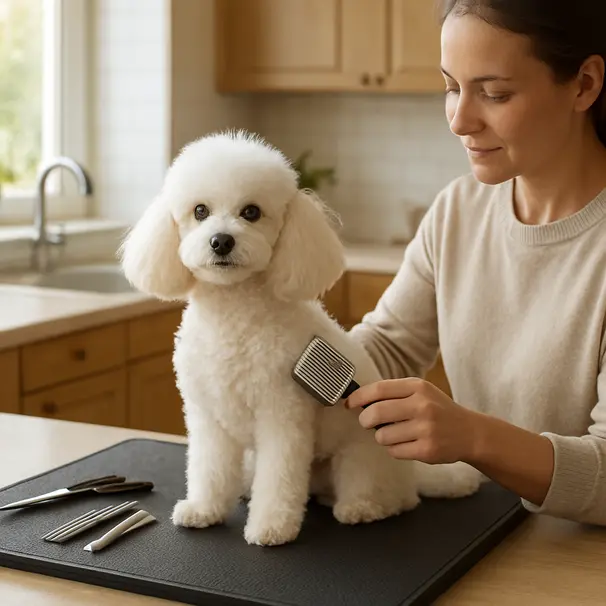
- Grooming: Coat types vary widely. Regular brushing prevents mats, and many tiny breeds appreciate routine teeth cleaning. Professional grooming every 4–8 weeks may suit breeds with longer or curly coats. Handle grooming calmly and reward your dog to make it a positive habit.
Socialization, training, and mental enrichment
Socialization is essential, especially for small dogs that can become anxious or barky around strangers. Introduce new people, dogs, and environments slowly and positively. Short, consistent training sessions using rewards and praise usually work best. Mental enrichment like scent games, interactive toys, and short training drills can keep a tiny dog’s clever brain engaged and reduce problem behaviors.
Safety and health notes
Tiny breeds can be delicate. Keep them safe from falls, avoid letting them leap from high furniture, and watch for signs of discomfort after rough play. Regular vet visits can help catch issues early. Use harnesses rather than collars for walks to protect the neck, and consider microchipping and secure ID tags.
If you notice unusual behavior, breathing changes, persistent lethargy, or eating problems, please consider contacting a veterinarian. Small dogs often show different signs of discomfort than larger breeds, and a professional can help guide care.
Finding trusted carers and services on Floofy
Tiny dogs may need extra attention while you’re away. On Floofy, look for carers who list experience with toy breeds and can describe how they handle delicate pets. Ask about how they manage feeding schedules, toileting routines, and separation anxiety. Meet carers in your home for a trial day so your dog can get used to them. Read reviews, check references, and look for carers who offer updates and photos while you’re gone.
Tips for booking a sitter or walker:
- Share details about your dog’s quirks and favourite games.
- Walk through safe handling techniques and feeding portions.
- Leave a list of emergency contacts and veterinary information.
Travel and tiny-dog etiquette
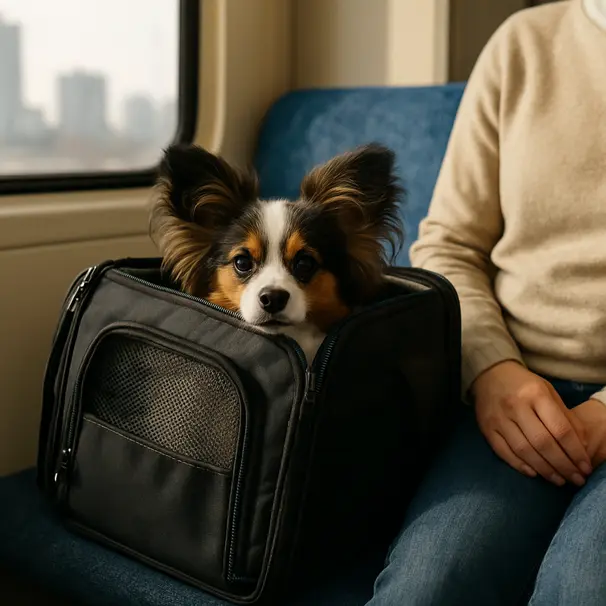
Tiny dogs are frequent travel companions. Use airline-approved carriers and get your dog comfortable with the carrier well before a trip. For city travel, a secure soft-sided carrier or sling can be less stressful. Keep treats, a small water bottle, and a familiar blanket on hand. When visiting cafes or meeting other dogs, ask before allowing interactions. Many small dogs prefer a calm introduction rather than an energetic greeting.
Final thoughts
Tiny dogs offer big hearts and unforgettable companionship. Whether you prefer a fluffy Pomeranian, a lap-loving Maltese, or a graceful Italian Greyhound, there’s a small friend out there for many different lifestyles. With thoughtful care, gentle training, and the right support from trusted carers, these pint-sized pals can thrive and bring daily joy. If you’re unsure which breed suits you best, try meeting a few, spend time with experienced carers, and consider short-term sitting or fostering to find the perfect match.
A final tip: tiny dogs often live large in personality and in love. Give them space to be themselves, and you’ll get a loyal companion who fits into the smallest or busiest of homes.