

Introduction
Entrusting your dog to someone else’s care is a sign of trust. You want someone who loves your four-legged friend, knows their quirks, and is reliable. These 10 tips will help you find the right pet carer, from your first message to long-term care. Take your time reading, allow time for the trial period, and trust your gut feeling.
1. Formulate Clear Expectations
Before you search, write down what matters to you. Does your dog need lots of exercise, special medication, regular feeding times, or specific rest periods? When you formulate expectations clearly, unsuitable candidates filter themselves out automatically. Share this list in your ad and discuss it again before meeting.
2. Check References and Reviews
Look at reviews on platforms like Floofy and ask for references. Real experience reports give you insight into punctuality, reliability, and manners. If possible, call a reference briefly and ask specifically about a situation where something unexpected happened. This shows you how the carer reacts under pressure.
3. First Contact in Person or by Video
A quick phone call is nice, but an in-person meeting or video call shows much more. Pay attention to body language, tone of voice, and how the person interacts with your dog. A good carer will answer your questions and ask their own about your dog’s routine and behavior.
4. Schedule a Trial Day
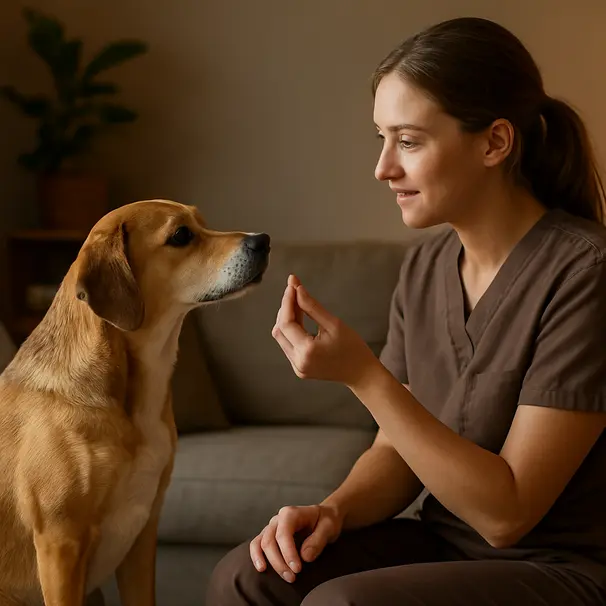
Before booking longer care, plan a trial day. Let the carer spend a short time with your dog, observe the interaction, and see how your dog reacts. Some dogs take longer to warm up, so give the meeting a realistic chance.
5. Ask About Experience with Special Needs
Does your dog have noise anxiety, aggression toward other dogs, or need medication? Ask specifically about experience with similar cases. A carer with relevant experience can offer appropriate routines or at least honestly say if something isn’t their strength.
6. Clarify Safety and Emergency Plans
A good pet carer talks openly about safety. Is there liability insurance, a first aid course for dogs, or a veterinarian nearby? Discuss together how to proceed in an emergency, who is the emergency contact, and which phone numbers are important. This gives you security and is very reassuring.
7. Arrange Communication and Updates
Many dog owners like photos or short messages during care. Ask how often you want updates and what’s realistic. Some carers send short videos, others prefer text messages. A set communication method prevents misunderstandings.
8. Contracts and Clear Prices
Even in a private setting, it’s helpful to put prices and conditions in writing. What happens with delays, cancellations due to illness, or additional care needs? A simple contract or written confirmation saves trouble and ensures fair expectations on both sides.
9. The First Real Care Day
On the first official day, you should have everything important with you: food, leash, favorite toy, safety harness, vaccination record, and a short note with habits. Stay reachable and give the carer time to find the routine. Observe how your dog reacts and schedule a brief feedback conversation afterward.
10. Build Long-Term Trust
Trust grows over time. If the first assignments go well, arrange regular appointments. Pay attention to whether the carer remains attentive, whether small problems arise, and whether your dog seems relaxed. Long-term relationships with stable carers are often the best solution for anxious or sensitive dogs.
Practical Checklist to Print
- Routine list: feeding times, walk length, rest periods
- Medications and instructions
- Contact details: yours, veterinarian, emergency contact
- Copy references and reviews
- Plan and observe trial meeting
- Written agreement on prices and conditions
FAQ: Frequently Asked Questions
How long should a trial meeting last?
A trial meeting of 30 to 60 minutes is enough for an initial assessment. For shy dogs, a longer introduction over several days might be better. Take your time and plan enough opportunity to observe.
What if my dog doesn’t like the carer?
It happens and isn’t automatically a bad sign. Dogs have preferences. Try a second meeting with a short walk. If the chemistry still doesn’t work, it’s okay to keep looking.
Should I give a carer access to my home?
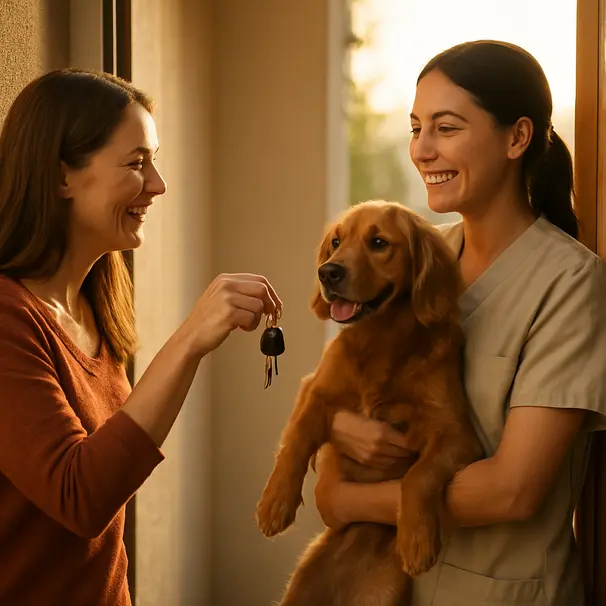
It’s a matter of trust. Many dog owners give temporary access for longer-term arrangements. If you do, agree on clear rules and keep a spare key safe. Alternatively, dog walkers and sitters can meet for outdoor assignments.
Final Thoughts
Finding the right pet carer takes patience, but it’s worth it. Well-cared-for dogs are more relaxed, happier, and show fewer stress symptoms. Use platforms like Floofy, check references, plan trial days, and communicate openly. Trust your feeling and your dog’s behavior. With these tips, you’ll find someone who doesn’t just watch, but truly cares for your dog.
If you have questions or need help writing an ad, Floofy is happy to help. Good luck with your search and many relaxed walks!