

12 pet-friendly activities for owners and their pet carer to try
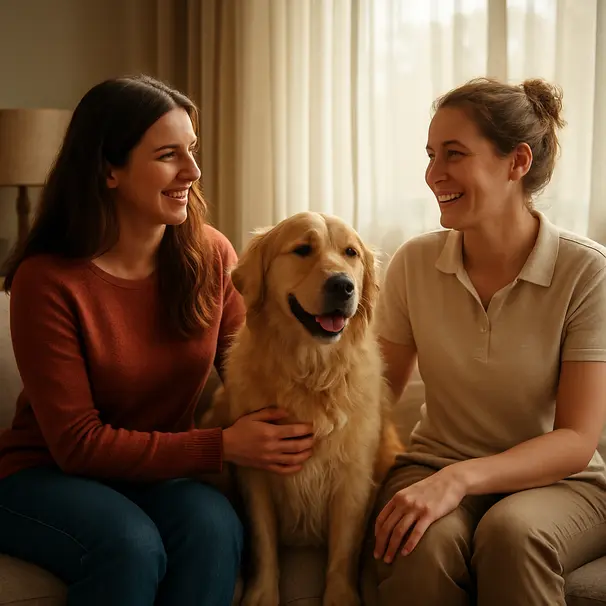
Bringing a trusted pet carer into your pet’s life opens up chances for new routines, fun outings, and shared moments. These activities are meant to build comfort, stimulate minds, and give carers simple, reliable ways to connect with pets while you are away or during joint visits.
Start with a short meet-and-greet, then choose a few activities that fit your pet’s personality and energy level. Read the quick prep tips for each idea, and keep safety and your pet’s comfort in mind. Consider consulting a vet if your pet has special health needs or exercise restrictions.
Before you begin: quick guidance for owners and carers
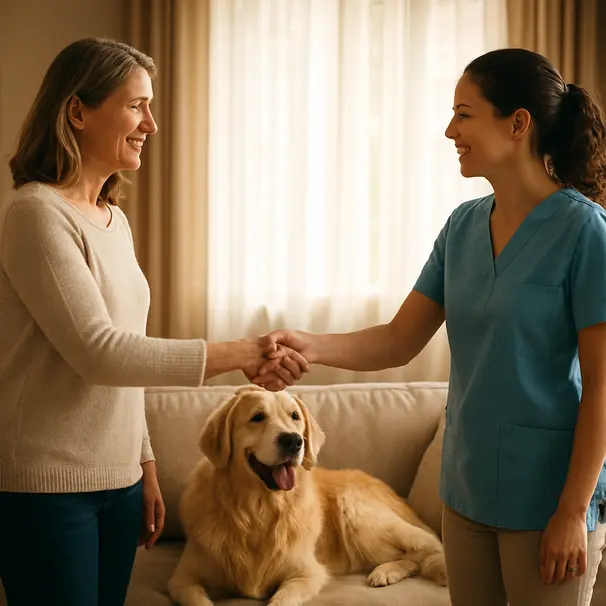
- Introduce slowly: plan an initial meeting in a neutral, calm spot at home so your pet can sniff and observe without pressure.
- Share routines: jot down feeding times, favourite toys, medication notes, and emergency contacts in a simple checklist the carer can carry.
- Short and positive: start activities brief and upbeat, then increase time as the pet grows more comfortable.
- Rewards and consistency: use the same treats or praise words you trust, so the pet recognizes familiar cues.
1. A relaxed neighborhood walk
Why it works: A predictable, low-stress walk helps dogs stretch their legs and stay mentally calm. Walks also let carers learn a dog’s pace and leash manners.
How to do it: Pick a familiar route and walk at a steady, unhurried pace. Let the dog sniff at safe spots. Carers should keep the leash loose unless needed and reward calm walking.
Safety tips: Avoid the hottest hours, carry water, and check paws for debris after the walk. For dogs with joint issues, keep distance shorter and discuss activity limits with the owner.
2. Park picnic for people and pet
Why it works: A picnic is social and low-key. Pets can enjoy smells, treats, and new scenery while staying close to both owner and carer.
How to do it: Bring a blanket, pet-safe treats, and a tether or harness if needed. Choose a quiet area away from crowded dog play zones. Let the pet relax near you and the carer, offering treats for calm behavior.
Practical tip: Pack a small waste bag and a portable water bowl. If the pet is nervous around many people, pick an off-peak time.
3. Basic training session with play rewards
Why it works: Training strengthens communication and trust. Short sessions let carers observe how the pet responds to cues and rewards.
How to do it: Keep sessions to five to ten minutes. Focus on a single cue like sit, come, or leave it. Use high-value treats and positive vocal praise.
Make it fun: End each session with a quick play reward the pet enjoys. Repetition builds confidence for both the carer and the pet.
4. Enrichment scavenger hunt
Why it works: Scavenger hunts tap into natural foraging instincts and provide mental stimulation without heavy exercise.
How to do it: Hide treats or favourite toys around a safe room or yard. Start easy, then increase difficulty. Carers can watch the pet’s problem solving and offer gentle hints.
Safety tip: Make sure treats are appropriate for the pet and avoid tiny items that could be swallowed whole.

5. Puzzle feeders and food enrichment
Why it works: Puzzle feeders slow down fast eaters and give pets a focused activity that rewards patience.
How to do it: Introduce a puzzle feeder with the owner present. Show the pet how it works by letting them see treats being placed inside. Carers can supervise and help reset the puzzle.
Considerations: If a pet is very food-driven and likely to guard, monitor interactions closely and space out puzzle time.
6. Short, supervised fetch or retrieval games
Why it works: Fetch gives bursts of exercise and helps release energy in a controlled way. It can also be adapted for small spaces.
How to do it: Use soft toys for indoor games and throw shorter distances outdoors. Keep sessions to a few minutes, and let the pet rest if panting heavily.
Adaptations: For senior dogs, toss a toy gently and encourage walking back rather than sprinting. For dogs that drop the toy, try two toys so they exchange rather than guard.
7. Slow socialization with new people or pets
Why it works: Gradual, positive exposure helps shy or anxious pets build confidence around carers or calm, vaccinated dogs.
How to do it: Arrange a short meeting with a calm dog or a gentle person. Keep interactions on leash for dogs and allow them to choose the distance. Reward curiosity with treats.
When to pause: If the pet shows strong signs of stress, step back and try again another day at a slower pace.
8. Grooming and gentle massage
Why it works: Many pets enjoy gentle grooming or massage, which can reduce anxiety and help carers spot skin or coat issues early.
How to do it: Begin with short sessions, focusing on areas the pet already likes touched. Use soft brushes, slow strokes, and a calm voice. Offer small treats during and after grooming.
Helpful hint: Ask the owner about any sensitive spots or past incidents. For medical concerns, recommend the owner talk to a vet before extensive grooming.
9. Calm indoor play with interactive toys
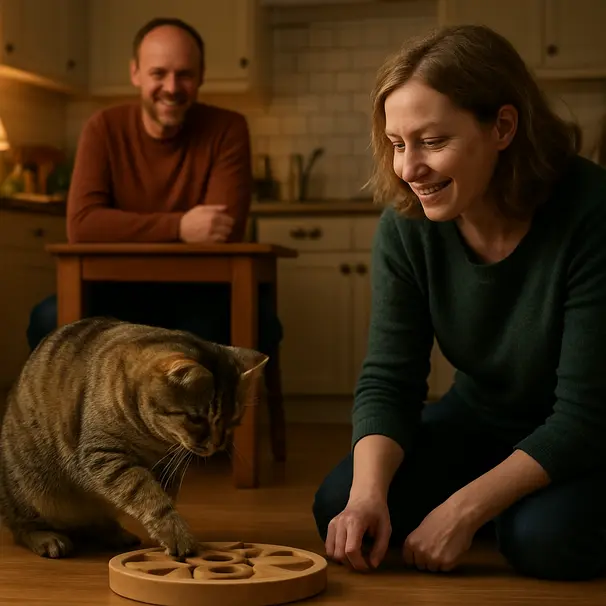
Why it works: Interactive toys keep pets mentally busy without requiring a lot of space or energy.
How to do it: Use toys that dispense treats, crinkle toys for cats, or tug toys for gentle play. Rotate toys to keep interest high. Carers can supervise and swap toys to keep sessions novel.
Warnings: Avoid toys with small parts that could break off. Supervision prevents accidental swallowing and helps gauge play intensity.
10. Photo session and memory-making
Why it works: A relaxed photo session creates keepsakes and helps pets get used to cameras and handling by carers.
How to do it: Use natural light and short bursts. Keep sessions playful and reward the pet between shots. Let the pet take breaks and never force poses.
Fun idea: Create a small photo checklist like “one smiling headshot, one action shot, one nap moment.” Share photos with the owner after the visit.
11. Scent work for curious noses
Why it works: Scent games are gentle but deeply engaging. They tap into a pet’s strongest sense and are great for dogs and some cats.
How to do it: Hide a scented cotton ball or a treat in easy-to-find spots. Increase challenge slowly. Carers can guide the pet toward odors and celebrate discoveries.
Safety and calm: Keep challenges suited to the pet’s energy level. Scent work can be especially good for rainy days when outdoor time is limited.
12. Wind-down routine and goodbye ritual
Why it works: A predictable wind-down helps pets transition from time with the carer back to owners or to quiet rest.
How to do it: Finish visits with a short calm activity like gentle petting, a chew toy, or a quiet walk. Use a consistent goodbye phrase so the pet learns the routine.
Owner tip: Ask carers to leave a small note about how the pet was at the end of the visit and one thing that worked well. That tiny feedback loop builds trust.
Wrapping up: pick what fits your pet
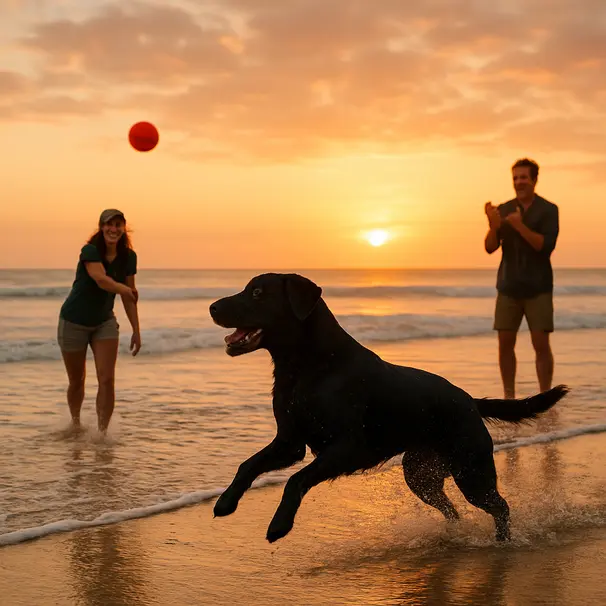
All pets are individuals. Some will adore active games and fetch, others will prefer sniffing adventures or a cozy grooming session. Start slow, watch signals, and adjust. For pets with medical conditions, consider asking a vet what activities may be best or should be avoided.
A trusted carer who understands your pet’s personality can turn simple ideas into reliable routines. These shared activities help carers become familiar faces, reduce stress for pets, and give owners peace of mind. Try a few of the suggestions on different days and keep notes of what clicks. Small moments build stronger bonds over time.
Happy exploring, and here’s to many joyful walks, puzzles, and quiet naps together.