

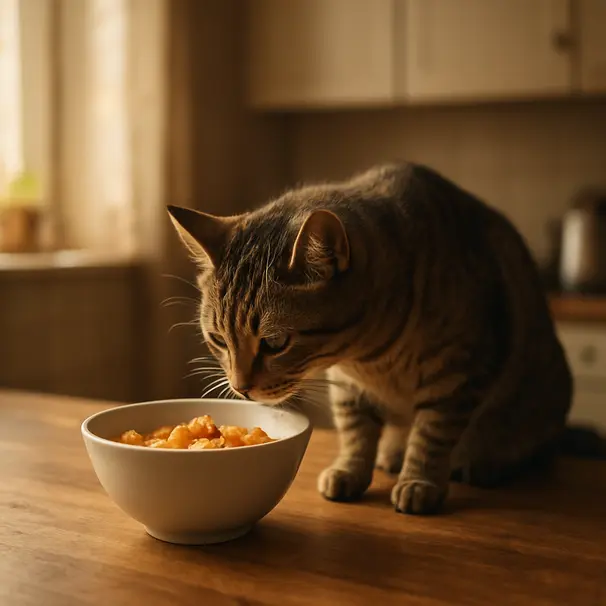
⚠️ 15 foods cats should never eat
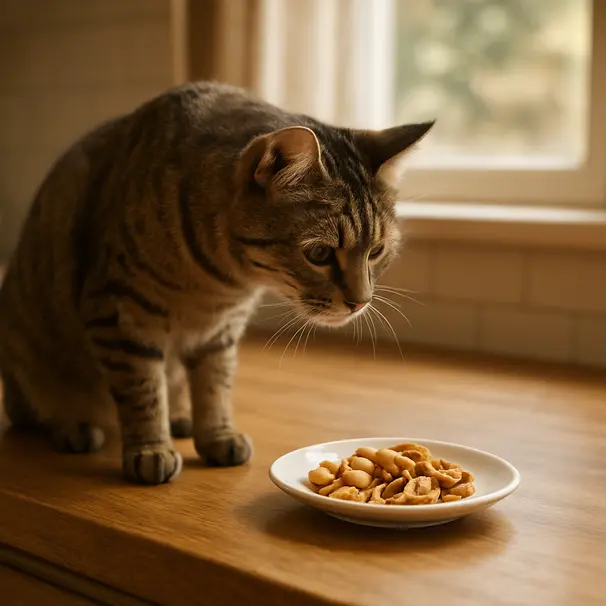
Cats are curious snackers. A dropped bite, a curious lick, or a trusting nibble from a human plate can lead to trouble. This guide walks through 15 common foods that can cause harm to cats, why they’re risky, what signs to watch for, and friendly, practical steps pet owners and carers can take.
Quick note before we start
This article aims to help you spot dangerous foods and act quickly. It’s not a substitute for professional advice. If your cat eats something concerning, consider contacting your veterinarian or an emergency animal clinic. Early action can make a big difference.
The list: 15 foods to keep away from cats
Here are the foods to avoid, numbered for easy reference. For each one you’ll find a short explanation, common signs of trouble, and a practical tip.
1. Chocolate
Why it’s risky: Chocolate contains theobromine and caffeine. Cats are much more sensitive than humans to these stimulants and may react to even small amounts.
Signs to watch for: Restlessness, rapid breathing, tremors, vomiting, diarrhea, and elevated heart rate.
Practical tip: Keep chocolate out of reach and be cautious during holidays. A closed trash can helps, too.
2. Onions, garlic, chives (all members of the Allium family)
Why it’s risky: These veggies can damage red blood cells and may cause anemia over days.
Signs to watch for: Weakness, pale gums, rapid breathing, loss of appetite, and lethargy.
Practical tip: Avoid feeding your cat leftovers that contain these ingredients. Garlic supplements and flavored snacks are common hidden sources.
3. Grapes and raisins
Why it’s risky: Grapes and raisins may cause kidney issues in some cats. The exact toxin is unclear, so it’s best to avoid them entirely.
Signs to watch for: Vomiting, lethargy, decreased urine output, and abdominal pain.
Practical tip: Keep fruit bowls and dried fruit mix away from curious paws and mouths.
4. Alcohol
Why it’s risky: Even small amounts of alcohol can depress the central nervous system and affect breathing and heart rate.
Signs to watch for: Stumbling, disorientation, vomiting, slow breathing, and in severe cases, coma.
Practical tip: Don’t leave drinks unattended. Be mindful of fermented dough or spilled alcoholic beverages.
5. Caffeine (coffee, tea, energy drinks)
Why it’s risky: Caffeine acts like a stimulant and can be toxic to cats.
Signs to watch for: Agitation, rapid breathing, heart palpitations, and tremors.
Practical tip: Clean up coffee grounds and keep mugs on stable surfaces. Pets often smell and taste what we enjoy.
6. Xylitol (artificial sweetener)
Why it’s risky: Xylitol can cause a rapid drop in blood sugar and affect the liver in some animals. It’s found in sugar-free gum, candies, baked goods, and some peanut butters.
Signs to watch for: Weakness, collapse, seizures, vomiting, and strange behavior.
Practical tip: Read labels before offering human treats, and store sugar-free items securely.
7. Raw meat, raw fish, and raw eggs
Why it’s risky: Raw foods may carry bacteria like Salmonella or E. coli, and raw eggs can interfere with nutrient absorption. Raw fish also carries parasites and certain enzymes that can affect thiamine levels over time.
Signs to watch for: Vomiting, diarrhea, decreased appetite, and lethargy.
Practical tip: If you’re feeding raw diets, discuss safe sourcing, handling, and portioning with a veterinarian or a veterinary nutritionist.
8. Milk and dairy products
Why it’s risky: Many adult cats are lactose intolerant and can have digestive upset after consuming dairy.
Signs to watch for: Diarrhea, gas, and stomach cramps.
Practical tip: Offer lactose-free milk made for pets or small amounts of water-rich treats like plain cooked chicken instead.
9. Cooked bones
Why it’s risky: Cooked bones can splinter and cause choking, mouth injuries, or intestinal blockages and tears.
Signs to watch for: Drooling, pawing at the mouth, difficulty swallowing, vomiting, or abdominal pain.
Practical tip: Never give cooked bones. If you want to offer a bone-like chew, choose vet-approved alternatives.
10. Macadamia nuts
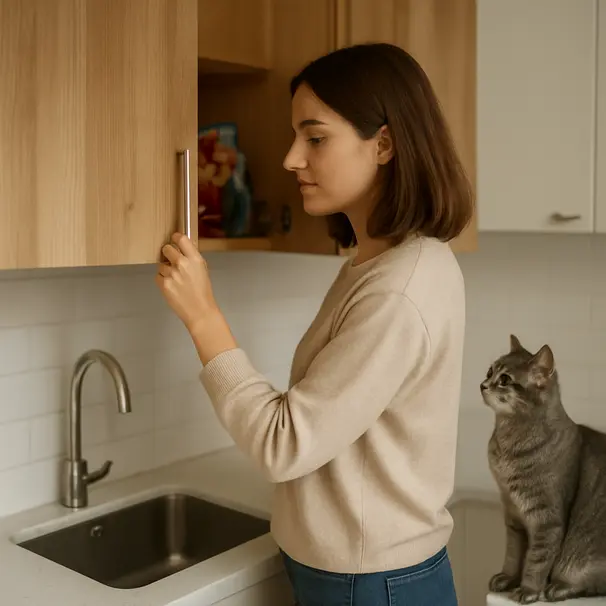
Why it’s risky: While more commonly associated with dogs, macadamia nuts may still cause problems for cats, including weakness and tremors.
Signs to watch for: Weakness, trembling, lethargy, vomiting.
Practical tip: Keep nuts and nut-based snacks out of reach. Nuts are calorie dense and easy to overeat.
11. Salty foods and large amounts of salt
Why it’s risky: Too much salt can lead to sodium ion poisoning, especially if a cat has access to salty snacks, brines, or human foods.
Signs to watch for: Excessive thirst, vomiting, diarrhea, tremors, and seizures in severe cases.
Practical tip: Don’t offer chips, salted nuts, or homemade foods with heavy seasoning. Rinse leftovers before offering small tastes.
12. Yeast dough
Why it’s risky: Uncooked yeast dough can expand in the stomach and produce gas, causing pain and potentially dangerous bloating. Alcohol is also produced during fermentation.
Signs to watch for: Abdominal discomfort, vomiting, disorientation, and rapid breathing.
Practical tip: Store dough and baking ingredients where pets can’t reach them, and clean up spills immediately.
13. Avocado
Why it’s risky: Avocados contain a substance called persin. While cats seem less sensitive than some other animals, ingestion can still cause stomach upset in some.
Signs to watch for: Vomiting and diarrhea.
Practical tip: Avoid offering avocado intentionally, and keep guacamole and avocado-containing dishes closed.
14. Human medications (painkillers, cold medicines, antidepressants)
Why it’s risky: Many human drugs are dangerous to cats, even in small doses. Pills left on countertops or in purses are an accidental risk.
Signs to watch for: Varies widely, from vomiting and lethargy to tremors, breathing problems, or collapse.
Practical tip: Keep all medications locked away. If you suspect ingestion, contact your vet immediately with the medication name and dose.
15. Fat trimmings and greasy foods
Why it’s risky: High-fat foods can trigger pancreatitis, a painful inflammation that may require veterinary care. Fat trimmings from cooked meats are a common culprit.
Signs to watch for: Vomiting, abdominal pain, decreased appetite, lethargy.
Practical tip: Remove visible fat from family meals and avoid offering table scraps.
What to do if your cat eats something they shouldn’t
- Stay calm and assess. Note what and how much your cat ate, and when it happened.
- Look for symptoms. Keep observing for vomiting, tremors, unusual behavior, or breathing changes.
- Call a professional. Contact your veterinarian or an emergency clinic. Poison control services for pets can also advise. Provide the details you observed.
- Don’t induce vomiting or give home remedies without guidance. Some substances can cause more harm if vomited.
Encourage swift action, but remember that not every incident becomes an emergency. A quick call can help you decide the best next step.
Practical prevention tips for pet owners and carers
- Keep food out of reach. High surfaces, closed cabinets, and secured trash bins reduce temptation.
- Supervise mealtimes. If you’re feeding your family or hosting guests, put your cat in a safe room with toys and water.
- Learn common hidden sources. Xylitol, for example, hides in mints and peanut butter labeled “sugar-free.”
- Use lids and covers. Cover bowls and plates when you step away.
- Secure bags and purses. Medications and snacks often live in handbags or backpack pockets.
- Communicate with carers. If you use a pet sitter or boarders, leave a clear list of what your cat cannot eat and where risky items are stored.
A quick checklist for sitters and carers
- Emergency contacts: owner, vet, nearest emergency clinic.
- List of off-limit foods and known allergies.
- Safe snack options and portion instructions.
- Location of food storage and trash disposal.
- Agreement about table scraps and human food interactions.
Clear instructions help carers feel confident and keep your cat safe.
Final thoughts
Cats often have a knack for finding trouble on the kitchen counter. By knowing which foods to avoid, spotting warning signs early, and keeping a few prevention habits in place, you can dramatically reduce the chances of a scary episode. If you ever feel unsure, consider calling a vet or pet poison hotline. They can help you decide whether your cat needs to be seen right away.
If you use pet sitters or carers through Floofy, leave a short, written note about these 15 foods and staple emergency contacts. A little preparation goes a long way toward keeping our whiskered housemates happy and healthy.
Stay curious, stay cautious, and give your cat an extra cuddle from me.