

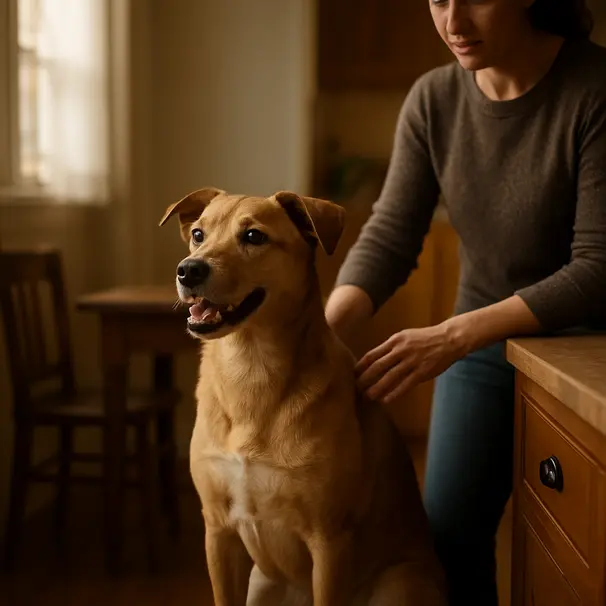
17 toxic foods dogs must avoid
Keeping a curious dog safe around food is part common sense and part detective work. Some tasty human snacks are harmless, but others can cause serious problems. This guide walks you through 17 foods to avoid, what symptoms to watch for, and practical steps you can take if your dog eats something they shouldn’t. Consider this your pocket guide for everyday safety, whether you’re a pet owner or a pet carer on Floofy.
How to use this list
Each entry has a short explanation of why the food can be dangerous, common symptoms to watch for, and simple first-response tips. If your dog shows any worrying signs, or you’re unsure how much they ate, call your vet or an emergency clinic. Quick action can matter.
The 17 foods to watch out for
1. Chocolate
Why it’s risky: Chocolate contains theobromine and caffeine, stimulants that dogs metabolize slowly.
Signs: Restlessness, rapid breathing, vomiting, diarrhea, increased heart rate, tremors, seizures.
What to do: Note the type and amount of chocolate. Dark and baking chocolate are more dangerous than milk chocolate. Call your vet or poison helpline promptly.
2. Grapes and raisins
Why it’s risky: Even small amounts may cause kidney problems in some dogs for reasons not fully understood.
Signs: Vomiting, lethargy, decreased appetite, abdominal pain, reduced urine.
What to do: Seek veterinary advice quickly. If ingestion was recent, your vet may consider decontamination methods.
3. Onions, garlic, leeks, and chives
Why it’s risky: These alliums can damage red blood cells and may lead to anemia.
Signs: Weakness, pale gums, fast heart rate, panting, dark urine.
What to do: If your dog ate a cooked or raw quantity, contact your vet. Repeated small exposures can also be harmful.
4. Xylitol (found in sugar-free gum, candies, and some peanut butters)
Why it’s risky: Xylitol can trigger a rapid insulin release in dogs, causing dangerous low blood sugar and liver issues.
Signs: Vomiting, weakness, wobbliness, seizures, collapse.
What to do: This is an emergency. Call your vet immediately and bring packaging if you can.
5. Alcohol and yeast dough
Why it’s risky: Alcoholic beverages and rising dough can intoxicate or cause gas and bloating, which may be serious.
Signs: Vomiting, disorientation, slowed breathing, tremors, unconsciousness.
What to do: Contact a vet right away. Do not try to make your dog vomit unless advised.
6. Macadamia nuts
Why it’s risky: These nuts can cause a temporary illness in dogs, albeit rarely life-threatening.
Signs: Weakness in rear legs, tremors, vomiting, hyperthermia.
What to do: Monitor and call your vet for guidance. Most dogs recover with supportive care.
7. Caffeine (coffee, tea, energy drinks)
Why it’s risky: Like chocolate, caffeine is a stimulant that can be toxic in dogs.
Signs: Restlessness, rapid heart rate, tremors, seizures.
What to do: Note the source and amount consumed, then call your vet.
8. Avocado
Why it’s risky: Avocado contains persin and can be high in fat, which may cause stomach upset or pancreatitis in some dogs.
Signs: Vomiting, diarrhea, abdominal pain, sometimes breathing difficulty.
What to do: Small quantities of flesh may not cause severe problems, but consult your vet if your dog ate a lot or shows symptoms.
9. Bones (cooked)
Why it’s risky: Cooked bones can splinter and cause choking, mouth injury, or internal punctures.
Signs: Pawing at mouth, drooling, gagging, vomiting, blood in stool.
What to do: Do not try to pull fragments unless visible and safe. See a vet if you suspect internal injury or obstruction.
10. Fat trimmings and greasy foods
Why it’s risky: High-fat meals can trigger pancreatitis, which can be painful and serious.
Signs: Vomiting, abdominal pain, lethargy, fever.
What to do: Call your vet for advice if your dog ate a large amount of fatty food.
11. Salt and salty snacks
Why it’s risky: Too much salt can cause sodium ion poisoning.
Signs: Excessive thirst, vomiting, tremors, seizures, high temperature.
What to do: If ingestion was large, contact your vet. Encourage fresh water but follow professional guidance.
12. Corn on the cob
Why it’s risky: The cob can cause intestinal blockage if swallowed whole.
Signs: Vomiting, abdominal discomfort, decreased appetite, lethargy.
What to do: If you suspect your dog swallowed a cob, see a vet promptly.
13. Raw meat, eggs, and fish
Why it’s risky: Raw foods can carry bacteria like Salmonella and parasites.
Signs: Diarrhea, vomiting, fever, decreased energy.
What to do: Watch for signs of illness and consult your vet if symptoms appear. Handle raw food safely to protect people and pets.
14. Moldy or spoiled food
Why it’s risky: Certain molds produce toxins that can cause severe reactions.
Signs: Vomiting, seizures, tremors, gastrointestinal upset.
What to do: Remove access and contact your vet right away.
15. Human medications and vitamins
Why it’s risky: Many pills that are safe for people are dangerous for dogs.
Signs: Vary widely depending on the drug. Vomiting, lethargy, shakes, breathing changes.
What to do: Treat all medication exposures seriously. Call your vet or a poison control hotline with specifics.
16. Fruit pits and seeds (apricots, cherries, peaches, apple cores)
Why it’s risky: Pits can obstruct the digestive tract and some contain cyanogenic compounds.
Signs: Choking, vomiting, abdominal pain, breathing difficulty.
What to do: Remove visible pieces if safe. If you suspect obstruction or poisoning, contact a vet.
17. Certain cheeses and dairy products
Why it’s risky: Some dogs are lactose intolerant. High-fat cheeses can also contribute to pancreatitis.
Signs: Gas, diarrhea, vomiting, abdominal discomfort.
What to do: Offer small amounts only when you know your dog tolerates it. If symptoms occur, limit dairy and check with your vet.
Quick first-response steps if your dog eats something risky
- Stay calm and take note of what and how much was eaten.
- Keep packaging or take a photo to show your vet.
- Call your veterinarian or a pet poison hotline for immediate guidance.
- Do not induce vomiting or give remedies unless a professional advises it, because some actions can make things worse.
Prevention: easy habits that help a lot
- Store food and trash securely out of reach.
- Use childproof or pet-proof latches on cabinets and bins.
- Offer safe chew toys and enrichment to reduce counter-surfing boredom.
- Train reliable “leave it” and “drop” cues with positive reinforcement.
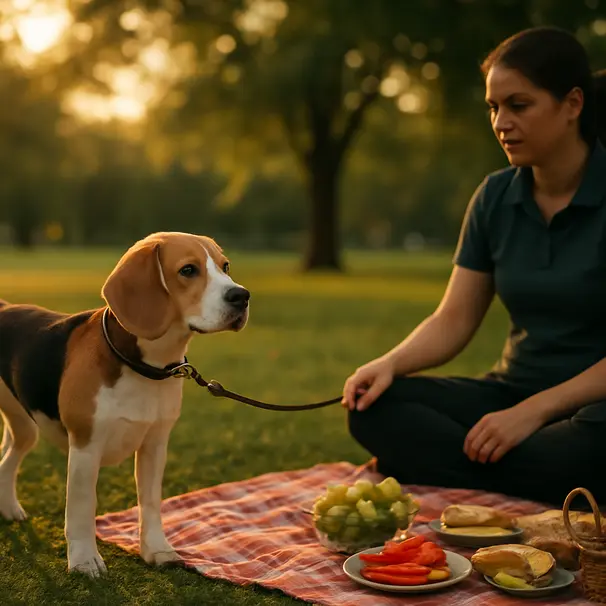
- Supervise dogs around picnic areas, barbecues, and food prep zones.
Safe snack swaps and alternatives
If your dog begs for table treats, try these safer options:
- Plain cooked lean meats like chicken or turkey, without seasoning or bones.
- Small pieces of apple (no core), carrots, or green beans.
- Commercial dog treats made for your dog’s size and dietary needs.
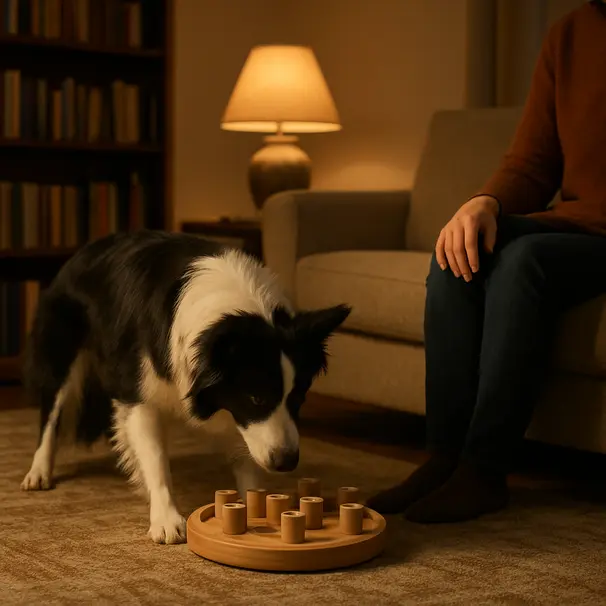
- Use puzzle feeders or frozen Kong toys to slow snacking and provide mental enrichment.
Common myths and clarifications
- Myth: “Dogs can handle anything humans eat.” Not true. Dogs process some substances differently and may react badly to food that’s fine for us.
- Myth: “If they didn’t eat much, it’s fine.” Some foods are dangerous even in small amounts. Ask your vet.
- Myth: “Chocolate is only a risk for small dogs.” Type and dose matter. Dark chocolate is riskier for all sizes.
When to call the vet vs monitor at home
Call the vet or emergency clinic right away if you see:
- Seizures, collapse, unresponsive behavior, or severe breathing trouble.
- Repeated vomiting, bloody diarrhea, or signs of pain.
- Suspected ingestion of xylitol, large amounts of chocolate, grapes, medications, or unknown toxins.
You may be able to monitor at home if your dog ate a tiny amount of a low-risk food and shows no symptoms. When in doubt, call. Your vet can help you decide.
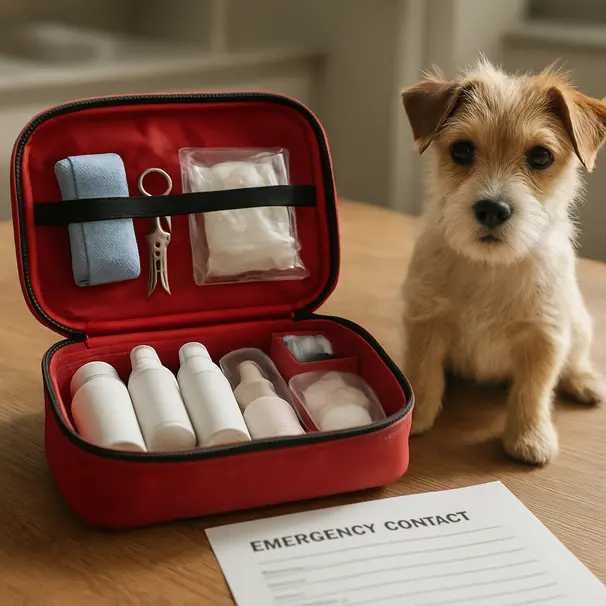
Packing a pet-first aid kit and info sheet
Consider keeping a small kit and information sheet handy with:
- Your vet’s contact and the nearest emergency clinic.
- Pet poison control numbers.
- A list of your dog’s medications and medical conditions.
- Towels, bandages, a thermometer, and a blanket.
Having this ready makes you faster and calmer if an incident happens.
Final checklist for pet carers and owners
- Keep a food-safety routine: secure storage, quick cleanups, and mindful feeding.
- Teach and reinforce commands that reduce risk, like “leave it”.
- Be honest with clients and hosts: tell them if a dog has dietary restrictions or a history of counter-surfing.
- Pack emergency contacts and act quickly when you notice symptoms.
A curious nose and a fast paw can lead to trouble in seconds, but small habits and a little knowledge go a long way. If your dog ever eats something suspicious, consider contacting your vet. Quick information and calm action can help you and your pup get the best possible outcome.
Stay safe, and happy walks from everyone at Floofy.