

18 largest dog breeds that awe you
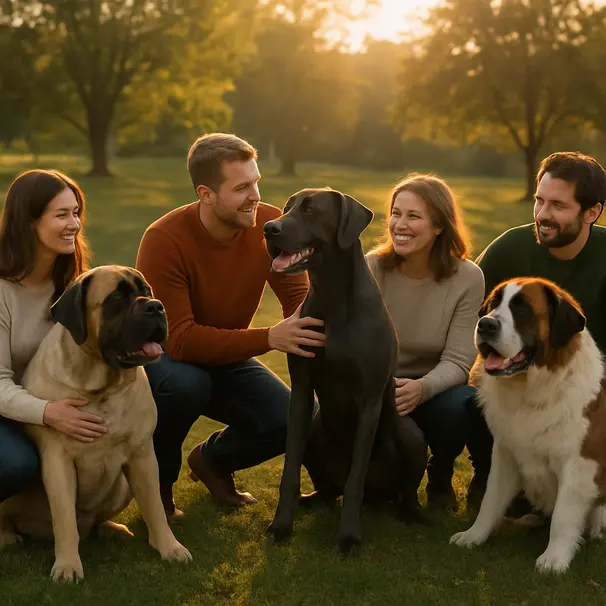
Big dogs have a way of stealing hearts. They fill rooms with presence, snore like tiny freight trains, and somehow still curl up on your lap. This guide walks you through 18 of the largest dog breeds you might meet on walks, at parks, or showing off on Floofy profiles. For each breed you’ll get a friendly snapshot of size, personality, grooming, exercise, and practical tips for living with a large dog.
How to read these profiles
Each breed entry includes a quick size note, temperament highlights, grooming and exercise needs, and a short tip for owners and carers. If you have health or behavior concerns, consider checking with a veterinarian or an experienced trainer. Large dogs are wonderful, and they can have big needs too.
The breeds
1. English Mastiff
Size snapshot: massive, often 150–230 pounds, calm mover. Temperament: gentle, loyal, surprisingly mellow with family. They can be protective without being aggressive. Grooming and exercise: low to moderate grooming, short coat needs brushing. Daily moderate walks and room to stretch are best. Tip: Mastiffs thrive with consistent routines and a confident handler who can manage their size.
2. Great Dane
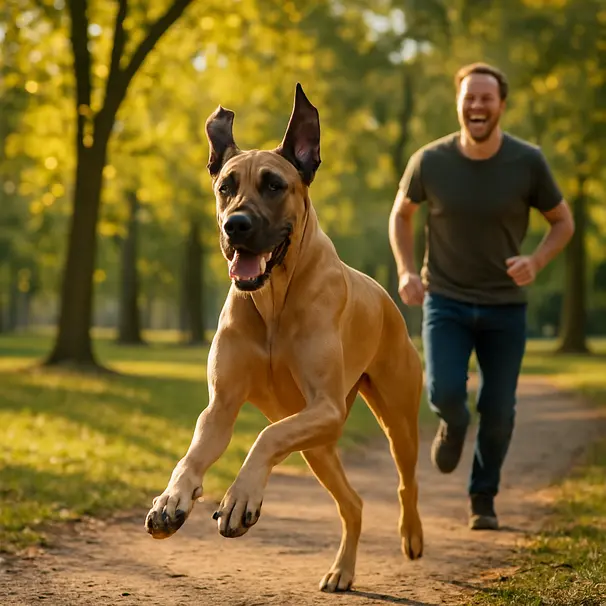
Size snapshot: very tall, often 28–34 inches at the shoulder, 100–175 pounds. Temperament: noble and affectionate, often called gentle giants. They love attention and are good with children. Grooming and exercise: short coat, easy grooming. They need regular walks and play but avoid intense exercise during growth phases. Tip: Watch for joint health as pups grow, and provide a supportive bed for big bones.
3. Saint Bernard
Size snapshot: heavy and powerful, commonly 140–180 pounds. Temperament: patient, sweet, and tolerant. They often act like calm companions in the home. Grooming and exercise: heavier grooming needs, especially with longer coats. Daily walks and some play suffice. Tip: St Bernards drool and shed. Keep drool cloths handy and teach polite greetings early.
4. Newfoundland
Size snapshot: large and solid, 100–150 pounds. Temperament: incredibly gentle, great with kids, and strong swimmers. Grooming and exercise: dense double coat needs regular brushing. They enjoy swimming and moderate daily activity. Tip: Consider water safety and supervision around pools or lakes, and help them dry properly to avoid skin issues.
5. Leonberger
Size snapshot: 120–170 pounds, large and lion-like appearance. Temperament: friendly, calm, and social. They love family life and generally get along with other pets. Grooming and exercise: regular grooming to manage the mane and feathering. Need moderate exercise and social interaction. Tip: Socialize early; they respond well to positive training and consistent leadership.
6. Irish Wolfhound
Size snapshot: extremely tall, 30+ inches often 105–180 pounds. Temperament: dignified, gentle, and somewhat reserved. They enjoy a quiet home and calm walks. Grooming and exercise: wiry coat needs occasional brushing. They require daily exercise but not extreme intensity. Tip: Leash control is important—these dogs can cover ground quickly despite a relaxed demeanor.
7. Tibetan Mastiff
Size snapshot: solid and robust, typically 70–150 pounds or more. Temperament: independent, protective, and aloof with strangers. Very devoted to family. Grooming and exercise: heavy coat needs seasonal and regular brushing. They need space and consistent training. Tip: Early socialization helps balance their guarding instincts; patient, experienced handling is ideal.
8. Anatolian Shepherd
Size snapshot: sturdy livestock guardian, commonly 80–150 pounds. Temperament: loyal and protective, often reserved with strangers. Grooming and exercise: low to moderate grooming, long outdoor walks or tasks keep them happy. Tip: They often excel with a job to do, such as supervised farm duties or structured activity.
9. Neapolitan Mastiff
Size snapshot: very heavy and powerful, 110–150 pounds or more. Temperament: protective, calm with family, and wary of strangers. Grooming and exercise: moderate coat care, regular skin fold cleaning. Short walks and supervision recommended. Tip: Their loose skin needs gentle cleaning and inspection to prevent irritation.
10. Caucasian Shepherd
Size snapshot: large to massive, often 99–170 pounds, dense coat. Temperament: bold, protective, and independent. Often used as a guardian. Grooming and exercise: heavy shedding and regular brushing; they enjoy long walks and space to roam when safe. Tip: Training needs firmness and patience. They may not suit first-time owners.
11. Kuvasz
Size snapshot: 70–115 pounds, strong and agile. Temperament: alert, loyal, and watchful. They bond closely with family. Grooming and exercise: regular brushing of the thick white coat. They like long walks and mental stimulation. Tip: Early obedience and consistent boundaries set them up for success with carers.
12. Great Pyrenees
Size snapshot: 85–100+ pounds, fluffy and grand. Temperament: calm, affectionate with family, and protective. Grooming and exercise: frequent brushing for the thick coat. They enjoy walks and love to patrol yards. Tip: They can be independent thinkers, so reward-based training and patience pay off.
13. Komondor
Size snapshot: 80–100+ pounds, famous for its corded coat. Temperament: protective and devoted to livestock and family. Grooming and exercise: coat needs special maintenance to form and keep cords clean. Moderate exercise and mental work help. Tip: If considering a Komondor, learn about cord care early. Their unique coat is a commitment.
14. Borzoi
Size snapshot: tall and elegant, typically 60–105 pounds. Temperament: graceful, gentle, and sometimes reserved. They enjoy quiet time and short bursts of high-speed play. Grooming and exercise: long coat needs brushing. They love a chance to sprint in a safe space. Tip: Use secure, fenced areas for off-leash running; sighthounds chase quickly on instinct.
15. Scottish Deerhound
Size snapshot: tall and lean, 75–110 pounds. Temperament: calm, friendly, and quietly dignified. Grooming and exercise: wiry coat requires occasional brushing. Regular long walks and safe runs keep them fit. Tip: They pair well with patient carers who understand gentle training methods.
16. Tibetan Mastiff (again notable variety)
Note: regional lines can vary in size and coat. The Tibetan lines often have thicker coats and pronounced guarding instincts. Tip: If adopting, ask about lineage and local care needs, especially for climate and activity level.
17. Alaskan Malamute
Size snapshot: strong Arctic sled dog, 75–85 pounds or more. Temperament: friendly, pack-oriented, and energetic. Grooming and exercise: heavy double coat, sheds seasonally. They need vigorous exercise and mental tasks. Tip: They thrive with consistent activity and experienced carers who can manage high energy and pulling tendencies.
18. Anatolian/Saarloos hybrid and large mixed breeds
Size snapshot: many large mixed breeds can rival purebreds for size and heart. Temperament: varies, often loyal and adaptable. Grooming and exercise: match care to the dominant coat and energy traits. Tip: Mixed large dogs often bring the best of several breeds. Meet them on a leash, and ask about history and habits.
Practical living tips for big-dog households
- Space matters: Large breeds enjoy room to move. Consider home layout and safe outdoor areas. Even tall dogs can be happy in apartments if they get enough exercise.
- Bedding and joints: Invest in supportive, high-quality beds. Orthopedic cushions can help older large dogs stay comfortable.
- Feeding and weight: Big dogs may need calorie control to avoid excess weight. Portion control and vet check-ins can help maintain healthy joints.
- Grooming routine: Regular brushing reduces shedding and lets you check for lumps or skin issues. Keep nail trims on the schedule so walks remain comfortable.
- Training and socialization: Start early with basic obedience. Size amplifies habits, so calm, consistent training keeps everyone safe and happy.
- Health checks: Consider regular vet visits for joint health, heart screening when recommended, and dental care. If you notice unusual limping or changes in appetite, consult a vet.
Hiring a pet carer for a large dog on Floofy
Finding the right carer matters with big dogs. Here are practical pointers for pet owners and carers:
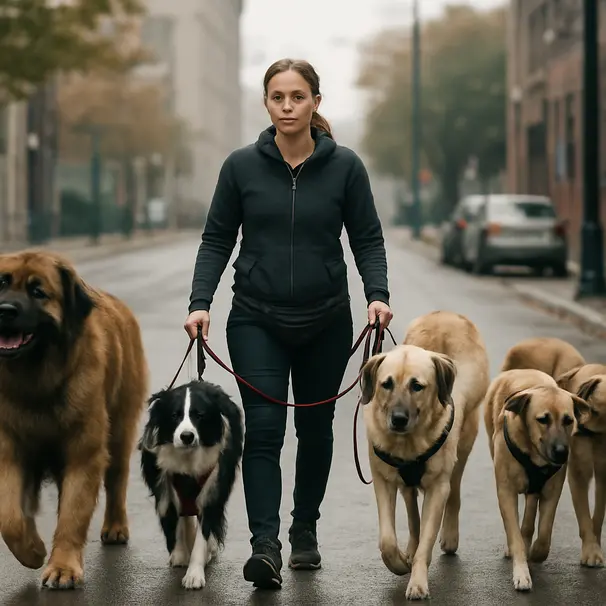
- Look for experience: Seek carers who mention handling large or powerful breeds. Ask about leash skills and how they manage multiple dogs.
- Meet and greet: Arrange an in-person meet before bookings. Watch how the carer approaches your dog and handles basic commands.
- Clear instructions: Provide feeding schedules, exercise needs, preferred walking routes, and emergency contacts. Note any joint or mobility limitations.
- Safety gear: Use sturdy collars or harnesses and keep current identification tags. For strong pullers, a no-pull harness can help the carer maintain control safely.
- Daily updates: Request short messages or photos. Owners appreciate knowing their large dog had a calm walk and some affection while away.
Final thoughts
Big dogs bring big love and responsibilities. From the stately Great Dane to the shaggy Newfoundland, each breed offers a unique personality and set of needs. With thoughtful training, consistent care, and the right carer match on Floofy, living with a large dog is a joyful, rewarding experience. If you’re thinking about adding a giant companion to your life, spend time meeting adults as well as puppies. That helps you see temperament more clearly, and it gives carers and owners a better idea of day-to-day compatibility.
If you notice health concerns or need breed-specific medical advice, consider consulting a veterinarian. For behavior help, a professional trainer or experienced carer can make a big difference. Above all, enjoy the company of these remarkable dogs. Their size may be impressive, but their hearts are often even bigger.