

21 low-shedding dog breeds you’ll love
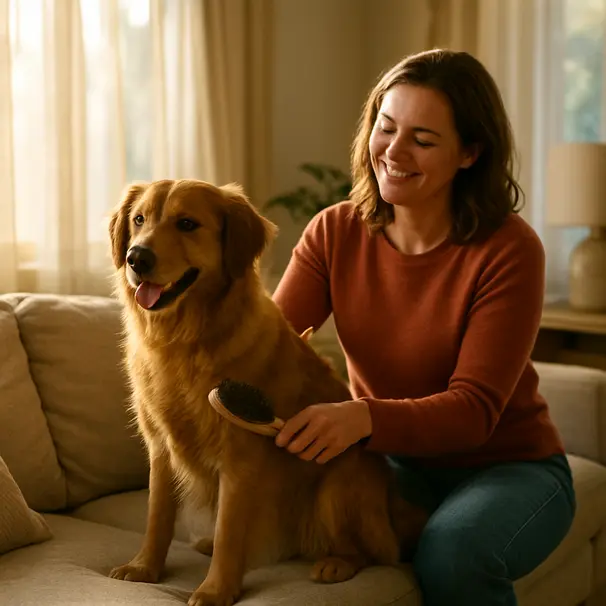
If you adore dogs but dread the tumbleweeds of hair at home, you’re in the right place. Low-shedding breeds can make life easier for busy households, people with mild allergies, and anyone who prefers less vacuuming. Below you’ll find 21 breeds, a little about what makes each one special, and practical advice for grooming, allergy considerations, and finding great carers.
What does “low-shedding” really mean?
Low-shedding doesn’t mean hairless or maintenance-free. Many low-shed breeds have hair that grows differently or stays attached longer before it’s replaced. That often translates to less loose fur floating around your home. Still, most of these dogs need regular brushing, occasional trims, and loving attention to keep their coats healthy. Consider factors like dander, coat texture, and grooming routines when choosing a dog.
Quick tips before you pick a breed
- Think beyond shedding: energy level, size, and temperament matter.
- Meet the dog in person if possible to check for dander and reactions.
- Ask a carer or breeder about grooming frequency and coat care.
- Plan to schedule regular grooming or learn basic at-home trims.
The 21 low-shedding breeds
Below are friendly overviews to help you compare personalities and care needs. I’ve grouped them roughly by size and type so you can scan for what fits your life.
Small breeds
- Bichon Frise
A cheerful, playful companion with a cottony coat. Bichons are people-pleasers, good with families, and adapt well to apartment life. They need regular brushing and professional grooming every 4–8 weeks to prevent mats.
- Maltese
Tiny and elegant, the Maltese has silky hair that rarely sheds. They love lap time and gentle play. Expect daily brushing to avoid tangles and occasional trims around the eyes and feet.
- Shih Tzu
Sturdy little dogs with big personalities. Their long coat sheds minimally but mats easily, so regular combing or a shorter “puppy cut” can be helpful. They thrive on companionship and calm routines.
- Havanese
Friendly and adaptable, Havanese are great with kids and other pets. Their silky coat sheds little, but needs consistent brushing and attention. Many owners enjoy their playful curiosity.
- Miniature Schnauzer
A spirited small breed with a wiry coat that doesn’t shed much. Schnauzers are intelligent and active, so mental stimulation and walks are essential. Hand-stripping or clipping keeps their coat healthy.
Medium breeds
- Poodle (Miniature and Standard)
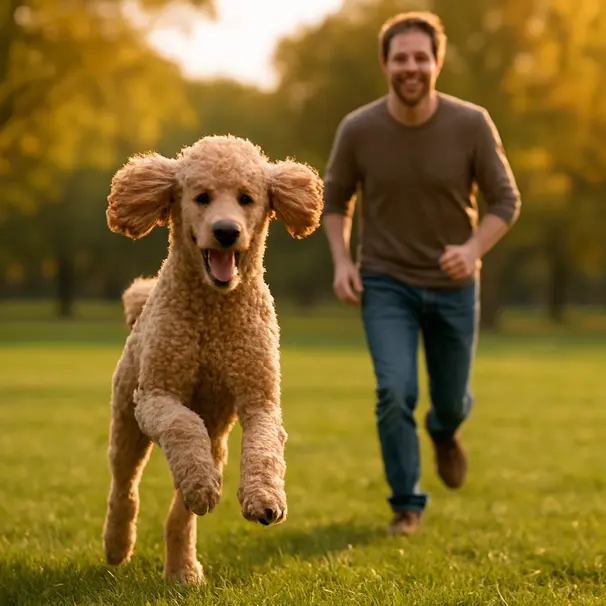
Poodles are famous for low shedding and high intelligence. Their curly coat traps loose hair, but they need regular grooming and trimming. Poodles are active and thrive with training and play.
- Portuguese Water Dog
Built for energy and enthusiasm, these dogs love water and activity. Their curly or wavy coats shed very little but call for routine brushing to prevent tangles. They’re loyal and happiest with an owner who enjoys active time outdoors.
- Soft-Coated Wheaten Terrier
A single-layered, silky coat makes Wheatens a lower-shed option among terriers. They’re friendly and lively, but their coat needs frequent brushing and occasional professional trims.
- Basenji
A sleek, short-haired hound often described as “cat-like” because they groom themselves regularly. Basenjis produce less loose hair but can be energetic and independent, needing lots of mental and physical stimulation.
- Bedlington Terrier
With an unusual lamb-like appearance, Bedlingtons have a curly, hypoallergenic coat that sheds minimally. They’re affectionate and do well with regular grooming schedules.
Large breeds
- Standard Poodle
Bigger than their miniature cousins and equally smart, Standard Poodles make excellent family companions. They need the same grooming commitment—regular brushing and trims—but reward you with loyalty and trainability.
- Giant Schnauzer
A robust guardian breed with a wiry coat that sheds little. They are intense, intelligent, and require firm, consistent training plus daily exercise to keep them happy.
- Airedale Terrier
The largest terrier, Airedales have a dense, wiry coat that doesn’t shed much. They are curious and bold, and do best with active families who can provide mental challenges and outdoor time.
- Kerry Blue Terrier
Known for their blue-gray coat and charming swagger, Kerry Blues are low-shedding but need regular grooming. They’re spirited and form strong bonds with their people.
- Afghan Hound
Surprisingly, despite their flowing coat, Afghan Hounds shed less in the traditional sense because their hair grows continuously. They require a major grooming commitment and lots of patience, but they’re graceful and sensitive companions.
Hypoallergenic and specialty breeds
- Schnauzer mixes (e.g., Schnoodle)
Crosses with Poodles often inherit low-shedding coats and friendly temperaments. Schnoodles can combine Schnauzer spunk with Poodle smarts. Coat types vary, so meet an individual dog for the best impression.
- Labradoodle and Goldendoodle
Bred for friendly temperaments and low-shedding coats, these doodles can be a match for families. Coat types vary from wavy to curly; curly coats usually shed less. Regular grooming is essential.
- Chinese Crested (hairless variety)
The hairless variety has exposed skin with tufts of hair on the head, tail, and feet. They’re a low-shedding choice but need sun protection and skin care. They tend to be affectionate and playful.
- Xoloitzcuintli (Mexican Hairless Dog)
A truly low-shed option, these dogs have minimal or no hair. Their skin needs protection and gentle care. Xolos can be calm, loyal, and attuned to their family’s routines.
- Irish Water Spaniel
With a dense, curly coat, Irish Water Spaniels shed less than many spaniels. They’re energetic swimmers and need consistent exercise and grooming to keep their tight curls healthy.
- Lagotto Romagnolo
A truffle-hunting breed with a curly, woolly coat that sheds very little. Lagottos are affectionate, active, and need engaging tasks to stay happy. Their coat benefits from regular trims and combing.
How to compare breeds for your home
- Activity level: Match a dog’s energy to your lifestyle. Active breeds need more exercise and enrichment.
- Size and space: Larger dogs may need more space and stronger carers for walks.
- Grooming time: Low-shed often means high-groom. Be honest about time or budget for professional grooming.
- Temperament: Social, independent, calm, or protective—pick a personality that suits your household.
Practical grooming and home-care tips
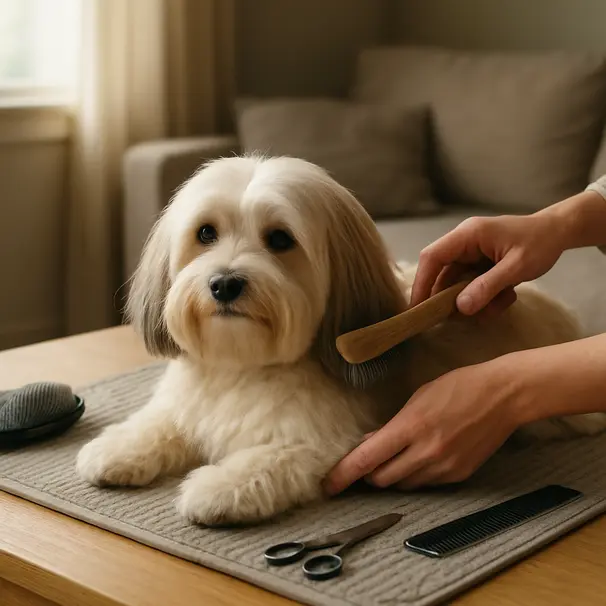
- Establish a routine: A quick brush several times a week can stop tangles and keep hair from settling into furniture.
- Invest in tools: A slicker brush, comb, and de-shedding tool tailored to the coat type can help a lot.
- Bathing: Use gentle, dog-formulated shampoo. Baths can help loosen dirt and loose hair, but don’t over-bathe.
- Professional grooming: Schedule trims for curly or long coats every 6–8 weeks if you want a tidy look.
- Protect furniture: Use washable covers and a good vacuum with a pet-hair attachment.
Allergy considerations
No dog is truly hypoallergenic, but low-shed dogs can reduce the amount of loose hair and dander in your home. If you or someone in the home has allergies, consider:
- Spending time with the breed beforehand to gauge reactions.
- Keeping dog-free zones, like bedrooms.
- Cleaning air filters and vacuuming regularly.
- Consulting medical advice for severe allergies.
Finding trusted pet carers and groomers
If grooming feels daunting, a good carer or groomer can be a lifesaver. Look for:
- References and reviews from other pet owners.
- Clear communication about grooming techniques and pricing.
- A comfortable environment where the dog can relax.
- Certifications or memberships in professional organizations.
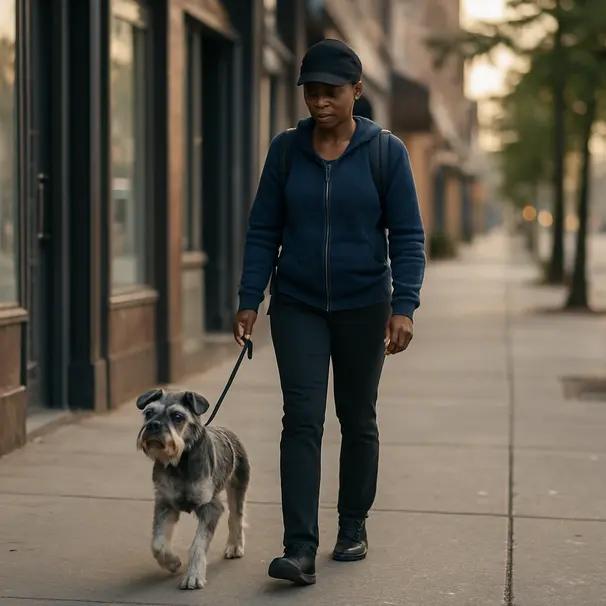
When hiring dog walkers or sitters, ask how they handle coat care, seasonal shedding, and any breed-specific needs. A carer who understands a low-shed coat’s quirks can make life easier for you and your dog.
Preparing your home for a low-shedding dog
- Create a grooming corner: A small mat, brush kit, and treats will make routine care easier.
- Manage expectations: Low-shedding doesn’t mean zero maintenance. Budget time and money for coat care.
- Training: Basic obedience and socialization make grooming and outings less stressful.
- Fostering first: If possible, foster a breed to see how it fits your routine and home environment.
Final thoughts
Low-shedding breeds are wonderful companions for many families, but they still need love, training, and care. Think about energy level, grooming commitment, and how a dog’s personality matches your life. If you plan ahead and work with trusted carers and groomers, you’ll find a furry friend who fits beautifully into your home—without turning it into a fur factory.
If you’d like help choosing between a few breeds or need recommendations for local carers who understand these coat types, Floofy carers are ready and happy to help you meet the right match.