


5 chew-proof dog beds that last
If your dog treats soft furnishings like a personal obstacle course, you already know the struggle. A bed that stands up to chewing can save you time, money, and a few heart-fluttering moments when you find a pillow in pieces. Here’s a warm, practical guide to help you choose a bed that lasts, keep your dog comfortable, and support positive habits that reduce destructive chewing.

Why chew-proof beds matter
Chewing is normal dog behaviour. Puppies explore with their mouths and adult dogs may chew out of boredom, anxiety, or teething discomfort. A chew-proof bed gives you a safer place for your dog to rest, helps protect your floors and furniture, and can create a consistent spot your dog learns to value.
Picking the right bed is part gear hunt, part detective work. You want something tough, but also cozy. Stiff, scratchy materials might survive, but your dog needs a place that feels like a den, a safe place that invites rest.
What to look for in a chew-resistant dog bed
Choosing a bed comes down to a few practical features. Think of it like shopping for hiking boots, only fluffier.
- Heavy-duty fabric: Look for abrasion-resistant covers like ballistic nylon, Cordura, or reinforced canvas. These materials handle teeth better than standard polyester.
- Double-stitched seams and bar-tacked stress points: Weak seams are the most common failure.
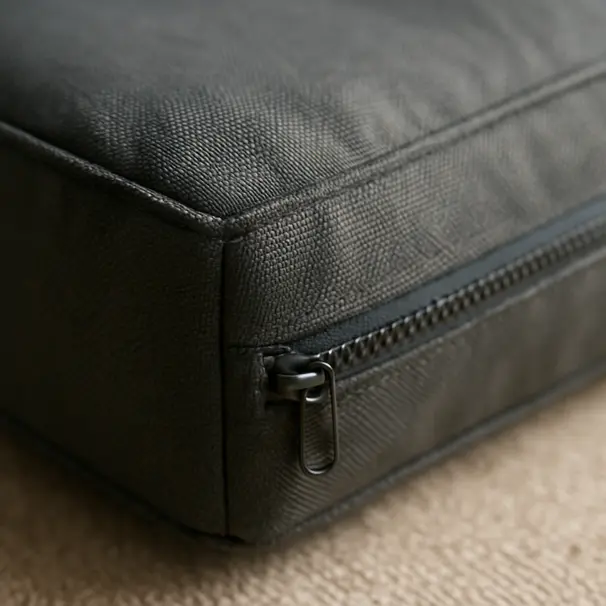
- Zippers with protective flaps or hidden designs: Zippers are a chewing magnet. Choose metal or heavy-duty plastic zippers and cover them with fabric flaps.
- Thick, dense fill: Memory foam or high-density foam resists punctures and provides real support for joints.
- Replaceable covers: If the cover gets chewed, being able to replace it cheaply is a huge win.
- Washability: Removable, machine-washable covers make life easier and encourage frequent cleaning.
H3: Size and shape
Measure your dog from nose to tail while they are curled or stretched how they usually sleep. A bed that is too small invites restless behaviour and may increase the urge to chew. Beds with raised edges can be comforting for dogs that like to rest their heads, but raised rims can be tempting targets for chewers. Balance comfort with durability.
H3: Material trade-offs
Some fabrics are super tough but not as comfortable. Others offer plush coziness but get destroyed fast. For many owners, a good compromise is a dense foam core with a tough outer shell and a softer inner lining or removable blanket for comfort.
Top 5 chew-proof dog beds
Below are five beds that tend to stand up well to serious use. These represent a range of styles and budgets. I’ve included why each one can work for chewers, who it’s best for, and a few things to watch out for.
1. Heavy-duty canvas with reinforced seams
Why it works: Canvas is a stubborn fabric. A bed with a thick canvas cover, extra stitching at the seams, and a protected zipper can shrug off a lot of chewing. Many canvas beds also have a tough inner liner for the fill, which makes punctures less likely.
Best for: Busy households, medium to large breeds, dogs that like to dig or scratch before settling.
Things to watch for: Canvas can be stiff at first. Look for a model with a soft inner liner or a removable fleece top to add comfort.
2. Ballistic nylon travel-style bed
Why it works: Ballistic nylon was designed for durability. Beds that use this material are lightweight, water resistant, and puncture resistant. Many models have welded or bar-tacked seams and zippers that are recessed into the fabric, making them harder to reach with teeth.
Best for: Active dogs, outdoor naps, and homes where you want quick cleaning.
Things to watch for: Ballistic nylon isn’t the plushest surface. Add a washable blanket for extra softness.
3. Tough waterproof cover with dense foam core
Why it works: A waterproof outer shell protects the foam and is usually thicker than standard covers. The dense foam resists deep punctures and offers better joint support. Since the cover keeps moisture out, the bed stays fresher longer.
Best for: Dogs prone to accidents, older dogs needing support, and chewers who don’t mind a firmer surface.
Things to watch for: Some dogs don’t love the slick feel of waterproof fabric. Layer a soft towel or blanket if needed.
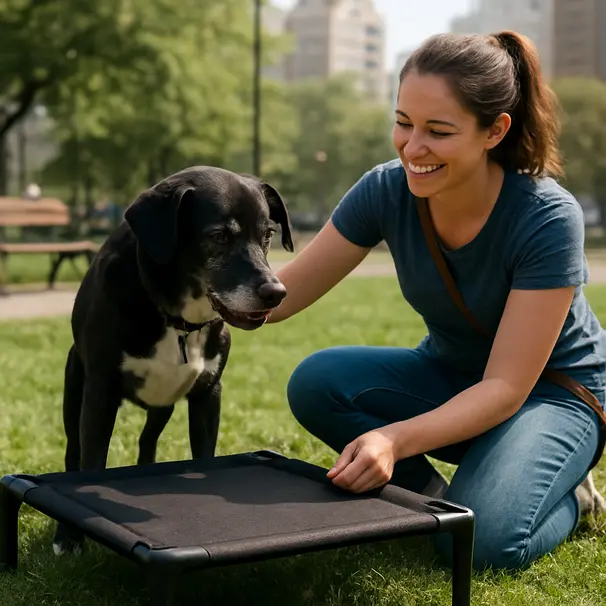
4. Elevated cot with chew-resistant sling
Why it works: Elevated cots keep dogs off the ground and often use a tensioned fabric sling that’s hard to sink teeth into. The metal frame is out of reach, and the fabric is built to handle weight and movement rather than inviting bites.
Best for: Outdoor use, dogs that like airflow under them, and pups who chew stuffing.
Things to watch for: The sling fabric can still be targeted, especially by persistent chewers. Check frame joints and corners for any snag points.
5. Replaceable cover systems
Why it works: Instead of one indestructible bed, choose a well-made foam mattress with a series of replaceable covers. If a cover gets chewed, you swap it out for a new one without replacing the whole bed. This approach is cost effective and practical.
Best for: Owners who want comfort and longevity, dogs who are learning to stop chewing, and people who like a coordinated home look.
Things to watch for: Make sure replacement covers are easy to find and reasonably priced. Keep spares on hand.
How to introduce a new bed to a chewer
Giving your dog a new bed is not only about the product. It’s about building a habit and a positive association.
- Let them sniff it before you set it down. A familiar scent reduces novelty stress.
- Place the bed in a calm, preferred spot, not a new, high-traffic area.
- Toss a few treats or a favourite toy on the bed to encourage investigation.
- Use praise and short, happy training sessions to reward lying on the bed. Keep sessions short and fun.
- If your dog noses or paws at seams, redirect to a chew toy that you approve of and reward them when they choose it.
If chewing continues, swap in safe, interesting chew toys and rotate them so your dog has novelty. Enrichment often reduces destructive behaviour.
Training and enrichment strategies that help
A durable bed only solves part of the problem. Think about why your dog chews and address that too.
- Exercise: A well-exercised dog is less likely to destroy things out of boredom. Short walks and play sessions add up.
- Mental work: Puzzle toys, scent games, and gentle training sessions tire out the brain more than a long walk.
- Supervision and management: When you can’t watch your dog, use a crate or a small, safe room with approved toys and the chew-proof bed.
- Reward calm behaviour: Reinforce lying quietly on the bed with treats and attention.
- Consider professional help: If chewing is severe or tied to anxiety, consider consulting a trainer or a vet. They may suggest strategies or rule out medical causes.
Care and maintenance tips
A tough bed still needs love. Regular cleaning and routine checks extend its life.
- Check seams and zippers weekly for early wear. Repair small tears right away.
- Wash covers according to the manufacturer. A gentle cycle and air drying often keep fabrics in better shape.
- Vacuum foam surfaces to remove hair and debris. If the foam gets wet, air it fully before reassembling.
- Rotate beds or covers: Using two covers alternately can reduce wear and keep one clean while the other is washed.
Small repairs can add months of life. A heavy-duty needle and extra-strong thread can restitch a seam, and fabric glue helps seal small holes. For larger damage, replace the cover rather than the whole bed.
When chewing signals a deeper issue
Chewing that suddenly appears, increases dramatically, or is paired with other changes in behaviour can be a sign of stress, pain, or medical problems. If your dog starts chewing more than usual, think about recent changes in routine, loud noises, new housemates, or health issues.
If you notice weight loss, vomiting, lethargy, or rapid mood shifts, consider contacting your vet. They can help rule out physical causes and suggest behavioural strategies or referrals to a certified behaviourist.
Budgeting for durability
A truly durable bed can cost more up front but may save money over time. Compare the warranty and return policies. Some companies offer chew warranties or free replacement covers for a set period. Factor in replaceable covers and ease of cleaning when you calculate value.
If cost is a concern, prioritize the components: buy the best foam mattress you can afford, and protect it with a simpler replacement cover strategy. Or use an inexpensive base bed and invest in heavy-duty top layers that are cheaper to replace.

Final thoughts and next steps
A long-lasting dog bed is a mix of smart materials, good design, and thoughtful training. Match the bed to your dog’s habits. For persistent chewers, choose durable materials and plan for replaceable covers. Pair the right product with exercise, enrichment, and positive reinforcement to reduce chewing over time.
If you need a hand picking the right bed or introducing it to your dog, Floofy connects you with trusted pet carers who can help. A sitter or trainer can guide your dog through the change, help with enrichment, and offer personalised tips based on your dog’s personality.
A resilient bed is possible, and your home can stay cozy and calm. With a bit of planning and the right tools, you’ll find a bed that keeps your pup comfy and you smiling.
- Quick checklist: choose heavy fabric, double-stitched seams, protected zippers, dense foam, and replaceable covers.
- Try: small training sessions, rotated chew toys, and supervision for early success.
If you want recommendations tailored to your dog’s size and chewing habits, reach out to a Floofy carer. They love gear talk and dog comfort as much as you do.