

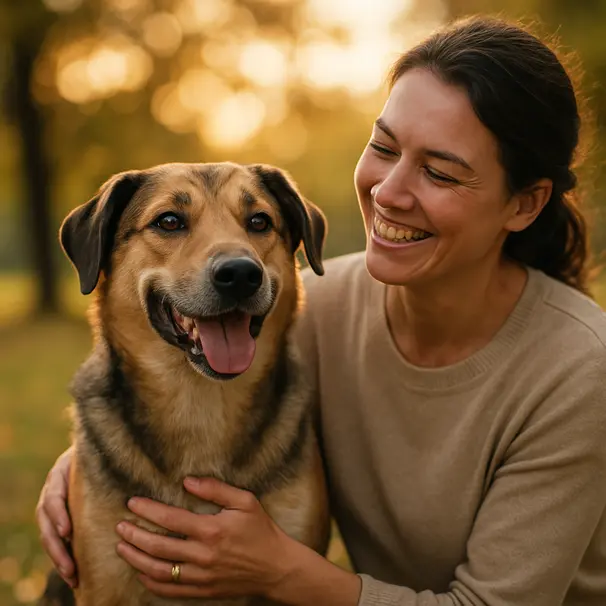
💛 5 heartwarming dog stories of the year
We love a good tail-wagging story, especially the ones that remind us why pets matter so much. This year brought a string of moments that made carers, owners, and the Floofy community smile, pause, and sometimes reach for a tissue. Here are five dog stories that warmed our hearts, with practical takeaways for pet owners and carers who want to create more of those meaningful moments.
1. Luna learns to trust again
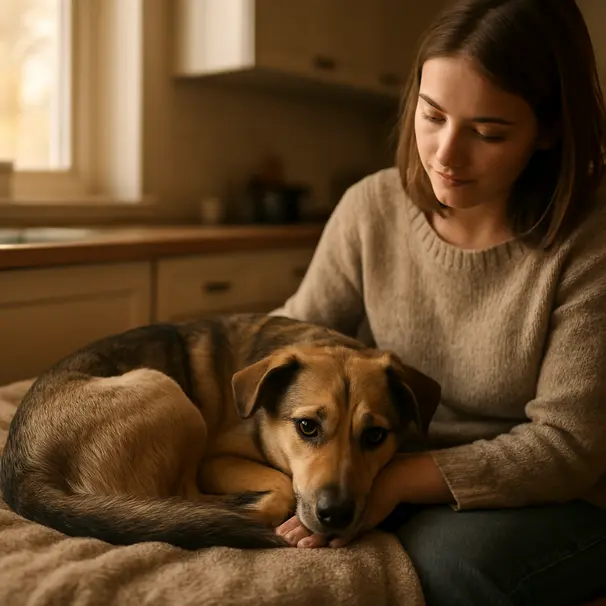
Luna arrived at a local shelter thin, trembling, and shut off from the world. She flinched at sudden movements and avoided eye contact. A foster carer named Maya offered her a quiet corner, gentle touch, and a predictable routine. At first Luna would only come out for short, slow walks. She preferred resting under the kitchen table with a soft blanket.
Over several weeks, Maya built trust by keeping things simple: consistent meal times, short training sessions with soft praise, and enrichment toys to keep Luna’s mind busy. There were setbacks. A loud delivery truck one afternoon sent Luna darting back under the table for a full day. Maya didn’t scold her. She respected Luna’s pace and kept showing up.
One sunny afternoon, Luna chose to sit next to Maya on the sofa, leaning her head against Maya’s knee. That small gesture meant everything. Months later Luna became a permanent family member. She still startles at loud noises, but she now greets visitors with a hesitant wiggle and will take treats from a stranger’s palm.
Practical takeaways
- Patience matters. Trust can grow slowly, so celebrate small wins.
- Create consistency. Regular feeding, walks, and quiet time can help nervous dogs feel secure.
- Use low-pressure enrichment. Puzzle toys and scent games may encourage confident choices without forcing interaction.
- Consider helping owners or fosters find a behaviorist for long-term anxiety, and encourage consulting a vet if symptoms are severe.
2. Max the city pup finds his stride
Max was a lively terrier puppy adopted by a new couple who lived in a busy part of the city. At first, Max barked at scooters, lunged toward other dogs, and pulled on the leash. The couple wanted to help, but they felt overwhelmed.
They found a trusted dog walker through Floofy, a local carer named Javier who specializes in socialization for young dogs. Javier started with short, structured outings during quieter times of day, focusing on positive reinforcement. He carried high-value treats, paused at a comfortable distance from noise or other dogs, and asked the couple to reward calm behavior at home.
Within weeks Max began to respond on walks, pausing when Javier stopped, checking in with eye contact, and learning a polite heel. The couple kept practicing at home, and Max’s confidence grew.
Practical takeaways
- Gradual exposure helps. Start with quieter walks and slowly introduce more distractions.
- Reward calm choices. Treats given at the right moment can mark the behavior you want to see.
- Partner with experienced carers. A skilled walker or trainer can offer structure and a calm presence during practice.
- If leash reactivity is a pattern, consider a professional consultation rather than trying every new trick at once.

3. Rosie, the senior who rediscovered joy
Rosie the golden retriever was 11 when her owner moved into assisted living. The family worried about finding the right new home for her. Enter a retired couple two streets over who had loved dogs forever but were hesitant because of Rosie’s age.
The couple decided to meet Rosie through a Floofy sitter who arranged a few short visits first. During those visits they discovered Rosie loved slow walks, gentle massages, and naps in sun patches. The couple adopted her. They learned to adjust the day for a senior dog: shorter, gentler walks, softer bedding, and extra brushing for comfort.
Rosie now naps by the window and still gets excited at dinnertime. The couple makes small adjustments, like rubber mats on slippery floors and an extra reminder to check gums and joints at vet visits. Those changes may help her stay comfortable and active.
Practical takeaways
- Seniors thrive with routine and gentle care.
- Small home modifications can make a big difference for mobility and comfort.
- Keep up with vet checks and be open to adjustments in diet or activity, and always consult your vet for specific health concerns.
- Sitter visits are a great way to test compatibility before adopting or rehoming a senior dog.
4. The dog daycare that became a second family
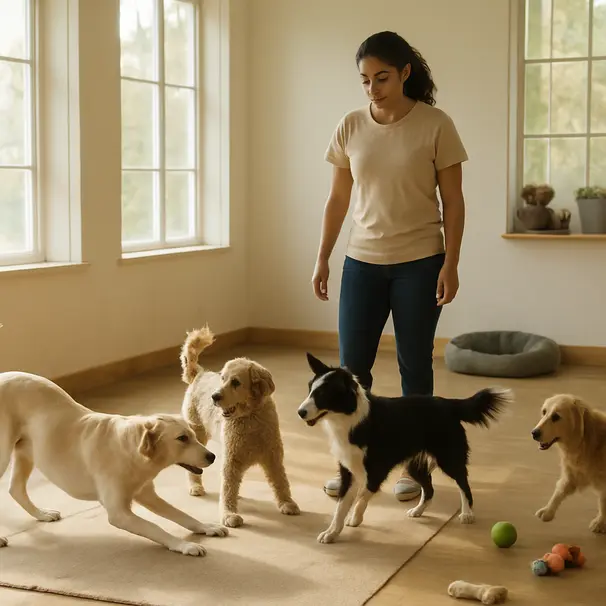
A small neighborhood dog daycare started as a weekend service for busy professionals. Over time it became more than a convenience. The carers noticed that the same shy Labradors and excitable spaniels showed consistent improvement in behavior after repeated, structured play sessions.
One dog, Benny, had a habit of being shy and guarded around new people. The daycare staff used predictable schedules, matched play styles by temperament, and used calming cues like soft music and low lighting in quiet spaces. Benny began to trust staff, then other dogs. His owner noticed he was more relaxed at home after daycare days.
A couple of challenges popped up. Some dogs needed more individualized attention than group play offers. Staff worked with owners on at-home follow-through, recommending specific toys and games to reinforce calm choices. The daycare also kept communication open with owners through daily notes and photos.
Practical takeaways
- Group socialization can be powerful when supervised and tailored.
- Clear communication between carers and owners helps with continuity and expectations.
- Not every dog thrives in group settings, so look for carers who offer assessments and alternatives.
- Regular, positive early experiences at daycare can build social skills and reduce stress at home.
5. A small act of kindness becomes a rescue
One rainy evening, a passerby noticed a soaked, shivering dog near a bus stop. The passerby posted a photo to a local Floofy group hoping someone recognized the dog. Within an hour, a nearby carer responded, picked up the dog with towels and a warm blanket, then contacted local rescue partners.
It turned out the dog had slipped out of a yard and been missing for days. The original owner had been searching desperately. Reunited and warm, the dog—now nicknamed Sunny—got a vet check, a bath, and a tidy bandana from volunteers. That small chain of caring people, using community tools and a calm approach, made the reunion possible.
Practical takeaways
- Community networks can be lifesavers. Sharing clear photos and locations can reunite lost pets faster.
- Keep a recent photo and microchip info handy, and consider keeping a spare collar with ID on your dog during outings.
- If you find a lost dog, offer warmth and safety, then check for tags and try to contact local groups.
- Always consider a vet check for found dogs, and encourage owners to consult their vet for follow-up care.
How carers and owners can create more heartwarming moments
These five stories share one common thread, a mix of patience, consistent care, and small thoughtful choices. Here are practical ways to encourage more of this in everyday life.
- Match energy and needs. Dogs have different activity levels. Match a carer’s style to a dog’s needs for calmer transitions and fewer surprises.
- Keep communication honest and kind. Carers who leave clear notes, photos, and feedback help owners feel connected. Owners who share preferences, health notes, and quirks help carers do a better job.
- Celebrate small wins. A five-second calm on the walk, choosing to sit with a stranger, or taking a new treat can be big steps for shy dogs.
- Build predictable routines. Dogs often feel safer with regular meal times, walks, and rest. Even small routines can reduce stress.
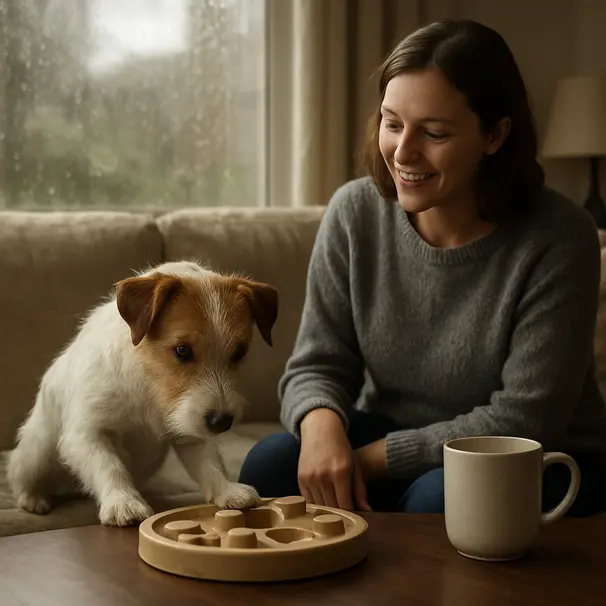
- Use enrichment to bond. Puzzle feeders, scent games, and gentle training can strengthen trust and reduce boredom.
- Plan transitions with care. Rehoming, fosters, and boarding can be stressful. Gradual meet-and-greets and trial stays help dogs and people adjust.
- Seek professional help when needed. Trainers, behaviorists, and vets can offer guidance. Use safe language like consider and may when exploring options, and consult your vet for health-related concerns.
Final thoughts
Every dog story has its own tempo. Some unfold in days, others take months or years. The common denominator is people showing up, with patience and joy. If you’re a pet owner, a carer, or both, these stories are reminders that small acts can ripple into lasting change. Offer patience, share good notes, and lean on your community. The next heartwarming dog story might start with you.