

Why so many cats avoid water
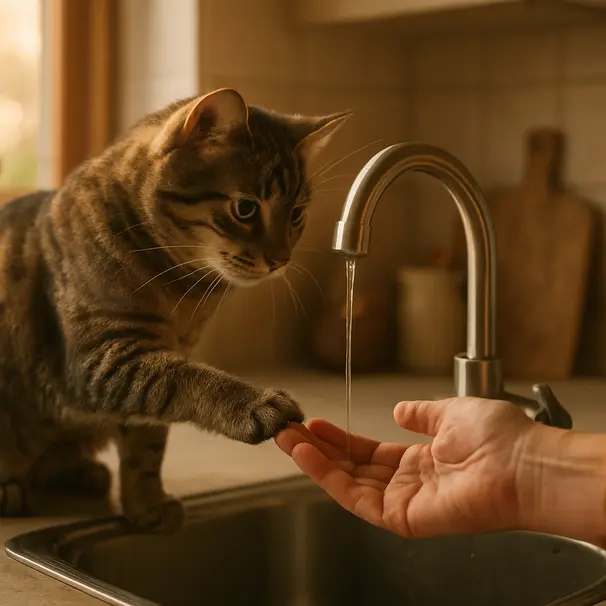
Most cat owners have seen the look: widened eyes, a quick hop away, or a dramatic sprint the moment a faucet drips. It’s easy to laugh at the theatrics, but there are solid reasons behind that reaction. Understanding what’s going on can help you make baths, grooming, and incidental splashes less stressful for both of you.
Five common reasons cats hate water — and gentle ways to help
Below are five big reasons cats dislike water, followed by practical suggestions you can try at home or incorporate into your care routine.
1. Evolution and lack of necessity
Cats evolved in arid regions where swimming and soaking weren’t part of daily life. Their ancestors didn’t need to be in water to hunt or survive, so the instinct to avoid it stuck. Domestic cats kept much of that behaviour.
Practical tip: Accept that not every cat will love water. Focus on making the experience calm and purposeful. Use short, low-pressure introductions instead of expecting enthusiasm overnight.
2. Fur, insulation and temperature sensitivity
A wet coat behaves very differently. Water changes a cat’s fur weight, insulation and drying time. Wet fur can leave a cat feeling cold or uncomfortable. For long-haired breeds, water may cling and mat, which is unpleasant.
What can help:
- Keep water warm but not hot. Lukewarm feels safest. Consider testing the temperature yourself.
- Use a gentle, cat-safe shampoo only when necessary. Overbathing can strip natural oils and increase discomfort.
- For long-haired cats, regular brushing reduces mats and the need for messy wet baths.
3. Sensory overload from sound and sensation
Water running, splashing and the feeling of liquid on the skin can be intense. Cats have sensitive whiskers and skin, so the unfamiliar sensations and sudden sounds may trigger anxiety.
What can help:
- Reduce noise by turning off loud background sounds and using a quiet, steady trickle or a damp cloth for spot cleaning.
- Try sponge baths or using damp towels to clean paws and dirty patches instead of full immersion.
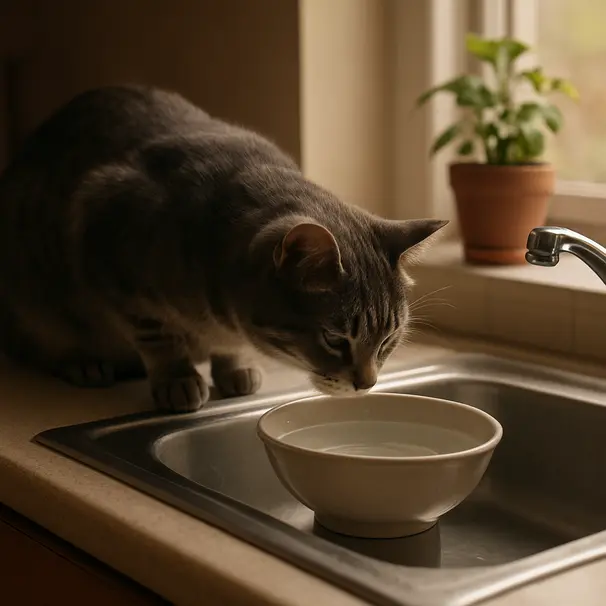
- Let your cat investigate a shallow bowl of still water first, rather than blasting them with a shower.

4. Loss of control and vulnerability
Being wet often means losing traction, which makes movement harder. A slippery surface or the inability to escape quickly can make a cat feel trapped and vulnerable. That loss of control is a big driver of fear.
What can help:
- Always let the cat choose their exit route during any water practice. Never block their escape.
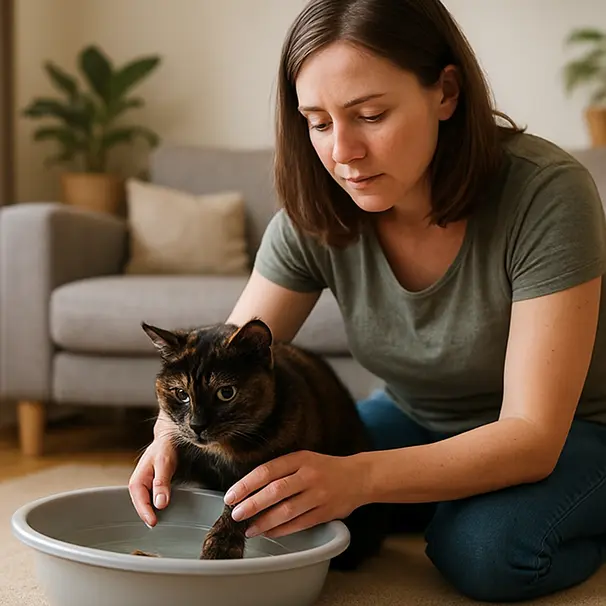
- Keep one hand free to steady, and let their paws touch secure surfaces like a towel-lined sink.
- Offer perches and safe spaces near water so they can retreat if needed.
5. Bad early experiences and learned aversion
Like people, cats learn from experience. A single frightening bath, a hissed attempt by an untrained helper, or a cold, rushed rinse can become a lasting memory. Over time, the cat may associate any water with stress.
What can help:
- Rebuild trust with short, positive sessions. Reward calm behaviour with treats, soft praise, or a favourite toy.
- Never force a cat into water. That confirms their worst fears, and unlearning fear is slower than building trust.
- If a cat had an upsetting medical procedure involving water or bathing, consult your vet and consider professional groomers or carers experienced in fearful cats.
How to help — a step-by-step, cat-friendly approach
If you need to introduce your cat to water gently, follow a paced plan. Patience is the key. This method can help cats who need occasional baths or those who might face a vet visit, grooming session or accidental soaking.
Step 1: Create a calm environment
- Pick a quiet, warm room with minimal foot traffic.
- Close doors and turn off noisy appliances.
- Lay out all supplies in advance: towels, a non-slip mat, a shallow basin or sink, a cup for rinsing, and cat-safe shampoo if needed.
Step 2: Familiarize without forcing
- Let your cat inspect the empty tub or sink while it’s dry. Reward curiosity with treats.
- Put a shallow bowl of water and a floating toy nearby so they can approach at their pace.
Step 3: Gradual introduction to moisture
- Replace the toy bowl with a slightly damp towel. Offer it as a comfortable surface. When the cat is okay with that, try gently patting the towel against a paw to introduce the sensation.
- Move on to using a cup to pour a thin ribbon of warm water onto your hand, then let the cat sniff and lick your hand if they want.
Step 4: Short, shallow washes
- If a real bath becomes necessary, keep water shallow, under the cat’s belly. Use a non-slip towel on the sink bottom so paws feel secure.
- Speak softly, move slowly, and rinse gently using a cup rather than a spray when possible.
Step 5: Drying and reward
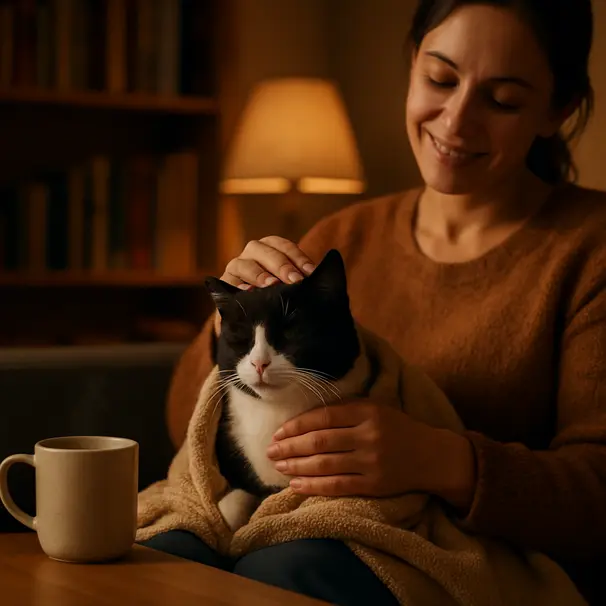
- Wrap your cat in a big, warm towel and pat gently. Some cats tolerate low-heat blower drying, but many do not. Observe your cat’s comfort level.
- Praise and give a tasty treat or play session afterwards so the overall experience can gain positive associations.
Alternatives to full baths
Not every messy moment requires a soak. Try these options first:
- Spot-clean with a damp cloth or pet wipes made for cats.
- Use waterless or dry cat shampoos that absorb oils and dirt.
- Regular grooming and brushing reduce oil buildup and shedding, which lowers the need for bathing.
If a cat has skin issues, always consult a vet before trying medicated products or frequent baths. Your vet can advise safe schedules and products.
Practical bath checklist
- Room temperature comfortable for a damp cat.
- Lukewarm water, shallow level.
- Non-slip surface like a towel or rubber mat.
- Cat-specific shampoo, diluted if recommended by your vet.
- Plenty of towels and a quiet drying spot.
- Treats and patient helper if needed.
Dos:
- Do move slowly and talk softly.
- Do keep sessions short and predictable.
- Do stop if the cat shows severe distress and try again later.
Don’ts:
- Don’t force full immersion or hold a cat down.
- Don’t use human shampoos or scented soaps.
- Don’t scold a cat for trying to escape; that increases fear.
Tips for pet carers and groomers
If you’re a pet carer working with cats who dislike water, your approach matters. Owners count on you to keep cats safe and calm, so follow these pointers:
- Communicate with owners about grooming preferences and medical history before any bath.
- Ask about previous water experiences. A single bad bath can shape behaviour.
- Offer alternatives like sponge baths or professional groomers experienced with fearful cats.
- Watch for stress signals: flattened ears, wide pupils, tail lashing, growling or frantic attempts to flee. Those are cues to stop and regroup.
- Use low-stress handling: soft voice, minimal restraint, and calm movements. If a cat is reactive, recommend splitting sessions into many short visits rather than one long event.
When to ask for professional help
Sometimes a cat’s reaction to water is extreme, or there’s a medical reason for grooming. Consider professional help when:
- Your cat needs a medicated bath prescribed by a vet.
- Fur is severely matted and requires special de-matting tools or sedation.
- Your cat shows signs of extreme anxiety or aggression that make bathing unsafe.
A qualified groomer or veterinary clinic will have the tools and experience to manage fearful cats safely. If you’re unsure, ask your vet for recommendations and consider having a familiar person stay with the cat before and after the appointment.
Building tolerance over time — patience and tiny wins
What really helps is consistency and kindness. Small, calm moments build trust faster than big, dramatic attempts to “fix” a fear.
- Celebrate micro-successes: sniffing a towel, stepping into a shallow basin, or accepting a paw wipe.
- Keep sessions short and positive. End on a good note so the cat remembers the calm parts more than the scary ones.
- Use play, treats and affection as rewards, but read your cat’s signals. Some cats prefer quiet praise over food rewards.
Final thoughts for owners and carers
Cats don’t hate water out of spite. Their bodies and instincts give them very good reasons to avoid it. With understanding, patience and a few practical techniques, you can make grooming and incidental water exposure kinder and less traumatic. If you’re ever unsure, talk to your veterinarian or a trusted professional groomer. They can help you choose the right approach for your cat’s personality and health.
Remember: progress can be slow, and that’s okay. A steady, respectful approach will build more trust than a rushed bath. Celebrate small wins, stay calm, and your cat will appreciate the care in their own, feline way.