


5 reasons to love Rottweilers
Rottweilers have a way of turning heads, but spend five minutes with one and you’ll see why people fall hard for them. They combine size with a soft spot, protectiveness with a goofy streak, and a working-dog drive with real family devotion. If you’re curious about the breed or already share your life with a Rottie, here are five warm, practical reasons to love them, plus tips for caring, training and finding trusted carers who appreciate what these dogs bring to a home.
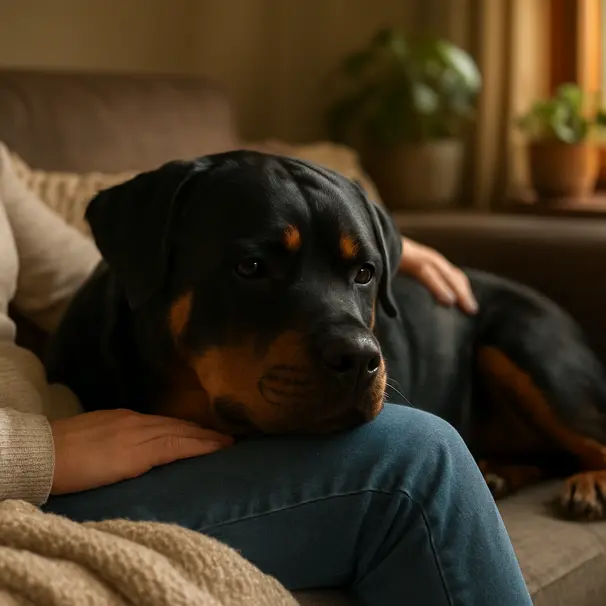
1. Deep loyalty that feels like family
Rottweilers often attach closely to their people. That loyalty can show up as a calm presence at your feet, a watchful eye when guests arrive, or a gentle nudge when they want attention. For many owners, a Rottie becomes less of a pet and more of a constant companion who seems to know moods and routines.
Practical tips for building a healthy bond
- Spend consistent one-on-one time. Short daily routines, like a morning walk or an evening cuddle session, reinforce connection.
- Use positive reinforcement. Praise and treats work wonders for Rottweilers; they respond well to consistent, kind feedback.
- Create rituals. A simple feeding-and-walk pattern helps them feel secure and predict what comes next.
If you’re introducing a Rottweiler into a household, take time with introductions to family members and other pets. Calm, structured meetings help their trust grow without stress.
2. Calm confidence—you can feel safe and relaxed
Rottweilers were bred to herd and pull carts, and that practical history gave them an even temperament. Many have a steady, confident presence rather than hyperactivity. That doesn’t mean they’re lazy, but their energy tends to be focused and controlled.
How this helps in daily life
- They often make excellent watchdogs without being overly nervous.
- Their calmness can soothe anxious humans and other pets.
- In mixed households, their predictability makes routines easier to manage.
Tips for encouragement
- Socialise early and often. Meeting friendly people, dogs and new environments helps maintain that composed outlook.
- Encourage measured play. Games that reward gentle behaviour, like slow fetch sessions, reinforce calm energy.
- Consider structured outlets. A brisk walk or a short training session can release excess energy in a controlled way.
3. Smart, eager-to-learn personalities
Rottweilers are surprisingly bright. They pick up cues quickly and usually enjoy tasks. That intelligence makes them great companions for teaching tricks, working in canine sports, or learning everyday manners. A mentally engaged Rottie is a happy Rottie.
Training tips that actually work
- Keep sessions short and fun. Ten to fifteen focused minutes several times a day beats one long push.
- Mix commands with games. Add toy rewards, puzzle feeders or short scent games to keep training lively.
- Reward progress. They thrive on praise and a clear sense of success.
For trick training or obedience, positive methods and consistency are key. If you run into stubborn spots, consider a class or a trustworthy local carer who can help practice routines. Floofy carers often bring fresh energy and consistency, especially for busy owners.

4. Versatility—work, play and companionship
Rottweilers wear many hats. They shine in active roles like agility and tracking, enjoy leisurely family walks, and make excellent therapy or support dogs in the right hands. Their size and strength can be impressive, but many Rotties are gentle giants who love playtime and kids.
Matching activities to temperament
- For energetic dogs, add hiking, pulling a cart, or carefully managed weight-pull activities to channel strength safely.
- For families, supervised play with children helps everyone learn boundaries and build trust.
- For quieter dogs, enrichment at home like scent games or treat-dispensing toys can keep their minds sharp.
Safety and structure
Rottweilers do best with clear rules and regular exercise. Consistent leadership helps them feel comfortable making good choices. If you need extra hands, book a trusted carer for a long walk or an energetic play session. Many carers have experience with larger breeds and can offer tailored exercise that fits your dog’s needs.
5. Big heart, big personality
If you meet a Rottweiler at rest, they might seem stoic. Then they’ll do something unexpectedly silly, like flopping onto their back for belly rubs or prancing when they’re excited. Their personality ranges from dignified to downright goofy, and that contrast is part of the charm.
Practical ways to nurture that joyful side
- Celebrate quirks. Let them show personality through safe, fun activities.
- Keep grooming a bonding time. Brushing, gentle handling of paws and ears, and calm tooth care sessions build trust.
- Offer varied toys. Rotate chew toys, plush toys and puzzle feeders to keep them engaged.
Health and care considerations
Rottweilers are robust, but like all breeds they might have breed-specific health predispositions. Avoid making medical claims. Instead, consider regular vet check-ups and ask your vet about best practices for joint health, weight management and dental care. A well-maintained diet, regular exercise and a watchful eye can help your Rottweiler stay active and comfortable.
Training and socialisation advice
Start socialising puppies early. Introduce new people, pets and places in small, positive steps. For adult Rottweilers that need more confidence in new situations, slow exposures combined with rewards can help. If you’re unsure how to approach a training challenge, working with a certified trainer or an experienced carer can be a great investment.
Practical grooming and day-to-day care
- Coat care: Rottweilers have a short double coat that benefits from weekly brushing. This keeps hair under control and gives you a chance to check skin and coat condition.
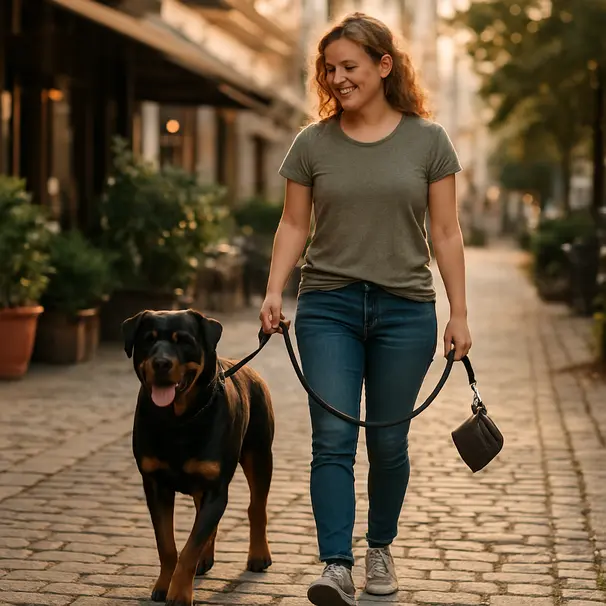
- Exercise: Aim for daily activity that matches their age and temperament. Short, focused sessions plus one longer walk often strike a good balance.
- Feeding: Choose high-quality food and measure portions to maintain a healthy weight. Sudden diet changes can upset sensitive stomachs, so consider gradual transitions and consult your vet for tailored advice.
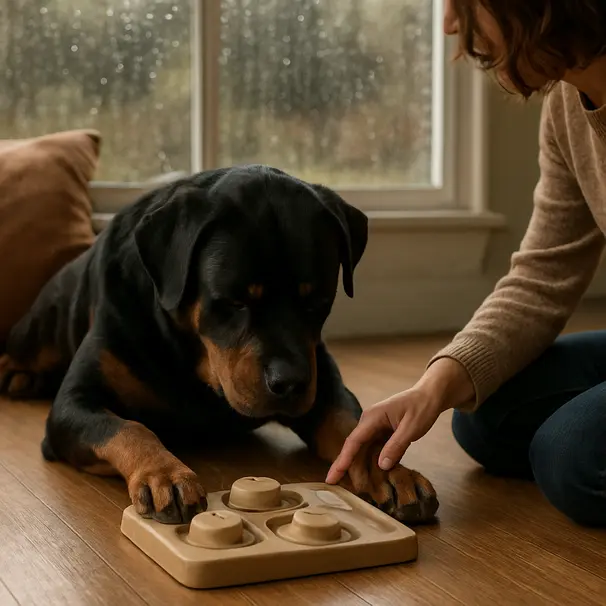
- Mental enrichment: Puzzle toys, basic obedience games and short scent trails at home can keep their clever minds busy.
Finding trusted carers and help
Rottweilers do best when care routines are consistent. If you need help, look for carers who have experience with large breeds. Good carers will:
- Ask about your dog’s routines and preferences.
- Respect training cues and use positive reinforcement.
- Offer clear communication about walks, meals and any notable behaviour.
On Floofy, search for carers who mention experience with Rottweilers or similar breeds. Ask for references and chat about how they handle leash control, greeting strangers and working with strong dogs. A short meet-and-greet is a great way to see how your dog reacts to a potential carer.
Common myths, gently corrected
- Myth: Rottweilers are naturally aggressive. Many are calm, loving family members who respond well to consistent training and socialisation.
- Myth: They’re all high-energy. While they need regular exercise, many enjoy balanced activity and chill time just as much.
- Myth: They don’t do well with children. With proper introductions and supervision, they can be wonderful family dogs.
Every dog is an individual. Breed tendencies give clues, but attention, patience and thoughtful care shape behaviour.
Final thoughts: love with responsibility
Rottweilers give a lot of themselves. Their loyalty, intelligence and affectionate nature make them wonderful companions for owners who can match their needs with consistent care. If you’re thinking about welcoming one into your home, plan for early socialisation, steady training and reliable exercise. If life gets busy, find a Floofy carer who understands large-breed needs and can keep routines steady.
Their size may surprise some people, and their hearts will surprise anyone who underestimates them. With the right home, a Rottweiler’s love becomes part of the family fabric—faithful, warm and often a little playful. If you already live with a Rottweiler, celebrate the small moments: the head on your knee, the careful watch at the window, the sudden sprint just for joy. Those are the reasons we fall in love.
If you’d like, browse Floofy for carers experienced with Rottweilers, or post a short description of your dog and what help you need. A good match makes all the difference.