

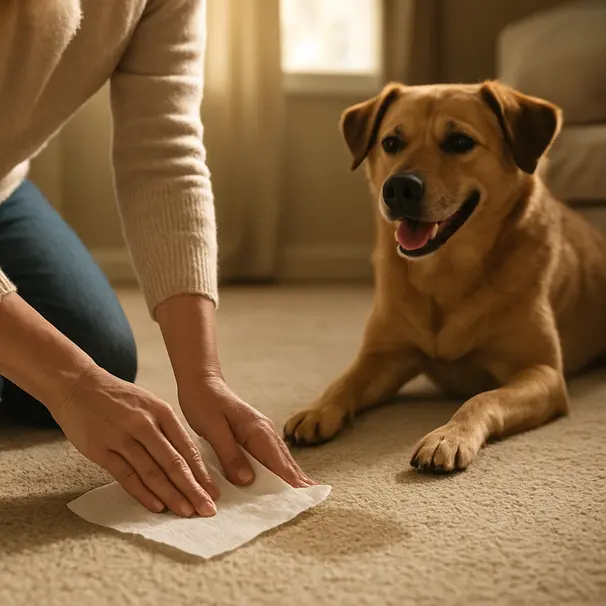
5 ways to remove dog pee smell at home
Accidents happen. A familiar warm spot on the carpet, a puddle on the kitchen tile, or a damp dog bed left overnight — all of it can leave an odor that hangs around longer than anyone wants. The good news is you don’t need fancy equipment or toxic chemicals to get your home smelling fresh again. Below are five friendly, practical approaches that pet owners and carers can use, plus tips to prevent repeat incidents.
Quick response: act fast and blot, don’t rub
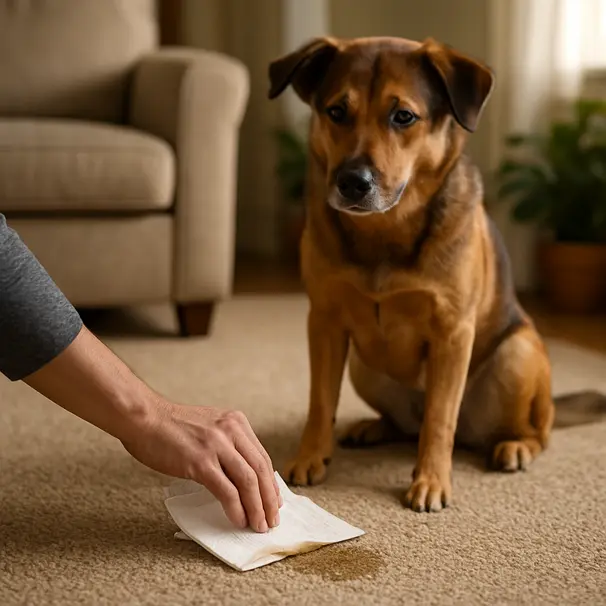
Speed is your secret weapon. Fresh urine is much easier to remove than a dried stain and smell. If you catch the accident soon after it happens, follow these steps:
- Put on gloves if you prefer, then blot with paper towels or a clean cloth to soak up as much liquid as possible. Press gently, lift, repeat. Avoid scrubbing, which can push urine deeper into fibers.
- For hard floors, mop up with a mixture of warm water and a mild detergent. For tiled areas, rinse with plain water afterward.
- For carpets and rugs, blot and then follow with one of the deeper cleaning methods listed below.
If the smell lingers after blotting, don’t worry. Fast action reduces spread and makes the next steps far more effective.
Use an enzymatic cleaner: nature’s odor eliminator
Enzymatic cleaners are a go-to for many pet owners because they’re built to break down the proteins in urine that cause lingering smells. These cleaners contain beneficial enzymes and bacteria that feed on the organic material, helping remove the source of the odor rather than just masking it.
How to use enzymatic cleaners effectively:
- Blot the area first to remove excess moisture.
- Follow the product instructions. Most recommend saturating the spot so the enzymes can reach all layers of the carpet or fabric.
- Give it time. Enzymes usually need several hours to do their work. Covering the spot with a damp towel can help keep the area moist and active.
- If the accident soaked through to the padding or subfloor, you may need professional steam cleaning or to replace the padding.
A few safety notes: always test the cleaner on an inconspicuous spot first. Keep pets and children away from the area until the product has fully dried. Enzymatic cleaners may be labeled for pet messes specifically, and these are usually the safest bet.
Vinegar and baking soda: a simple home remedy that can help
If you prefer household options, white vinegar and baking soda can help neutralize odor and lift stains. This approach is particularly handy for small accidents or as a follow-up after blotting.
A reliable method:
- Mix one part white vinegar with one part warm water. Pour or spray a small amount onto the affected area. Vinegar helps neutralize ammonia in urine.
- Blot with a clean cloth until mostly dry.
- Sprinkle baking soda over the area and let it sit for several hours or overnight. Baking soda absorbs lingering smells.
- Vacuum the baking soda thoroughly.
A few cautions: don’t mix vinegar with hydrogen peroxide or bleach, as that can create harmful fumes. Also, vinegar can affect some natural fibers or finishes, so test a hidden area first. This method may reduce smell, but enzymatic cleaners often do a better job at removing the odor source.
Laundry rescue for soft items: dog beds, blankets, and removable covers
Soft items like dog beds, blankets, and removable cushion covers are often easier to treat because they can go in the wash. Treating these promptly can keep your home smelling fresher overall.
Steps for washable items:
- Pre-soak: If the item is heavily soiled, rinse or soak in cold water to remove excess urine before washing.
- Pretreat: Apply a pet-safe enzymatic spray or a diluted vinegar solution to the urine spot and let it sit for 10 to 30 minutes.
- Wash in the hottest water safe for the fabric with a gentle detergent that’s pet-friendly. Add half a cup of white vinegar to the rinse cycle to help neutralize odors.
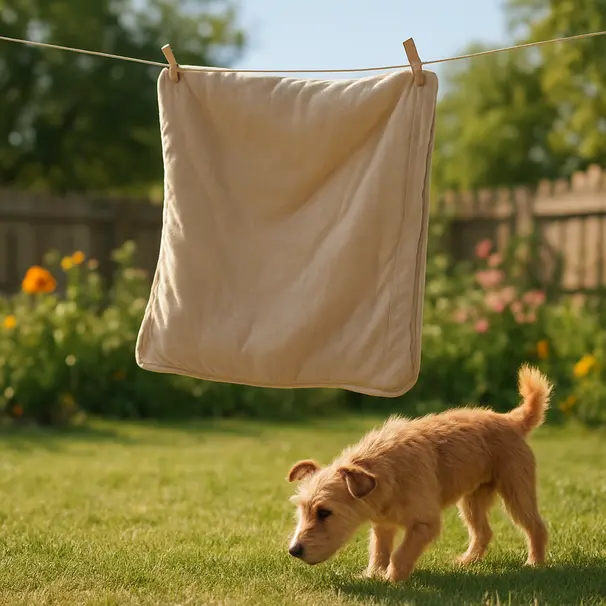
- Sun-dry if possible. Sunlight can help freshen fabrics and reduce residual smells.
For items that can’t be machine-washed, consider a professional cleaner or follow spot-cleaning instructions carefully. Always check care labels and avoid high heat if the manufacturer warns against it.
Deep-clean carpets and rugs: steam, shampoo, and professional help
For carpets and area rugs, deeper cleaning may be necessary if the smell has soaked in. If you rent a carpet cleaner or use a carpet shampooer, it can make a big difference.
At-home carpet cleaning tips:
- Pretreat stains with an enzymatic cleaner. Saturate the area so cleaners can reach the backing.
- Use a carpet cleaner with pet-safe solution, and follow the machine’s instructions.
- Run a couple of passes and make sure to remove as much moisture as possible, since lingering dampness can encourage odors.
When to call a pro:
- The pee smell returns after cleaning.
- The urine soaked into the padding or subfloor.
- You’ve tried spot treatments and the smell persists.
Professionals can use industrial equipment and may replace carpet padding if necessary. That can be especially helpful in older homes or with repeated accidents.
Safe chemical options and a word on hydrogen peroxide
You may see DIY recipes using hydrogen peroxide, dish soap, and baking soda. These can sometimes work, especially on light-colored carpets. If you try them, test a hidden area first. Hydrogen peroxide is a mild bleach and can lighten fabrics.
General safety tips:
- Don’t mix cleaning chemicals unless you’re sure they’re safe together. Mixing bleach and ammonia, or bleach and vinegar, can produce dangerous fumes.
- Keep pets away until surfaces are dry and products have dissipated.
- Read labels for pet safety and ventilation guidance.
If you’re unsure, reach for an enzyme cleaner labeled for pets. They’re usually formulated to be safe around animals when used as directed.
Preventing repeat accidents: a mix of training, routine, and environment
Removing the smell is one part. Stopping future accidents is the other. Dogs are creatures of habit, and small changes often make a big difference.
Practical prevention tips:
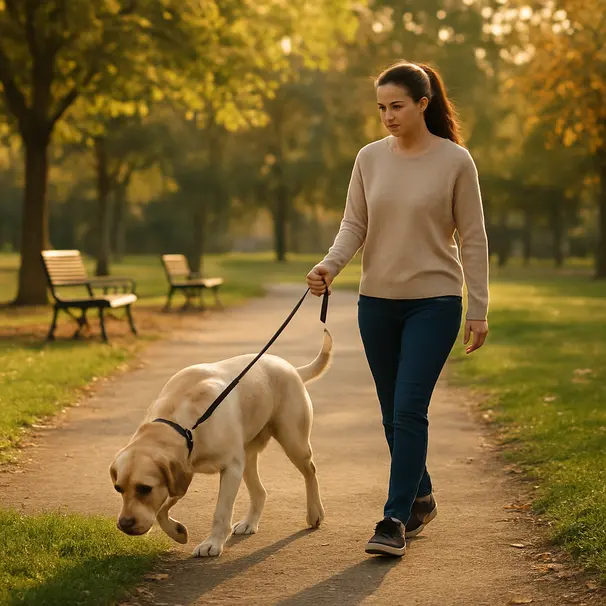
- Regular bathroom breaks: Frequent, predictable opportunities to go outside reduce the chance of indoor accidents. This matters for young dogs, seniors, and dogs with medical issues.
- Watch the signs: Sniffing, circling, backing up, or going to a particular spot can signal an upcoming accident. Intervene calmly and take them outside.
- Use crate or confinement time thoughtfully: For dogs tolerant of crates, supervised confinement helps reduce unsupervised accidents, and it’s useful for housetraining.
- Positive reinforcement: Praise and treats for outdoor pottying help dogs learn where it’s okay to go.
- Clean thoroughly after accidents: If a spot smells faintly like urine, dogs may return to it. Proper odor removal reduces repeat marking.
Consider consulting a trainer or vet if accidents are frequent. Sometimes behavior, stress, age, or medical conditions like urinary infections or incontinence play a role. A vet can help rule out health causes, and a trainer can assist with targeted housetraining strategies.
Safety for pet carers and shared spaces
If you’re a pet carer entering other people’s homes, taking a gentle, respectful approach to cleaning is important. Ask about any preferred products, allergies, or scents. Some clients prefer unscented or eco-friendly cleaners, while others want professional-grade solutions.
Helpful carer habits:
- Carry a small kit: enzymatic spray, paper towels, gloves, and a towel for quick response.
- Communicate: Let pet owners know what happened and what you used. Transparency builds trust.
- Avoid harsh chemicals: Many homeowners and pets react poorly to strong fragrances or ammonia-based cleaners.
These small practices keep both pets and owners comfortable and protect your reputation as a trusted carer.
Long-term freshness: habits that help
A few everyday routines can keep your home from developing dog-pee odors in the first place.
- Frequent washing of bedding and blankets.
- Regular vacuuming and spot checks of favorite pet spots.
- Use washable or wipeable mats under feeding areas and crates.
- Keep litter, potty pads, or outdoor potty areas clean.
Small efforts spread out over time add up. You’ll likely spend less time on big clean-ups if you keep up with these basics.
When to see a vet
If a previously housetrained dog suddenly starts having accidents, consider a veterinary check. Changes in urination frequency, accidents in odd places, or discomfort can sometimes point to medical issues that may benefit from professional attention. A vet visit can give you clarity and a plan to help your dog feel better.
Quick checklist: what to do right after an accident
- Blot up as much liquid as possible.
- Use an enzymatic cleaner for carpets or fabrics, or try the vinegar and baking soda method for small spots.
- Wash machine-safe items with an enzyme or vinegar in the rinse.
- Consider deeper carpet cleaning if smell persists.
- Monitor and prevent repeat visits to the same spot.
Cleaning up after a dog can be a less-than-glamorous part of pet ownership, but it’s also an act of care. With the right products and habits, you can remove odors without stress and keep your home welcoming for everyone.
If you’re ever unsure about a product or notice sudden changes in your dog’s bathroom habits, consider checking in with a vet or an experienced trainer. And remember, patience goes a long way. Accidents are part of the story with many dogs, and handling them calmly keeps your bond strong.
Happy cleaning, and here’s to many more fresh, comfortable days with your furry friend.