


6 retriever breeds and their traits
Retrievers have a way of making life feel sunnier. They’re famously friendly, endlessly curious about water and play, and eager to please. But not all retrievers are identical. Coat types, energy levels, and training styles vary a lot from one breed to another. This guide looks closely at six popular retriever breeds, how they differ, and practical tips for everyday care and finding the right match for your household.
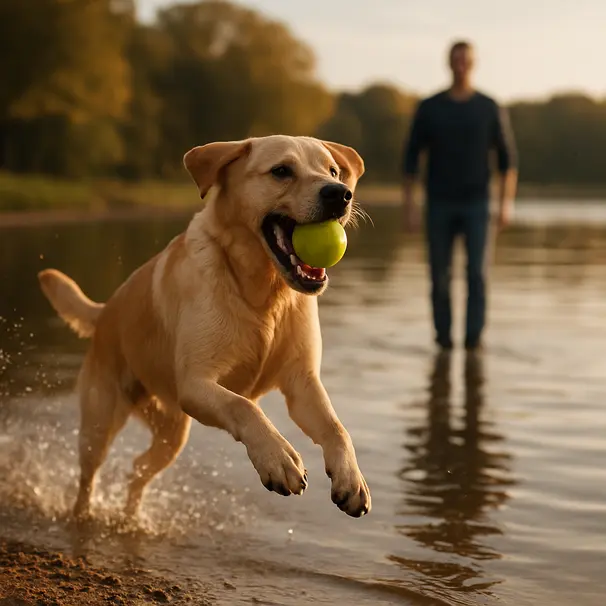
Quick overview: what ties retrievers together
Retrievers were originally bred to fetch game, often from water. That heritage gives them a few shared traits. Most retrievers are:
- People-oriented and affectionate.
- Energetic, with a strong love of play and swimming.
- Intelligent and trainable, with a desire to work with you.
Still, each breed has its own rhythm. Some are calmer at home, others need constant activity or enrichment. Knowing the differences helps you pick a dog that fits your routine and keeps both of you happy.
1. Labrador Retriever
The Labrador is the quintessential family dog. They’re sturdy, friendly, and often the first retriever many people imagine.
Key traits
- Size: Medium to large.
- Coat: Short, dense, weather-resistant. Colors commonly black, yellow, chocolate.
- Temperament: Affectionate, steady, and social. Labs usually adore strangers as much as family.
- Energy: High. They need daily vigorous exercise, mental games, and opportunities to retrieve.
Care and training tips
- Labs thrive on structured play. Fetch, swimming, and games that reward retrieving are ideal.
- Use positive reinforcement and short, consistent training sessions.
- Labs love food. Monitor portions and use low-calorie enrichment toys to manage weight.
Who they suit Active families, carers who can commit to walks or swims, or owners who enjoy training activities like scent work or agility.
2. Golden Retriever
Goldens are the poster child for gentle, patient dogs. Their warm eyes and soft coat make them irresistible to many people.
Key traits
- Size: Medium to large.
- Coat: Long, dense, water-repellent. Requires regular brushing.
- Temperament: Calm, loyal, and affectionate. Many Goldens are soothing companions.
- Energy: Moderate to high. They need play and mental stimulation, but often settle well indoors after activity.
Care and training tips
- Regular grooming helps control shedding and prevents matting, especially around ears and feathering.
- Goldens are keen to please. Reward-based training works exceptionally well.
- Mental enrichment like puzzle feeders can help manage curious noses and prevent boredom.
Who they suit People who want a gentle family dog or a therapy-oriented companion. Owners or carers with time for grooming and daily activity will be happiest.
3. Flat-Coated Retriever
Flat-Coats are lively and often described as forever-young. They have a playful streak that can last well into adulthood.
Key traits
- Size: Medium to large.
- Coat: Medium-length, glossy, and flat. Regular brushing helps keep it shiny.
- Temperament: Bouncy, optimistic, and sociable. They can be goofy and clownish in the best way.
- Energy: High. They need regular exercise and interactive play.
Care and training tips
- Early socialization helps channel their energy positively.
- Use varied training methods to keep sessions interesting.
- Flat-Coats can be sensitive. Gentle corrections and plenty of praise build confidence.
Who they suit Active owners who enjoy outdoor adventures and playful companionship. They’re great for families who love an energetic dog with a big personality.
4. Chesapeake Bay Retriever
Chesapeakes are practical, hardworking dogs with a rugged edge. They were bred for challenging water retrieval in rough conditions.
Key traits
- Size: Medium to large, often more solidly built than some other retrievers.
- Coat: Dense and oily, with a slightly wavy texture that helps in cold water.
- Temperament: Loyal, protective, and sometimes reserved with strangers.
- Energy: Moderate to high. They enjoy purposeful work and water activities.
Care and training tips
- Consistent, confident handlers suit Chesapeakes best. They respond to firm, fair leadership and clear routines.
- Their coat is low maintenance in terms of brushing, but regular checks for skin and ear health are useful, especially after water sessions.
- Mental challenges, obedience tasks, and scent work can keep them engaged.
Who they suit Experienced owners or carers who appreciate a serious, loyal dog. They’re excellent for people who spend time outdoors and enjoy training that taps into a dog’s natural skills.
5. Curly-Coated Retriever
The Curly is distinctive and elegant, with a tightly curled coat that stands out in the field or at the park.
Key traits
- Size: Medium to large, often lean and athletic.
- Coat: Tight curls that shed less than some other retrievers, but still need care.
- Temperament: Independent, confident, and sometimes more reserved than Goldens or Labs.
- Energy: Moderate to high. They like active work and structured play.
Care and training tips
- The curly coat is relatively low-maintenance for brushing, but regular grooming prevents tangles and keeps the curls healthy.
- Early training and socialization help shape a well-rounded adult dog.
- Curlys often enjoy activities that allow them to problem solve and use their bodies, like swimming and advanced retrieving drills.
Who they suit Owners looking for a stylish, athletic companion who enjoys purposeful exercise and isn’t overly clingy.
6. Nova Scotia Duck Tolling Retriever
The Tolling Retriever is the smallest of the group and has a unique flair. They’re clever, quick, and full of personality.
Key traits
- Size: Small to medium.
- Coat: Medium length with feathering, often red or orange tones.
- Temperament: Energetic, alert, and playful. They can be mischievous in a charming way.
- Energy: High. Tollers need regular mental and physical exercise.
Care and training tips
- Tollers love games that involve enticing and retrieving. Their original job used clever distraction techniques, which makes them great at interactive play.
- They respond well to consistent training that mixes obedience with fun challenges.
- Grooming is moderate. Weekly brushing and attention to ears keeps them tidy.
Who they suit Active singles or families who like a smaller retriever with bright energy. Great for people who want a dog that’s agile and smart.

Choosing the right retriever for your home
Think about daily life first. Ask yourself these questions:
- How active is my household? Do I have easy access to parks or water?
- Will someone be home most of the day, or will the dog be alone a lot?
- How much grooming am I comfortable with?
- How much training time can I realistically commit to each day?
If you love long walks and weekly swims, a Labrador, Flat-Coat, or Toller might suit you. If you want a calmer presence with a soft temperament, a Golden could be ideal. For a more independent, protective dog, consider a Chesapeake Bay Retriever.
Daily care and enrichment tips
Retrievers thrive on routine and stimulation. Small investments of time pay big dividends in behavior and happiness.
Exercise
- Aim for at least 30 to 90 minutes of physical activity daily, depending on breed and age.
- Mix walks with games that use their retrieving instinct. Swimming is often a favorite.
Mental enrichment
- Puzzle feeders, scent games, and short training sessions keep smart retrievers engaged.
- Rotate toys to keep interest high, and try simple hide-and-seek with treats or toys.
Grooming
- Short-coated retrievers need weekly brushing to remove loose hair and distribute oils.
- Long-coated breeds benefit from a few brushings each week to prevent mats and reduce shedding.
- Check ears regularly, especially after water play, and keep nails trimmed.
Nutrition
- Feed a measured, high-quality diet appropriate for age, weight, and activity level.
- Consider splitting meals or using food puzzles to slow eating and add stimulation.
- Keep an eye on body condition. Retrievers love food and can gain weight quietly.
Training and socialization
Start early and keep it fun. Retrievers are generally eager to learn, but training that’s dull will lose their attention.
Practical training tips
- Use short sessions, five to fifteen minutes, several times a day.
- Reward desired behaviors with praise, food, or play.
- Introduce socialization to different people, animals, and environments in a positive way.
- Practice recall and focus around distractions, especially for dogs that love to chase and fetch.
Working with carers
- If you use pet carers or dog walkers, give clear notes about commands, routines, and rewards.
- Ask carers to reinforce consistent cues, and to report any changes in appetite, energy, or behavior.
Health considerations and when to seek advice
Retrievers can have breed-specific health tendencies. Regular vet checkups are important. Consider these non-medical notes:
- Keep vaccinations and parasite prevention current, according to your vet’s guidance.
- Monitor weight closely, since excess weight can strain joints and reduce mobility.
- Watch for changes in energy, appetite, or gait, and consult a professional if you notice anything unusual.
Consider speaking to a veterinarian about breed-specific screening recommendations, especially if you’re adopting a puppy or a rescue.
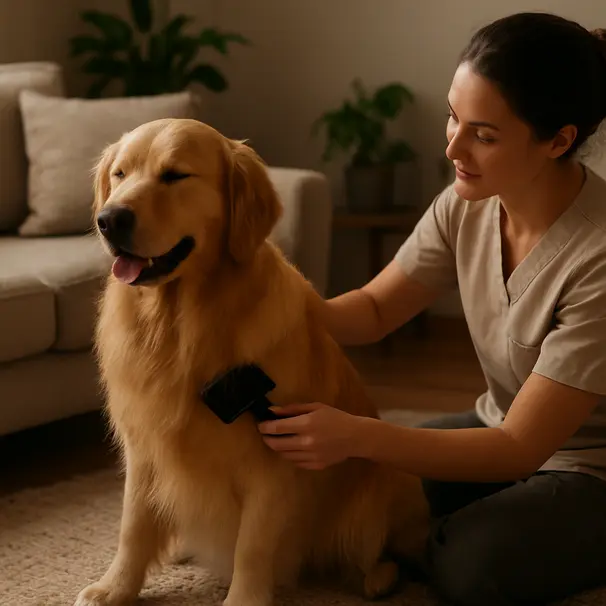
Grooming checklist for retriever owners and carers
- Brush: Weekly for short coats, several times a week for long coats.
- Bathing: Only as needed, use gentle dog shampoo to protect natural oils.
- Ears: Check and dry after swimming to reduce the chance of irritation.
- Nails: Trim or file every few weeks depending on wear.
- Teeth: Brush regularly, or consider dental chews to support oral health.
A little grooming time each week strengthens your bond and helps you spot health changes early.
Final notes: matching personality to lifestyle
Every retriever will bring love and loyalty. The best match depends on your daily rhythm and what you can realistically offer. If you share your life with a retriever, plan for consistent activity, mental enrichment, and regular grooming. Carers should get a clear routine from owners, so the dog stays comfortable and confident in any setting.
Above all, enjoy the company. Retrievers offer big hearts and plenty of goofy affection. With the right match, training, and care, they make wonderful companions for many kinds of households.
If you’re thinking about adopting or hiring a carer, use this guide to ask targeted questions about energy levels, grooming needs, and training preferences. That makes it easier to find a dog or carer who clicks with your family life.
Happy fetching, and may your next walk be full of sunny tails and wagging greetings.