

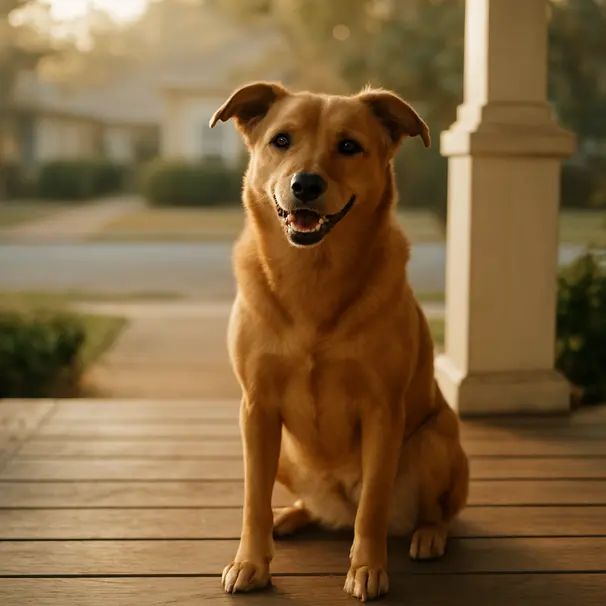
6 training tips for territorial dogs
Dogs who guard space, people, or toys can make ordinary moments feel tense. If your dog growls at passersby, bristles when a visitor approaches, or circles a favorite spot with intent, you’re not alone. Territorial behavior comes in many shapes and sizes, and with patience and consistent strategies, most dogs can learn safer responses and better self-control.
This guide offers six practical training tips, examples you can try at home, and ideas for managing the environment so training has a chance to succeed. Read through, pick a couple of techniques to start with, and remember to celebrate small wins along the way.
Understand what territorial behavior is
Territorial behavior is a natural instinct for many dogs. It’s a way of protecting resources, family members, or familiar spaces. That instinct can be stronger in some breeds, or in dogs who lacked early socialization, had frightening experiences, or live in a household where guarding was accidentally rewarded.
Important things to keep in mind:
- Territorial reactions often come from fear or uncertainty, not aggression for its own sake.
- A dog that shows warning signals — growling, stiffening, hard staring — is communicating. Those signals can be used to redirect behavior with the right approach.
- Consistency from owners and carers is essential. Mixed messages make a dog more anxious, and anxious dogs guard more.
Understanding reduces frustration. It helps you move from reacting emotionally to creating a clear plan that helps your dog feel safer.
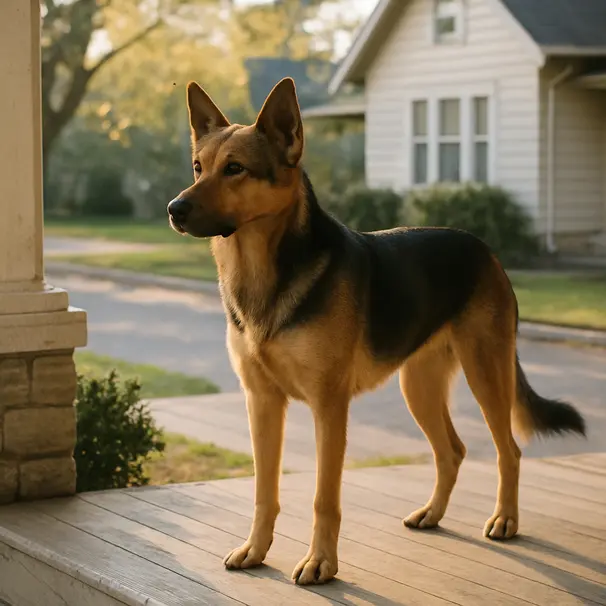
Tip 1: Set clear rules and predictable routines
Dogs thrive on predictability. When they know what’s expected and what’s off limits, they can relax. Setting rules doesn’t mean being strict for the sake of it. It means choosing a few consistent boundaries and enforcing them calmly.
Practical steps:
- Pick three simple rules first, for example: “no jumping on guests,” “a place spot by the door,” and “no food begging while people eat.” Focus on one rule until it feels reliable.
- Use the same verbal cues and body language across household members and carers. If “place” means go to a mat, everyone should use the same word and reward.
- Reward calm behavior. If your dog settles when visitors arrive, offer a high-value treat or a favorite toy. That helps the dog learn that calm equals good things.
A predictable routine lowers stress, and lower stress often means less guarding.
Tip 2: Teach reliable alternative behaviors
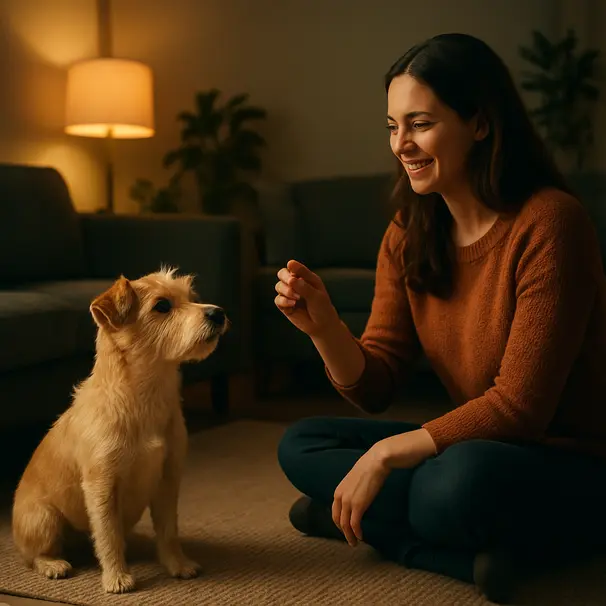
Territorial acts are often automatic. Teaching a dog a reliable replacement behavior gives them something constructive to do instead. Popular options include “go to place,” “look at me,” and “sit for greeting.”
How to teach a “place” command:
- Choose a comfortable mat or bed, and bring it to the area where guarding happens, such as near the front door.
- Lure your dog onto the mat with a treat, mark the arrival with a cue like “place,” then reward.
- Gradually increase the time your dog stays on the mat before treating. Use a release cue like “okay.”
- Practice during low-distraction times, then slowly add distractions like someone walking past the window.
How to teach “look at me”:
- Hold a treat at eye level and say the cue when your dog meets your gaze.
- Reward immediately, then practice in different places.
- Use the cue to interrupt focus on passersby and bring attention back to you.
These alternatives give your dog a clear, rewarded job to do instead of reacting.
Tip 3: Use gradual desensitization and counterconditioning
Desensitization and counterconditioning are gentle methods that help change how your dog feels about the trigger. Rather than punishing a reaction, you pair the trigger with something the dog likes.
A simple plan for a dog who reacts to delivery people:
- Step 1: Identify the distance where the dog notices the delivery person but stays relaxed. That’s the starting point.
- Step 2: At that distance, deliver a high-value treat every time the trigger appears. The dog learns that the delivery person predicts something pleasant.
- Step 3: Slowly decrease the distance over multiple sessions, only moving closer when your dog remains calm.
Key tips:
- Move very slowly. If your dog loses calm, step back several steps until relaxation returns.
- Use the dog’s favorite rewards: tasty treats, toys, or praise work differently for different dogs.
- Keep sessions short and positive. Ten good reps are more valuable than one long stressful session.
This method can help change feelings, not just behavior. Over time, the trigger becomes a predictor of good things.
Tip 4: Manage the environment to reduce pressure
Training takes time, so manage the dog’s world while they learn. Reducing opportunities to practice unwanted behavior prevents habits from becoming stronger.
Management ideas:
- Use baby gates or a crate near the door so the dog is out of the way during arrivals.
- Close curtains or block windows if outdoor passersby cause the reaction.
- Create a “greeting zone” where visitors pause before approaching, allowing the dog to be asked to go to place first.
- Schedule walks at quieter times if your dog is reactive to other dogs. Short, controlled exposures can be added later.
Management isn’t a long-term fix, but it protects everyone and makes training safer and more effective.
Tip 5: Socialize carefully and practice controlled introductions
Socialization remains useful for adult dogs, but the approach should be controlled. Rushed or chaotic introductions can worsen guarding. Slow, positive, and supervised experiences build confidence.
Controlled introduction steps:
- Start with calm people who understand dog body language. Ask guests to ignore the dog initially and let the dog approach on their own terms.
- Use high-value treats for anyone who approaches slowly. Reward the dog for calm, non-guarding behavior.
- Practice short, positive encounters that end while things are still good. Gradually lengthen the interactions.
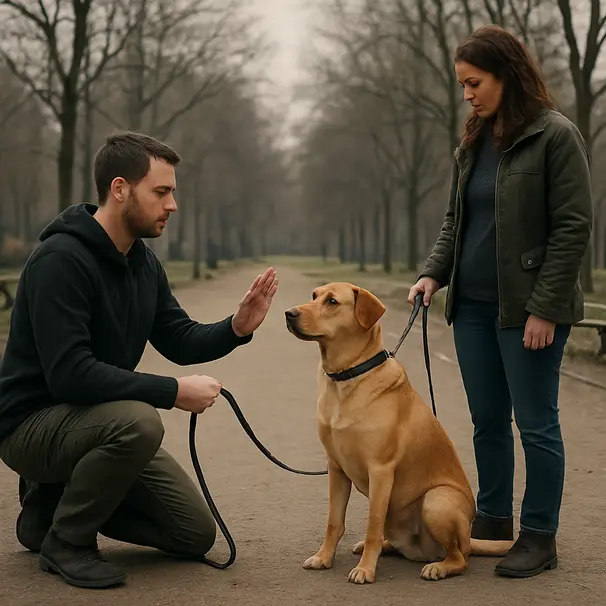
- If introducing other dogs, keep both dogs on loose leashes and at a distance where they remain relaxed. Parallel walks are often safer than face-to-face greetings.
Remember: socialization is about quality, not quantity. Better a handful of calm, positive meetings than many chaotic ones.
Tip 6: Seek professional help and keep routines consistent
Some territorial behavior can be redirected at home, but other cases benefit from a trainer or behaviorist. A professional can assess body language, design a step-by-step plan, and guide you through tricky moments.
When to consult a professional:
- Your dog’s behavior makes you or your family feel unsafe.
- Warning signals escalate to lunging or biting.
- You’ve tried basic steps for weeks with little improvement.
What to expect from a professional:
- A behavior assessment that looks at triggers, intensity, and the dog’s history.
- A tailored training plan with precise cues, distances, and reinforcement schedules.
- Guidance for everyone in the household, plus practical management tips.
Also consider consulting your vet if behavior changes suddenly, or if the dog shows signs of pain. Sometimes medical issues influence temperament. Saying “consider a vet check” is a good precaution, especially with abrupt shifts in behavior.
Tracking progress and celebrating wins
Change takes time. Keep notes of what you try and what works. Short, honest logs help you see patterns and adjust faster than relying on memory.
What to track:
- Trigger type, distance, and the dog’s reaction.
- The training exercise used and its length.
- Whether the dog improved, stayed the same, or regressed.
Celebrate small wins. Maybe the dog no longer lunges at strangers across the street, or they now head to their mat when the doorbell rings. Those are meaningful steps toward a calmer household.
Practical daily exercises you can try
- The attention game: Ask for eye contact, reward, then release. Repeat five times a day in different rooms.
- Doorbell routine: Ring the doorbell, ask the dog to go to place, reward heavily, then release. Practice with family until it becomes second nature.
- Walk changes: Pause when your dog notices a trigger, get their attention with a look cue, reward, and walk on. Small redirections help build new habits.
Short, frequent practices beat long, rare sessions. Keep things fun and varied so your dog stays engaged.
Safety first: use precautions and stay calm
When territorial behavior is intense, safety matters. Don’t force interactions, and use leashes, gates, or muzzles if necessary for everyone’s protection. A calm handler is a better trainer; dogs pick up on tension, and tension can fuel guarding.
If a situation escalates, remove the dog from it, let them decompress, and revisit the training at a lower intensity. Safety and trust form the foundation for long-term change.
Final thoughts
Territorial behavior can be frustrating, but it often signals a dog asking for more security and clearer rules. With predictable routines, alternative behaviors, careful desensitization, and sensible management, most dogs can learn safer responses.
Be patient, celebrate small wins, and don’t hesitate to ask for professional help if things feel out of reach. A little structure and a lot of kindness can turn guarding into calm confidence over time.
If you need a hand, Floofy connects you with trusted carers and qualified trainers. Team up, take it step by step, and give your dog the guidance they need to feel safe and loved.