

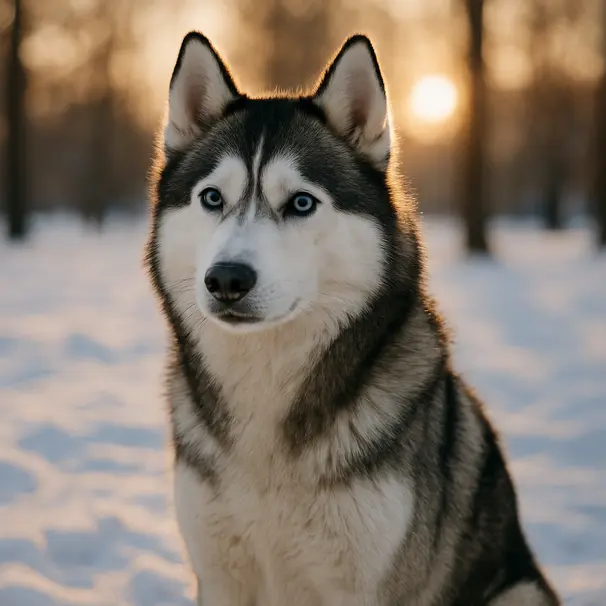
Nine blue-eyed dog breeds that stop you in your tracks
Blue eyes on a dog can feel a little magical. They glow in photos, catch the light during walks, and give pups an expression that can be soulful, mischievous, or utterly charming. If you love the idea of a blue-eyed companion but want to know more than just a pretty face, you’re in the right place.
This post looks at nine breeds famous for blue eyes, what makes them special, and practical care tips. I’ll share temperament notes, grooming and exercise needs, and pointers for finding trusted pet carers for these often energetic, curious dogs.
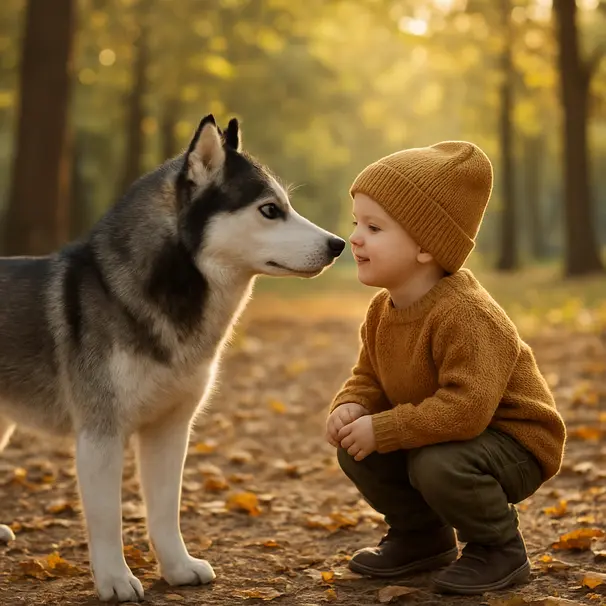
How blue eyes happen in dogs
Blue eyes in dogs come from genetics that affect pigmentation in the iris. In some breeds, a specific gene reduces pigment, letting blue tones show through. In others, blue eyes may appear alongside coat patterns such as merle or as part of a breed’s standard, like the Siberian Husky.
Blue eyes aren’t inherently linked to behaviour or intelligence. That said, many popular blue-eyed breeds share traits — high energy, strong social needs, and a need for consistent training. These are things to consider before bringing one into your household.
If you have concerns about your dog’s eyes, consider speaking with your vet. Eye changes can be harmless, but sometimes they signal the need for attention.
1. Siberian Husky
Why they stun: Siberian Huskies are arguably the poster child for blue eyes. The striking contrast of their icy gaze and thick fur makes them unforgettable.
Temperament: Friendly, outgoing, clever and often independent. They love company and don’t do well left alone for long stretches.
Care tips: Daily vigorous exercise is important. Huskies shed a lot, especially seasonally, so regular brushing helps keep fur under control. Mental enrichment, like puzzle toys or scent work, can channel their smarts.
Consider: Huskies may have a high prey drive, and recall can be inconsistent. Secure fencing and supervised off-leash play are wise.
2. Australian Shepherd
Why they stun: Australian Shepherds frequently sport blue eyes, including single blue eyes or one blue and one brown, which is called heterochromia.
Temperament: Loyal, energetic, and very trainable. They’re happiest with a job or regular mental challenges, and they bond closely with families.
Care tips: They need daily activity and stimulation. Herding instincts can show up as nipping at heels or chasing moving things, so channel that energy into sports like agility or herding classes.
Consider: Their coats need regular grooming and occasional trimming around the feet and ears.
3. Border Collie (including some mixes)
Why they stun: Though not as common as in Huskies or Aussies, blue eyes can appear in Border Collies, especially in dogs with merle or dilute coats.
Temperament: Exceptionally bright and focused. They thrive on learning new tasks and responding to clear commands.
Care tips: Long walks aren’t enough by themselves. Include training sessions, interactive play, and jobs that use their minds. Without stimulation, Border Collies can become bored and destructive.
Consider: They’re sensitive to harsh correction. Positive reinforcement works best.
4. Alaskan Malamute
Why they stun: Malamutes sometimes have pale blue eyes that contrast beautifully with their dense Arctic coats.
Temperament: Affectionate and strong-willed. They’re loyal and enjoy family life, but they can be stubborn.
Care tips: These large, powerful dogs need space to move and regular exercise. Their thick double coat calls for frequent brushing and attention during shedding season.
Consider: They were bred to pull sleds, so harnesses and managed play that wears their energy out are useful.
5. Catahoula Leopard Dog
Why they stun: This American breed is known for unusual eye colours, including sky-blue eyes, often paired with intriguing coat patterns.
Temperament: Energetic, independent, and protective. Catahoulas can be excellent working dogs and loyal family members.
Care tips: They like having a job. Structured activities, early socialisation, and consistent training help them thrive.
Consider: Their unique eyes and merle-like coats may make them stand out at the dog park, but they need careful introductions to other animals.
6. Great Dane (occasionally)
Why they stun: Blue eyes are rarer in Great Danes, but when they occur in certain coat variations they’re incredibly striking on these gentle giants.
Temperament: Sweet-natured and calm, often referred to as couch companions despite their size.
Care tips: Large-breed care applies: measured exercise, joint-friendly diets, and weight management. Keep socialisation ongoing to maintain their pleasant temperament.
Consider: Their massive size means even calm behaviour requires space and the right home setup.
7. Australian Cattle Dog (Blue Heeler, occasionally)
Why they stun: Blue Heelers can have pale, striking eyes, especially in certain coat patterns or mixes.
Temperament: Industrious, watchful, and very loyal. They bond tightly to handlers and enjoy focused work.
Care tips: This is an active herding breed. Activities like fetch, agility, and obedience tapping into their instincts are ideal.
Consider: Like other herding dogs, they might try to herd children or other pets. Redirect that behaviour with training and outlets for energy.
8. Dalmatian (rarely)
Why they stun: Dalmatians can sometimes have blue eyes, often in puppies whose eyes may change as they mature. When blue persists, it creates a dramatic, photogenic look.
Temperament: Energetic, playful, and people-focused. They can be great family dogs when given proper training and exercise.
Care tips: Dalmatians have short coats that shed year-round. They need good daily exercise and consistent training to manage their energy.
Consider: Keep an eye on any hearing or eye issues, and consult a vet if you notice changes in sight or behaviour.
9. Mixed breeds and designer crosses
Why they stun: Many mixed-breed dogs inherit blue eyes from one parent, especially where merle, dilute, or certain coat-pattern genes are present.
Temperament: Highly variable. Mixed dogs often blend the best traits of their ancestors, and you can’t assume temperament purely from looks.
Care tips: Meet the dog first. Spend time with them, ask about their history, and try a trial day with a trusted carer to see how they react in a home setting.
Consider: Mixed breeds can sometimes carry genetic traits that need monitoring. A vet check-up and gentle introductions help a smooth transition.
Practical care notes for blue-eyed dogs
Appearance is just the start. Many blue-eyed breeds have higher activity levels, specific grooming needs, or genetic considerations. Here are practical tips you can use right away.
Exercise and enrichment: Most blue-eyed breeds listed here will appreciate structured exercise and mental games. Short walks alone might not be enough for herders or sled breeds. Puzzle feeders, scent trails, and training games can help burn energy.
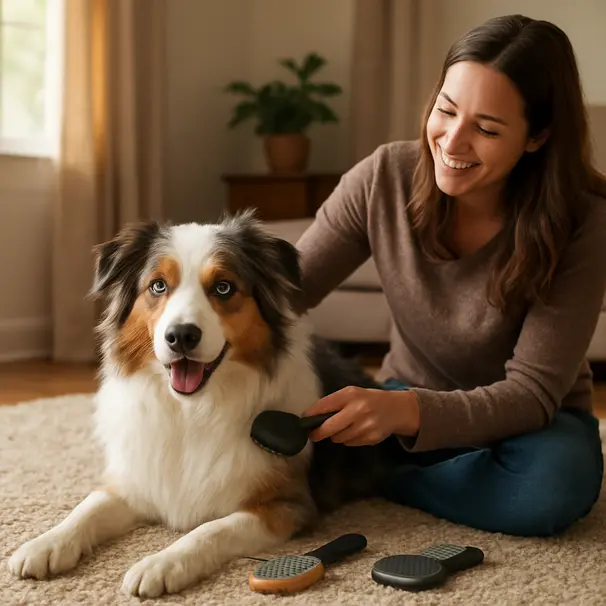
Grooming: Double-coated dogs shed seasonally. Regular brushing reduces loose hair around the house and helps keep the coat healthy. For short-coated breeds, a weekly brush can keep skin and coat in good condition.
Eye care: Keep the area around the eyes clean. If you notice discharge, cloudiness, or sudden changes in behaviour like squinting, consider consulting a vet to rule out infection or irritation.
Socialisation: Early, positive exposure to people, places, and other animals helps prevent fearfulness later on. Group classes or supervised playdates with trusted carers can be excellent.
Training: Positive reinforcement works best. Most of these breeds respond quickly to reward-based training, and consistent routines make life easier for everyone.
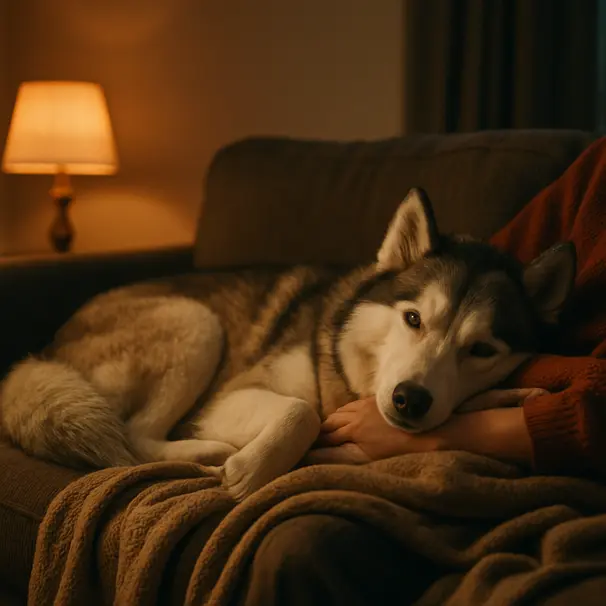
Finding the right dog and trusted carers
If you’re thinking about adopting a blue-eyed breed, take your time. Meet dogs in different settings, ask about energy levels, and get a clear picture of any health history. Rescue groups for specific breeds can be a great starting point.
When you need help — whether it’s dog walking, boarding, or a sitter for an overnight stay — trusted carers can make life simpler. Here’s how to choose one:
Look for experience with the breed or similar energy levels. A sitter who knows Huskies or herding breeds will often be better prepared.
Ask for references and meet the carer with your dog before you book. A short trial walk or daycare day helps everyone get comfortable.
Share routines and preferences. Blue-eyed dogs often thrive on predictability, so leave clear feeding schedules, exercise plans, and favourite toys.
Discuss emergency plans and veterinary preferences. Make sure the carer knows who to call and where to go if something changes.
Read reviews and check accreditation if available. Trust your instincts during introductions.
Adoption and rescue tips
Blue-eyed dogs are adored, so some breeds are unfortunately overbred. Consider adopting from a breed rescue or local shelter. Rescue groups often know dogs’ personalities and needs, which helps match you to the right companion.
Try a foster-to-adopt if you can. Living with a dog for a few weeks reveals more about their energy, training level, and how they fit your household.
Final thoughts
Blue-eyed dogs are undeniably captivating, but they’re still dogs with needs and personalities. Look beyond the eyes and learn about their exercise, grooming, and social requirements. With the right match, a blue-eyed dog can be a joyful, loyal friend who lights up your days.
If you’re ready to meet one, start with local rescues and breed groups, and lean on trusted carers to support training and transitions. A little planning goes a long way, and the payoff is a loving companion with an unforgettable gaze.

Quick checklist before you bring one home
- Meet the dog in different environments to gauge temperament.
- Ask about exercise, grooming, and health history.
- Arrange a vet check within the first week.
- Book a trusted carer for a trial day if you’ll need help with walks or daycare.
- Prepare your home for breed-specific needs, like fencing and enrichment toys.
Enjoy the search. Blue eyes may catch your attention, but personality is what keeps you smiling for years.