

A guide to reptile behaviour for pet carer and owner
Reptiles are quietly fascinating. Their behaviours are subtler than a wagging tail or a meow, but once you learn to read the signs, you can make a huge difference to their wellbeing. This guide is written for pet owners and pet carers who want practical, everyday advice to keep reptiles calm, healthy and happy during routine care or while staying with a carer.
Why behaviour matters
Understanding behaviour helps with two big goals: building trust and spotting early problems. Reptiles rely on routine and the right environment to feel secure. Changes in posture, appetite or activity can signal stress or discomfort. A little knowledge makes introductions smoother, handling safer, and stays with carers less stressful for everyone.
Reading the basics: body language and signals
Reptiles communicate largely through body posture, movement and colour changes. Here are common signals you’ll see and how to interpret them.
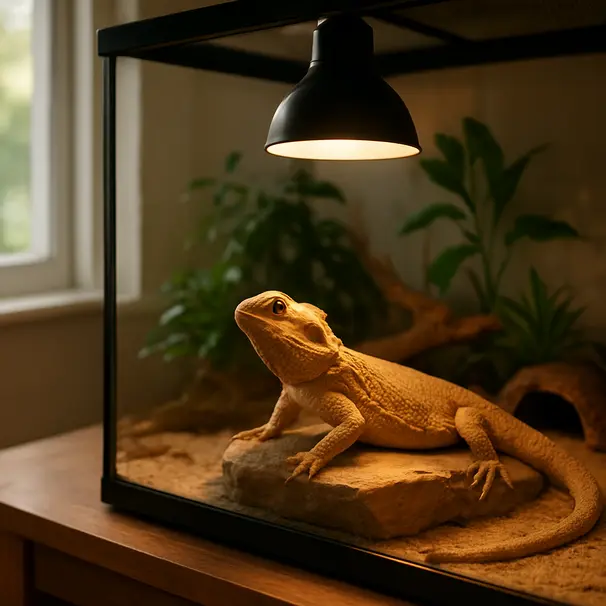
Calm and relaxed: A basking reptile with smooth, even breathing, normal colouring and regular movement is usually content. They may be alert, curious, and unbothered by gentle presence.
Defensive or fearful: Flattened body, puffing up, hissing, rapid head bobbing or tail whipping often mean the animal feels threatened. Back away slowly, reduce noise, and avoid grabbing.
Aggressive displays: Open-mouth displays, lunges, or striking attempts are clear warnings. Don’t attempt to handle a reptile showing these behaviours until it has calmed down.
Avoidance: A reptile that hides often or refuses to come out under normal conditions is likely stressed. Look for changes in environment, husbandry, or recent disruptions.
Appetite signals: A steady appetite is reassuring. Sudden refusal to eat, or long periods without feeding, can be a sign of stress or illness. Keep feeding records and share them with carers.
Colour and shedding: Colour changes can be normal, especially around shedding. Dull, darkened, or patchy colour can also indicate illness or dehydration. Shedding problems often show as retained shed around toes, tail tips or eyes.

Image caption
A bearded dragon calmly basking under a heat lamp.
Image prompt
A realistic close-up of a bearded dragon basking on a rock under a warm heat lamp inside a cozy vivarium, soft morning light filtering through glass, detailed scales and gentle shadows, warm color palette, shallow depth of field, editorial pet-care style.
Alt text
Bearded dragon resting on a rock under a heat lamp inside a vivarium, basking calmly with visible scale detail.
Handling and trust: making friends gently
Reptiles have limited tolerance for handling. The goal is respectful care, not excessive cuddling. Here are steps to build trust and keep both carer and pet comfortable.
Start with observation. Before touching, spend time watching how the reptile moves and where it likes to be. Notice preferred basking spots and hiding places.
Approach slowly. Sudden movements or loud noises can startle them. Move calmly and speak softly if that helps you feel steadier.
Support the body. When picking up a reptile, use both hands to support its weight. Avoid gripping the tail for species where tail autotomy is a risk.
Short, positive sessions. Keep handling brief at first, especially with shy or new-to-carer reptiles. Gradually increase time as the animal shows comfort.
Respect signals. If the reptile hunches, tries to escape, or becomes defensive, pause. Give it space and try again later.
Special considerations by species:
- Geckos often prefer minimal handling and are happiest with secure hides.
- Tortoises may enjoy gentle walks and confident handling but can be sensitive to temperature changes.
- Snakes can be comfortable with regular, calm handling, but must be supported along their body length.
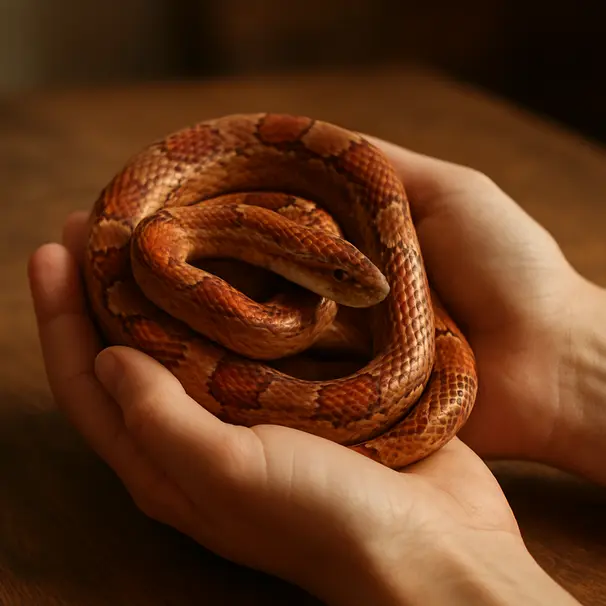
Image caption
A gentle hand supports a calm corn snake during handling.
Image prompt
A warm, cinematic image of a corn snake being gently supported by both hands in a softly lit indoor setting, the snake relaxed and coiled loosely, wooden table background, natural skin tones, close-up on hands and scales, editorial pet-care atmosphere.
Alt text
Corn snake calmly supported by two hands indoors, showing loose coil and relaxed posture.
Feeding behaviour and routines
Feeding is one of the easiest ways to strengthen trust, but it also requires care. Each species has specific dietary needs and feeding rhythms.
Keep a feeding schedule. Many reptiles do best with predictable routines. Share the owner’s feeding plan with any carer, including portion sizes, feeding frequency and any supplements.
Understand hunting vs. foraging instincts. Some reptiles, like snakes, are ambush predators and prefer pre-killed prey to reduce risk. Lizards may hunt live insects and benefit from safe, supervised feeding that prevents injury.
Watch for defensive food-related behaviour. Some reptiles may strike or bolt when offered food, especially if startled. Present food calmly and avoid hand feeding unless the animal is habituated to it.
Hydration matters. Reptiles show subtle thirst cues. Provide fresh water and misting for species that drink droplets. Soaking baths can help turtles, tortoises and some lizards rehydrate.
Note appetite changes. Reduced or increased appetite can follow environmental changes, improper temperatures, or health issues. Encourage carers to record feeding results daily.
Habitat, environment and how it affects behaviour
Reptile behaviour is tightly linked to their environment. Temperature, humidity, lighting and enclosure layout shape how they act.
Temperature gradients: Most reptiles thermoregulate, moving between warm and cool areas. Provide a clear temperature gradient and observe where your pet prefers to spend time.
Lighting and UV: Proper UV and photoperiod can influence activity, appetite and behaviour. Sudden changes in lighting or incorrect bulbs can make reptiles lethargic or stressed.
Hiding and security: Hides are essential. A reptile that feels exposed will hide more or exhibit defensive behaviour.
Enrichment in the enclosure: Hiding spots, branches, textured surfaces and varied substrates can encourage natural behaviours like climbing, burrowing and exploring.
Social tolerance: Most reptiles are solitary. Housing multiple adults together can cause stress or aggression. Learn the species’ social needs before any shared housing.
Enrichment and mental wellbeing
Reptiles benefit from simple enrichment that encourages natural behaviour. Enrichment reduces boredom and can make stays with carers more comfortable.
Sensory enrichment: Introduce safe, varied textures like cork bark, smooth rocks and foliage. Rotate items occasionally to maintain curiosity.
Feeding enrichment: Use feeding puzzles for species that forage, scatter-feed insects in a controlled area, or offer varied prey types consistent with diet.
Environmental changes: Small, supervised changes like rearranging hides or adding a new climbing branch can spark natural exploration.
Outdoor time: For some species, short, supervised outdoor time in a secure enclosure can provide natural light and stimulation. Avoid extremes of temperature and predators.
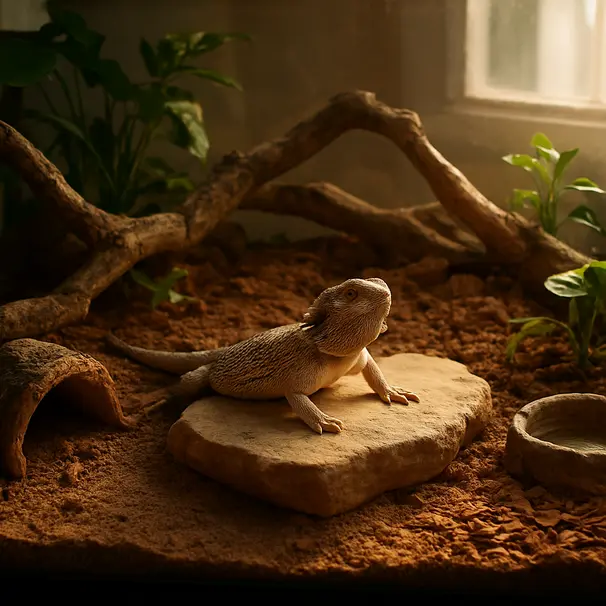
Image caption
A reptile enclosure with varied enrichment and natural decor.
Image prompt
Wide-angle view of a richly decorated reptile enclosure with natural branches, hides, live plants, varied substrates and a basking rock, warm afternoon light through a nearby window, high-detail, inviting pet-care scene, editorial style.
Alt text
Reptile terrarium featuring branches, hides, basking rock and plants, showing enrichment items and varied substrates.
Spotting health warning signs in behaviour
Behavioural changes are often the first clue that something’s off. While this is not medical advice, here are signs to watch for and what carers should communicate to owners.
Sudden lethargy or hiding, loss of appetite, or inability to right themselves when flipped are all reasons to consult a vet.
Respiratory distress might show as open-mouth breathing, wheezing, or bubbling at the nostrils. These signs may indicate a problem that benefits from professional assessment.
Abnormal shedding, especially retained shed on toes and tail, can point to humidity problems or skin issues.
Changes in droppings, prolonged diarrhoea or unusual colours can signal dietary or health concerns.
If you notice anything unusual, encourage carers to take clear photos, note timing and changes, and reach out to the owner and a reptile-experienced vet as soon as practical.
Practical tips for carers during a stay
Carers can make a reptile’s time away from home calm and predictable with a few simple steps.
Get a thorough briefing. Owners should leave a care sheet with feeding times, temperatures, handling preferences, emergency contacts, and the preferred vet.
Keep routines steady. Match the owner’s lighting schedule, feeding times and temperature gradients as closely as possible.
Minimise disturbances. Loud households, dogs or frequent visitors can stress reptiles. Offer a quiet, stable place for the enclosure.
Daily logs. Record feeding, shedding, defecation and any unusual behaviour. Photos can help owners spot subtle changes.
Transport considerations. If you need to move a reptile, keep the carrier secure and warm. Minimise travel time and avoid direct drafts.
Handover checklist for owners and carers
A short checklist reduces confusion and helps carers provide consistent care.
- Enclosure diagram and thermostat settings
- Feeding schedule and food supplies
- UV and heat bulb types and replacement dates
- Favourite hides and enrichment items
- Emergency contacts: owner, local vet, and a specialist emergency clinic
- Behavioural notes: what calms your pet, what stresses them, and any past health issues
Final thoughts and resources
Reptiles reward calm, consistent care. A thoughtful carer who respects body language, maintains routines and adds gentle enrichment will likely be welcomed back by a relaxed reptile. Owners can help by preparing clear notes and familiar items that make their pet feel secure.
If you or a carer are unsure about changes in behaviour, consider reaching out to a reptile-experienced veterinarian. Community forums, keeper groups and species-specific care guides can help too, but combine advice with professional input when health concerns arise.
Thanks for caring for scaly companions. With attention and a little patience, carers and owners can create comfortable, trusting arrangements that let reptiles thrive.