

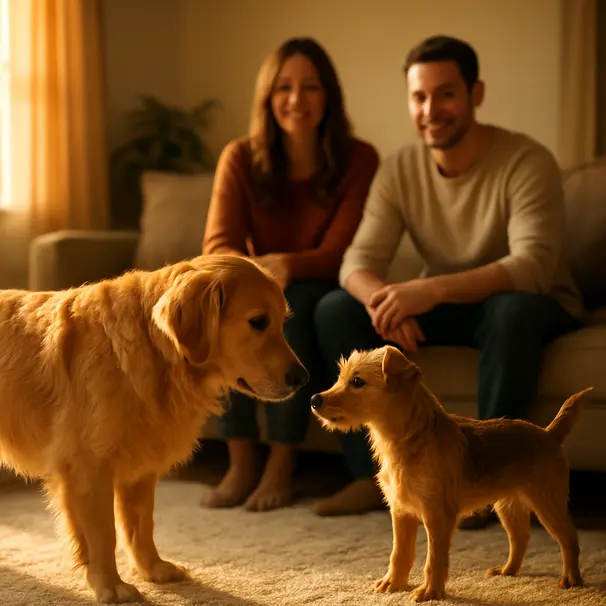
Thinking about a second dog
Adding another dog can feel like opening a door to more walks, playdates, and cuddles. It can also bring new challenges, especially if you already have a resident dog. This article helps you weigh the benefits, spot potential pitfalls, and plan realistic steps so both dogs — and your household — adapt smoothly.
The benefits of adding another dog
Many owners fall in love with the idea of two dogs: double the affection, double the goofiness. Here are practical upsides to consider.
- Companionship and social enrichment: A compatible companion can provide play, comfort, and social learning for your current dog.
- Mental stimulation: New interactions and routines can keep both dogs mentally engaged and reduce boredom-related behaviors.
- Exercise and play: Paired dogs often encourage each other to be more active outdoors, which can help burn off energy.
- Emotional support for you: Two dogs can spread the emotional labor. If one is anxious or having an off day, the other might be more upbeat.
- Backup care options: In some families, having an additional dog can mean one pet keeps the other company during absences, reducing separation stress.
These are real perks, but they’re not guaranteed. Compatibility, health, and management choices shape the outcome.
The challenges and realistic cons
It’s important to see the flip side. Some issues are easy to solve, others may need professional help or a change in plans.
- Double the responsibility: More vet bills, food, grooming, and time. Budgeting matters.
- Possible personality clashes: Dogs have individual temperaments. Two social dogs don’t always equal harmony.
- Training doubles up: You’ll need to train the newcomer, and possibly retrain or reinforce rules for your resident dog.
- Resource guarding and jealousy: Shared bowls, toys, beds, and people can become flashpoints if not managed.
- Logistical complexity: Travel, housing, and daily routines become more complex with two dogs.
- Energy balance: An energetic puppy with an elderly dog can create stress for the older pet.
Knowing these challenges helps you plan ahead and prevent avoidable stress.
Is your home ready? A practical checklist
Before you say yes to a new dog, run through this simple checklist.
- Space: Do you have enough room for both dogs to rest separately? Can they get quiet time away from each other?
- Time and attention: Factor in walks, training, grooming, and play for two dogs. Your daily schedule should allow consistent care.
- Financial readiness: Regular costs, plus an emergency fund. Consider initial adoption fees, vaccinations, and any breed-specific needs.
- Family consensus: Make sure everyone in the household understands responsibilities. Pets thrive with consistent rules.
- Vet history and current health: Your resident dog should be up-to-date on vaccines and be reasonably healthy. Consider getting a vet check-up before introductions.
Consider your current dog’s situation
- Age and energy level: A senior dog may prefer calm companions, while a young, playful dog might suit a puppy or another active breed.
- Social history: Is your dog friendly with others, nervous, or resource-guarding? Past behavior with other dogs is a good indicator.
- Training foundation: Dogs who know basic cues like “sit,” “leave it,” and “come” are easier to manage during introductions.
Practical tip: Try a short, supervised meet-and-greet with a dog of similar size and energy before committing to adoption or long-term fosters.
How to choose the right second dog
Picking the right match matters more than breed stereotypes. Look at temperament, energy, and the dog’s history.
- Match energy levels: Two very high-energy dogs can be a handful. Pairing a calm adult with a puppy can work if the adult tolerates play.
- Personality fit: A shy dog may be overwhelmed by a boisterous newcomer. A confident, friendly dog usually adapts more easily.
- Size considerations: Size alone doesn’t guarantee compatibility, but mismatched play styles can cause accidents.
- Age pairing: A middle-aged or senior dog plus a playful puppy can work if you supervise interactions and give the older dog space.
- Rescue vs breeder: Rescue dogs often have behavior notes in their profiles. Read them and ask shelter staff about social habits.
Ask questions when adopting. Behavior evaluations, foster reports, and short trial periods can reveal compatibility before a permanent decision.
Introducing two dogs: step-by-step
A careful introduction sets the tone. Take your time, and don’t rush the process.
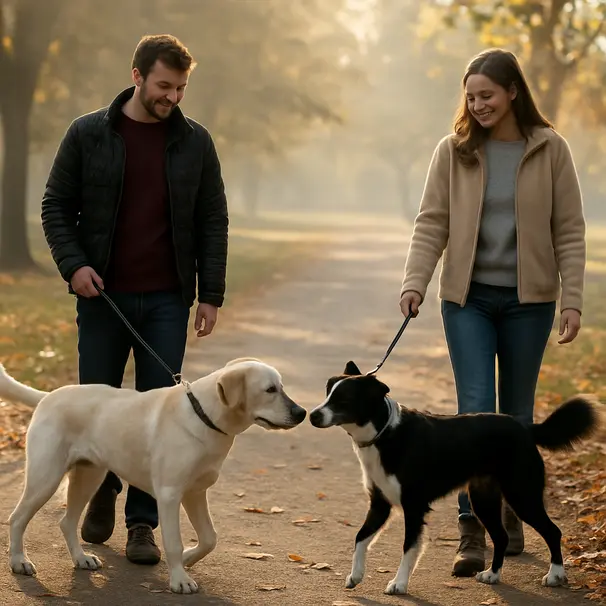
- Neutral territory first: Meet in a park or quiet street rather than at home. Leashed, with two handlers, let them sniff and move.
- Short sessions: Keep first meetings brief and positive. Walk them parallel at a distance, gradually closing the gap.
- Watch body language: Soft eyes, loose tails, relaxed play bows are good. Stiff body, growling, or intense staring are red flags.
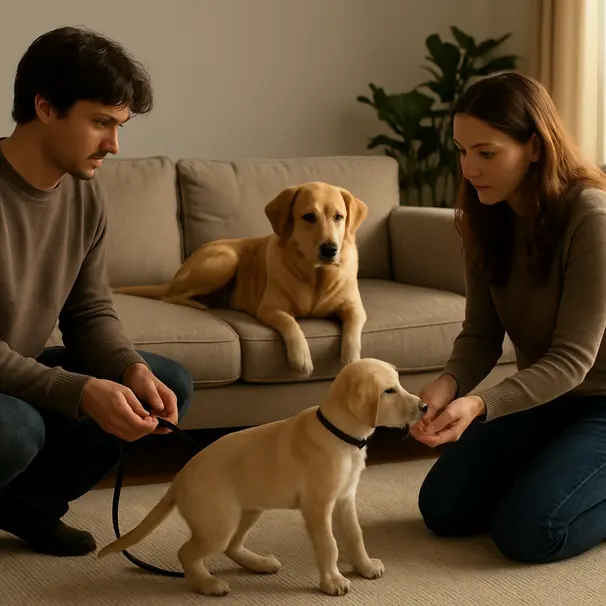
- Bring treats: Positive reinforcement can build a friendly association. Reward calm behavior from both dogs.
- Home entrance carefully: If the neutral meeting went well, bring them home together for a supervised, short visit.
- Separate safe spaces: Provide separate beds, bowls, and toys at first. Let them choose to interact or retreat.
- Gradual increase: Increase unsupervised time only after repeated calm, friendly interactions. Err on the side of caution.
If things escalate, separate calmly and try again later. Avoid punishing dogs for snapping or growling; these are communication tools. Instead, consult a trainer if you’re unsure.
Managing resources and avoiding jealousy
Resource management prevents many fights and stress.
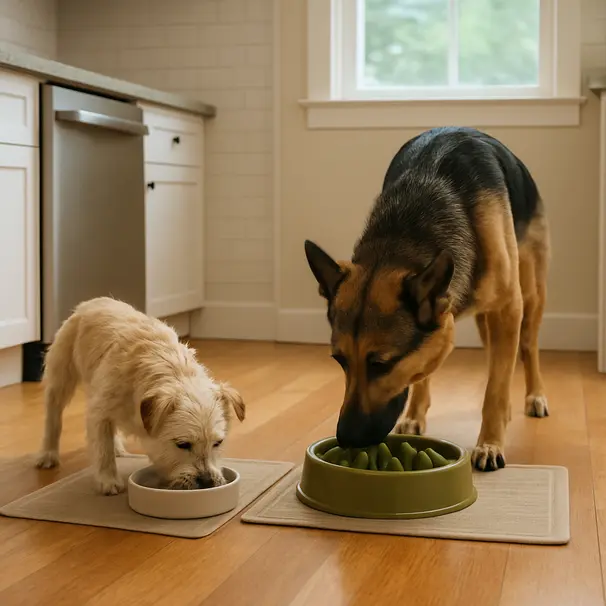
- Separate feeding: Feed dogs in separate areas or rooms until you’re confident they can eat together peacefully.
- Duplicate high-value items: Have extra toys and beds so each dog can access enrichment without competition.
- Scheduled one-on-one time: Give each dog undivided attention daily. This reduces jealousy and strengthens individual bonds.
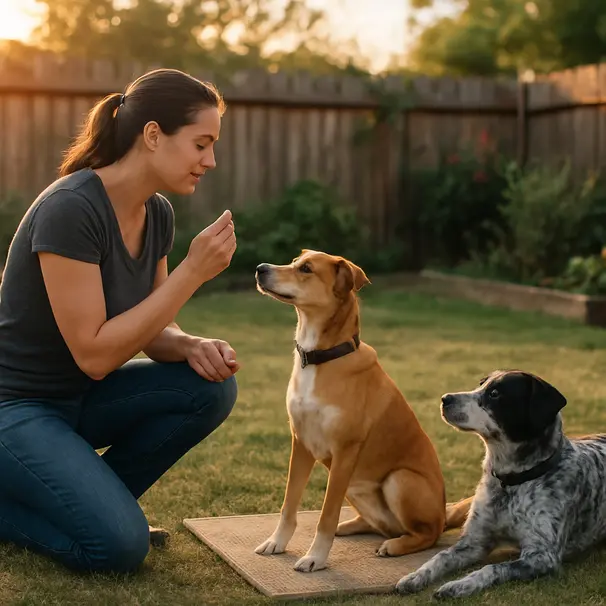
- Training as a team: Teach cues like “leave it,” “settle,” and “place.” Training together reinforces calm behavior around resources.
Practical routine: After meals, offer a calm chew or puzzle toy in separate spaces so dogs associate mealtimes with positive, non-competitive activities.
Training, routines, and enrichment for two dogs
Consistency and routine are your best friends. Two dogs that follow the same house rules are easier to manage.
- Crate and rest training: Crates or designated beds give dogs personal downtime. Make these spaces positive and accessible.
- Walks and structured exercise: Walk dogs separately at first if energy levels differ. Later you may be able to walk them together with training.
- Mental enrichment: Puzzle feeders, scent games, and short training sessions tire dogs mentally and reduce unwanted behaviors.
- Reinforce leadership cues: Clear, calm leadership helps both dogs understand boundaries. Use positive methods and reward good choices.
- Group training classes: A class for basic obedience can help both dogs generalize skills and practice calm behavior around others.
Remember: puppies require more frequent training bursts and supervision. Older dogs may need slower integration and protection from rough play.
When to involve a pro
Some situations benefit from early professional input.
- Ongoing aggression: Repeated fights, stiff posturing, or serious wounds need a behaviorist or certified trainer.
- High stress or anxiety: If either dog shows signs of prolonged stress, a vet consult is wise. Behavior and health often interact.
- Complex household dynamics: Multi-dog homes with children, multiple caregivers, or other pets can be tricky to manage without guidance.
- Rehoming considerations: If after honest, sustained effort the match isn’t working, behavior professionals can help evaluate options.
A qualified trainer or an applied animal behaviorist can give tailored strategies that fit your dogs’ personalities and your household.
Final tips and a simple checklist
Adding another dog is a decision that benefits from planning, patience, and realistic expectations. Here’s a quick checklist to save or print.
- Budget reviewed for two dogs
- Space and quiet areas prepared
- Current dog vet-checked
- Meet-and-greet done in neutral territory
- Separate feeding and duplicate resources ready
- Training plan and one-on-one time scheduled
- Professional help lined up, if needed
Parting thought: a second dog can multiply the joy in a home, but success comes from preparation and steady, kind management. Celebrate small wins — those first peaceful naps together are worth the work.
If you’d like help with introductions, daily walks, or supervised visits, Floofy carers can support your transition. A caring, experienced sitter or walker can make introductions smoother and give you peace of mind as the household adjusts.