


Adventures with Charlie: a dog’s joy of life
Charlie is the kind of dog who greets each morning like it’s a tiny miracle. The sun hasn’t fully warmed the pavement and Charlie is already tugging at the leash, eyes bright, nose twitching. For pet owners and carers, those moments are a reminder of why we share our lives with dogs. They teach us to slow down, to celebrate small discoveries, and to find joy in the simple things.

Why Charlie’s zest matters
Dogs like Charlie bring more than companionship. Their curiosity nudges us outside, their routines help shape our days, and their trust teaches us responsibility. If you care for dogs professionally or as an owner, paying attention to what sparks a dog’s joy will help you create reliable, loving experiences for them and the people who hire you.
Morning walks, slow sniffing, big smiles
There’s no single right way to walk a dog, but there are plenty of small habits that can make walks better for everyone. Charlie’s morning ritual is less about distance and more about discovery. Ten minutes of slow sniffing at a hedgerow can be more satisfying than a fast mile on a pavement.
- Let your dog set a comfortable pace during part of the walk. Sniffing is mentally enriching and helps reduce stress. It also encourages natural behavior.
- Use a secure, comfortable lead and harness suited to the dog’s size. A harness can help distribute pressure and can be gentler on the neck.
- Watch for signs of fatigue or overstimulation. Pauses, panting, or refusing to move may mean your dog needs a break.
For carers, a quick check-in with the owner before heading out can clarify route preferences, any avoidance areas, and whether the dog is reactive to other dogs or cyclists. A short note after the walk—what sniffed, how they behaved, and any potty notes—can be a lovely touch for worried owners.

The joy of varied environments
Charlie loves variety. A Tuesday park romp, a gentle river-side stroll on Wednesday, and a quiet courtyard sniff on Friday keep life interesting. Changing environments offers mental stimulation and helps build confidence in different settings.
- Introduce new places gradually. If a dog hasn’t been to a busy street or a crowded park, start with short visits and positive reinforcement.
- Carry treats or a favorite toy for good experiences. Reward calm behavior around new sights and sounds.
- Consider time of day. Early mornings or late afternoons can be quieter and less overwhelming for dogs new to busy spaces.
If you’re a carer meeting Charlie for the first time, ask about favorite routes and any places to avoid. Owners often know the micro-details, like which field has rabbit holes or whether a neighbor’s cat is particularly bold.
Play, training, and mental enrichment
Play is how Charlie learns and how he lets off steam. Games, puzzles, and short training sessions can be incredibly satisfying. Mental exercise can tire a dog out in a different, often more effective way than physical exercise alone.
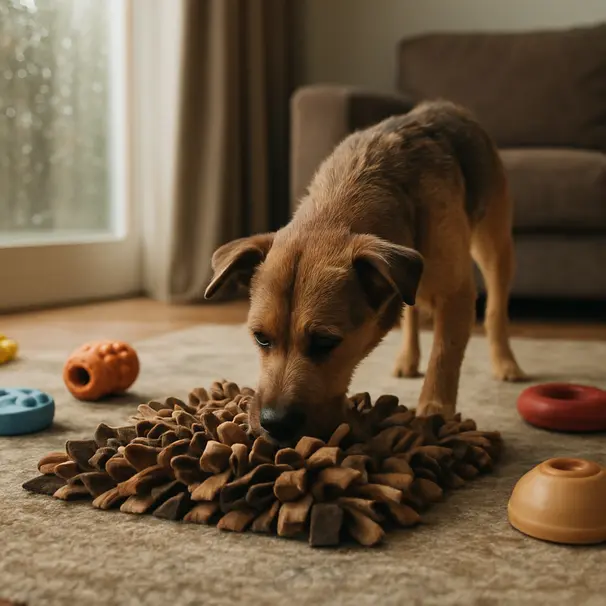
- Puzzle feeders or snuffle mats can turn meal time into a scavenger hunt. These activities slow eating and engage the nose.
- Short training bursts of five to ten minutes can reinforce good behavior. Keep sessions positive, reward often, and end on a success.
- Rotate toys to keep interest high. A toy that’s thrilling one week may be forgettable the next, so occasionally swap items in and out.
For carers, offering a short enrichment session during a visit demonstrates added value. A five-minute puzzle or a calm training moment can leave both dog and owner smiling.
Rainy days and indoor adventures
Not every day will be sunny. Charlie has learned to love rainy-day rituals: tug games in the hallway, interactive treats hidden under towels, and supervised ball tosses down a hallway for controlled energy release.
- Have a toolkit for indoor days: towel, interactive toys, and a few treats for quick games.
- Short indoor obstacle courses can challenge a dog physically and mentally. Use boxes, cushions, and safe household items.
- Practice calm behaviors indoors. Teaching a dog to settle on a mat can help in apartments or when guests arrive.
Consider that some dogs may find storms or loud noises stressful. If a dog becomes anxious, a quiet, dim room and gentle reassurance can help. If anxiety is severe or persistent, suggest the owner consider professional advice from a trainer or vet.
Grooming, health, and hands-on care
Charlie is happiest after a brush. Grooming is a chance to check for lumps, skin issues, and ear health, and it’s also prime bonding time. For carers, offering gentle grooming during a visit is a practical way to build trust.
- Brushing removes loose fur and can help distribute natural skin oils. Consider coat type when choosing a brush.
- Keep nails trimmed to a comfortable length. Overgrown nails may cause gait changes or discomfort.
- Check ears and teeth regularly. Smells, redness, or discharge may be signs that warrant attention.
Use careful language around health. You can say things like, “I noticed Charlie seemed quieter than usual,” or “Consider checking with your vet if this continues.” Avoid making medical claims.
Safety first: outings and social interactions
Charlie loves meeting other dogs, but every dog has limits. Safe, calm introductions reduce stress and help create positive experiences.
- Let dogs meet on neutral ground and keep the first interaction short. Allow sniffing but watch body language.
- Use a sturdy leash and keep a safe distance if either dog shows signs of discomfort.
- Learn basic canine body language: loose wagging, play bows, and relaxed postures are good signs. Stiff bodies, prolonged staring, or raised hackles may indicate unease.
For carers, carrying a slip lead and knowing emergency contacts, including the owner’s vet and local emergency clinic, is responsible practice. A small first aid kit for minor cuts or scrapes can help until professional care is available.
Building trust between owners, dogs, and carers
A great relationship between owner and carer is built on clear communication and small thoughtful touches. Owners want to know their dog was safe and happy. Carers want clear instructions to deliver that experience.
- Ask for routines and preferences. A short questionnaire or a quick chat can cover walk times, feeding amounts, medication schedules, and favorite calming cues.
- Send a quick message after visits with a photo and a few notes. “Walked to the lake, explored the tall grass, snoozed for 30 minutes after” reassures owners.
- Respect the dog’s individual quirks. Some dogs love car rides. Others prefer the safe space of home. Follow the owner’s guidance and watch the dog’s cues.

When to consult a professional
If you notice persistent changes in behavior, appetite, or mobility, mention your observations and suggest the owner consider a vet visit. Use gentle language: this may be a sign worth checking with a professional. For behavioral concerns, a qualified trainer or behaviorist may offer tailored, effective strategies.
Practical checklist for carers and owners
- Leash and harness appropriate for the dog.
- Treats for reinforcement and training.
- Waste bags and clean-up supplies.
- A small towel for wet paws or muddy days.
- Contact list: owner, alternate emergency contact, and vet.
- A simple first aid kit and a slip lead for quick control.
Keep notes after visits. A short log of walks, mood, eating, and any unusual signs can be invaluable over time.
Saying yes to the small moments
Some of the best parts of caring for a dog are the tiny, everyday rituals. Charlie’s joyful shake after a bath, the way he leans in for a forehead nuzzle, or the satisfied sigh after a puzzle are the moments that stick with you.
Being a thoughtful owner or carer means celebrating those tiny wins. It means showing up consistently, observing carefully, and sharing the little stories that make each dog unique.
Whether you’re taking your own dog out or walking for a neighbor through a pet care platform, think of your time together as an adventure of small discoveries. It’s rarely about grand feats. It’s about the thousand tiny ways dogs invite us to be kinder and more present.
Final thoughts
Charlie reminds us daily that life is best enjoyed with curiosity. When carers and owners work together, dogs thrive. Keep routines predictable but flexible. Offer new experiences slowly. Celebrate curiosity and calm. And always, always bring treats.
If you’re a carer, these practices can help you build trust and deliver exceptional care. If you’re an owner, they can guide you in choosing a carer who shares your dog’s rhythms. Either way, the goal is the same: more joyful days, more wagging tails, and lots of stories to share.