

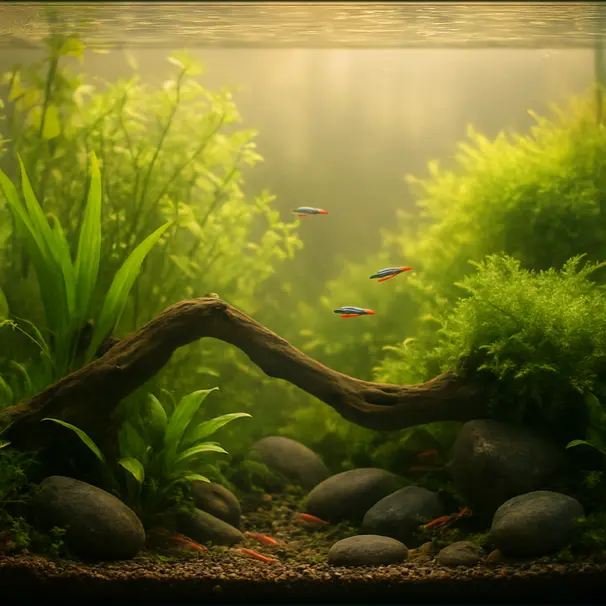
Aquascaping: a cozy, healthy world for aquatic pets
Aquascaping is more than arranging rocks and plants. It is about crafting living space that meets the needs of fish, shrimp, snails, and other aquatic pets. A thoughtful layout can reduce stress, encourage natural behaviours, and make daily care easier for owners and pet carers.
This guide is written for both pet owners and carers. I’ll walk you through planning, substrate and hardscaping, plant choices, lighting, maintenance, and how to pass a tank to a sitter with confidence. Expect practical tips, checklist-style actions, and a few smile-worthy notes from someone who has rearranged many tanks and learned from trial and error.
Planning your aquascape: goals, pets, and time
Start with a quick chat between owner and carer. Ask these questions:
- What species live in the tank? Different fish and invertebrates have different needs.
- How often will someone visit to feed and check the tank? Carers may visit daily or a few times a week.
- Is the aquascape meant to be high-maintenance show style, or low-maintenance and resilient?
Set clear goals. If your main residents are delicate plants or high-maintenance fish, budget time for CO2, dosing, and pruning. If you want something forgiving, choose hardy plants and an aquascape that hides minor algae and debris.
A little planning prevents a lot of late-night tank panics. Think about access too. A carer should be able to reach equipment, feeders, and the water test kit easily.
Tank type and compatibility
Match your tank style to the animals. Planted nano tanks make great homes for shrimp and small schooling fish. Larger planted tanks give more swimming space and planting variety for fish like tetras and rasboras. Keep in mind some pets can uproot plants. Goldfish and many turtles may dig and rearrange substrate; they need different scaping choices.
If you have curious pets that like to rearrange their world, use heavier rocks, larger driftwood pieces, and plant in pots or use anchoring techniques. For delicate setups with soft-leaved plants, pick species that tolerate gentle nibbling or choose species kept with species that are plant-safe.
Substrate and hardscape: the foundation
Choose a substrate that suits plants and pets. Active substrates that release nutrients can help root feeders, while inert sand or gravel offers simplicity and is easier to clean. A planted tank often benefits from a layered approach: nutrient-rich base with a fine top layer for aesthetics.
Hardscape shapes the look and flow. Rocks, driftwood, and ornaments create hiding places and territory. Aim for a natural look by varying sizes and aligning pieces to guide the eye. Avoid sharp edges that could injure curious fish or inquisitive snails.
Plant anchoring tips:
- Use aquarium-safe glue or thread to attach plants to wood or rock.
- Try plant weights for foreground species temporarily until roots take hold.
- For sandy substrates, consider root tabs to feed plants.
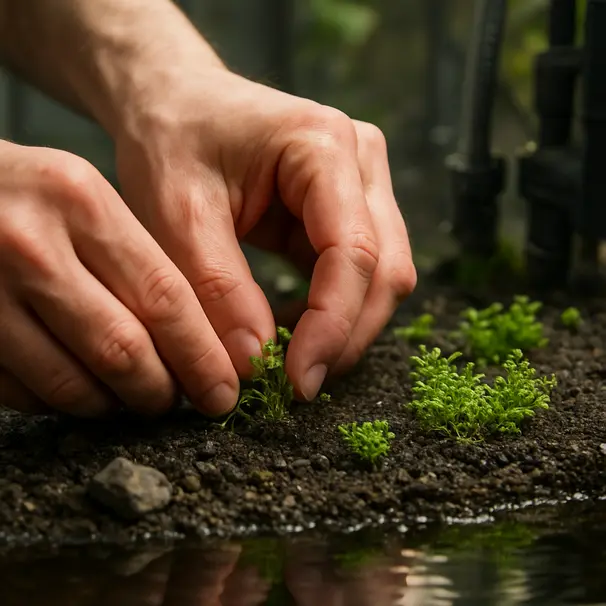
Choosing plants for pets and carers
Plants are the heart of aquascaping, but choice depends on who lives in the tank and who will care for it.
Low-maintenance picks:
- Java fern, Anubias, and mosses: tolerant of lower light and forgiving of missed trims.
- Cryptocoryne species: hardy and slow-growing, though they can show “melt” when conditions change.
Faster-growing options (great for nutrient uptake and algae control):
- Stem plants like Hygrophila and Ludwigia.
- Floating plants like duckweed or water sprite, which also provide shade and soft filtration.
Be mindful of pets that graze. Shrimp and snails usually love biofilm on leaves. Fish that nibble may damage delicate species. If you plan infrequent visits from a carer, prefer plants that hold up to variable light and feeding patterns.
Designing for behaviour and welfare
Think like an animal. Fish need swim space, hiding spots, and boundaries. Shrimp crave fine-leaved plants and moss that foster grazing surfaces. Bottom dwellers like Corydoras or loaches appreciate smooth open substrate or gentle slopes.
Use these layout ideas:
- Foreground: low carpets like Dwarf Hairgrass or Monte Carlo.
- Midground: mid-height plants, rock clusters, driftwood branches.
- Background: tall stems and floating plants for shade.
Create flow with visual pathways. Aquascapes should let fish move naturally and give carers clear access to feeders and equipment.
Lighting, CO2, and fertilisation basics
Lighting affects plant growth and algae. Too little light, and photosynthetic plants will struggle. Too much light, and algae may bloom. For carer comfort, document the lighting schedule and intensity so sitters can match it while you’re away.
CO2 can dramatically boost plant health, but it adds complexity. If you or your carer prefer simpler upkeep, pick plants that grow well without CO2.
Fertilisation may be liquid dosing or root tabs. Keep a simple log for carers: what to dose, how much, and when. If a tank relies on weekly dosing, leave clear instructions and enough product for the sitter’s visits.
When suggesting changes that may affect pet health, encourage owners to consult experienced aquarists or aquatic vets as needed.
Filtration and water flow
Filtration keeps water clear and stable. Choose filters that produce gentle flow for timid species, or stronger circulation for high-oxygen setups. Canister filters are great for larger planted tanks, while hang-on-back filters are accessible for carers.
Place intake guards to protect shrimp and fry. Consider sponge prefilters to prevent small animals from being sucked in. Regular maintenance of filter media helps avoid sudden water chemistry swings, so include a simple filter cleaning schedule in the sitter checklist.
Maintenance routine for owners and carers
A reliable routine keeps aquascapes healthy and reduces surprises.
Weekly tasks:
- Check temperature and general behaviour of pets.
- Remove visible debris and prune overgrown plants.
- Perform 10 to 30 percent water changes, depending on stocking and nutrient levels.
- Test basic water parameters: ammonia, nitrite, nitrate, and pH if species require it.
Monthly tasks:
- Clean filter media gently in tank water.
- Replace worn equipment parts and top up supplements.
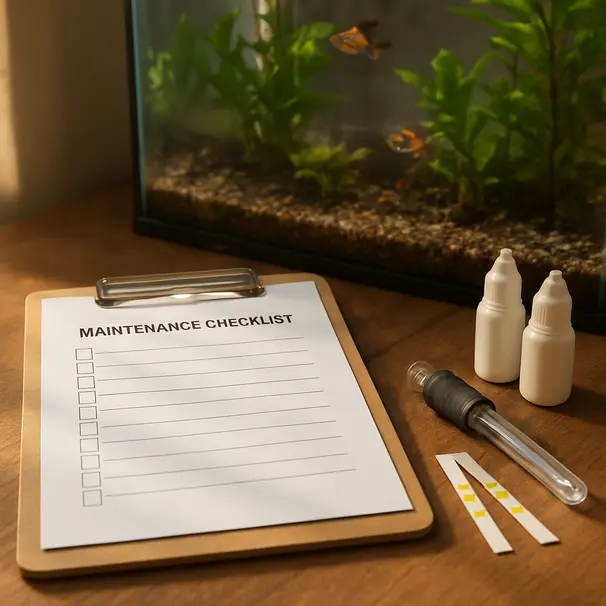
For pet carers, a short written checklist helps. Owners should label everything: light timers, dosing bottles, spare bulbs, and emergency contact numbers.
Sitter handover checklist: practical and friendly
Owners, prepare a clear handover folder. Include:
- Names and numbers: owner, emergency contact, aquatic vet, trusted hobbyist.
- Feeding instructions: food type, portion size, and feeding times.
- Equipment notes: heater setting, light schedule, filter model, CO2 settings if used.
- Medication or treatments currently in use.
- Troubleshooting tips for alarms or cloudy water.
Carers, arrive with a positive mindset. Bring fresh hands and a gentle touch. If unsure, take photos to share with the owner before making changes.
Troubleshooting common problems
Algae: It can pop up even in well-run tanks. Check light duration, nutrient dosing, and water flow. Manual removal, trimming affected leaves, and adding algae-eating species can help manage it.
Plant melt: Some plants intentionally shed leaves after transplanting. Keep conditions stable, maintain gentle water flow, and new growth often appears in a few weeks.
Cloudy water: Often caused by bacterial bloom after rearranging substrate. Small water changes and patience usually correct it. If ammonia or nitrite shows up on tests, take immediate action and inform the owner.
If a carer spots signs of illness in pets, suggest contacting the owner and, if necessary, an aquatic vet. Use cautious language like “may indicate” and “consider seeking advice.” Avoid diagnosing.
Safety and plant selection for pet health
Not all aquarium plants are safe for every animal. Some aquatic plants or even terrestrial plants placed near tanks can be toxic if ingested by curious turtles or mammals. Check reputable plant toxicity lists and label plants in the handover folder. If the aquarium hosts species that might nibble, choose resilient or non-toxic species.
Keep chemical treatments, fertilizers, and test kits out of reach. Secure lids and equipment so energetic pets cannot escape or get injured.
Final tips and small joys
- Keep a photo log. It helps track growth, and carers can send owners quick updates.
- Embrace slow change. Aquascapes evolve, and small tweaks are better than big overhauls.
- Build a small kit for sitters: spare filter media, test strips, a small siphon, and emergency food.
Aquascaping is part science, part gardening, and a lot of animal care. With clear communication between owners and carers, most setups stay healthy and beautiful. The right plants and layout make life easier for pets and people, and a well-crafted tank becomes a little living scene that makes everyone smile.
If you’re new to aquascaping, start small, document routines, and enjoy the learning process. Happy scaping, and may your tanks be full of curious shrimp, graceful fish, and thriving plants.