

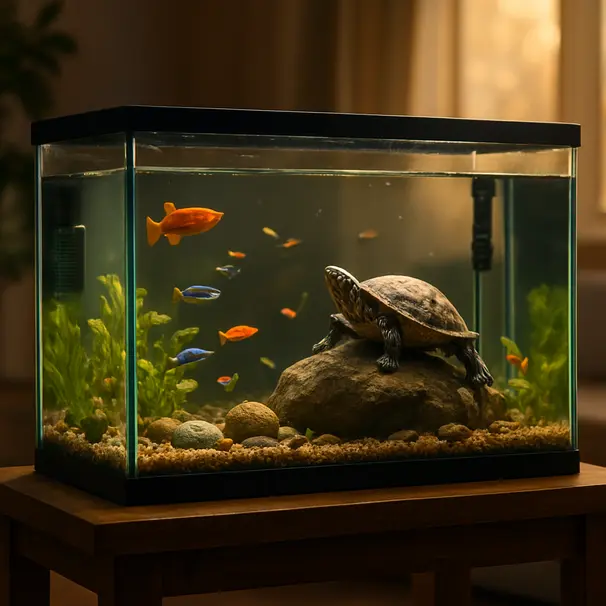
Warm welcome for owners and carers
Taking care of aquatic pets is a quiet, gentle kind of love. Fish, turtles, frogs, shrimp, and snails each bring their own little rhythms to a home. This guide is written for pet owners and trusted pet carers who step into someone else’s aquatic world. It focuses on practical safety, clear communication, and simple steps that protect animals and give carers confidence.
Know the pet in front of you
Every aquatic species has different needs. Before you hand over responsibility, make a short profile for each pet that includes species, approximate age, personality notes, diet, and any ongoing concerns.
- Fish: species, maximum size, tankmate compatibility
- Turtles and amphibians: basking needs, access to dry areas, UV requirements
- Invertebrates (shrimp, snails): sensitivity to chemicals and copper
A clear snapshot helps carers avoid accidental mistakes, like feeding the wrong food or adding a product that’s harmful to invertebrates.
Setting up a safe home environment
Safety starts with the environment. A secure, predictable setup reduces stress for animals and reduces risk for carers.
- Secure lids and covers. Curious turtles and some fish can escape small openings. Make sure lids lock or sit snugly.
- Stable stands and furniture. Ensure aquariums and tanks sit on furniture rated for the tank’s full weight.
- Electrical safety. Keep pumps, heaters, and lights on grounded outlets and use drip loops on cords to keep water away from sockets.
- Clear pathways. Keep the area around the tank clutter free so a carer can work without tripping or knocking things over.
Water quality basics carers should follow
Clean, stable water is the backbone of aquatic health. Carers don’t need to be water scientists, but they should follow these manageable routines.
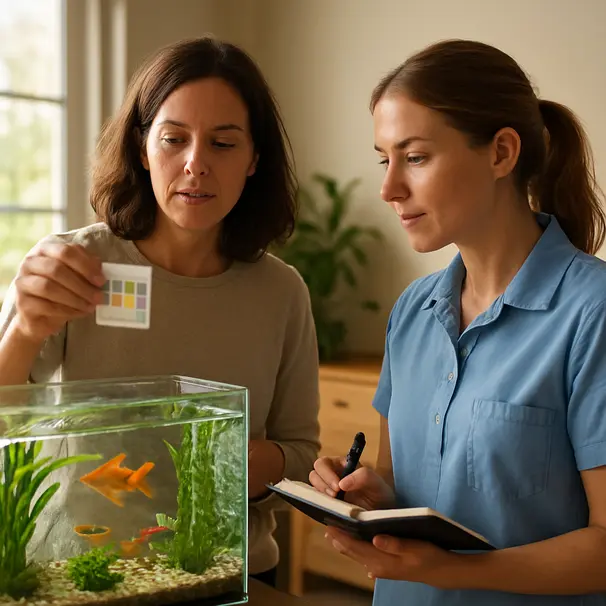
- Test regularly. Provide the carer with a test kit and the acceptable ranges for ammonia, nitrite, nitrate, pH, and temperature. A quick test on each visit can catch problems early.
- Keep a log. A notebook or digital note with dates and readings helps spot trends. Ask the carer to record every check.
- Filtration and flow. Confirm the filter type, how often it’s cleaned, and what parts, if any, can be rinsed. Remind carers to never clean all filter media at once.
- Temperature care. Give target temperature ranges and instructions on how to adjust heaters or what to do if a heater fails.
Consider leaving an easy step-by-step checklist taped near the tank. Simple bullets reduce hesitation and human error.
Feeding safely
Feeding seems straightforward, but overfeeding and wrong foods are common hazards.
- Portion control. Show the carer how much to feed each species and how often. Demonstrate if you can.
- Avoid human food. Remind carers not to feed leftover table scraps; these can foul water quickly.
- Supplements and medications. Clearly label any special treatments and provide written instructions for timing and dosage.
Handling and supervision
Many aquatic pets do best with minimal handling. When handling is necessary, do it safely.
- Use nets or soft, damp hands for fish. Wet your hands first to protect slime coats.
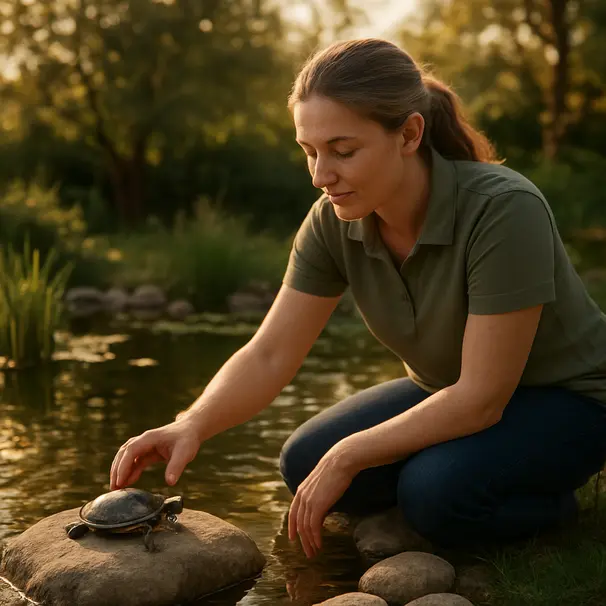
- Turtles and amphibians. Support the body fully and keep them low to a soft surface to avoid falls. Teach carers how to carry them and how long they can be out of water.
- Avoid stress. Quick, jerky movements or loud noises can stress animals and make handling dangerous for both pet and carer.
Cleaning and maintenance routines
Routine cleaning helps prevent disease and keeps tanks safe. Share the exact schedule you follow.
- Water changes. Explain the percentage and frequency, and whether to treat tap water. Demonstrate siphoning and show where to deposit dirty water.
- Glass and decor. Clarify what cleaners are safe. Many household cleaners can harm aquatic life, so recommend only aquarium-safe products.
- Equipment checks. Ask carers to confirm filters, air pumps, lights, and heaters are working. A quick glance during each visit helps catch early issues.
Pond and outdoor water features
Outdoor features bring extra variables like predators, weather, and algae blooms.
- Fencing and covers. A simple cover can prevent herons or neighborhood cats from accessing shallow ponds.
- Seasonal care. Explain winterizing steps, and how to manage aeration or de-icers if temperatures drop.
- Chemical exposure. Warn carers about garden chemicals, fertilizers, and runoff that can quickly poison pond life.
Health monitoring and red flags
Carers should be encouraged to watch and report, not diagnose. Teach them what to look for.
- Behavior changes. Loss of appetite, hiding, gasping at the surface, or odd swimming patterns can mean trouble.
- Visible symptoms. White spots, fuzzy patches, cloudy eyes, or sores are signs to flag.
- Rapid changes in water readings. Sudden spikes in ammonia or nitrite are emergencies.
When a problem appears, suggest the carer contact you first, and provide your preferred vet or aquatic specialist contact. Use phrasing like: “This may require a vet consult.” Avoid giving medical diagnoses, but do state when to escalate.
Emergency planning
A calm plan is the best tool in an emergency. Prepare a short action card for carers with these essentials.
- Power outage steps. Provide battery backup options, battery-powered air pumps, and a plan for temporary water changes if filters stop.
- Quick transfers. If water becomes toxic, a small container with conditioned water and an air stone can keep a single fish alive while you arrange transfer.
- Contact list. Owner phone number, emergency contact, aquatic vet, and a neighbor who can help if you can’t be reached.
Transport and temporary removal
Sometimes pets need a temporary move, for example during heavy maintenance or a long power outage.
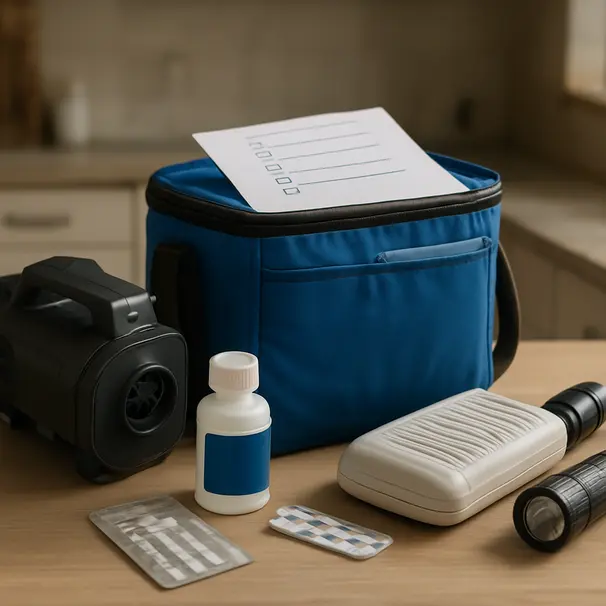
- Safe carriers. Use sturdy containers with secure lids and air. For turtles, a padded container helps prevent injury.
- Keep water stable. When moving fish, avoid sudden temperature and pH changes. Consider moving some tank water along with them.
- Short trips only. Avoid long car journeys unless absolutely necessary and avoid exposing pets to extreme temperatures.
Children, visitors, and pets
Visitors and kids may love to watch or touch, but supervision matters.
- Clear rules. Post a friendly “look but don’t touch” sign if handling is risky.
- Hand hygiene. Washing hands before and after handling protects both humans and animals.
- Supervised interactions. If children interact with turtles or frogs, an adult should always supervise to protect both child and pet.
Communicating with your carer
Good handovers are short, specific, and kind. A little preparation helps everyone relax.
- Leave written instructions. A 1-page guide with feeding, testing ranges, cleaning schedule, and emergency steps is ideal.
- Demonstrate in person. Walk through one full visit with your carer before leaving. Watch them perform simple tasks and answer questions.
- Provide supplies. Ensure there’s enough food, water conditioner, test strips, and any meds the carer might need.
- Share routines. Mention times when pets are most active, shy, or need quiet. Small notes like “Turtle naps on the basking rock at noon” help carers build trust.
A practical handover checklist for owners
Use this checklist so your carer can start confidently.
- Tank and species list with each pet’s needs
- Feeding amounts and timings
- Test kit and acceptable ranges for each parameter
- Cleaning schedule and where tools are stored
- Equipment instructions for filter, heater, air pump
- Emergency contacts and preferred vet
- Location of spare supplies, food, and water conditioner
- Spare key or access details and any house rules
Final thoughts
Aquatic pets thrive when their environment is steady and cared for with gentle routines. A calm, friendly handover and a clear safety plan make life easier for owners and carers. Small habits like leaving a labeled bottle of water conditioner, a simple logbook, and a short demo visit can prevent big problems later.
Caring for a tank or pond is a quiet trust. With thoughtful preparation, your carer can step into that trust confidently, and your pets will stay safe and content until you return.
Thanks for taking the time to plan. Happy swimming, paddling, and bubbling!