

Aquatic pet tank mates and compatibility guide for pet carers
Caring for aquatic pets is a little like hosting a tiny underwater neighbourhood. Some residents get along famously, others prefer their own space, and a few need careful introductions before they can share a tank. This guide is written for pet owners and carers who want practical, friendly advice for choosing compatible tank mates, preventing common problems, and keeping aquatic communities peaceful and healthy.
Start with the basics of compatibility
Compatibility isn’t just about whether two animals will ignore each other. It’s about matching water chemistry, temperature, size, temperament, diet, and biological needs. A mismatch in any of these areas can mean stress, illness, or aggression.
Water chemistry and temperature
- pH: Many freshwater tropical fish prefer a pH between 6.5 and 7.5, but some species need more acidic or alkaline conditions. Always check preferred ranges for each species and aim for overlap.
- Hardness: Soft-water dwellers and hard-water species can struggle together. Learn the general hardness (GH) and carbonate hardness (KH) needs of each animal.
- Temperature: Tropical fish tend to like 24–28°C (75–82°F), while cool-water species like fancy goldfish prefer lower temperatures. Don’t mix species with very different temperature needs.
Consider investing in a reliable thermometer and test kits, and leave room for slight tolerance ranges rather than exact numbers.
Size, appetite, and tank space
- Adult size matters. A small tetra and a large cichlid won’t pair well in the long term if the bigger fish sees the smaller as food, or if one outcompetes the other for territory.
- Stocking density affects stress and water quality. Overcrowding increases aggression and disease risk. A general mantra: give more space than you think you need.
Temperament and behaviour
- Peaceful community species like many tetras, rasboras, and Corydoras catfish often do well together. Territorial or aggressive species, such as many cichlids, need species-specific setups.
- Nocturnal versus diurnal: mixing night-active shrimp or catfish with daytime grazers can work, but you’ll want hiding spots for shy or nocturnal animals.
Diet and feeding style
- Herbivores, omnivores, and carnivores need different food types. Bottom feeders like loaches or catfish may require sinking pellets, while surface or mid-water feeders prefer flakes or frozen foods.
- Competition at feeding time can stress smaller or slower eaters. Plan feeding zones and use slow-release or target-feeding techniques if needed.
Popular compatible groupings and common pitfalls
Here’s a quick look at common aquarium communities and what carers should watch for.
Community freshwater tanks
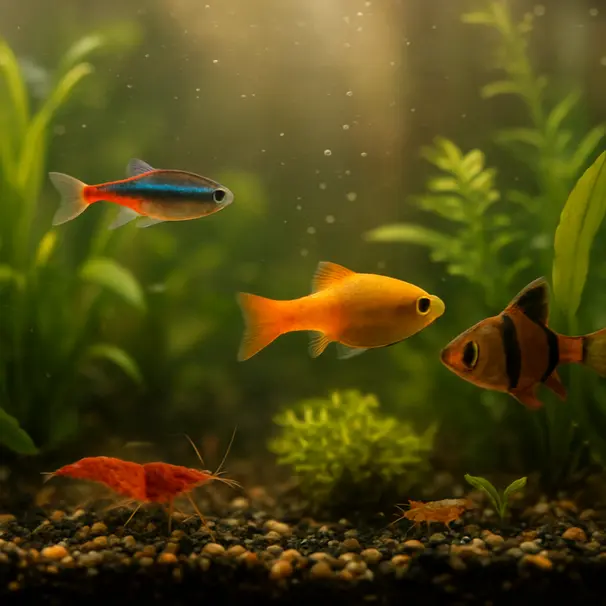
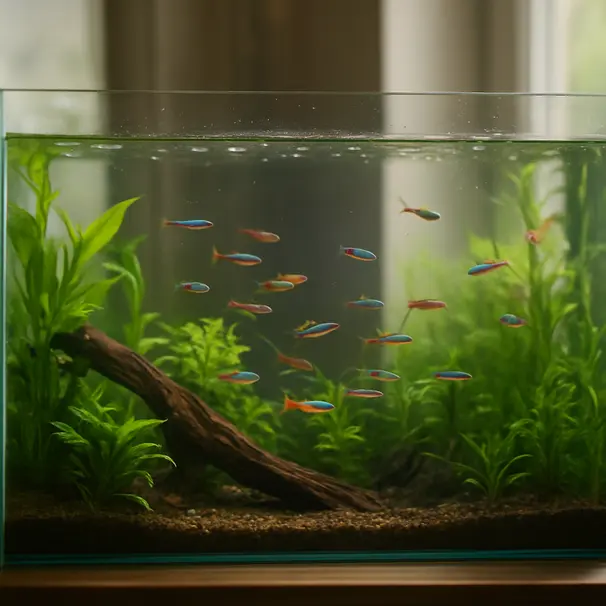
Good for beginners and carers who look after multiple species. Typical residents include small tetras, rasboras, guppies, platies, danios, and bottom dwellers like Corydoras.
- Why they work: Similar peaceful temperaments, overlapping temperature and pH needs, schooling behaviour that reduces stress.
- Watch for: Fin nippers, like some barbs, that can harass long-finned species. Also, livebearers can breed rapidly, so plan for population control.
Cichlids and territorial species
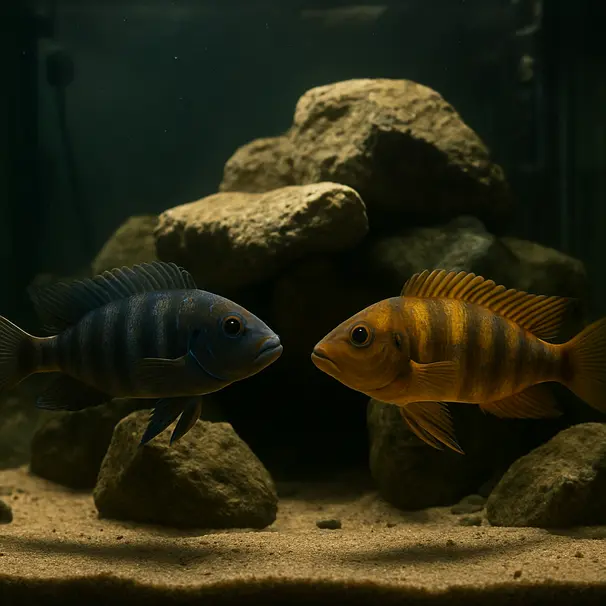
Cichlids range from peaceful to highly aggressive. African rift lake cichlids and South American cichlids have different water chemistry needs and social structures.
- Why they need care: Many form territories and can be aggressive toward newcomers. They may rearrange decor and dig.
- Management tips: Keep similar-sized, similar-tempered species together. Provide plenty of rockwork and hideouts to break line-of-sight and reduce conflict.
Shrimp, snails, and small invertebrates
Shrimp and snails are great algae cleaners but can be vulnerable in community tanks.
- Compatibility: Cherry shrimp can live with small tetras or peaceful Rasboras, but they’re likely to be eaten by larger or aggressive fish.
- Tips: Provide dense planting, mosses, and hiding spots. Avoid copper-based medications, and consider separate shrimp-only tanks for breeding or sensitive species.
Brackish and marine mixes
Brackish fish like mollies, some gobies, and monosiliquentia require a specific salinity range. Marine fish demand even more precise conditions.
- Don’t mix freshwater and brackish or marine species. Their osmoregulation needs are different and can be fatal.
- For carers: monitor salinity, filtration, and skimming. Marine tanks often need protein skimmers and different lighting for corals.
Step-by-step: introducing a new tank mate
A careful introduction is one of the most important things a carer can do. Rushing this step leads to stress, aggression, and escapes.
- Quarantine new arrivals. Keep new fish in a separate tank for 2–4 weeks to watch for disease and parasites. Treat problems there, not in your main display tank.
- Match water parameters. Float the transport bag in the quarantine or display tank, gradually equalising temperature. If the fish looks stressed, slow the acclimation.
- Rearrange decor in the display tank. Moving a few plants or rocks breaks up established territories and reduces immediate aggression.
- Use a net or separator at first. A clear breeder box or mesh divider allows visual contact without physical risk.
- Feed both sides of the tank. Synchronized feeding helps animals focus on food rather than territorial disputes.
- Monitor behaviour closely for the first 48–72 hours, then daily for two weeks. Look for hiding, fin damage, rapid breathing, or loss of appetite.
If aggression becomes persistent, consider relocating one of the species, adding more hiding places, or, for small or essential animals, creating a separate tank.
How to read stress signs
- Rapid gill movement, clamped fins, or darkening colour can indicate stress or poor water quality.
- Hiding for long periods or sitting listlessly at the bottom deserves a vet consult or expert advice.

Designing a tank with compatibility in mind
A thoughtful tank design reduces conflict and keeps every species comfortable.
- Layers and zones: Provide surface cover, midwater plants, and bottom caves. Different species will claim different vertical spaces, reducing direct competition.
- Hiding places: Use rocks, driftwood, plants, and commercial caves. The more hiding spots, the better shy or territorial animals will cope.
- Substrate and flow: Sandy substrate suits bottom-dwellers like loaches. Strong flow benefits some riverine species, while calm water suits many tetras.
- Filtration and maintenance: A clean, well-filtered tank reduces stress and disease. Carers should follow a maintenance schedule for water changes and filter checks.
Feeding plans and special diets
- Create a feeding timetable and record which species get which foods. Sticky labels on the tank or a simple checklist help carers follow feeding rules.
- Avoid overfeeding. Uneaten food harms water quality and invites disease.
- Offer a varied diet: combine quality flakes, pellets, frozen or live foods, and plant matter as appropriate for each species.
Target feeding techniques
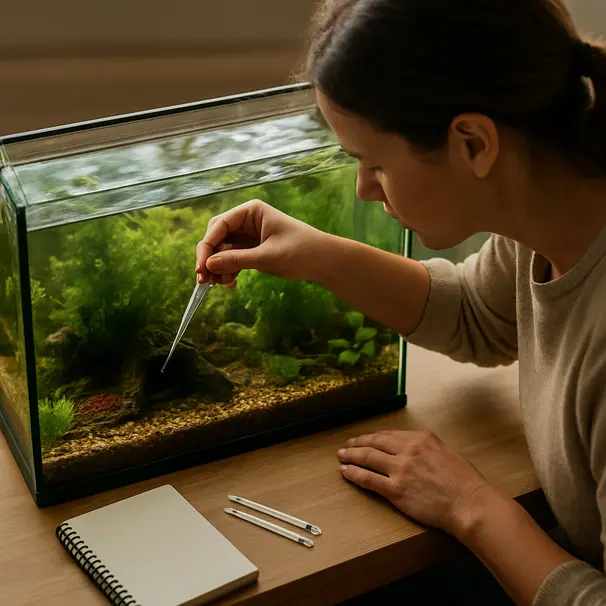
Use a feeding pipette or turkey baster to place food in different zones. This ensures bottom-dwellers and slow eaters get enough without more aggressive species taking it all.
Special considerations for carers
Carers often manage multiple tanks or animals owned by different people. Communication and written instructions are vital.
- Leave clear care notes, including temperature, feeding schedule, medication history, and known quirks of individual animals.
- Emergency contacts: include the owner’s vet, preferred aquatic specialist, and aquarium supplier.
- Medication and treatments: don’t medicate the main tank unless authorised. Many common treatments, particularly copper-based ones, are toxic to shrimp and invertebrates.
Health checks and when to call a vet
- Consider a vet if you see rapid deterioration, visible lesions, severe breathing difficulty, or if a problem doesn’t respond to standard quarantine measures.
- For unclear issues, a knowledgeable aquatic vet or experienced aquarist can help. Always document symptoms, water parameters, and recent changes.
Quick compatibility checklist for carers
- Check adult sizes and final dimensions before introducing animals.
- Compare temperature, pH, and hardness ranges for every species.
- Match temperaments; avoid putting obvious predators with tiny peaceful fish.
- Quarantine new arrivals and observe for parasites or disease.
- Provide layered habitat with plenty of hiding spots.
- Plan feeding zones and record diets clearly.
- Avoid mixing freshwater with brackish or marine animals.
- Keep contact details and treatment notes accessible.
Final thoughts: gentle introductions build happy tanks
Aquariums can be peaceful, engaging environments when carers take the time to match needs, introduce companions carefully, and watch for subtle signs of stress. Small adjustments, like extra hiding spots or a staged introduction, often solve problems early. Remember, each species is an individual; patience and curiosity go a long way.
If you’re ever unsure, reach out to the pet owner, a vet, or an experienced aquarist. A trusted carer who knows how to observe, record, and act thoughtfully keeps tanks healthy and makes aquatic pets feel right at home.
- Compatibility checklist: copy this for handover notes
- Quarantine log: dates, observations, treatments
- Feeding plan: foods and times
Happy tank tending, and may every little fin and shell feel safe in your care.