

Aquatic pet wellbeing: essential care tips for healthy aquarium fish
A quiet aquarium can be a calming corner of any home, but a peaceful glass tank hides a bustling, delicate ecosystem. As a pet owner or carer, your choices matter every day. Small habits — steady water changes, thoughtful feeding, and gentle observation — can make a huge difference for your fish.
This guide is friendly, practical and full of steps you can start using right away. I’ll walk you through setup basics, a simple maintenance schedule, feeding advice, ways to spot early health signs and little enrichment ideas that help fish feel at home.
Creating a stable aquarium environment
Stability is the single most important thing for fish wellbeing. Rapid swings in temperature, chemistry or light levels stress fish and may open the door to illness. Here’s how to build a stable foundation.
Pick the right tank size
Bigger is almost always better. A larger volume of water buffers changes in temperature and chemical levels. A 20-gallon tank is a far easier environment to manage than a 5-gallon one, especially if you plan to keep more than a couple of small fish.
Consider the adult size of the fish you want. Some species need extra horizontal space, while others like depth. If you’re unsure, look up the adult length and recommended minimum tank volume for the species.
Cycle the tank before adding fish
A new tank needs time to establish beneficial bacteria that break down toxic ammonia and nitrite. This process, called cycling, may take several weeks. You can accelerate it by:
- Using a filter seeded with material from an established tank
- Adding a small amount of fish food to feed bacteria
- Purchasing a bottled nitrifying bacteria product from a reputable store
Test water parameters as you go. Ammonia and nitrite should be at or near zero before introducing a full load of fish.
Filtration and water flow
Choose a filter rated for your tank size. Filters do three jobs: mechanical, chemical and biological filtration. Make sure the filter produces a gentle yet consistent water flow. Strong currents upset slow-swimming species, while too little flow can allow waste to settle.
Clean filter media gently in tank water during maintenance. Avoid scrubbing all the media at once; preserving some beneficial bacteria helps keep the biofilter strong.
Heating and lighting
Most tropical fish do well in the 24–27°C (75–80°F) range. Use a reliable heater and a separate thermometer. Place the thermometer where you can see it at a glance.
Lighting helps live plants and shows off your fish, but too much light can fuel algae growth. Aim for 8–10 hours of light a day for planted tanks, and use a timer to keep a consistent schedule.
Water quality basics
Good water quality is the heart of fish health. Regular testing and small, consistent corrections are far safer than occasional dramatic fixes.
What to test and why
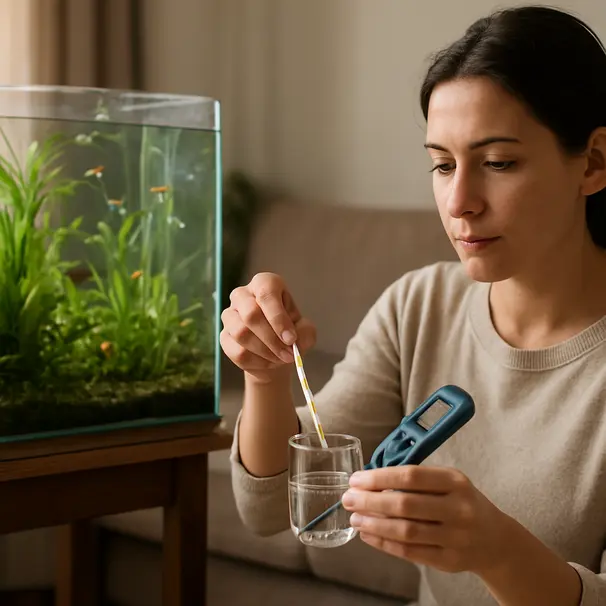
Keep a testing kit on hand and check these parameters regularly:
- Ammonia (NH3/NH4+): Should be zero. Even small amounts are toxic.
- Nitrite (NO2-): Also should be zero.
- Nitrate (NO3-): Less toxic, but should be kept below 20–40 ppm for most species.
- pH: Different fish prefer different pH ranges, but sudden swings are the real problem.
- GH and KH (general and carbonate hardness): Important for certain species and stable pH.
Testing weekly is a good habit, with more frequent checks after adding new fish or plants.
Partial water changes
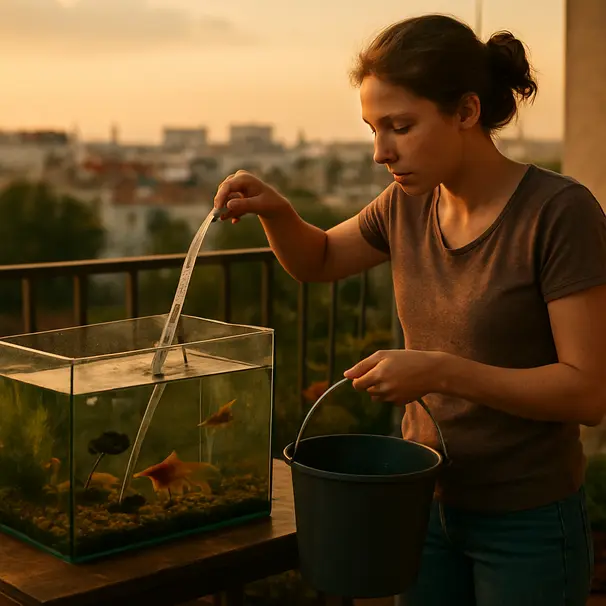
Regular partial water changes are the single most effective maintenance task. For many community aquariums, changing 10–25% of the water weekly keeps nitrates down and replaces trace minerals.
When doing water changes:
- Match the temperature of the new water to the tank water.
- Treat tap water with a dechlorinator to remove chlorine and chloramine.
- Add new water slowly if you’re replacing a large percentage.
Small, frequent changes are gentler than big, infrequent ones. They also reduce stress for fish and keep the aquarium chemistry steady.
Acclimation for new arrivals
New fish should be acclimated slowly to the tank water to avoid shock. A common, gentle method is drip acclimation or the floating-bag method. Open the bag and add small amounts of tank water to the bag over 20–30 minutes, then release the fish.
Avoid mixing water from different sources into the tank and quarantine new fish when possible. Quarantine helps prevent introducing illnesses to the main display.
Feeding and nutrition
Feeding seems simple, but mistakes here are a major source of trouble. Overfeeding pollutes the water, while poor diets leave fish vulnerable to disease.
Offer a balanced diet
Feed a high-quality staple food appropriate for your species. Many fish do well on a mix of flakes or pellets plus occasional frozen or live treats like daphnia, brine shrimp or bloodworms. Plant-eating species may need blanched vegetables.
Variety helps ensure fish get a full range of nutrients. Rotate foods every few days and avoid relying on a single brand or type.
Keep portions small
A good rule: feed what fish will clean up within 2 minutes, once or twice a day depending on species. Juveniles often need more frequent small meals.
If uneaten food sinks and sits, remove it quickly with a siphon. Excess food breaks down and raises ammonia and nitrate.
Special diets and picky eaters
Some species have specialized needs. Research specific requirements for herbivores, carnivores and omnivores. If a fish refuses food, try offering a small variety of fresh or frozen options and reduce feeding frequency slightly; a brief fast for healthy adult fish can sometimes reset their appetite.
Tank maintenance routine
A simple, repeatable routine keeps things manageable. Here’s a weekly and monthly checklist that may help.
Weekly:
- Test water parameters for ammonia, nitrite, nitrate and pH.
- Do a 10–25% water change.
- Vacuum the substrate to remove uneaten food and detritus.
- Clean glass with an algae scraper.
- Top up evaporated water with conditioned water.
Monthly:
- Rinse filter sponges or mechanical media in tank water.
- Replace chemical media like activated carbon if you use it.
- Trim live plants and remove decaying leaves.
- Inspect equipment: heater, filter, lights.
Keep a simple log with dates, parameter values and maintenance actions. It’s satisfying to watch water quality stabilize over time.
Health signs and common issues
Early observation is your best tool. Fish can’t tell you when they feel off, but behavior and appearance give clues.
Watch for warning signs
Look for:
- Lethargy or unusual hiding
- Loss of appetite
- Gasping at the surface (could indicate low oxygen or poor water quality)
- Clamped fins, frayed fins or visible spots and lesions
- Erratic swimming or rubbing against objects
If you see these signs, test the water first. Poor water quality is often the underlying cause. Consider quarantining affected fish and consult an aquatic veterinarian for persistent or severe symptoms.
Common problems and gentle fixes
- Algae blooms: Reduce light, avoid overfeeding and keep up regular water changes. Adding algae-eating snails or shrimp can help, depending on your setup.
- Ich and external parasites: These often present as white spots. Treatment options exist, but check species sensitivity and consider temperature changes carefully. Seek vet advice for medication choices.
- Swim bladder problems: Often related to diet or constipation. A short fast and feeding shelled peas (for suitable species) may help.
Always use medications cautiously and follow dosage instructions. Some medications affect beneficial bacteria or harm invertebrates and plants.
Enrichment and social needs
Fish are more than pretty ornaments. Many species show personalities and enjoy environmental enrichment.
Create hiding spots and territories
Use rocks, caves, driftwood and plants to create places to hide. These features reduce stress and let fish establish territories. Live plants can offer both enrichment and water quality benefits.
Social species and companions
Research social needs carefully. Some species thrive in schools and need the company of their own kind, while others are territorial and do better alone or in carefully planned groups. Compatibility depends on temperament, water chemistry needs and adult size.
Gentle interaction
While most fish won’t snuggle, they can learn feeding routines and recognize carers. Move calmly during maintenance and avoid sudden changes. A consistent daily rhythm helps fish feel secure.
Working with a pet carer or sitter
If you’re hiring a carer or using a pet-sitting service through a platform like Floofy, prepare a clear checklist:
- Daily feeding schedule and portion sizes
- Locations of spare equipment, food and water conditioner
- How to perform a quick water check and emergency contacts
- Notes on any shy or aggressive individuals
Walk the carer through tank equipment and routines. A short practice session reduces stress for fish and gives you confidence that your sitter can handle small issues.
Final checklist: a quick daily, weekly and monthly routine
Daily:
- Observe fish for 5–10 minutes
- Feed appropriate portions
- Top up evaporated water
Weekly:
- Test water parameters
- 10–25% water change
- Vacuum substrate
- Clean glass and remove visible debris
Monthly:
- Rinse filter media in tank water
- Trim plants and check equipment
- Review stocking levels and fish health logs
Wrapping up
Caring for aquarium fish is a joyful mix of science and simple routines. Keep things steady, learn the needs of each species, and don’t be afraid to ask for help. Small, consistent actions — gentle water changes, careful feeding, and thoughtful observation — can keep your underwater world colorful and calm.
If you ever notice worrying signs or persistent problems, consider reaching out to an aquatic veterinarian or an experienced carer. A second pair of eyes may spot something subtle, and professional advice can guide your next steps.
Enjoy the slow, delightful rhythms of fish care, and celebrate those tiny moments: a shiver of schooling fish, a plant rooting in, or a picky eater finally trying a new treat. Those are the moments that make aquarium keeping magical.