

Aquatic pet wellbeing: practical tips for healthy aquariums
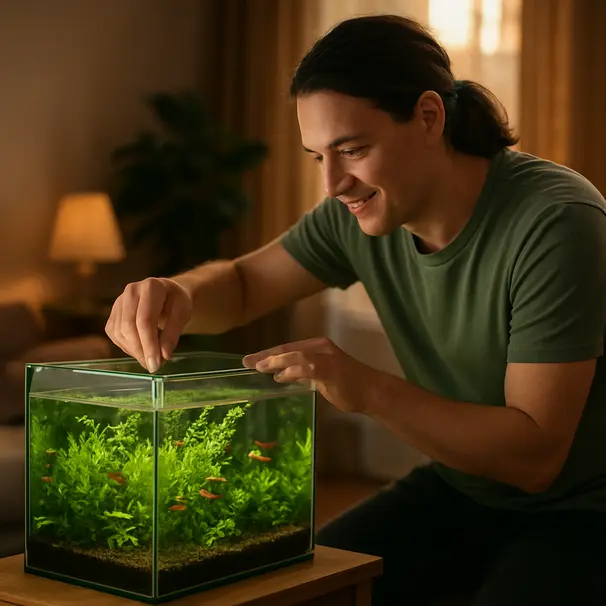
Keeping an aquarium healthy is a lovely blend of science, routine, and a little bit of love. As a pet owner or carer you can make a huge difference with small, steady actions. This post gathers thoughtful, easy-to-follow tips that help fish, shrimp, snails, and aquatic plants thrive. I’ll share essentials for water quality, daily and weekly routines, holiday handover advice for carers, and enrichment ideas to keep your aquatic friends comfortable and engaged.
The essentials of a healthy aquarium
A strong foundation makes everything easier. Start with the basics, and you’ll find most problems become manageable.
Tank size and stocking: Aim to match species with tank size. Small fish in a tiny tank can stress quickly. Overcrowding raises waste, which can lead to ammonia and nitrite spikes. Consider fish adult sizes before adding anyone.
Filtration and flow: A reliable filter removes physical waste and supports beneficial bacteria. Match filter capacity to the tank volume. Some species prefer gentle flow, others like more movement. Filters also benefit from routine maintenance to avoid clogging.
Cycling the tank: A properly cycled tank builds the helpful bacteria that convert toxic ammonia into less harmful nitrate. New tanks may take several weeks to cycle. Consider testing water often during this period, and perform smaller, more frequent water changes if needed to keep parameters stable.
Understanding water parameters in plain terms
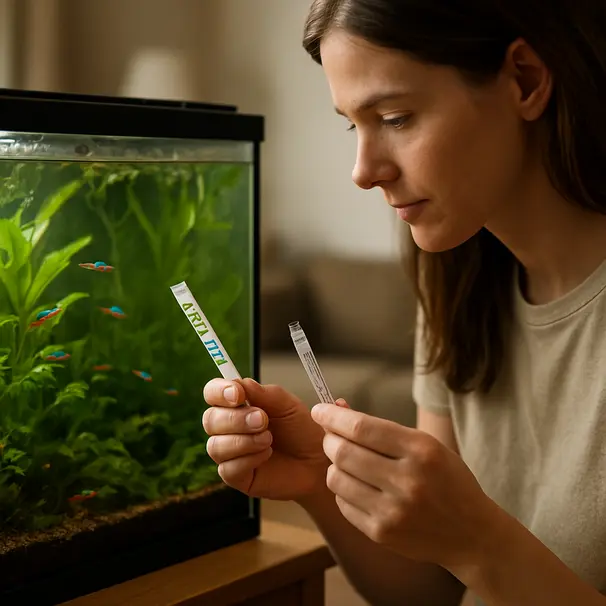
Water chemistry can feel technical, but a few key numbers guide most day-to-day care. Learn to test and record:
- Ammonia, nitrite, nitrate
- pH level
- Temperature
- General hardness (GH) and carbonate hardness (KH) for some species
Aim for stability rather than perfect numbers. Sudden swings are often worse than slightly imperfect but steady readings. If something looks off, slow, steady adjustments usually work better than big changes.
Daily and weekly care routines for carers
Consistency helps aquatic pets feel secure. Here’s a carer-friendly routine that keeps things calm and clear.
Daily quick checks (5 minutes):
- Visual check: Watch for unusual behavior, odd swimming, or hiding. Look for signs of distress like gasping at the surface.
- Feed responsibly: Most fish do fine with a small portion once or twice a day. Feed only what they eat in a minute or two. Overfeeding is a common cause of poor water quality.
- Equipment glance: Ensure filters, heaters, and lights are on and running. A quick look prevents small failures from becoming big problems.
Weekly tasks (20–45 minutes):
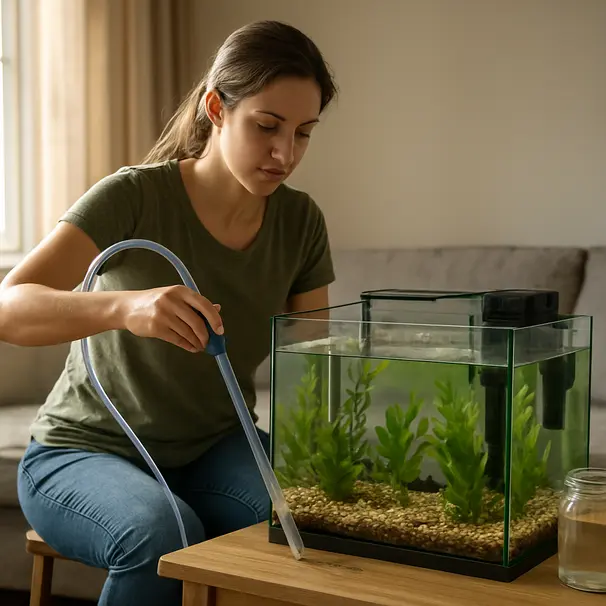
- Partial water change: Swap 10 to 25 percent of the water weekly, depending on stocking and plants. Use a siphon to remove debris from the substrate. Replace with dechlorinated water matched to aquarium temperature.
- Test water: Check ammonia, nitrite, nitrate, and pH. Log readings so you can spot trends.
- Filter maintenance: Rinse mechanical filter media in removed tank water to keep beneficial bacteria intact. Replace carbon or chemical media per manufacturer guidance, not all at once unless needed.
A note on temperature: Keep the heater consistent. Sudden temperature changes stress fish. If you need to replace a heater, try to match the temperature gradually over a few hours.
Practical tips for holiday care and handovers
When an owner goes away, good handover notes are priceless. Pet carers can offer calm reassurance and keep routines close to normal.
Create a clear, friendly care sheet for the carer that includes:
- Exact feeding times, portion sizes and preferred foods, including any treats and frozen or live-food prep notes.
- A checklist for daily and weekly tasks, with a clear place to tick off completion.
- Equipment details: brand and model of filter and heater, where spare parts are kept, and how to reset or restart equipment in an emergency.
- Water change schedule and where fresh, dechlorinated water is stored if the owner prepares it in advance.
- Emergency contacts: owner phone, a backup contact, and the preferred aquatic veterinarian or local fish store.
Leashes and handoffs don’t apply to fish, but clarity does. Leave labelled containers, instructions for medication if needed, and a note about the tank’s normal behavior so carers know what’s typical.
Medicating and emergencies
If a fish needs medication while the owner is away, discuss options ahead of time. Medications can affect beneficial bacteria and filters, so the owner’s guidance is important. If something seems seriously wrong, encourage the carer to contact the owner or an aquatic vet. Consider including photos of what normal and abnormal conditions look like.
Quick troubleshooting: spotting problems early
A calm carer who knows what to look for can catch trouble before it escalates. Watch for these signs and consider the gentle fixes listed.
Common signs of trouble:
- Cloudy water: May indicate bacterial bloom, overfeeding, or an incomplete cycle. Small water changes and reduced feeding can help.
- Fish gasping at the surface: Could be low oxygen or poor water quality. Check filter and surface agitation, test parameters, and perform a partial water change if ammonia or nitrite are elevated.
- Unusual spots or frayed fins: These may signal infection, poor water quality, or injury. Isolate sick individuals if possible, test water, and consult the owner or a vet for care options.
- Plants yellowing or melting: Consider lighting, nutrient imbalances, or poor water parameters.
If tests show ammonia or nitrite above trace amounts, consider more frequent partial water changes, skip feeding for 24 hours, and check filter performance. These steps can help stabilize the environment while seeking further help.
Enrichment and long-term wellbeing
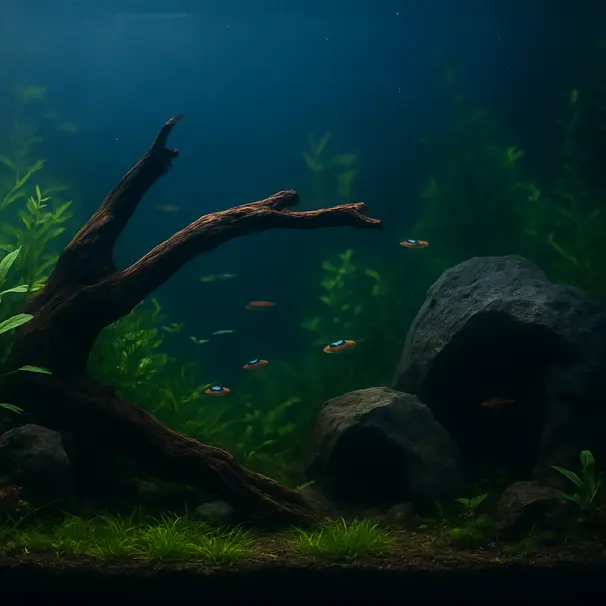
Aquatic pets appreciate environments that feel natural and offer places to explore and hide. Enrichment keeps stress down and promotes natural behaviors.
- Plants and hiding spots: Live plants, caves, and driftwood create shelter and reduce stress. They also help with water quality in freshwater setups.
- Natural lighting cycles: Keep a consistent light schedule using a timer. Too much light can encourage algae, too little may hurt plants. Aim for roughly 8 to 10 hours of light depending on plant needs.
- Variety in diet: Offer varied foods based on species. Occasional live or frozen food can be a treat for many fish. Introduce new foods slowly, and keep portion sizes small.
- Social needs: Some species are schooling fish and do best in groups. Others prefer solitude. Match companions carefully to avoid bullying or stress.
Long-term care notes for different tank types
- Freshwater community tanks: Focus on compatibility and moderate stocking. Live plants can be particularly beneficial.
- Planted tanks: Watch for nutrient balance. Consider root tabs for heavy root feeders and keep pruning to avoid overcrowding.
- Saltwater tanks: These can require more meticulous testing and live rock. Stability is vital, and many keepers recommend avoiding quick fixes.
- Brackish setups: Certain species like mollies and some gobies thrive here. Salinity and species selection matter.
When in doubt about species compatibility or specialized care, consult the owner, a trusted hobbyist, or an aquatic vet. It’s always better to ask than to guess.
Keeping records and building trust
Good carers and owners build trust with clear communication and records. Keep a simple log that records:
- Daily checks and feeding times
- Weekly water test results
- Dates of water changes and filter maintenance
- Any unusual behaviors or interventions
This log reassures the owner and helps the carer notice trends early. A photo or two each day can help too, especially if something looks unusual and you need advice from the owner.
Handy checklist for carers
- Check equipment is running, lights on a timer, and heater set correctly.
- Feed measured portions, remove uneaten food after a few minutes.
- Quick visual health check of fish and plants every visit.
- Weekly partial water change and siphon gravel if scheduled.
- Test and log water parameters weekly.
- Keep emergency contacts and medication instructions handy.
Closing thoughts
Aquariums are rewarding, quiet companions that respond beautifully to calm, consistent care. As a pet carer you’re providing more than maintenance, you’re protecting a small, living ecosystem. With simple routines, careful observation, and thoughtful handovers, carers and owners can keep aquatic pets healthy and comfortable. If ever in doubt, reach out to the owner, an experienced hobbyist, or an aquatic vet for guidance. Little acts of care go a long way, and both fish and owners will notice the difference.
If you’re a Floofy carer, leaving helpful notes and keeping a steady routine can turn a one-time job into trusted, repeat work. And for owners, a clear care plan gives peace of mind while you’re away.
Happy aquascaping, and may your water stay clear and your fins stay bright.