

Aquatic pet wellbeing: practical tank care tips for healthy fish
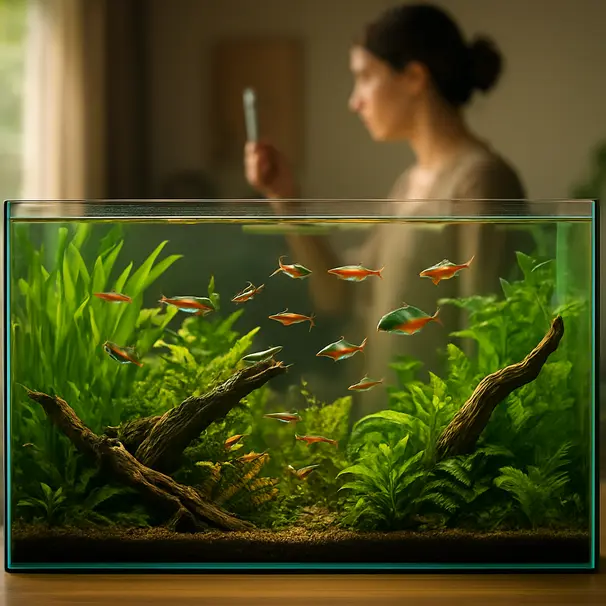
Creating a calm, healthy home for fish is a lovely way to connect with another kind of life. Fish can be quietly rewarding pals, and a well-kept aquarium brings joy to a room and comfort to their owners. This guide walks through the everyday, practical steps that help fish thrive, with friendly tips you can use at home or pass along to a trusted carer.
Why thoughtful tank care matters
Fish health often comes down to small, steady routines. Clean water, stable conditions, sensible feeding, and a safe environment can help prevent stress and keep behaviours natural. These things also make it easier for anyone caring for your tank — family members, friends, or booked carers through a platform — to step in confidently.
Getting started: tank selection and setup
Choosing the right tank and setting it up carefully saves time and stress later. Bigger tanks generally offer more stable water chemistry and are more forgiving of small mistakes, so consider size first.
- Tank size: For beginners, a 20–30 gallon (75–115 litre) tank is a great starting point. If you love tiny species and low space, a well-equipped 10 gallon can work, but expect to do water changes more often.
- Location: Place the tank away from direct sunlight, radiators, and drafts. Avoid busy spots where the fish will be startled often. A stable temperature environment is kinder to tropical species.
- Stand and base: Make sure the stand is level and rated for the weight. A filled aquarium is heavy, and a wobbly base invites trouble.
Essential equipment checklist
- Filter: Choose a filter rated for your tank size. Filters remove debris and encourage beneficial bacteria colonies. Consider canister filters for larger tanks and hang-on-back or sponge filters for smaller setups.
- Heater: For tropical fish, a reliable heater with a thermostat helps maintain a steady temperature. Invest in a good quality unit and a separate thermometer to double-check readings.
- Lighting: Lighting depends on whether you have live plants. LED fixtures are energy efficient and come in different spectrums.
- Substrate and decor: Gravel or sand should be rinsed before use. Hiding places, driftwood, and plants reduce stress by letting fish claim territory.
Cycling the tank: a non-negotiable step
Before adding fish, allow the aquarium to cycle. Cycling establishes colonies of beneficial bacteria that break down toxic ammonia into nitrite and then nitrate. This process can take several weeks. You may consider adding hardy starter species or using bacterial supplements, but give the system time to stabilize.
What to watch for during cycling:
- Test water regularly for ammonia, nitrite, and nitrate.
- Expect to see ammonia spike first, then nitrite, and finally nitrate.
- Partial water changes can help if levels get too high, but try not to interrupt the biological buildup.
Consider creating a simple checklist for carers: when the tank was started, when water tests are due, and what normal parameter ranges are for your setup.
Water quality basics
Keeping water chemistry steady is one of the most effective ways to maintain fish health. Regular testing and small, consistent water changes can keep the environment comfortable.
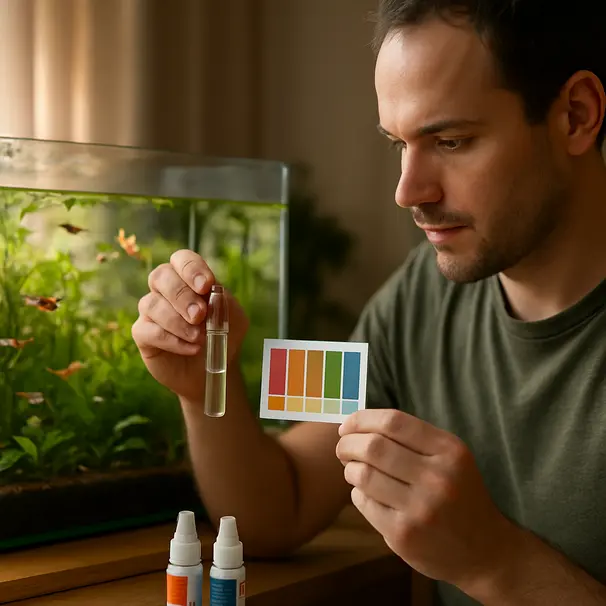
- Test regularly: Use a reliable test kit to check ammonia, nitrite, nitrate, pH, and general hardness. Weekly checks are a good habit, with more frequent testing in new setups or if fish act stressed.
- Temperature: Keep records of daily temperatures for the first few weeks after setup. Sudden swings can stress fish.
- Water changes: A routine 10–25% weekly water change helps dilute nitrates and replenish trace elements. For heavily stocked or small tanks, consider more frequent maintenance.
- Dechlorination: Always treat tap water with a dechlorinator or use aged water. Chlorine and chloramine can harm beneficial bacteria and fish.
Filter care and flow
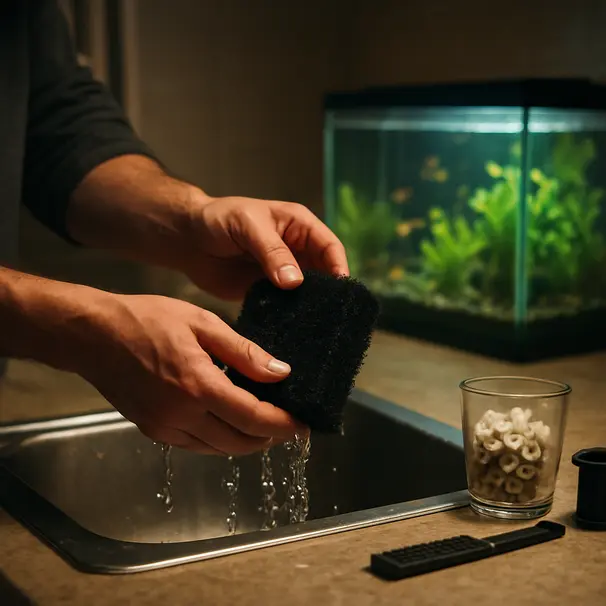
A clean, well-running filter keeps biological, chemical, and mechanical filtration working. Check it weekly and follow manufacturer guidance for cleaning.
- Avoid full cleanings: Rinse mechanical media in tank water you’ve removed during a water change. Avoid washing media in tap water, which can kill beneficial bacteria.
- Replace chemical media such as activated carbon on a schedule, but don’t change all media at once.
- Watch flow rates. Some fish prefer calm water, others like currents. Position output and use spray bars or deflectors to create comfortable flow zones.
Feeding and nutrition
Feeding seems simple, but overfeeding is one of the most common mistakes. Excess food decays, raising ammonia and nitrate levels and making the tank harder to manage.
- Feed small amounts: Offer what fish consume within two minutes, once or twice a day depending on species.
- Variety matters: Use high-quality flakes or pellets and rotate in frozen or live foods such as brine shrimp, daphnia, or bloodworms to add nutrients and interest.
- Treats sparingly: Supplementary foods are enriching but should be occasional. Keep portions controlled to avoid pollution.
- Special diets: Some fish have unique needs. Research specific species diets and consider supplements if a vet or experienced aquarist recommends them.
If someone else is feeding while you’re away, write clear instructions: brand, portion size, frequency, and what to skip if you’re unsure.
Plants, decor, and enrichment
Live plants can help with nutrient uptake, oxygenation, and providing hiding spots. They also create a calm, natural environment that many fish prefer.
- Plant choices: Java fern, anubias, and cryptocoryne are forgiving for beginners. Fast-growing stem plants help absorb excess nutrients.
- Decoration: Smooth rocks, caves, and driftwood create territory and shelter. Avoid sharp edges that can injure fish.
- Enrichment: Mirrors, floating toys, and varying feeding methods can stimulate fish. Keep changes gradual so fish don’t get startled.
Quarantine and introducing new fish
Quarantine tanks are one of the best investments. A separate small tank lets you observe new arrivals for signs of illness without risking the main display.
- Quarantine for 2–4 weeks: Watch for unusual behaviour, parasites, or signs of disease.
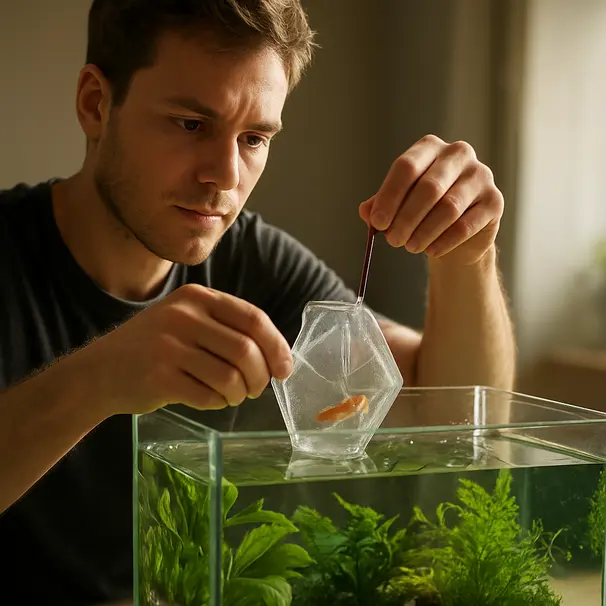
- Acclimation: Float a sealed bag to equalize temperature, then slowly add tank water to the bag over 20–30 minutes before releasing fish.
- Avoid crowding: Introduce a few fish at a time so the filter can handle the additional bio-load.
Spotting stress and early signs of trouble
Fish often show visible signs when something is off. Subtle changes in behaviour or appearance can be early warnings.
- Behavioural clues: Lethargy, gasping at the surface, hiding more than usual, or scratching against decor can indicate poor water quality or parasites.
- Physical signs: Clamped fins, faded colours, visible spots, torn fins, or rapid breathing should prompt closer inspection.
- Action plan: Test water first, then isolate affected fish in a quarantine tank if possible. Consider contacting an aquatic vet or experienced aquarist for next steps.
Use cautious language with health issues and consider professional advice for diagnosis and treatment.
Working with pet carers and handovers
If someone else is caring for your aquarium, clear communication and simple routines help everyone succeed.
- Create a care sheet: Include feeding instructions, water change schedule, photos of healthy fish, emergency contacts, and the location of supplies.
- Demonstrate tasks: Show how to use the test kit, where to find spare parts, and how to perform a partial water change.
- Keep a checklist: A short, dated log for feedings, water tests, and maintenance tasks helps both you and the carer track what’s been done.
Trusted carers appreciate straightforward instructions and access to basic tools. Consider prepping a spare kit with extra food, treatments, and a small net.
Common problems and gentle fixes
- Algae blooms: Usually a sign of excess light or nutrients. Reduce lighting a bit, trim plants, and perform a partial water change. Algae eaters can help when appropriate for your tank.
- Cloudy water: Often caused by bacterial blooms or disturbed substrate. Test water, perform a small water change, and avoid overfeeding.
- Sudden fish deaths: Pause, test water immediately, and look for obvious causes like equipment failure. Keep a record of water parameters to aid troubleshooting.
If a problem persists, seek advice from an aquatic vet or experienced aquarium community, and consider asking a trusted carer to help monitor while you get professional input.
Supplies, routine, and a simple care plan
A simple weekly care plan keeps things manageable:
- Daily: Quick visual check, feed, and check temperature.
- Weekly: Test water, 10–25% water change, clean glass, and skim surface debris.
- Monthly: Rinse filter media in tank water if needed, replace chemical media, prune plants, and clean decorations.
Pack a small kit for the carer: dechlorinator, test strips or drops, a measuring scoop for food, a spare heater thermostat, and contact info.
Final thoughts: steady habits, calmer fish
Aquarium success is mostly about consistency. Small, regular steps add up to a stable environment where fish can be their natural selves. If you work with pet carers, keep instructions simple and compassionate. Your aquarium is a shared little ecosystem, and the best gift you can give your fish is steady, thoughtful care.
If you notice worrying symptoms or an unexplained die-off, consider consulting an aquatic veterinarian or an experienced aquarist. They can provide tailored advice based on specific species and water chemistry.
Happy tank keeping. With a bit of attention and a calm routine, your aquatic companions can live vibrant, comfortable lives — and you’ll have a peaceful slice of nature to enjoy at home.