

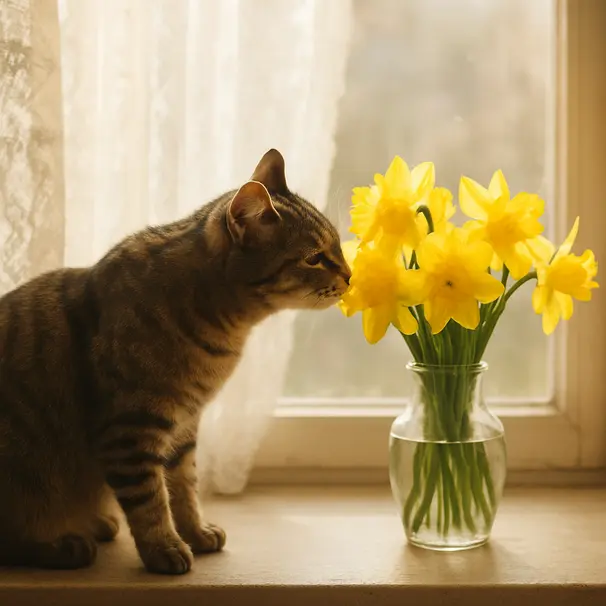
Are daffodils poisonous to cats?
Spring brings cheery yellow and white daffodils to windowsills and gardens, and they look lovely in a bouquet. But if you share your home or yard with a curious cat, it’s smart to pause and learn what these flowers can mean for feline safety. This article walks through what parts of the plant are risky, common symptoms to watch for, immediate steps to take, and practical prevention tips that help keep cats and blooms peacefully coexisting.
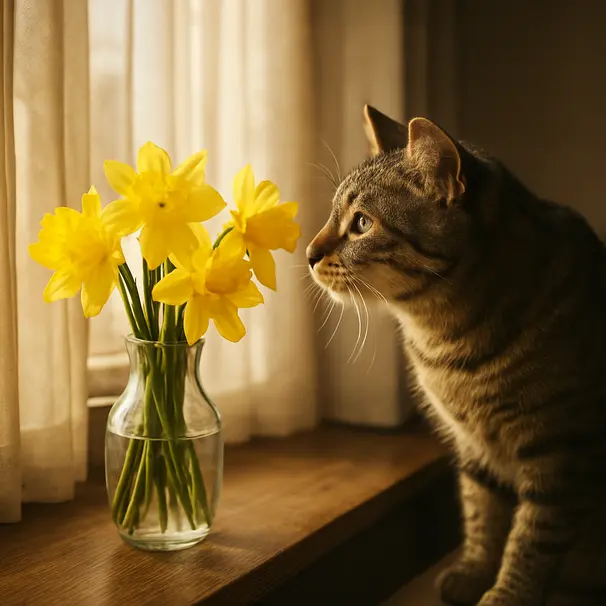
What part of the daffodil is toxic?
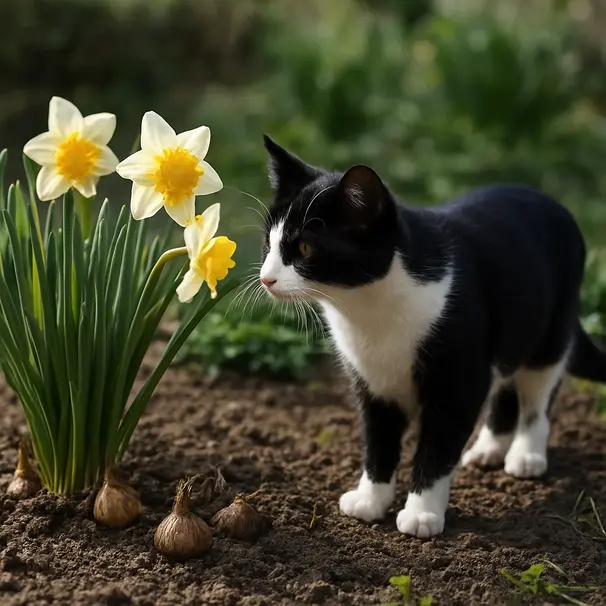
Daffodils belong to the Narcissus genus, and several compounds in the plant can cause problems for pets. The highest concentration of irritants is in the bulb. That’s important to know because bulbs are tempting for digging cats and easily disturbed in gardening or when you bring a pot indoors.
- Bulbs: the most dangerous. They may contain concentrated alkaloids and other compounds that can cause digestive upset and more serious signs.
- Leaves and flowers: still contain toxic substances, but usually in lower amounts than bulbs.
- Pollen and sap: can irritate mouths and skin in sensitive cats.
Keep in mind toxicity can vary between plant species and individual animals. Use care and consider a vet if you suspect any exposure.
Why bulbs are especially risky
Many cats are fascinated by the smell and texture of bulbs. They might nibble soil or dig while you plant them. Bulbs often contain higher levels of toxic compounds, and a single bulb may be enough to cause symptoms in small cats or kittens. Even chewing on a bulb briefly can lead to drooling, vomiting, or more concerning signs.
Quick note on cut flowers
Fresh-cut daffodils in a vase still carry toxins. Cats that chew on stems or flowers can get sick. Avoid placing fresh-cut daffodils where a cat can reach them, and consider using cat-safe flowers for indoor bouquets.
Common signs of daffodil poisoning in cats
Symptoms can show up within minutes to hours after exposure, and they vary depending on how much of the plant the cat ate and which part was ingested. Watch for:
- Excessive drooling and pawing at the mouth
- Vomiting and diarrhea
- Loss of appetite or reluctance to eat
- Abdominal discomfort and restlessness
- Lethargy or weakness
- Shaking or tremors in more serious cases
If a cat shows sudden signs after being near daffodils, treat the situation seriously. Symptoms that progress or include collapse, difficulty breathing, or seizures need urgent veterinary attention.
What to do if your cat has chewed daffodils
First, try to stay calm. Cats are sensitive to your energy, and a steady approach helps you manage the next steps.
- Remove access to the plant. Move the bouquet or cover the remaining plant so your cat can’t take another bite.
- Check the mouth and fur. If there are plant pieces, gently rinse the cat’s mouth with a small amount of water if the cat will tolerate it. Wiping carefully with a damp cloth can help remove residue.
- Collect a sample. Save a piece of the plant, including bulbs if possible. A photo of the plant and the packaging from a bouquet can be useful information for the vet.
- Call your veterinarian or an emergency clinic. Give them clear details: what part of the plant was eaten, roughly how much, your cat’s weight, and how long ago the exposure happened. If your vet recommends it, they may suggest bringing the cat in for an examination. Follow their advice rather than attempting home remedies.
Avoid inducing vomiting unless a veterinary professional instructs you to do so. Some household actions may make things worse, and a vet can guide the safest next steps.
When to seek emergency care
Contact emergency veterinary services immediately if your cat shows any of these signs:
- Repeated vomiting or uncontrolled diarrhea
- Difficulty breathing or blue-tinged gums
- Collapse, seizures, or severe tremors
- Significant lethargy or unresponsiveness
If you can’t reach your regular vet, consider contacting a pet poison helpline. They can provide urgent guidance and help you decide whether a clinic visit is necessary.
What a vet might do
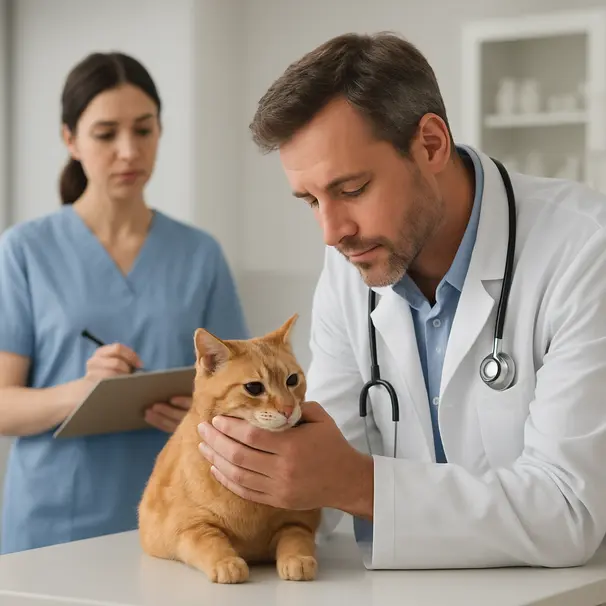
A veterinarian will assess your cat’s condition, check vital signs, and may perform tests such as bloodwork and urine analysis to monitor organ function and hydration. Treatment could include supportive care like fluids, medications to control vomiting, and observation. If a lot of plant material was swallowed recently, the vet may take extra steps to reduce absorption.
Remember: clear communication helps. Bring the plant sample or a photo, and be ready to explain how long it’s been since the exposure.
Preventing daffodil exposure in homes and gardens
Prevention is the most relaxed way to enjoy both flowers and feline company. Here are simple, practical steps you can take:
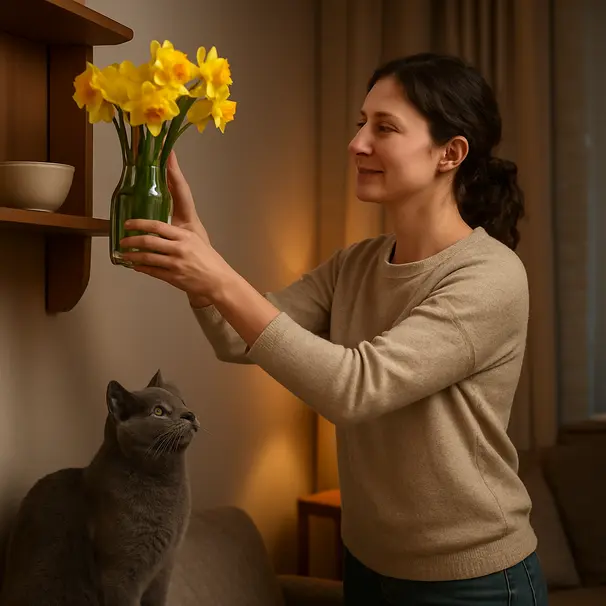
- Keep bouquets out of reach. Place fresh flowers on high shelves or in rooms your cat can’t access.
- Use closed terrariums or heavy vases that are hard to tip over, and avoid low tables where cats jump.
- Plant bulbs in areas your cat can’t dig, or use deterrents like coarse mulch or garden fencing to protect beds.
- Choose cat-friendly indoor plants. There are plenty of attractive, non-toxic options you can enjoy without worry.
- Supervise outdoor time or provide a cat-safe outdoor enclosure for curious cats who like to roam among flowers.
- Teach carers and sitters about plant risks. If you use a pet sitter or a Floofy carer, mention any toxic plants and where they are kept.
Simple habits go a long way. A little planning can prevent a stressful vet trip and keep seasonal blooms looking their best.
Pet carers and sitters: what to tell them
If you hire someone to look after your cat, clear communication is priceless. Consider giving carers a short list that includes:
- A note naming any toxic plants and their locations
- Emergency contact info for your vet and a local emergency clinic
- The location of plant samples or photos, in case they need to identify exposure
- Instructions about restricting access to certain rooms or the garden
A trusted carer will appreciate the details and be better prepared to act quickly if something happens.
Alternatives to daffodils for cat-friendly bouquets
If you love fresh flowers but want to keep your cat safe, try these options:
- Roses (without thorns near playful pets)
- Orchids (non-toxic varieties)
- Snapdragons
- Sunflowers
- Statice and certain greenery that are typically considered safer
Always double-check specific plant species, because toxicity can vary. When in doubt, place flowers where cats can’t reach them.
Final thoughts: calm prevention and quick action
Daffodils are beautiful, and many households enjoy them in spring. For cat owners, the key is awareness. Bulbs are especially risky, and even small nibbles can cause unpleasant symptoms. If a cat chews on a daffodil, remove access, gather a sample, and call a veterinarian or poison helpline for guidance. Avoid home treatments unless a professional recommends them.
Small changes—keeping bouquets high, covering bulbs while gardening, or swapping in cat-safe flowers—can make a big difference. If you use pet carers, add plant safety to your instructions so everyone responsible for your cat knows what to look for.
You don’t have to give up seasonal joy to keep your pet safe. A few thoughtful habits will help you enjoy both spring blooms and a playful, healthy kitty.
If you’re ever unsure, consider checking in with your vet. They can offer specific guidance for your cat’s health and habits. And if you use Floofy to find trusted carers, a quick chat about houseplants can be part of setting your sitter up for success.
Stay curious, stay safe, and enjoy the flowers responsibly with your feline friend.