

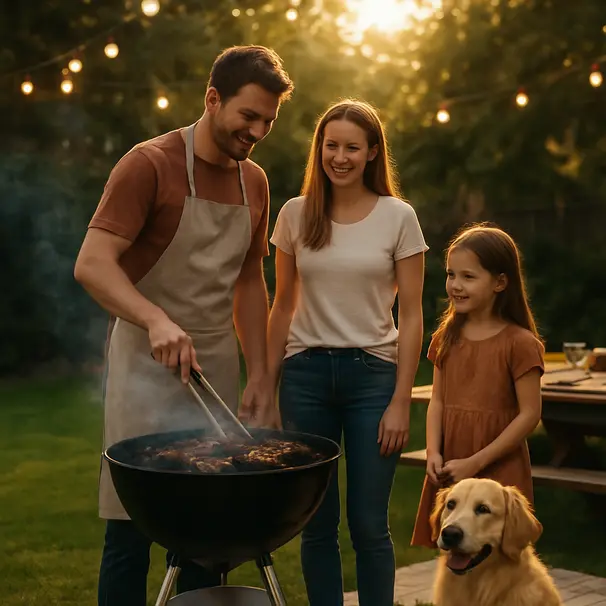
BBQs with dogs: make the cookout a tail-wagging success
Summer means longer evenings, good food, and a yard full of laughter. If your dog joins the party, a few thoughtful steps can keep things fun and safe for everyone. This article walks you through planning, food safety, heat and hydration, setting boundaries, handling guests and kids, emergency prep, and tips for working with pet carers. Expect practical checklists, gentle training ideas, and warm encouragement from a fellow dog lover.
Plan ahead: set up for safety and comfort
A little preparation goes a long way. Before the first guest arrives, take a tour of your yard and patio from your dog’s perspective. Look for things that might tempt or harm them: open trash cans, low railings, toxic plants, and spots where they can get too close to hot surfaces.
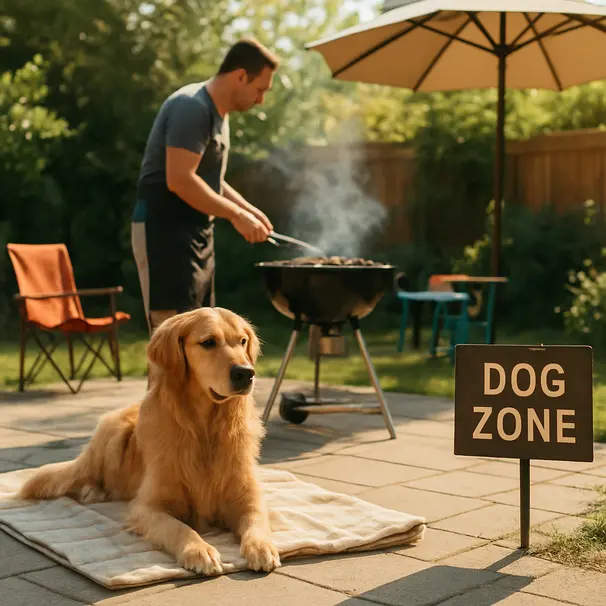
- Create a dog zone. Pick a shady, quiet corner with a bed or blanket, fresh water, and a few toys. This is their safe spot to retreat to when they want a break.
- Block hazards. Use baby gates, screens, or furniture to keep dogs away from the grill and coals. Portable fencing can be a lifesaver for curious pups.
- Plan feeding times. If you usually feed your dog at mealtime, try to stick to the routine. A full belly before guests arrive can lessen begging.
Think about seating and flow. If your layout funnels guests past the dog’s bed, consider moving the bed. A calmer dog is a better guest.
Food safety: what to share and what to skip
Food is the highlight of any BBQ, but many human foods can upset a dog’s tummy or worse. Use these friendly rules to keep the menu pup-safe.
- Keep the grill off-limits. Hot grates, open flames, and skewers are dangerous. Teach a clear cue like “back” or “leave it” and reinforce it before the BBQ.
- Avoid toxic foods. Chocolate, onions, garlic, grapes, raisins, xylitol-sweetened items, and alcohol are hazardous. Even small amounts can be risky.
- Steer clear of bones and fatty scraps. Cooked bones can splinter, and rich fatty foods may cause upset stomachs or pancreatitis in sensitive dogs.
- Offer safe treats. Plain grilled chicken or beef (unseasoned and deboned), carrot sticks, apple slices without seeds, and plain rice can work as occasional treats. Introduce anything new slowly, and consider portion sizes.
Use a dedicated pet bowl and serve treats away from the main table. Guests often want to share; a gentle sign on the buffet or a quick announcement can prevent accidental offerings.
Quick food-prep tips for hosts
- Keep a labeled bowl of “dog treats” out of reach of kids.
- Use sealed trash cans with lids and place them away from the dog area.
- If running a burger or skewer station, remind guests not to hand food directly to dogs.
Heat, hydration and sun safety
Dogs can overheat quickly, especially certain breeds and those with thick coats. Be proactive to avoid heat stress.
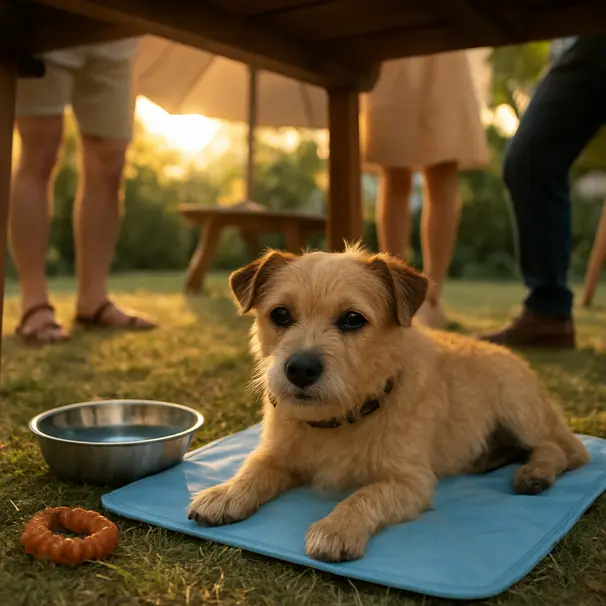
- Water, water, water. Place several water bowls around the party area. Consider a shallow kiddie pool or a spill-proof pet fountain for cool drink options.
- Shade matters. If the party is in full sun, set up umbrellas or a canopy. Dogs that can’t cool off will pant more and may become distressed.
- Watch the paws. Hot pavement and grills are burn risks. Encourage guests to keep dogs off hot surfaces.
- Know the signs of overheating. Excessive panting, drooling, stumbling, or bright red gums may indicate trouble. If you see these, move your dog to shade and offer water. Consider contacting a vet if symptoms continue.
Cooling gear to consider: cooling mats, bandanas soaked in cold water, and freeze-friendly toys. These can help lower body temperature safely.
Boundaries, training and guest etiquette
Clear boundaries make social events less stressful for pets and people.
- Practice a few cues. Teach or reinforce basic commands like “sit,” “stay,” “place,” and “come.” If your dog knows a “go to bed” cue, it can be invaluable during mealtimes.
- Introduce guests gently. Encourage visitors to ignore your dog briefly, then let the dog approach in their own time. Calm greetings reduce jumping and overexcitement.
- Manage greetings with kids. Young children often move fast and make sudden noises. Supervise any interactions and set ground rules: no poking, no grabbing tails, and hands to be offered palm up for sniffing.
- Use positive reinforcement. Reward calm behavior with treats and praise. A relaxed dog will be easier for everyone to enjoy.
Entertainment and enrichment during the party
Keeping your dog busy can reduce begging and stress. Bring activities that match your dog’s energy level.
- Low-key options: long-lasting chew toys, stuffed Kongs, puzzle feeders, and lick mats that can be pre-filled and frozen.
- Active options: short play sessions in a fenced area, quick recall games, or a gentle tug session away from the food space.
- Rotate toys. If a toy goes missing or gets less interesting, swap it out to maintain novelty.
If your dog is easily overwhelmed by noise, consider tethering them safely in their dog zone with a favorite toy and a comfy bed.
Handling other pets and social dynamics
If guests bring their pets, plan for introductions.
- Ask ahead. Let visitors know your dog’s temperament and any rules about pet visitors.
- Neutral ground. Introduce dogs in a neutral spot, not inside the host’s main gathering area. Keep leashes on during the initial greeting.
- Look for stress signals. Lip licking, yawning, pinned ears, and stiff body posture can mean a dog is uncomfortable. Separate or distract dogs showing stress.
Keep small or nervous pets away from high-energy kids and loud music.
Emergency basics: be ready but stay calm
Accidents happen. A little preparedness can make a difference.
- Have numbers handy. Keep your veterinarian and the nearest 24-hour animal hospital phone numbers accessible. A mobile contact card on the fridge is handy.
- First aid supplies. A simple kit with gauze, adhesive tape, a towel, and styptic powder for small bleeds can help until professional care is available. Familiarize yourself with basic pet first aid courses if possible.
- Know where to cool a dog safely. If overheating is suspected, move to shade, offer small amounts of water, and apply cool (not ice-cold) damp towels to the neck, chest, and paws. Contact a vet for ongoing symptoms.
Encourage guests to alert you immediately if they see something unsafe. Quick action often prevents bigger problems.
Clean-up and pest prevention
After the party, a mindful clean-up protects your dog and the neighborhood wildlife.
- Check for food scraps. Walk the yard with a flashlight after dark to remove bones, wrappers, and skewers.
- Manage condiment containers. Mustard, onions, and sweeteners may have been dropped. Keep them tucked away from curious noses.
- Protect against pests. Check your dog for ticks and fleas after outdoor events, and consider vet-recommended preventatives. If you use citronella or mosquito repellents in the yard, ensure they are pet-safe.
Dispose of coals and ashes safely. Hot embers can hide in trash and cause burns.
When to hire a pet carer or sitter for the event
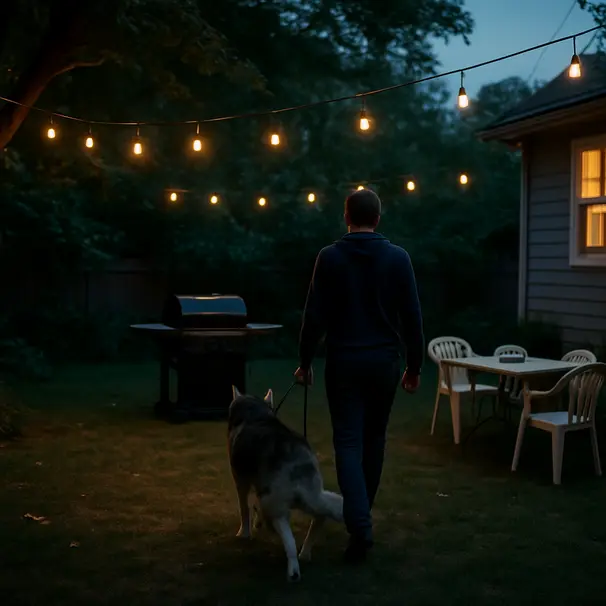
Sometimes the easiest way to keep everyone relaxed is to have a trusted pet carer step in.
- Why hire a carer? A sitter can exercise your dog before the party, provide a calm space away from guests, and monitor water and food. This frees you to host without constant worrying.
- What to ask a carer. Share the dog’s routine, known triggers, emergency contacts, and any food restrictions. Walk through your home and point out the dog zone and safe areas.
- Trial run. If your dog hasn’t been with a new sitter before, arrange a short pre-party visit. That helps both dog and carer feel comfortable.
On Floofy, look for carers with experience in event supervision and clear references. Good communication helps create a smooth experience.
Quick checklists to print and pin
Party host checklist:
- Designated dog zone with shade, bed, and water
- Barriers around grill and coals
- Pet-safe treats prepared and labeled
- Emergency contacts and first aid kit handy
- Trash bins sealed and out of reach
- Short enrichment activities and toys
Guest etiquette quick tips to share:
- Ask before offering food to dogs
- Keep calm, slow movements around pets
- Keep gates closed and pick up trash
- Supervise kids near animals
Final thoughts: enjoy the company
A BBQ with dogs can be warm, social, and relaxed with a little forethought. Most dogs love being with the family and will appreciate pockets of quiet, consistent water, and a safe place to retreat. If you’re unsure about any health concerns, consider checking with your vet. And if hosting feels like too much, a pet carer from Floofy can help you create the perfect balance so everyone, human and canine, has a great time.
Have fun, stay vigilant, and enjoy the little things—a dog that plops down contentedly by your feet is the best kind of party guest.