

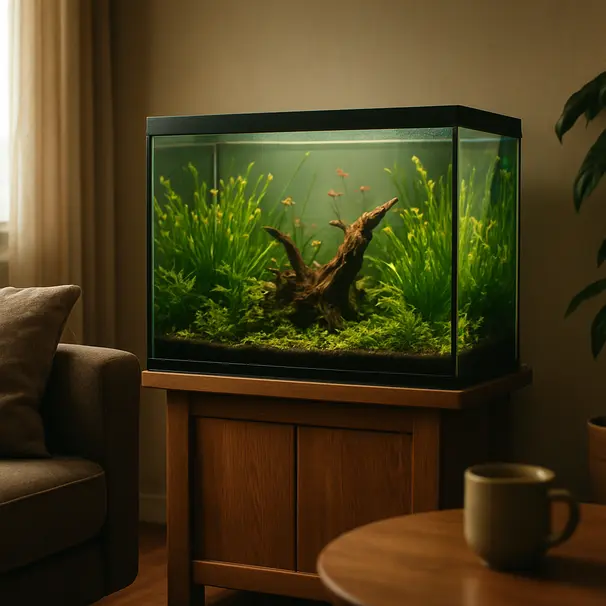
A warm welcome to aquascaping
Aquascaping is the art of arranging aquatic plants, rocks, wood and substrate to create a living underwater scene. For pet owners and carers, it’s more than decoration. A well-thought-out aquascape can provide shelter and stimulation for fish, reduce stress, and make daily care easier. Take a breath, pour a cup of tea, and let’s plan a beautiful, practical tank together.
Start with the basics: size, budget and goals
Before you buy a single plant or bag of gravel, answer three friendly questions:
- What size tank can I realistically care for? Smaller tanks look great, but they can be less forgiving of water changes and mistakes. Larger tanks are more stable, but cost more and need more space.
- Who will live in the tank? Different fish and invertebrates have different needs. A shrimp-heavy community looks lovely with fine-leaved plants, while larger schooling fish may prefer open swimming areas.
- How much time do I want to spend on maintenance? Be honest. You can create stunning low-maintenance scapes, but some styles require regular pruning and water changes.
Top tip: If you’re a pet carer setting up a client’s tank, discuss expectations clearly. Ask about desired look, feeding routines, and how often they want you to visit for maintenance.
Planning your layout: the golden rules
A few simple design ideas will help you avoid overwhelm and create balance.
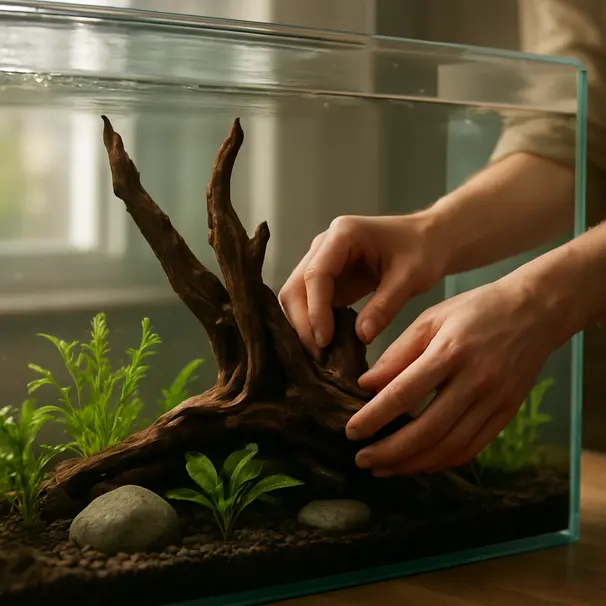
- Focal point: Choose a primary element, like a striking piece of driftwood or a cluster of rocks. Everything else should support that focal point.
- Rule of thirds: Place features off-center to make the scene feel natural. Imagine a tic-tac-toe grid and set your main piece along one of the lines or intersections.
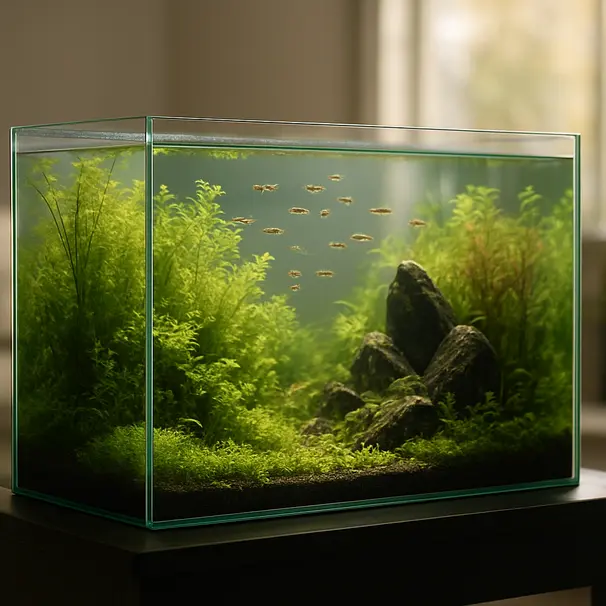
- Depth and layers: Use taller plants at the back, mid-height plants in the middle, and carpet plants or bare substrate in front. This creates the illusion of depth.
H3: Sketch before you shop Grab a pen and draw a rough plan. List plants and hardscape items. A quick sketch helps you avoid impulse buys that don’t fit your vision.
Substrate and hardscape: the foundation of your aquascape
Substrate and hardscape set the tone. Substrate affects plant growth and the tank’s overall look.
- Substrate types: Use nutrient-rich substrates if you plan on heavy planting. Sand or plain gravel can work with root tabs added for plants that root deeply. Avoid mixing very fine sand with coarse gravel unless you’re confident it won’t compact.
- Hardscape materials: Rocks and wood should be aquarium-safe. Seiryu, dragon stones, and lava rock are popular choices. Malaysian driftwood and spider wood offer beautiful branching shapes. Always clean and soak wood to remove tannins unless you like a warm tea-colored tint.
Practical note: For pet carers, carry a few common hardscape pieces and small bags of substrate on your first maintenance visit. Clients sometimes want quick fixes and you’ll save trips.
Choosing plants: beginner-friendly options
Start with hardy, low-maintenance plants that tolerate a range of conditions.
- Background plants: Vallisneria, Amazon sword, and Hygrophila are forgiving and grow quickly.
- Midground plants: Anubias, Java fern, and Cryptocoryne species are slow-growers and low maintenance. Many can be attached to wood or rock.
- Foreground carpets: Java moss, dwarf sagittaria, and marimo moss balls give a natural look without intense lighting.
H3: Plant placement tips Attach Anubias and Java fern to driftwood or rock instead of burying their rhizomes. Plant crypts slightly clustered to create visual weight. Use taller stems in the back and shorter, bushy plants up front.
Caution: Some aquatic plants may be toxic to pets if ingested. Consider household cats or curious hands, and keep hazardous species out of reach. When in doubt, double-check plant safety and encourage clients to consult a vet if fish show signs of illness.
Planting techniques step by step
Planting well sets you up for success.
- Rinse plants to remove packaging and pests. Gently separate tangled roots.
- Trim dead or damaged leaves before planting.
- Use tweezers for precise placement, especially for small carpet plants.
- Anchor plants with a small amount of substrate or use root tabs for nutrient support.
- Give newly planted tanks a gentle start: lower light for the first week can reduce algae outbreaks.
Maintenance note: Pruning is part of the joy. Removing old leaves and trimming overgrowth keeps the scape tidy and plants healthy.
Light, CO2 and nutrients: how much do you need?
Lighting, carbon dioxide and nutrients form the triumvirate that affects plant growth.
- Lighting: Aim for an LED fixture that fits tank length. Avoid blasting high-intensity light on a new tank. Start with a moderate setting and increase as plants establish.
- CO2: Injected CO2 boosts growth but adds complexity. For beginners, lots of easy plants grow fine without CO2. Consider CO2 if you want quick growth and are ready to monitor levels.
- Fertilizers: Liquid fertilizers and root tabs can help. Use a balanced approach. Overfeeding nutrients without the right light and CO2 can lead to algae.
Practical rule: One change at a time. If you change light, wait a couple of weeks before adding CO2. That way you can see how the system responds.
Filtration, water parameters, and maintenance routines
A healthy tank is built on reliable filtration and steady water parameters.
- Filter choice: Choose a filter rated for your tank size. Canister filters offer strong mechanical and biological filtration with quiet operation. Hang-on-back filters are simpler and work well for many setups.
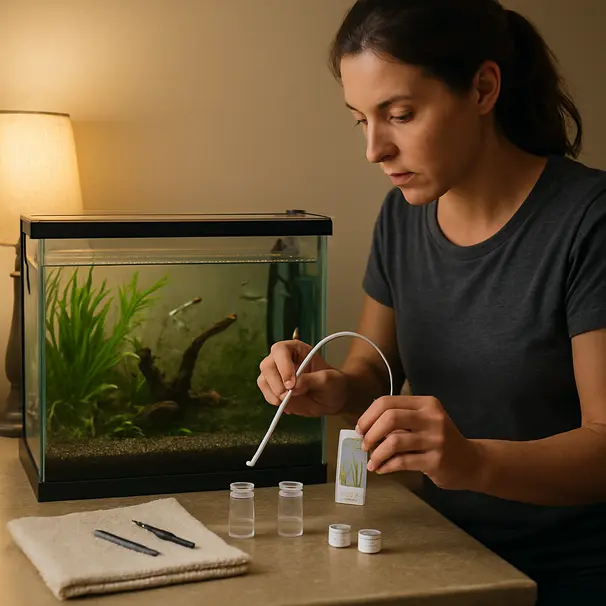
- Water testing: Test pH, ammonia, nitrite and nitrate regularly, especially during cycling. Ammonia and nitrite should be zero. Nitrate can be managed with water changes and plants.
- Water changes: Weekly partial water changes of 20 to 30 percent often keep tanks stable. Adjust frequency based on stocking levels and plant load.
Quick maintenance checklist for carers:
- Check filter flow and clean media gently when needed.
- Vacuum substrate with a siphon during water changes.
- Trim plants and remove dead leaves.
- Test water on a schedule and log results for the owner.
Health note: If fish show unusual behaviour or discoloration, consider consulting a vet or experienced aquatic specialist. Avoid making major water parameter changes quickly.
Stocking considerations: matching fish to your scape
Think about the personality of the animals as much as their size.
- Community fish: Tetras, rasboras and small barbs like lively schooling fish that add movement without uprooting plants.
- Bottom dwellers: Corydoras catfish and kuhli loaches help clean substrate but prefer soft areas or fine sand.
- Shrimp and snails: Amano or cherry shrimp add activity and algae control. Some snails are useful cleaners, others may reproduce rapidly.
H3: Avoid overstocking A common beginner mistake is adding too many fish. Overstocking stresses filtration and water quality. Aim for a gradual build-up. Add a few fish, observe for a couple of weeks, then add more if the tank is healthy.
Common beginner pitfalls and how to avoid them
- Over-enthusiastic pruning or rearranging: Frequent major changes stress fish and plants. Make small adjustments and wait for recovery.
- Overfeeding: Excess food becomes ammonia and algae fuel. Feed in small amounts and remove uneaten food after a couple of minutes.
- Skipping water tests: Testing is quick and gives early warnings. Keep a simple log to spot trends.
- Using untreated tap water: Always treat tap water to remove chlorine and chloramine. Consider a water conditioner that also detoxifies metals.
Practical tips for pet carers doing client visits
If you’re a carer visiting client tanks, small gestures build trust.
- Leave a short note: Write what you did, any observations and suggested next steps.
- Take photos: Before-and-after photos help owners see progress and justify your care plans.
- Bring basic supplies: Extra plant weights, suction cups, a small bag of activated carbon, and a test kit can solve many small issues on the spot.
- Communicate: Let owners know if you recommend larger changes, like a CO2 system or different stocking levels, and explain why.
Simple weekly routine for busy owners
A realistic routine helps the tank thrive without becoming a chore.
- Weekly: 20 to 30 percent water change, vacuum substrate, check filter intake, test ammonia and nitrite.
- Every two weeks: Trim fast-growing plants and replace or rinse mechanical filter media as needed.
- Monthly: Review light schedule, inspect CO2 equipment if used, check plant growth and remove algae patches.
H3: Keep it flexible Some weeks will be busier than others. If you miss a trim, don’t panic. Gentle, steady care adds up and is kinder to pets than intense bursts of attention.
Final encouragement and creative tips
Aquascaping is a slow craft. You’ll learn from each scape, and even mistakes teach you what plants and routines work in your space. Start simple, celebrate small victories like new growth or clear water, and enjoy the calm a planted tank can bring.
Creative ideas:
- Build a tiny themed scape for seasonal touches, then return to the main layout.
- Use a journal or app to track plant growth photos. It’s great for spotting trends and showing clients progress.
Closing note: Enjoy the process Whether you’re setting up your first tank or caring for a client’s aquatic oasis, approach aquascaping with curiosity and patience. Plants take time to settle in, fish need predictable care, and carers can make a big difference with thoughtful routines. If you see health issues with fish, consider consulting a vet or aquatic health specialist for guidance.
Happy aquascaping, and may your tanks be green, calm and full of life.