

Beginner Fishkeeping: Essential Tips for New Aquarium Owners
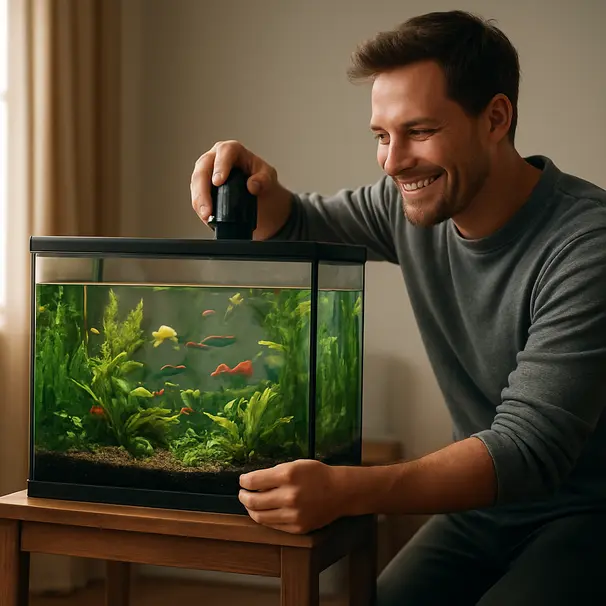
Bringing a little slice of the underwater world into your home can be calming, joyful, and surprisingly social. If you’ve been eyeing aquariums and wondering how to begin, this guide is for you. It covers the basics in a friendly, practical way, so you can set up a healthy tank and enjoy your fish without feeling overwhelmed.
Getting started: pick the right tank and spot
A common piece of advice for beginners is to pick a larger tank rather than a very small one. A 20 to 30-gallon aquarium gives you more stability in water parameters, and that stability can help new keepers avoid sudden problems.
Things to consider when choosing a tank and location:
- Tank size: Bigger is easier to maintain. Start around 20 gallons if space and budget allow.
- Stand and surface: Make sure the stand is level and can support the filled tank. Floors and furniture can sag over time, so a dedicated stand is best.
- Light and temperature: Avoid direct sunlight, which can trigger algae blooms and warm the tank. Place the tank where room temperature stays steady.
- Visibility and access: Pick a spot you’ll enjoy looking at, but that also allows easy access for feeding, testing, and cleaning.
Before you fill the tank, gather essential equipment:
- Filtration: A reliable filter rated for your tank size. Canister or hang-on-back filters are good options.
- Heater: For tropical fish, a heater with a thermostat helps keep temperature steady.
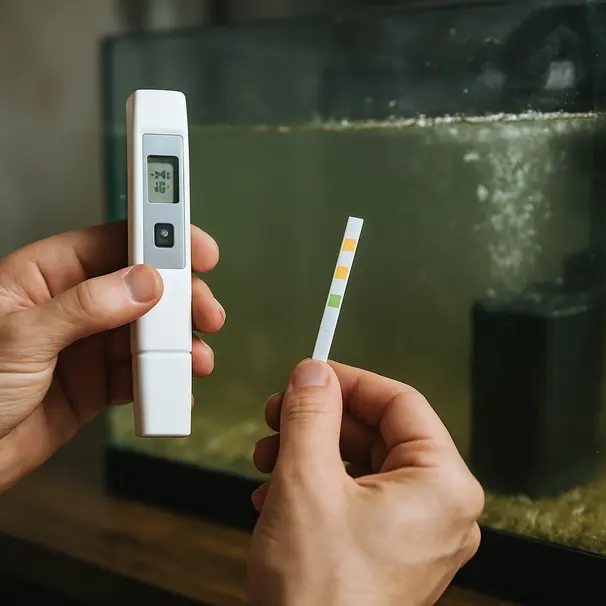
- Test kit: At minimum, a kit for ammonia, nitrite, nitrate, and pH.
- Substrate: Gravel or sand depending on the species you plan to keep.
- Lighting: LED lights tailored for freshwater plants if you want live plants.
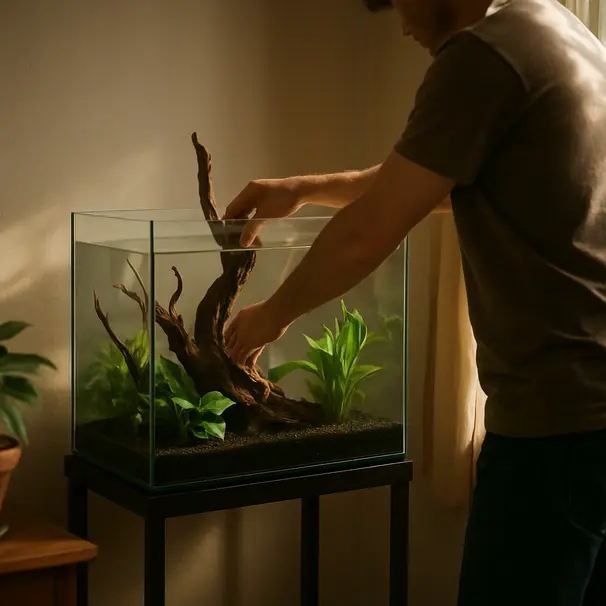
- Decorations and hiding places: Rocks, driftwood, and plants give fish places to explore and hide.
Understanding the nitrogen cycle and cycling your tank
One of the earliest lessons in fishkeeping is the nitrogen cycle. It sounds technical, but it’s a natural process your tank needs before you add fish.
How it works, simply:
- Fish waste and uneaten food break down into ammonia. Ammonia is toxic to fish.
- Beneficial bacteria convert ammonia into nitrite, which is also harmful.
- Other bacteria convert nitrite into nitrate, which is much less toxic at low levels.
Cycling the tank means establishing these beneficial bacteria. You can cycle your tank in a few ways:
- Fishless cycling: Add a small source of ammonia, like pure ammonium chloride or a pinch of fish food, then test water until ammonia and nitrite fall to zero and nitrate appears. This is the safest method for fish.
- Using a hardy starter fish: Some people add a very tolerant fish, but this can stress the animal if ammonia spikes, so it requires careful monitoring.
- Seeded media: Using filter media or gravel from an established, healthy tank can speed up cycling.
During cycling, test water frequently. Expect timelines from two weeks to six weeks, depending on conditions. Be patient, resist the urge to add fish early, and consider adding a few hardy fish at first if you must add animals.
Choosing fish: compatibility and temperament
Once your tank is cycled, choosing the right fish is the next step. Think about size, temperament, and water requirements.
Tips for selecting fish:
- Start with hardy, peaceful species: Tetras, platies, mollies, guppies, and rosy barbs can be good choices for beginners.
- Consider community compatibility: Match fish with similar temperaments and temperature needs. Avoid mixing very large or aggressive fish with timid species.
- Research adult sizes: Many juvenile fish look small but grow larger. Make sure they’ll have enough space.
- Stock slowly: Add just a few fish at a time, and monitor water parameters after each new addition.
Ask your local pet carers or a trusted aquarium shop for recommendations. They can help you pick fish that suit your tank size and experience level.
Feeding your fish well
Feeding seems simple, but overfeeding is the most common mistake new keepers make. Extra food decays, producing ammonia and creating water quality problems.
Feeding guidelines:
- Feed small amounts once or twice a day. Only give what fish can eat in two minutes.
- Vary the diet: flakes, pellets, frozen or live foods, and occasional vegetable treats can provide balanced nutrition.
- Observe your fish while feeding. Healthy fish will eat actively and show normal behavior.
If you’ll be away for a couple of days, most healthy tanks tolerate a short break, but avoid long absences without arranging care from a trustworthy pet carer who understands basic feeding routines.
Daily and weekly routines that keep fish happy
A short, consistent routine keeps your tank stable. It doesn’t take much time, but regular checks pay off.
Daily checks (2–5 minutes):
- Look at fish behavior and appetite.
- Check the equipment is running, including filter, heater, and lights.
- Remove any visible debris or uneaten food.
Weekly tasks (15–30 minutes):
- Test water for ammonia, nitrite, nitrate, and pH.
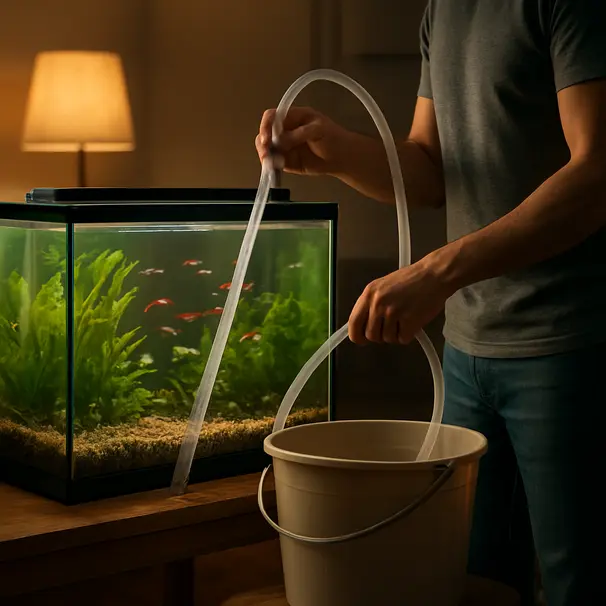
- Change 10 to 25 percent of the water, using a siphon to remove detritus from the substrate.
- Rinse filter media in tank water, not tap water, to preserve beneficial bacteria.
- Trim plants and clean glass gently.
Keeping notes in a small log can help you spot patterns, like rising nitrate levels or behavior changes, before they become serious.
Common problems and how to troubleshoot them
Even with good care, issues will pop up. The key is to respond calmly and methodically.
Cloudy water: Often caused by bacteria bloom or stirred-up substrate. Test water. If ammonia or nitrite are high, reduce feeding and do partial water changes.
Algae growth: A little algae is normal. Too much can indicate excess light or nutrients. Reduce light duration, avoid direct sun, and consider adding algae eaters appropriate for your tank.
Sick fish: Look for changes in color, behavior, or appetite. Isolate a very sick fish if necessary, and consider consulting a vet who knows aquatic pets. Use wording like “consider” or “may” when thinking about treatments, and ask an expert for diagnosis.
Temperature swings: Keep the heater reliable and avoid placing the tank near drafts or heat sources. Small fluctuations can stress fish.
Working with pet carers and trusted helpers
Floofy is all about connecting pet owners with carers. For fish, a caring helper can step in for feeding, water changes, and tank checks when you’re away.
What to look for in a fish carer:
- Experience with aquariums and a basic understanding of water parameters.
- Clear instructions left from you, including feeding amounts, equipment operation, and emergency contacts.
- A trial run at home, if possible, so the carer gets familiar with your setup.
Leave written instructions and any necessary supplies organized, including spare filters, medication, or bottled water treated with a dechlorinator. Communication is key, so check in after the first visit.
Upgrading and expanding your aquarium hobby
Once you’ve found your rhythm, you might want to add live plants, more complex filtration, or shrimp and snails for tank cleanup. Each new hobby step comes with learning, so research before you change the tank’s balance.
Live plants can help with water quality, and they add natural beauty. However, plant care requires suitable lighting and sometimes additional nutrients.
If you’re thinking about breeding fish or keeping species with specialized needs, take time to learn about their specific water chemistry, diet, and tank mates. Consider joining local aquarium clubs or online groups where hobbyists share tips and experiences.
Final tips for long-term success
- Patience matters. Slow, steady progress beats fast changes.
- Test water regularly, especially after adding fish.
- Keep a basic toolkit: test kit, siphon, spare filter media, and a reliable heater.
- Build relationships with local carers and shops you trust.
- Enjoy the process. Watching fish adapt to a well-kept tank is its own reward.
Starting an aquarium can be wonderfully calming and surprisingly social. With a bit of preparation, a routine that fits your schedule, and help from knowledgeable carers when needed, you’ll be creating a healthy little ecosystem that brings joy for years. Happy fishkeeping!