

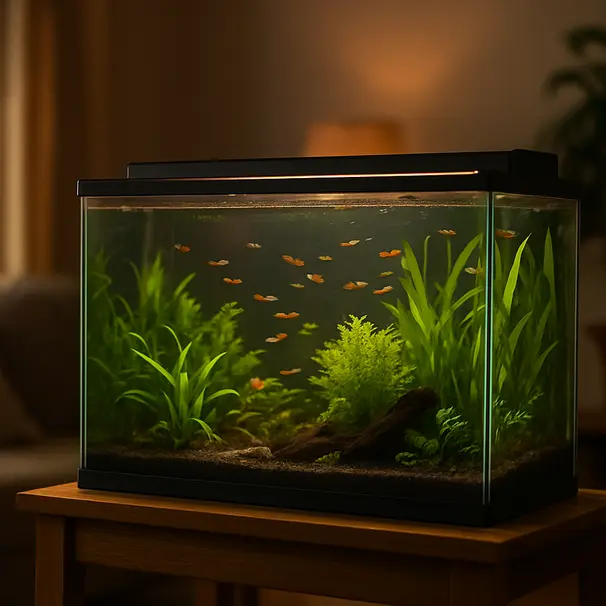
Beginner Fishkeeping Guide for Aquatic Pets and Aquarium Care
Welcome to fishkeeping. If you’re curious about adding finned friends to your household, this guide will help you start calmly and confidently. Fishkeeping can be deeply relaxing and rewarding, but it does involve steady care. I’ll walk you through the basics, share practical tips, and point out when you might want a trusted pet carer or aquarium professional to help.
Why start simple
Fish are often thought of as low-maintenance, but they thrive best with routine and the right setup. Starting simple reduces stress for you and your fish. A few thoughtful choices up front save hours and heartbreak later.
Choosing your first aquarium
- Pick a tank size you can maintain. A 20 to 30 gallon aquarium is an excellent first step for most beginners. Larger tanks are more stable for water chemistry, so they’re more forgiving.
- Consider the location. Place the aquarium away from direct sunlight, radiators, and busy doorways. Levels should be stable and the stand should be sturdy.
- Decide between freshwater and saltwater. Freshwater setups are usually easier for beginners. Saltwater can be magical, with colorful fish and corals, but it generally requires more equipment and closer monitoring.
Essential equipment and setup
Every healthy aquarium needs a few core pieces:
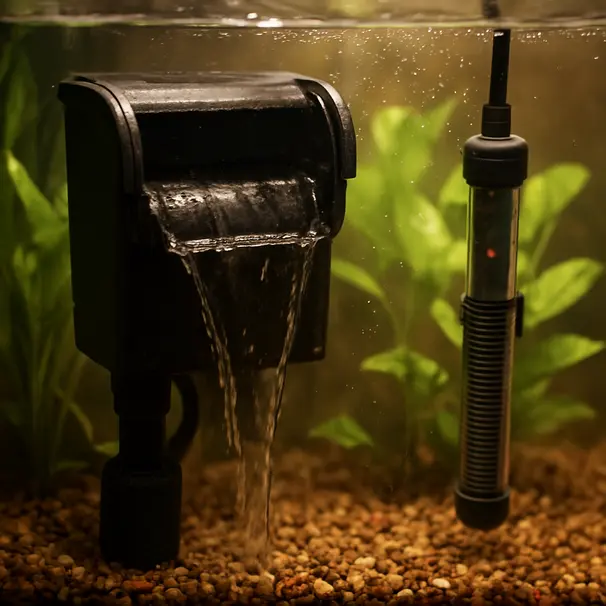
- Filter: Choose one rated for your tank size. Filters remove waste, circulate water, and support beneficial bacteria.
- Heater: Many tropical fish need stable temperatures. A reliable heater with a thermostat helps maintain consistent warmth.
- Lighting: Lighting affects plant growth and fish behavior. LED lights are energy efficient and customizable.
- Substrate and decor: Gravel or sand can anchor plants and beneficial bacteria. Add hides like caves or plants for security.
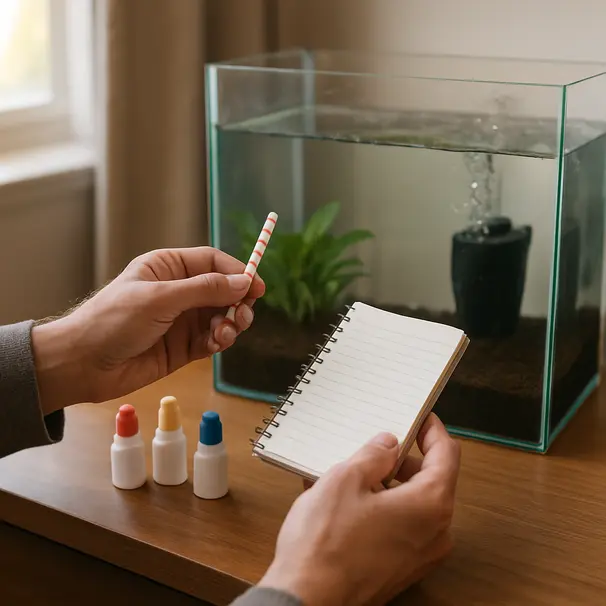
- Test kits: Get tests for ammonia, nitrite, nitrate, and pH. These are the most important readings for beginners.
How to arrange gear: Place the heater near water flow for even heat distribution. Position the filter intake and output to encourage gentle circulation. Avoid cluttering the tank; fish need open swimming space as well as hiding spots.
The nitrogen cycle: what it is and why it matters
New tanks need time to establish beneficial bacteria that break down waste. This process is called the nitrogen cycle and it’s the backbone of aquarium health.
- Ammonia comes from fish waste and decaying food. It’s toxic to fish.
- Beneficial bacteria convert ammonia to nitrite, which is still harmful.
- Another group of bacteria converts nitrite to nitrate, which is less toxic and can be controlled with water changes and plants.
Start your tank and cycle it before adding many fish. You can cycle naturally with an ammonia source or use bottled bacteria to speed things up. During cycling, test water frequently and add fish slowly. A fully cycled tank should show zero ammonia and nitrite, with nitrates at manageable levels.
Water testing and maintenance
Testing water regularly is the most reliable way to keep fish healthy. A weekly routine might look like this:
- Test ammonia, nitrite, nitrate, and pH once a week until the tank is stable, then keep testing regularly.
- Do a partial water change: 10 to 25 percent weekly is common for many community tanks. This helps keep nitrates down and replenishes trace elements.
- Clean the filter media by rinsing in tank water during a water change. Don’t use tap water to clean biological media, as chlorine can kill beneficial bacteria.
Tip: Keep a simple log of readings and maintenance tasks. Over time you’ll notice patterns and feel more confident about small adjustments.
Choosing fish and stocking tips
Choosing the right fish is one of the most fun parts of starting out. Think about temperament, size, and water preferences.
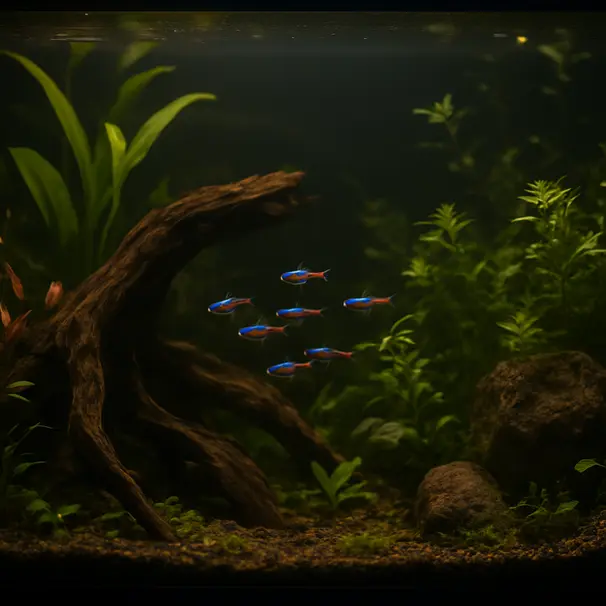
- Start with hardy species. Tetras, guppies, platies, mollies, and zebra danios are often recommended for beginners.
- Match fish by temperature and pH needs. Avoid mixing coldwater and tropical species in the same tank.
- Consider behavior. Some fish are territorial while others are schooling and need company. A small group of schooling fish will be less stressed and show brighter colors.
- Follow the “inch-per-gallon” rule cautiously. It’s a rough guideline, but stock based on adult fish size and the bio-load your filter can handle.
Add new fish gradually, quarantine new arrivals if possible, and observe them for signs of stress or disease for a week or two after introduction.
Feeding and nutrition
A little goes a long way. Overfeeding is one of the most common mistakes new fishkeepers make.
- Feed small amounts once or twice a day. If food remains uneaten after a couple of minutes, reduce the portion.
- Vary the diet. Mix flake or pellet food with frozen or live options like brine shrimp or daphnia occasionally. Plants and herbivores may benefit from algae wafers or blanched vegetables.
- Fast one day a week for community tanks. This can help prevent constipation and reduce waste.
Always store food in a cool, dry place and replace it when it smells off or loses color.
Plants, decor, and enrichment
Plants bring many benefits. Live plants can help absorb nitrates, add oxygen, and offer hiding places.
- Easy plants for beginners include Java fern, Anubias, and hornwort. They tend to be hardy and don’t need intense lighting.
- Provide a mix of open swimming areas and sheltered spaces. Rocks, driftwood, and caves can create territory boundaries and reduce stress.
- Rotate decor occasionally or rearrange plants to keep the environment stimulating for your fish.
Common signs of ill health and when to seek help
Fish can hide illness, so watch for subtle changes:
- Reduced appetite or sudden refusal to eat.
- Erratic swimming, gasping at the surface, or clamped fins.
- White spots, fuzzy growths, or reddened areas on skin.
If you notice concerning symptoms, run tests first to check water quality. Poor water quality often underlies many problems. If issues persist, consider consulting an aquatic veterinarian or an experienced fish carer. On Floofy, you can find carers who can perform checks, water changes, and offer hands-on support.
Cleaning routines and safe practices
A consistent routine prevents big problems.
- Weekly: Test water and perform partial water changes.
- Biweekly to monthly: Clean glass, trim plants, and siphon substrate to remove debris.
- Monthly: Rinse filter sponges in tank water and replace chemical filter media like carbon if needed.
Always replace only a portion of your filter media at a time. That helps preserve beneficial bacteria. Use a siphon to remove detritus, and avoid vacuuming all the substrate at once.
Troubleshooting common problems
Cloudy water
- Causes: Bacterial bloom, disturbed substrate, new tank syndrome.
- Try: Reduce feeding, increase aeration, test water. In new tanks, it may clear as the cycle completes.
Algae growth
- Causes: Too much light, excess nutrients, infrequent water changes.
- Try: Cut back lighting, add fast-growing plants, perform water changes, or introduce algae-eating species suited to your tank.
Ich and white spots
- Causes: Common parasite often triggered by stress or poor water quality.
- Try: Quarantine affected fish if possible. Raise temperature slightly and follow recommended treatments, but consult a vet or experienced aquarist if unsure.
Always treat problems gently and avoid drastic changes to water parameters in a short time.
Working with pet carers and aquarium sitters
If you travel or want extra help, a trusted pet carer can be great. Here’s how to work with one:
- Look for carers with aquarium experience. Ask about their routines for feeding, testing, and water changes.
- Prepare a care sheet: list tank parameters, feeding schedule, medications, and emergency contacts.
- Show the carer how to use test kits and equipment. A short walkthrough is worth a hundred messages.
- Consider a trial run while you’re home so the carer can practice water changes and equipment checks under your supervision.
A good carer reduces stress for your fish and gives you peace of mind.
Final checklist for new fishkeepers
- Choose an appropriate tank size and location.
- Gather essential equipment: filter, heater, light, substrate, and test kits.
- Cycle the tank before heavy stocking and introduce fish slowly.
- Test water regularly and keep a maintenance log.
- Feed appropriately and vary the diet.
- Provide plants and hiding places for enrichment.
- Learn common signs of illness and consult pros when needed.
- Prepare a care sheet if you’ll hire a pet carer.
Resources and next steps
Start small and enjoy the learning process. Join local aquarium clubs, read species care guides, and ask questions from experienced hobbyists or Floofy carers. Aquariums can be calming and joyful, and with steady care, your aquatic pets can live long, healthy lives.
Happy fishkeeping! Remember, steady routines and observation are your best tools. If you’d like, Floofy can help you find experienced carers to assist with setup, maintenance, or feedings while you’re away.