


Welcome to reptile care: a warm hello
Bringing a reptile into your life can be quietly magical. These animals are calm, fascinating and each species has unique needs. If you’re a new owner or a pet carer getting ready to look after someone else’s scaly companion, this guide will help you build confidence, avoid common pitfalls and create a happy, healthy home for your reptile.
This guide covers the essentials: choosing the right species, setting up a safe habitat, heating and lighting, feeding and handling, spotting health concerns, cleaning routines and tips for pet carers taking over for short stays. I’ll keep things practical and friendly, and encourage you to consult a reptile-savvy veterinarian when in doubt.
Is a reptile the right pet for you?
Reptiles are often lower-maintenance than dogs or cats in some ways, but they require consistent environmental care. They can live for many years, so consider the long-term commitment. Different species suit different lifestyles:
- Bearded dragons: social and tolerant of handling, great for first-timers.
- Leopard geckos: nocturnal, small, and relatively simple to feed.
- Corn snakes and ball pythons: calm snakes that can be gentle with handling.
- Turtles and tortoises: need large enclosures and long-term commitment.
- Iguanas and monitors: require advanced care and lots of space, so best avoided by beginners.
If you live in shared accommodation check rules about exotic pets, and if you travel a lot think about whether a trusted carer can provide daily environmental management. Reptiles thrive on routine, so reliable care matters.
Basic habitat and heating
Creating the right habitat is the most important part of reptile care. Many health problems come from improper temperature or humidity. Aim to mimic natural conditions for the species you have.
- Enclosure size: Bigger is usually better. A bearded dragon needs a roomy tank to move and thermoregulate. Snakes need length more than height. Research species-specific minimum sizes.
- Substrate: Choose safe bedding. Paper towels, reptile carpet, or species-appropriate substrates reduce the risk of impaction. Avoid small loose gravel for animals that might ingest it.
- Hides: Provide at least two hides, one on the warm side and one on the cool side, so your pet can choose comfortable temperatures.
- Temperature gradient: Use thermostats and reliable thermometers. Create a warm basking spot and a cooler retreat. For many lizards, basking temperatures range from 95–110°F (35–43°C) while cool sides sit around 75–85°F (24–29°C). Snakes have slightly different ranges depending on species.
- Heating equipment: Ceramic heat emitters or under-tank heaters can provide consistent warmth. Consider heat mats for burrowing species. Always use thermostats to avoid overheating.

Lighting and UVB
UVB lighting helps many reptiles synthesize vitamin D3 and use dietary calcium properly. Not all species require UVB, but many diurnal lizards do. A few practical tips:
- UVB placement: Position the bulb so the animal can bask within the manufacturer’s recommended distance. Replace bulbs every 6–12 months as UV output drops even if light still glows.
- Photoperiod: Mimic natural day-night cycles, typically 10–14 hours of light daily. Timers are great for consistency.
- Combine basking lights with UVB when required. Do not rely on window light, as glass filters out critical UVB wavelengths.
If you’re unsure whether your species needs UVB, consult a care sheet or veterinarian specializing in reptiles.
Feeding and nutrition
Diet varies a lot between species. Getting food right prevents nutritional disorders and keeps your reptile active.
- Insectivores (bearded dragons when young, leopard geckos): Feed gut-loaded insects like crickets, dubia roaches and occasional waxworms as treats. Gut-loading means feeding nutritious food to the insects first. Dust insects with a calcium supplement according to a schedule.
- Herbivores (adult bearded dragons, tortoises): Offer a wide variety of leafy greens, vegetables and occasionally safe fruits. Avoid iceberg lettuce and spinach as staples. Consider calcium and multivitamin supplements as advised by a vet.
- Carnivores (many snakes): Feed appropriately sized pre-killed or thawed frozen rodents rather than live prey when possible. Thawed frozen rodents reduce injury risk to your snake. Size matters: prey should be about the same width as the snake’s thickest part.
- Feeding frequency: Juveniles eat more often; adults less. For example, juvenile geckos and dragons may eat daily, while adult snakes may eat every 7–14 days depending on species.
Always provide fresh water and keep water bowls clean. Observe your pet’s appetite and body condition, and consider a vet consult if they stop eating for more than a few days.
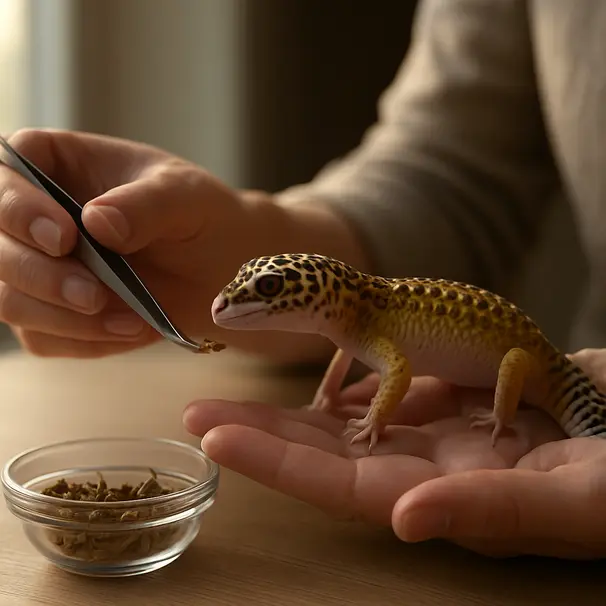
Handling, socializing and enrichment
Many reptiles tolerate handling, but each animal has its personality. Start slow and be respectful.
- Approach calmly: Move slowly and speak softly. Let the reptile see your hand before touching.
- Support the body: Use both hands for larger lizards and snakes, supporting their mid-body and tail. Avoid gripping too tightly.
- Short sessions: Keep early handling sessions brief so your pet doesn’t become stressed. Gradually increase time as they relax.
- Watch for stress signs: Hissing, puffing, rapid movements, hiding or refusing food may indicate stress. Back off and give space.
- Enrichment: Offer branches, hiding spots, varied substrates and safe items to explore. Simple changes like rearranging the enclosure occasionally provide mental stimulation.
If you are a pet carer, ask the owner about the reptile’s preferences, handling history and any calming routines they use. Building trust helps reduce stress during short-term care.
Health signs and common issues
You can’t replace a vet, but regular observation helps catch issues early. Look for these signs:
- Normal behavior: Active at expected times, regular shedding, good appetite and clear eyes.
- Watch for problems: Lethargy, persistent weight loss, swollen joints, abnormal stools, difficulty shedding or discoloration can indicate issues.
- Shedding: Reptiles shed skin periodically. Incomplete sheds may mean humidity is too low. Provide a humid hide or shallow soaking for geckos and snakes when needed.
- Parasites and infections: Small parasites are fairly common and can be treated. If you suspect infection, lumps, or wounds, consider a vet visit.
Always consider consulting a reptile-experienced veterinarian for persistent or serious concerns. Use wording like “consider” or “may” when describing treatments and encourage professional advice.
Cleaning, hygiene and safety
A clean enclosure reduces disease risk and keeps your reptile comfortable.
- Spot clean daily: Remove feces and uneaten food. This keeps bacteria and odors down.
- Deep clean regularly: Once every few weeks, remove the animal to a safe temporary enclosure and clean the habitat with reptile-safe disinfectant or diluted bleach solution following manufacturer guidelines. Rinse thoroughly and dry before returning your pet.
- Hand hygiene: Always wash your hands after handling reptiles or their enclosure, and encourage guests to do the same. Reptiles can carry bacteria like Salmonella without looking ill, so handwashing helps protect people.
- Safe handling of supplies: Keep food prep areas separate from reptile feeding equipment. Use dedicated tools and bowls for feeding.
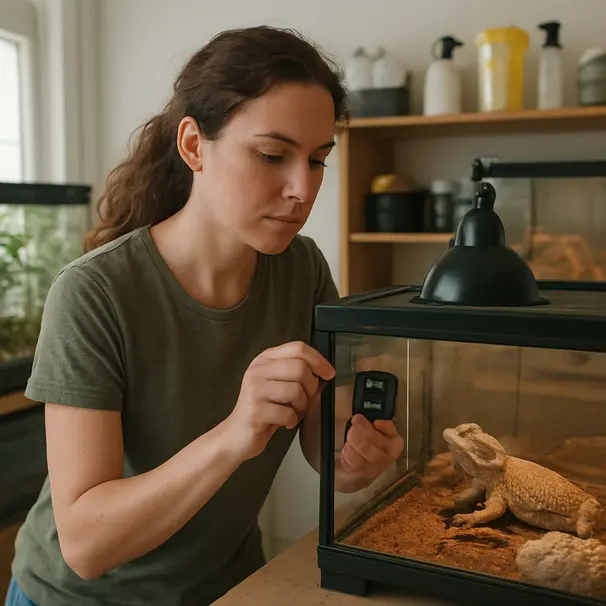
Preparing for a pet carer: what owners should provide
If you’re the owner and will have a pet carer look after your reptile, prepare a clear, simple care packet:
- Daily routine: Feeding times, amounts, basking schedules, and handling preferences.
- Habitat settings: Target temperatures for warm and cool spots, humidity goals and where thermostats are set.
- Supplies list: Location of spare bulbs, backup heaters, food, supplements and a spare hide.
- Emergency contacts: Your vet’s number, local emergency clinic and your contact info.
- Behavioral notes: Favorite hiding spots, whether the reptile is stressed by handling, and any quirks to watch.
Label everything and show the carer how to use equipment. A quick demonstration goes a long way.
Tips for pet carers: step-by-step daily routine
If you’re caring for someone’s reptile, follow a short checklist each visit:
- Check temperatures and adjust heating if needed.
- Refill water and spot clean the enclosure.
- Feed according to the owner’s instructions and note appetite.
- Observe the reptile for unusual behavior, shedding problems or injuries.
- Stick to the owner’s handling rules and minimize stressful changes.
- Record notes for the owner about feeding, behavior and any concerns.
When in doubt, contact the owner before making changes. If you suspect a serious health issue, advise the owner to consult their veterinarian.

A simple reptile care checklist
- Habitat: Correct size, hides, substrate and decor.
- Heating: Thermostats, thermometers, daily checks.
- Lighting: UVB where needed, timer set to mimic daylight.
- Feeding: Appropriate diet, supplements and safe prey sources.
- Water: Fresh daily and clean bowls.
- Cleaning: Daily spot cleaning, scheduled deep cleans.
- Handling: Gentle, brief sessions and respect for stress signs.
- Records: Note feedings, temperatures and any unusual signs.
- Emergency plan: Vet contact and owner instructions accessible.
Final gentle reminders and resources
Reptiles can be incredibly rewarding. They respond well to steady care and a consistent environment. If you’re new, pick a beginner-friendly species, keep learning and lean on experienced carers and vets when you need guidance.
Good resources include reptile rescue organisations, species-specific care guides, and forums where experienced keepers share practical tips. Always cross-check advice and prioritise information from reputable sources and veterinarians.
Thanks for caring about scaly friends. With thoughtful preparation and steady routines, you can give reptiles a calm, healthy life. Keep notes, ask questions and enjoy watching a different kind of companionship grow.