

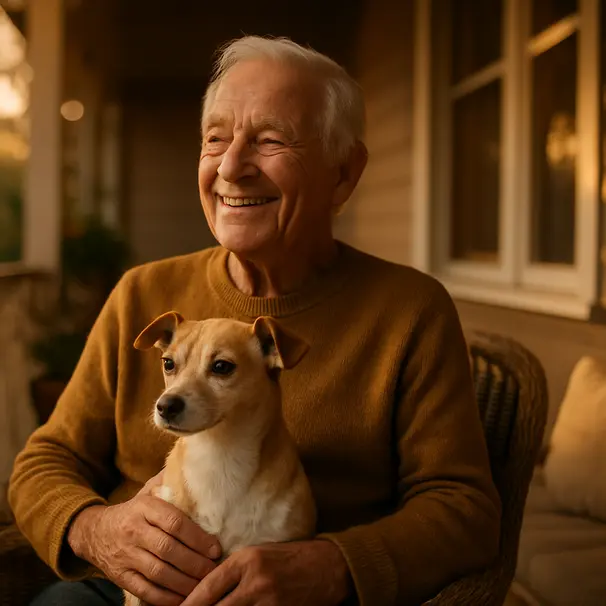
A gentle companion for golden years
Adopting a dog can brighten a senior’s days in simple, beautiful ways. Dogs offer company, gentle exercise, and reasons to get outside and connect. That said, the right match matters. A lively working breed may be joyful for an energetic owner, but for many older adults, a calmer, lower-maintenance companion fits better.
This guide looks at things to consider, then highlights breeds that tend to suit seniors well. I’ll also share practical care tips, how to work with pet carers, and ways to keep a senior-and-dog pairing safe and happy.
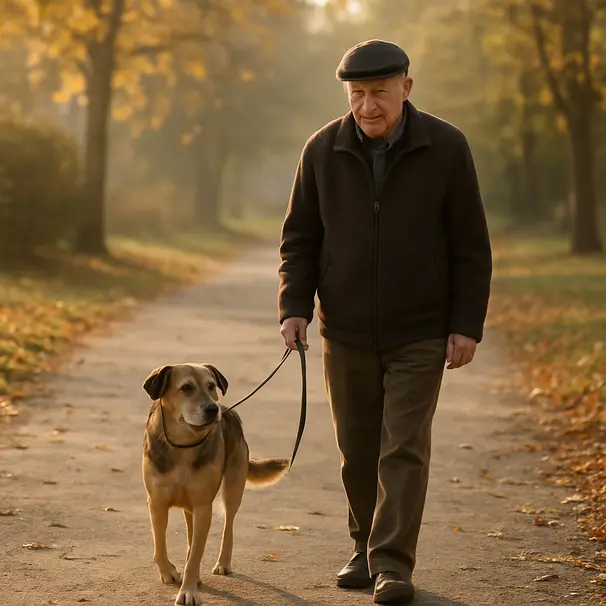
What makes a dog a good fit for a senior
Picking a breed is more than checking a list. Think about lifestyle, health, living space, and daily routine. Here are key factors to weigh:
- Size and mobility. Smaller dogs are often easier to lift and handle. A gentle medium dog can be perfect for an active senior. Large, heavy dogs may be impractical for limited mobility.
- Energy level. Look for dogs with a calm or moderate activity level. Too much energy can mean long walks and extra supervision.
- Temperament. Affectionate, patient dogs who enjoy lap time or relaxed walks usually suit seniors best.
- Grooming and care. Short coats or low-shed breeds can reduce daily maintenance. If grooming is needed, consider whether the owner can manage or would prefer a regular professional groomer or carer.
- Trainability and social nature. Dogs who respond well to basic training, leash manners, and gentle socialization make life easier.
- Health considerations. Some breeds may have breed-specific health issues. Consider adopting older dogs from shelters or rescues; many come house-trained and adjusted to quieter homes.
When in doubt, consider fostering first. A trial period can reveal how a dog fits into daily routines. Also, speak with a vet about breed-related health tendencies and regular care needs.
Top dog breeds for seniors
Below are breeds that often match well with senior lifestyles. I explain why each one can be a good fit, what to expect day-to-day, and small caveats to keep in mind.
Cavalier King Charles Spaniel
Cavaliers are affectionate lap dogs with a calm, people-focused temperament. They tend to be adaptable to apartment living and enjoy short, leisurely walks. Their silky coat needs regular brushing, but their affectionate nature makes them natural cuddle companions.
Why seniors may like them:
- Gentle, patient, and very affectionate.
- Moderate exercise needs, often satisfied with gentle daily strolls.
Considerations:
- They can have heart and eye issues. Regular veterinary checkups are wise.
Bichon Frise
Bichons are cheerful, small, and playful without being overly energetic. They bond closely with owners and tend to be good with visitors and carers. Their coat is hypoallergenic for some people, but they still need routine grooming.
Why seniors may like them:
- Cheerful, easygoing, and great for lap time.
- Small and light to lift if needed.
Considerations:
- Requires professional grooming every few months and regular brushing at home.
Shih Tzu
Shih Tzus were bred as companion dogs, and they shine at cuddling. They’re small, friendly, and usually calm indoors. Short daily walks and indoor play keep them happy.
Why seniors may like them:
- Calm demeanor and excellent lap companions.
- Adaptable to apartments and quieter households.
Considerations:
- Coat maintenance varies depending on whether the coat is kept long; some owners prefer a short “puppy cut” to reduce brushing time.
Pug
Pugs are playful, affectionate, and have a way of making people smile. They often enjoy short walks, gentle play, and lots of lap time. Their sturdy, compact bodies are easy to manage.
Why seniors may like them:
- Low to moderate exercise needs and a loving personality.
- Sturdy and compact for easy handling.
Considerations:
- Brachycephalic breeds (short muzzles) can be sensitive to heat and may snore. Keep them cool in warm weather and monitor breathing, especially during exertion.
French Bulldog
Frenchies are calm, affectionate, and often happy with brief walks and indoor play. They thrive on human attention and tend to be patient companions.
Why seniors may like them:
- Low energy and very loving.
- Compact and easy to manage physically.
Considerations:
- Like pugs, they can be sensitive to heat and may need special care in hot conditions.
Miniature Schnauzer
Mini Schnauzers are alert, friendly, and adaptable. They enjoy a blend of play and relaxed downtime. Their size is convenient for seniors, and they’re often good watchdogs without excessive barking when socialized.
Why seniors may like them:
- Smart and trainable, making daily life manageable.
- Loyal and attentive companions.
Considerations:
- Their wiry coat needs periodic grooming; brushing and trimming help prevent mats.
Greyhound
You might be surprised to see Greyhounds on a senior-friendly list. Although large, many retired racing Greyhounds are couch potatoes. They love short bursts of exercise but spend most of the day resting.
Why seniors may like them:
- Calm indoors, affectionate, and surprisingly gentle.
- Low grooming needs and moderate exercise requirements.
Considerations:
- Their size might be hard to manage for some seniors. Adopting an adult Greyhound means you’ll know the dog’s true temperament.
Cocker Spaniel
Cocker Spaniels are sweet-natured and often bond closely with their families. They enjoy moderate daily activity and can be great for seniors who like a predictable routine.
Why seniors may like them:
- Gentle, affectionate, and adaptable.
- Good with visitors and carers when socialized.
Considerations:
- Coat and ear care are important; regular brushing and ear checks help prevent issues.
Beagle
Beagles are friendly, curious, and social. They’re a good match for seniors who enjoy short walks and sniffing adventures. Their small-medium size makes them manageable.
Why seniors may like them:
- Affectionate and sociable, happy with family life.
- Typically low to moderate grooming needs.
Considerations:
- Beagles can be scent-driven and sometimes stubborn. Consistent training and secure yards or leashes are helpful.
Labrador Retriever (companion version)
Labradors are energetic, loyal, and friendly. For an active senior who loves longer walks and outdoor time, a well-trained, calmer adult Lab can be a fantastic companion. Consider adopting an older Lab that has outgrown the puppy stage.
Why seniors may like them:
- Loyal and easygoing when trained and exercised properly.
- Great for seniors who enjoy outdoor activities.
Considerations:
- Their size and strength mean consistent training and handling are important. Labs need regular exercise to stay mentally and physically healthy.
Practical tips for choosing and caring for a senior-friendly dog
A great match is more than breed alone. Use these practical steps to help a senior and a dog thrive together.
- Assess daily routines. Match a dog’s exercise and activity needs to the senior’s typical day. Short, consistent walks are easier to manage than long hikes.
- Consider mixed breeds and rescues. Many mixed-breed dogs have balanced temperaments and lower health risks. Older dogs often come house-trained and calmer.
- Think about home setup. Non-slip rugs, ramps, and easy-to-access water bowls help seniors and dogs move safely.
- Plan for grooming. If brushing or trims are hard to manage, arrange regular professional grooming or support from a trusted carer.
- Budget for care. Routine vet visits, food, grooming, and supplies add up. Explore pet insurance and community resources for seniors.
- Involve carers and family. Trusted pet carers can help with walks, transport to vet visits, or short-term boarding. Building a support network makes a big difference.
Working with pet carers and the Floofy community
Pet carers can be a lifeline for older pet owners. On platforms like Floofy, you can find carers who offer dog walking, grooming pickups, or in-home visits. Here are tips for successful partnerships:
- Meet in person first. Introductions help the dog and senior feel comfortable. A trial walk lets everyone test chemistry.
- Share routines and preferences. A clear written list of feeding times, leash habits, and any medical notes helps carers provide consistent care.
- Use carers for transport and vet visits. If mobility is limited, carers can safely take dogs to appointments.
- Keep emergency contacts updated. Make sure carers have up-to-date contact info and keys or access instructions.
Health, safety, and legal considerations
A few simple steps can reduce stress and keep both senior and dog safer.
- Microchip and ID tag. These increase the chance of a quick reunion if a dog wanders off.
- Medication and mobility. If a senior needs special medications or has mobility aids, plan routines that accommodate both the person and the dog.
- Veterinary guidance. Consult a vet about breed-specific health tendencies and weight management. Regular checkups may help catch issues early.
- Clear sidewalks and safe walking routes. Choose flat, even surfaces and avoid long, steep walks. Early morning or late afternoon walks may be cooler and calmer.
When a dog isn’t a fit
Sometimes a dog can add more work than comfort. Warning signs that a different support option might be better:
- If mobility or health challenges make daily care unsafe.
- If the senior feels overwhelmed despite support from carers.
- If housing rules or finances make pet ownership impractical.
Alternatives include regular visits from therapy dogs, volunteering at a local shelter to spend time with animals, or fostering short-term to enjoy companionship without long-term responsibility.
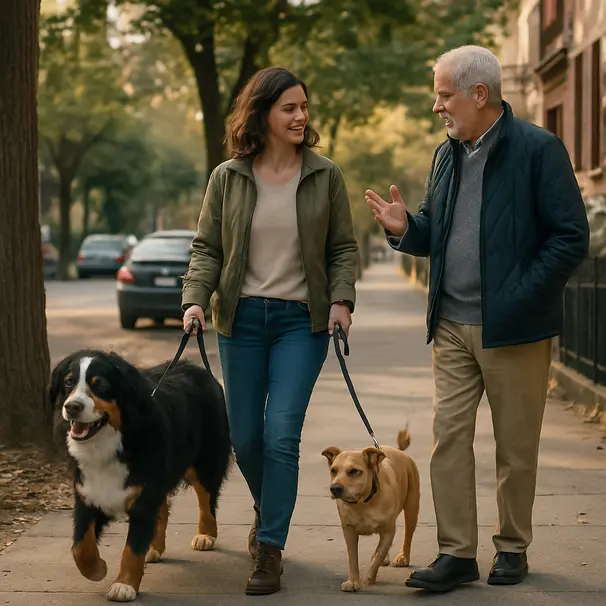
Final thoughts
A well-matched dog can bring warmth, laughter, and routine to a senior’s life. Think gently about size, temperament, grooming, and daily energy. Consider mixed breeds and older dogs from rescues. Use pet carers and community resources to bridge gaps in mobility or time.
Choosing a dog is a personal, emotional decision. Take your time, try fostering if possible, and lean on vets and trusted carers when you need advice. With the right match and a supportive network, a dog can become a loyal friend through many comfortable afternoons and peaceful evening walks.
If you’re ready to explore options, check local shelters, breed-specific rescues, and trusted carers on Floofy. There’s a gentle companion out there waiting for the perfect senior home.