

Best food for senior cats
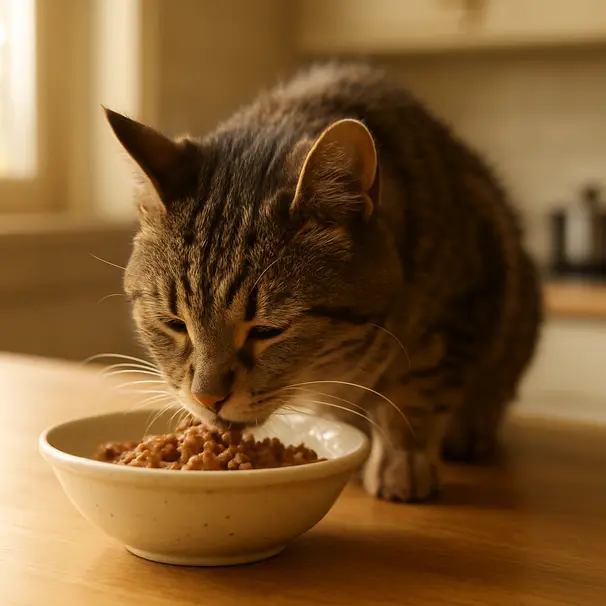
Growing old is a normal part of a cat’s life, and it brings small changes to appetite, energy and digestion. Choosing the right food can make those golden years comfier and keep your cat curious, cuddly and comfortable. This post is full of practical tips, label-savvy advice and real-life feeding strategies for pet owners and carers who want the best for senior felines.
How aging affects your cat’s nutrition
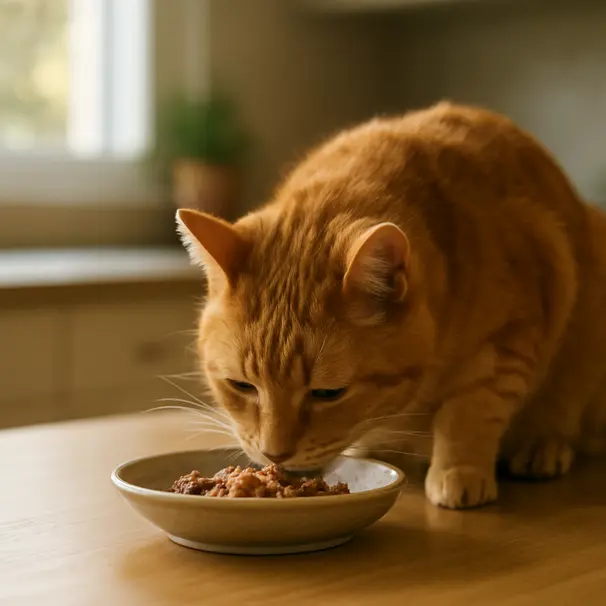
Cats often slow down as they age. Their metabolism can change, they may lose muscle mass, and some organs — especially kidneys — can become less efficient. Dental wear is common too, and that can make crunchy kibble less appealing. All of this affects what and how much your cat should eat.
Common shifts you might notice:
- Appetite varies more from day to day.
- Weight loss or weight gain, depending on activity and health.
- Changes in thirst and urination, which may point to kidney or endocrine changes.
- Food aversions if dental pain makes chewing uncomfortable.
Knowing these patterns helps you pick foods that support muscle maintenance, hydration and dental comfort.
Key nutrients to consider for senior cats
No single food is a miracle, but a few nutrients matter more for older cats.
High-quality protein
Older cats can lose lean muscle. Protein helps maintain muscle and keeps them active. Choose foods with clearly listed animal proteins near the top of the ingredient list. Look for words like chicken, turkey, salmon or named fish meals.
Controlled phosphorus and sodium
If a cat has reduced kidney function, lower phosphorus and sensible sodium levels can help slow progression. Consider this as a flag to consult your vet before making big changes.
Healthy fats and omega-3s
Omega-3 fatty acids, especially EPA and DHA, may support joint comfort and skin health. A moderate fat level also helps with palatability and energy for less active cats.
Moisture content
Hydration matters. Wet food, broths or even water-rich toppers can help cats who don’t drink much. Adequate moisture supports urinary and kidney health and can make digestion gentler.
Fiber and gentle digestion
A bit of soluble fiber can help with hairball management and digestion. Too much fiber can reduce nutrient absorption, so aim for balanced formulas.
Vitamins and antioxidants
A complete senior diet usually includes vitamins and antioxidants to support immune health. These are helpful but not a substitute for a vet check when health issues arise.
Remember: terms like “senior” on packaging aren’t regulated the same everywhere. The nutrient profile matters more than the age label.
Wet food versus dry food: pros and cons
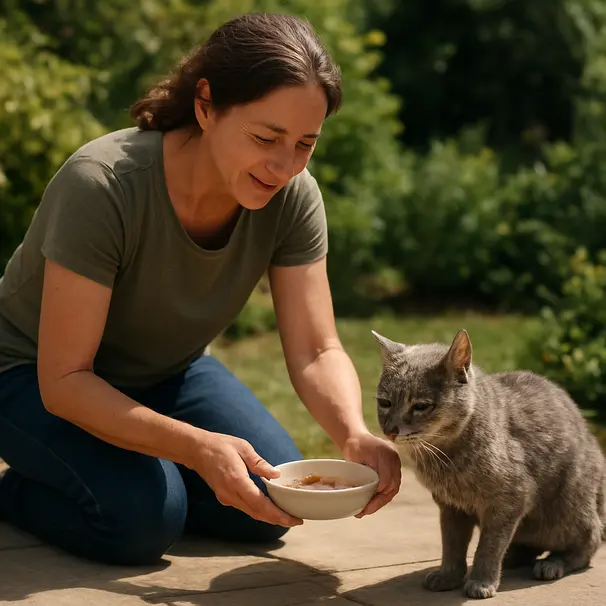
Both wet and dry food can be part of a good senior diet. Picking the right one depends on your cat’s needs and habits.
Wet food benefits:
- Higher moisture content helps hydration.
- Often easier to chew for cats with dental issues.
- Usually more aromatic, which can entice picky eaters.
Dry food benefits:
- Convenient and can stay out longer without spoiling.
- Can help some cats with tartar control, though it’s not a dental cure-all.
- Often more calorie-dense, which can be useful for underweight cats.
Hybrid strategies work well for many cats. For example:
- Wet food at main meals, dry kibble as a measured snack.
- A mix of wet and dry to keep variety and interest.
If your senior cat has specific medical conditions, your vet may recommend a prescription diet tailored for kidney disease, diabetes or gastrointestinal issues. Those diets are formulated with specific nutrient targets that may be helpful for some cats.
Reading labels without getting overwhelmed
Ingredient lists and guaranteed analysis can feel like a foreign language. Here are quick tips to decode them:
- Look for named animal proteins at the top of the ingredient list. “Chicken” is clearer than “meat by-products.”
- Check the guaranteed analysis for crude protein, fat and fiber. Compare similar products rather than fixating on a single number.
- Be cautious with vague terms like “meat” or “animal fat.”
- An AAFCO or local feeding standard statement usually means the food meets basic nutritional completeness.
A useful habit: keep two or three favorite brands and compare their actual nutrient numbers and ingredient clarity. Consistency helps older cats, who may dislike sudden change.
Special considerations for common senior conditions
Kidney health
If your cat has kidney disease, you may be advised to consider foods with lower phosphorus and adjusted protein levels. Always discuss this with your vet first, and consider palatability—cats need to eat enough to keep their weight up.
Dental issues
Soft or pate-style wet food, or moistened dry food, can make mealtimes easier for cats with missing or painful teeth.
Weight management
Older cats can be underweight or overweight. If your cat is losing weight despite eating well, a vet check is wise. For overweight cats, slow and steady weight loss is best. High-protein, moderate-fat diets can help preserve muscle during weight loss.
Diabetes and endocrine concerns
Cats with diabetes need careful monitoring and consistent carbohydrate intake. A vet-driven plan is essential.
Food sensitivities
If you suspect a food allergy or intolerance, an elimination trial under veterinary guidance can help pinpoint triggers.
Throughout, use terms like may, consider and can help, and involve your vet when you suspect disease.
Practical feeding tips and routines
A calm routine can make a big difference for older cats. Small changes add up.
- Offer smaller, more frequent meals to help cats with smaller appetites.
- Keep food bowls in quiet spots away from heavy foot traffic and loud appliances.
- Warm wet food slightly to boost aroma and entice picky eaters. Test temperature before serving.
- Try shallow dishes if your cat has whisker sensitivity.
- Use puzzle feeders or slow-feed bowls if your cat gulps food. Gentle mental stimulation can also boost appetite.
- Monitor water intake and keep several fresh water sources around the house. Consider a cat fountain for curious drinkers.
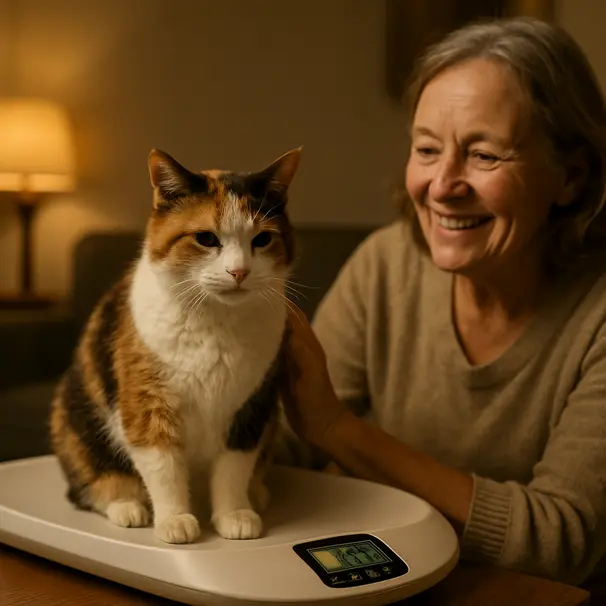
Weigh your cat monthly at home or at your carer’s visits to spot trends early. Small, steady changes matter more than daily ups and downs.
Transitioning foods safely
Switching foods quickly can upset a cat’s stomach. Use a gradual transition over 7–10 days:
- Days 1–3: 75% old food, 25% new food.
- Days 4–6: 50/50 mix.
- Days 7–9: 25% old food, 75% new food.
- Day 10: full new food.
If your cat balks, slow the transition and try warming or adding a small tasty topper. If they refuse to eat for more than 24–48 hours, check in with your vet.
Homemade diets and supplements: proceed with care
Homemade meals can feel comforting, but they can be nutritionally incomplete for senior cats. If you’re thinking about home-cooked or raw diets, work with a veterinary nutritionist. Supplements such as omega-3s or joint-support formulas may help, but discuss doses with your vet to avoid imbalances.
Working with pet carers and sitters
If you rely on carers, clear communication is vital:
- Leave detailed feeding instructions: amounts, times, favorite toppers and any medical needs.
- Show carers how to warm food, handle wet meals and record intake.
- Share your cat’s weight and behavior baselines so carers can spot changes.
- Ask carers to photograph meals and toileting if you’re worried about eating or litter habits.
Trusted carers can be lifesavers. Make sure they know when to call you or a vet if the cat skips meals, vomits or shows lethargy.
Quick shopping checklist for senior cat food
- High-quality named animal protein near top of ingredient list.
- Moisture-rich options available (wet food or toppers).
- Moderate calories and healthy fats, with omega-3s if possible.
- Lower phosphorus if recommended by your vet.
- Vet-prescribed diets if your cat has specific health issues.
- Good palatability to encourage regular eating.
Final thoughts and gentle reminders
Choosing the best food for a senior cat is about balance. Focus on keeping your cat eating well, retaining muscle, staying hydrated and enjoying mealtimes. Small, consistent habits — measured meals, a quiet feeding corner and regular weight checks — can make a huge difference.
Always consider veterinary advice for persistent changes in appetite, weight or bathroom habits. Food can help support health, and a vet can help tailor choices to your cat’s medical needs.
You love your older cat for their personality, their quirks and their purrs. Thoughtful feeding keeps those things around longer. If you need help choosing food, preparing meals or arranging a carer who understands senior cats, Floofy is here to connect you with carers who care as much as you do.