


Best foods for senior cats to stay healthy
Growing older doesn’t mean your cat can’t enjoy tasty meals and feel good doing it. As cats age, their bodies change in small but important ways. Appetite, digestion, dental health and activity level can shift, and those differences can affect what works best on the plate. This long guide is written for pet owners and carers who want warm, practical advice to help senior cats stay comfortable, nourished and interested in mealtimes.
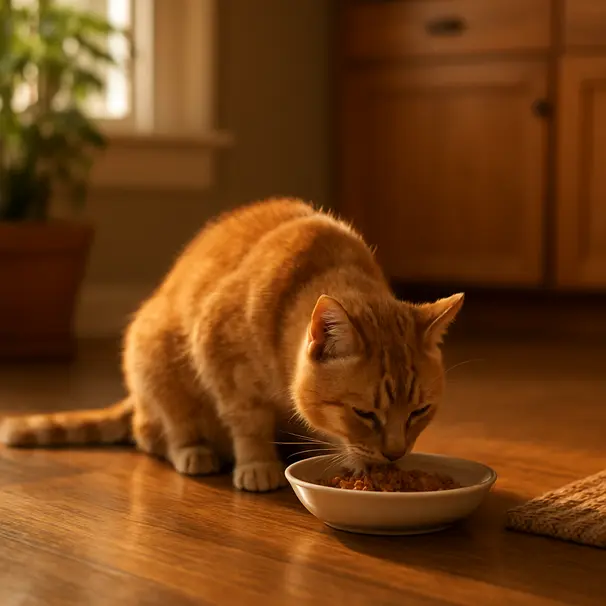
Why nutrition matters more for senior cats
Aging cats may lose muscle, gain or lose weight unexpectedly, and become less active. Their kidneys and liver can work differently. Tooth wear or gum disease can make crunchy kibble less appealing. Even subtle changes in taste or smell can affect appetite. The right food can help maintain healthy body condition, energy, and the small daily comforts your cat loves.
I won’t promise cures. Instead, think of nutrition as a helpful tool you can use alongside regular vet care. If you notice weight loss, drinking more or less, or persistent changes in appetite, a vet visit is a good idea.
Key nutrients and what to consider
Pay attention to the basics. Here are the nutrients that matter most for many senior cats and why they’re worth considering.
Protein: keep the muscles moving
Older cats may need high-quality protein to preserve muscle mass. Look for named animal proteins like chicken, turkey, or fish near the top of the ingredient list. Protein can help maintain strength and mobility as activity levels dip.
Tip: If your cat has kidney concerns, discuss protein levels with your vet. In some cases a slightly lower but high-quality protein may be recommended. Always consult a professional before making big changes.
Fat and essential fatty acids
Fat is calorie-dense and helps with energy and palatability. Essential fatty acids, especially omega-3s like EPA and DHA, may support skin, coat and joint comfort. Many senior formulas include fish oil for this reason.
Carbohydrates and fiber
Cats are obligate carnivores, so carbs should be limited. However, a bit of digestible fiber can help with hairball control and stool quality. If your senior cat struggles with constipation, fiber and hydration strategies can help, but check with your vet first.
Hydration
Dehydration is common in older cats. Wet food is an easy way to increase water intake, and many cats prefer the texture and smell. Always keep fresh water available and consider multiple water bowls or a pet fountain to encourage sipping.
Joint-supporting nutrients
Ingredients like glucosamine and chondroitin appear in some senior diets and supplements. They may help maintain joint comfort and mobility. Talk to your vet before adding supplements so you can choose safe, effective products and avoid unnecessary overlap with other medications.
Vitamins, minerals and antioxidants
Balanced senior foods include vitamins and minerals to support overall health. Antioxidants such as vitamin E and selenium can support aging cells, and B vitamins can help energy metabolism. A complete commercial diet formulated for senior cats is usually fortified with these nutrients.
Wet food, dry food, or a mix?
Each format has pros and cons. Many carers and cat owners find a combination useful.
Wet food
- Pros: Higher moisture, often more palatable, easier to chew. Good for cats that drink little.
- Cons: Can be pricier, perishable once opened, and sometimes messy.
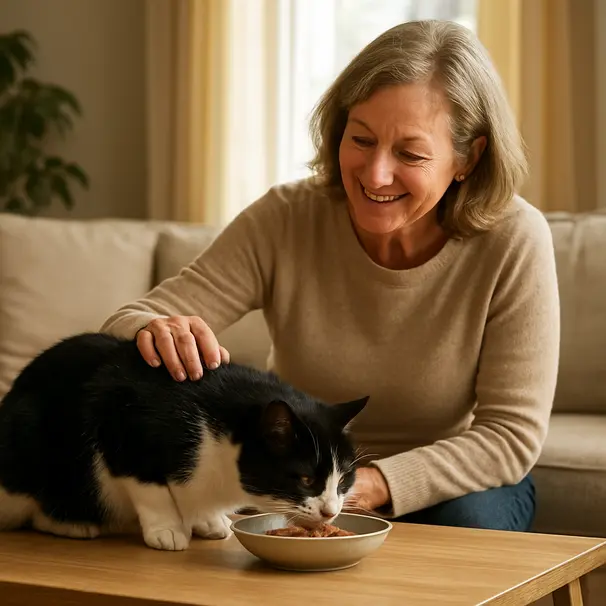
Wet food may be especially helpful for older cats with dental sensitivity or reduced thirst.
Dry food
- Pros: Convenient, helps keep kibble available between meals, often more cost-effective.
- Cons: Lower moisture content, may be harder for cats with dental problems.
Some older cats enjoy softened kibble. Briefly adding warm water or broth can make dry food easier to chew and more aromatic.
Mixing wet and dry
Combining formats can offer hydration and tooth-friendly texture variety. If you mix, calculate total calories so your cat maintains a healthy weight.
Prescription diets
If your cat has a diagnosed condition such as kidney disease, diabetes or severe dental disease, a prescription diet may be advised. These formulas are tailored for specific needs. Discuss with your vet whether a prescription diet is appropriate before switching.
Reading labels and choosing a brand
Picking a food feels overwhelming, but a few clear steps make it easier.
- Look for an AAFCO statement or your region’s equivalent, which indicates the food is complete and balanced for a life stage. For seniors, “adult maintenance” formulas may be fine, but some brands label “senior” specifically.
- Check the first few ingredients. Named animal proteins are usually preferable over vague terms like “meat by-products.” Quality matters more than marketing language.
- Protein and fat percentages are useful, but focus on ingredient quality and overall caloric needs.
- Avoid foods with excessive fillers or artificial additives if you can. Short, recognizable ingredient lists are easier to evaluate.
If you like human-grade or limited-ingredient lines, read reviews and ask other pet carers about their experiences. Brand reputation and consistent quality control go a long way.
Practical feeding tips for picky or sensitive seniors
Here are hands-on ideas that many cat owners find helpful.
- Transition slowly. Mix increasing amounts of the new food with the old over 7–10 days. For sensitive stomachs, go even slower.
- Warm wet food slightly to release aroma and entice eating. Test temperature to be safe.
- Offer small, frequent meals. Older cats may prefer grazing or several small portions instead of two large meals.
- Use shallow, wide bowls for cats with whisker sensitivity. Some older cats dislike deep bowls.
- Try adding a splash of low-sodium chicken broth or a teaspoon of tuna juice to dry food for extra smell.
- Keep meals in a quiet, comfortable area away from loud appliances and other pets.
If dental pain seems to be the issue, a vet dental check is a good next step. Softer textures or specially formulated dental diets can make mealtime easier.
Homemade diets and supplements: proceed with care
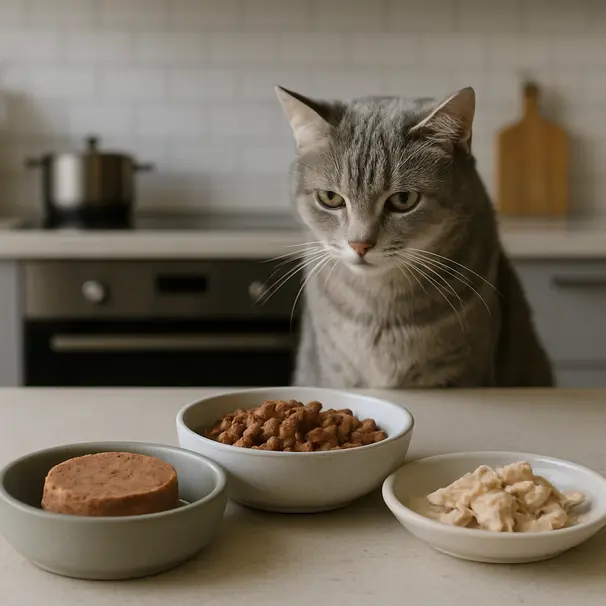
A homemade diet can be loving and tailored, but creating nutritionally complete meals for cats is challenging. Cats have unique requirements for taurine, vitamin A, arachidonic acid and other nutrients. If you’re considering a homemade plan, consult a veterinary nutritionist. They can create recipes and recommend appropriate supplements.
About over-the-counter supplements: some may help, others may be unnecessary or interact with medications. Always check with your vet before adding anything new.
Monitoring weight and body condition
Weight is one of the simplest health signals. A thin or overweight cat both need attention.
- Weigh your cat monthly at home or during vet visits.
- Use a body condition score chart to assess muscle and fat. Look for a visible waist and gentle abdominal tuck in a healthy weight.
- If your cat loses or gains more than a small percentage of body weight over a few weeks, consult your vet.
Small, steady changes in diet and activity can be safer than sudden shifts.
Treats and enrichment
Treats are a lovely way to bond, but don’t let them derail nutrition.
- Keep treats to under 10% of daily calories.
- Use high-value wet food or small pieces of cooked chicken as healthy rewards.
- Try food puzzles or scatter feeding to encourage movement and mental stimulation, tailored to mobility levels.
If your senior cat has trouble jumping, place puzzle feeders on a low surface.
When to call the vet or a nutritionist
Contact your veterinarian if your senior cat shows:
- Unexplained weight loss or gain
- Persistent changes in eating or drinking
- Repeated vomiting or diarrhea
- Signs of pain, stiffness or difficulty jumping
- Bad breath, drooling or pawing at the mouth
If a medical condition is diagnosed, ask whether dietary changes might help manage symptoms. A veterinary nutritionist can be especially helpful for complex cases or when you’re considering a homemade diet.
Sample feeding ideas and portioning
Every cat is different, but here are sample options to inspire safe, sensible meals. Adjust portions to your cat’s calorie needs and activity level.
- Morning: 1/4 to 1/2 can of high-quality wet food with added warm water for aroma.
- Midday: Small puzzle feeder with a tablespoon of dry kibble to encourage gentle activity.
- Evening: Wet food mixed with a small amount of cooked, skinless chicken or a veterinary-recommended topper.
Always calculate total daily calories and avoid free-feeding if weight management is a concern. Your vet can help determine the right daily calorie target.
A quick checklist for feeding senior cats
- Schedule a vet check at the first sign of persistent appetite or weight change.
- Choose high-quality protein sources and consider moisture-rich wet food.
- Keep fresh water available and consider multiple bowls or a fountain.
- Warm wet food to increase appeal and soften texture when needed.
- Use shallow bowls to avoid whisker fatigue.
- Limit treats to under 10% of calories.
- Consult a veterinary nutritionist before starting homemade diets or supplements.
Final thoughts
Feeding a senior cat is part science and part love. Small changes can make food more inviting and better suited to your cat’s evolving needs. Observe your cat, keep the vet in the loop, and don’t be afraid to try different textures and routines until you find what makes them purr again.
If you’re a pet carer working with senior cats, communicate any feeding notes clearly with owners. Little observations about appetite, food preferences and water intake help everyone make smart, compassionate choices.
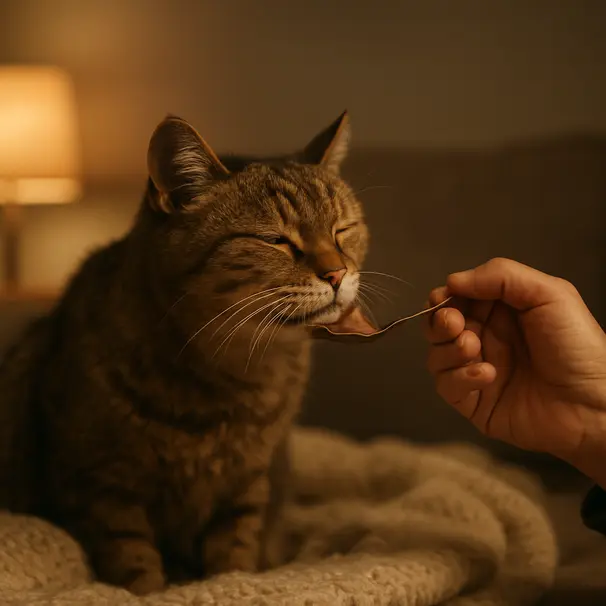
You’ve already taken a great step by reading. Now, try one small change this week: warm a spoonful of wet food, set it in a peaceful spot, and enjoy the contented face that follows.