
Best orthopaedic beds for dogs 2026
If your dog slows down a little, takes longer to get up, or spends more time curled up in their favourite sunspot, an orthopaedic bed might be just the comfort upgrade they need. This guide is written for pet owners and carers who want clear, friendly advice on choosing beds that offer extra support for older dogs, large breeds, or pets recovering from injury.
Quick overview
- What an orthopaedic bed does: offers extra support and pressure relief.
- Who might benefit: senior dogs, heavy breed dogs, dogs with stiffness, and pups recovering from surgery.
- How to use this guide: read the shopping tips, then check the top picks and care advice.
Why an orthopaedic bed may help your dog
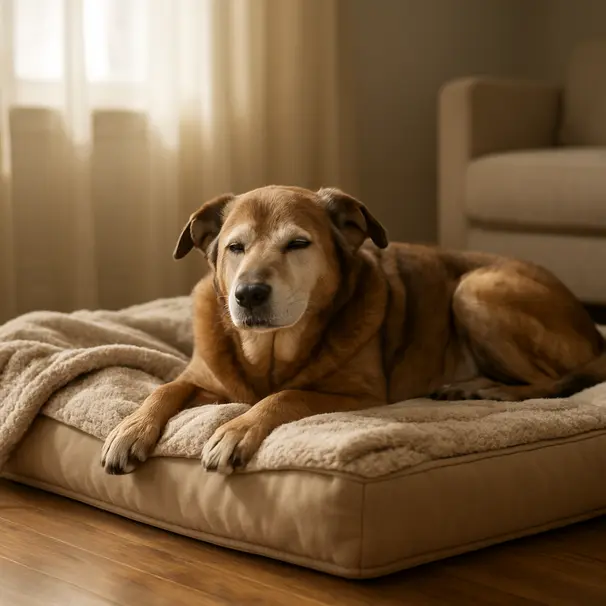
Dogs can show joint discomfort in small ways. They might hesitate on stairs, be less eager for long walks, or sleep differently. An orthopaedic bed can provide a firmer, more supportive surface than a standard cushion. Supportive foam may help distribute weight more evenly, which can feel more comfortable for arthritic joints and sore hips.
Remember, a bed is comfort support, not a medical cure. If you notice severe mobility changes, ongoing pain, or sudden shifts in behaviour, chat with your vet. They can recommend treatments, physical therapies, or supplements that might work well with a supportive bed.
How orthopaedic beds work
Most orthopaedic beds use denser foam that holds shape under weight, rather than compressing flat. Memory foam contours to the body and returns slowly, which can feel pleasantly cradling. High-resilience foam offers firmer support and can be better for very large or active dogs who need the bed to keep its shape.
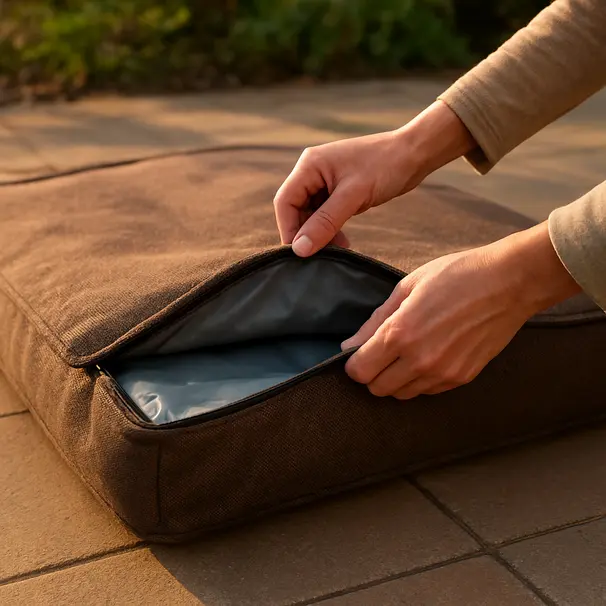
Covers and bolsters add another layer of comfort. Bolsters give neck and head support and create a sense of safety for dogs that like to lean. Waterproof liners and removable covers protect the inner foam from accidents and make cleaning simpler.
Choosing the right size and shape
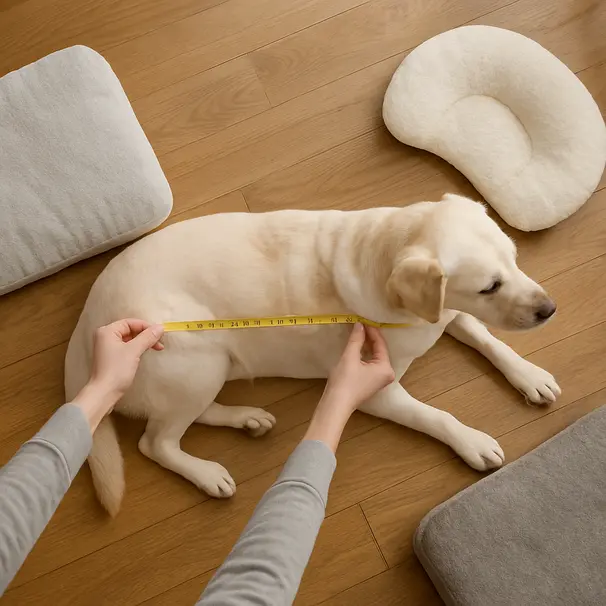
Measure your dog from nose to tail while they are stretched out. Add 6 to 12 inches to that length to find a bed that lets them fully stretch comfortably. For broad-chested or heavy dogs, look for a bed with wider dimensions and thicker foam.
Shapes matter for sleeping style:
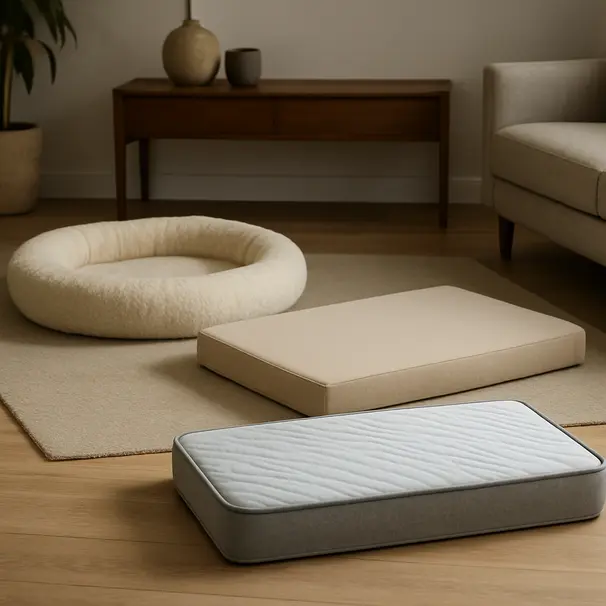
- Rectangle: good for dogs that stretch out.
- Oval or round with bolsters: suits curlers and dogs that like to nest.
- Elevated or hammock-style: keeps dogs off cold floors and may help with airflow for warmer climates.
If you care for multiple dogs, consider whether you need one large bed or several smaller beds. Dogs that sleep together may prefer a big, sturdy mat, while dogs with very different sizes may each need their own tailored support.
Materials and cover types
Here are common materials and what to expect from each:
- Memory foam: contours to the dog’s body, may relieve pressure points, and is usually very comfortable.
- High-resilience foam: firmer, more supportive for larger dogs, and tends to spring back faster.
- Gel-infused foam: can help with heat dissipation for dogs who overheat on dense foam.
- Orthopaedic fibre fill: lighter than foam, can offer mild support with easier washing.
Cover options:
- Breathable fabric: keeps airflow moving and is comfy in warm weather.
- Waterproof liners: protect the interior foam from accidents or spills.
- Chew-resistant covers: useful for active chewers, though no cover is truly chew-proof for determined dogs.
Features to look for
When comparing beds, think about these practical features:
- Thickness: thicker foam usually means more support for heavier or arthritic dogs.
- Removable cover: essential for washing and hygiene.
- Non-slip base: helpful for tile or wood floors to prevent sliding.
- Bolsters: good for dogs that like headrest support.
- Warranty: foam can flatten over time, so look for a bed with a comfortable return or warranty window.
Top orthopaedic beds for 2026
Below are solid picks across budgets and dog types. Each choice balances support, durability, and value. Prices and specific models change, so use these picks as a starting point and read current reviews.
1. CloudRest Memory Foam Bolster Bed — Best for curlers
Pros: Thick memory foam base, soft removable cover, comfortable bolsters for head support. Cons: Can feel warm in summer for some dogs.
Why it’s good: This bed combines a supportive base with a cozy bolstered rim that many dogs use as a pillow. It’s great for dogs who love to nest.
2. StrongHold High-Res Foam Mat — Best for large breeds
Pros: Extra-thick high-resilience foam, durable cover, budget-friendly for its size. Cons: Less plush than memory foam, not as contouring.
Why it’s good: Big dogs need firm, long-lasting support. This mat stays supportive and holds shape under heavy weight.
3. CoolGel Orthopaedic Mattress — Best for warm climates
Pros: Gel-infused foam to help with heat, supportive core, washable cover. Cons: Gel surface can feel firmer to some dogs.
Why it’s good: For dogs that overheat on dense foams, gel infusion can help transfer heat away and keep sleep calmer.
4. HomeComfort Waterproof Wedge Bed — Best for recovery
Pros: Inclined design helpful for dogs with limited mobility, waterproof liner, zip-off cover. Cons: Not ideal for dogs that like to fully stretch out.
Why it’s good: The wedge shape can help dogs get in and out of bed easier, which can be useful after surgery or for dogs that need a gentle incline.
5. Luxe Bolster Round Bed — Best for small breeds
Pros: Plush, extra cushioning, small sizes available, machine-washable cover. Cons: Less support for heavy breeds.
Why it’s good: Small dogs and toy breeds benefit from a softer, cozier nest that still gives a touch of support.
6. Dual-Layer Orthopaedic Lounge — Best overall pick
Pros: Firm base layer with a softer top layer, removable washable cover, non-slip bottom. Cons: Mid-range price.
Why it’s good: This layered approach gives both firm support and a cushioned surface, fitting many dogs’ needs without extremes.
Caring for an orthopaedic bed
A supportive bed is an investment. Taking a few simple steps can keep it comfortable and lasting longer:
- Use a waterproof liner beneath the cover for accidents.
- Wash the removable cover regularly, following the label instructions.
- Spot clean foam only when recommended, and let it dry fully in a well-ventilated area.
- Rotate the bed occasionally if one side shows more wear.
- Replace the bed if the foam permanently flattens or if seams break down.
If you use the bed outside or on a porch, consider a weather-resistant option and bring it in during damp weather.
Transitioning your dog to a new bed
Some dogs take to a new bed instantly. Others need coaxing. Try these gentle steps:
- Put the old familiar blanket on the new bed at first.
- Place the bed in a favourite spot with good light and low foot traffic.
- Encourage short, positive sessions with treats and praise when your dog gets on the bed.
- Avoid forcing the dog; give them time to sniff and explore.
If your dog associates the bed with rest time, keep consistent cues like a quiet period or a favourite toy to build the habit.
When to talk to your vet
A comfy bed can make a big difference, but it’s not a substitute for medical care. Consider a vet visit if your dog shows:
- New or worsening limping.
- Trouble standing or lying down.
- Sudden changes in appetite or mood.
Your vet can recommend physical therapy, weight management, or diagnostics that work alongside a supportive bed.
Frequently asked questions
How long do orthopaedic beds last?
Lifespan depends on foam quality and usage. High-quality foam with regular care can last several years. Watch for permanent sagging or breakdown in seams.
Are memory foam beds too hot for dogs?
Some memory foams can retain heat. Gel-infused options or breathable covers can help. Also consider placing the bed in a cooler spot or using a breathable blanket.
Can I wash the whole bed?
Most memory foam cores should not be machine-washed. Use removable covers and waterproof liners for easier cleaning. Follow the manufacturer care label for specific instructions.
Final thoughts
Choosing the right orthopaedic bed is about balance. Think about your dog’s weight, sleeping style, and whether they prefer a nest or a mat. Look for a durable foam core, a washable cover, and features that suit your home and climate. A good bed can help your dog rest more comfortably and make those golden years a little cozier.
If you’re a pet carer using Floofy, keep a note of your pet’s preferred bed size and features in their profile. That way every sitter or walker knows what keeps them comfortable.
If you’re unsure which bed to try first, start with a well-reviewed layered foam model with a removable cover. It tends to suit a wide range of dogs and gives a clear baseline for comfort.
Sweet dreams to your pup, and happy bed hunting.