

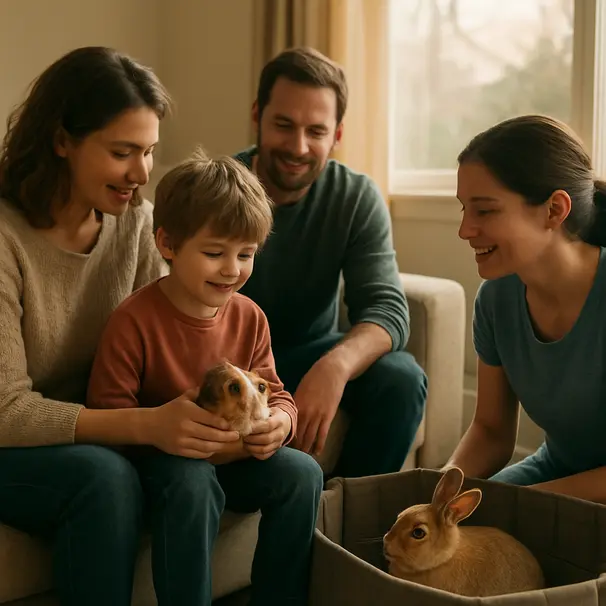
Best small pets for families and practical pet carer tips
Small pets can bring a huge amount of joy to a home. They fit well into apartments, teach responsibility to kids, and often have personalities that surprise you. This guide walks through family-friendly small animals, honest notes on their needs, and practical tips for pet carers who help families keep pets happy and healthy.
How to choose the right small pet for your family
Picking a small pet is more than choosing something cute. Think about time, space, noise tolerance, allergy concerns, and how much handling the pet will tolerate. Ask your kids what they expect. Talk as a family about who will feed, clean, and play. Consider a trial period of pet-sitting or fostering to test the fit.
Important questions to ask yourself:
- How many hours a day will someone be with the pet? Some small pets need daily attention.
- Is someone at home to check on them on weekends? Overnight care matters for social animals.
- Do you have a calm space where a pet can have privacy and quiet? Noise and sudden movement can be stressful for small animals.
- Are there allergies to consider? A quick trial visit with a friend’s pet can help.
Top small pets for families
Below are several small companions that often do well with children and families. Each section gives a general temperament, basic needs, and quick pros and cons.
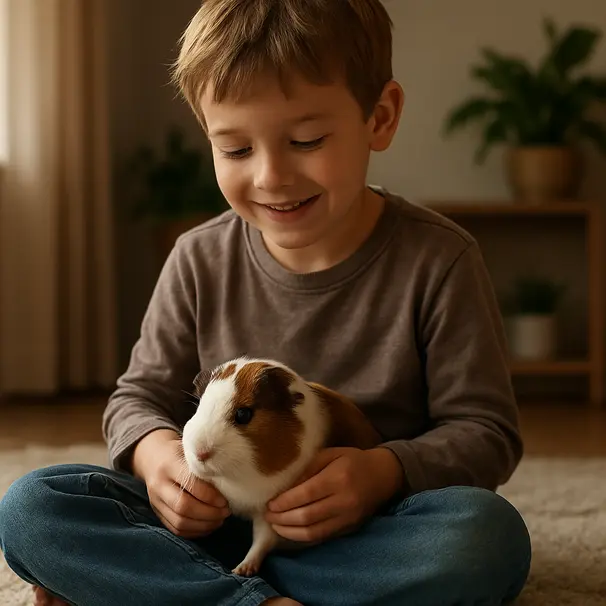
Guinea pigs
Guinea pigs are social, vocal, and affectionate in their own way. They usually enjoy gentle handling and often show pleasure with soft squeaks. They do best in pairs or small groups, so expect to care for more than one.
Basic needs:
- A roomy cage with solid flooring, hiding spots, and hay piles.
- Fresh hay available at all times, plus fresh veggies daily.
- Daily short sessions of supervised floor time outside the cage.
Why families like them:
- They handle well with calm children.
- They tend to be less nippy than some rodents.
A note for carers: provide a clear handling routine, and leave written notes about favorite treats and how Tilly or Mango signals hunger or fear.
Rabbits
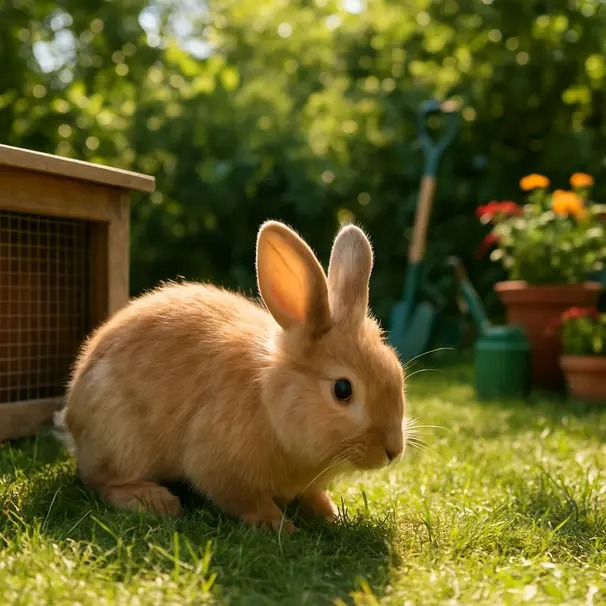
Rabbits can be extremely loving and clever. Many bond closely with family members. They benefit from being kept in a rabbit-proofed area where they can hop and explore safely.
Basic needs:
- Space to run, dig, and stand up on hind legs.
- A high-fiber diet with hay, leafy greens, and monitored pellets.
- Regular dental and nail checks, and gentle socialization.
Why families like them:
- They can be litter-trained.
- Some are outgoing and playful with kids.
A note for carers: rabbits can be startled easily, so slow, quiet approaches work best. Leave clear instructions about playtime rules and sun exposure.
Budgies and parakeets
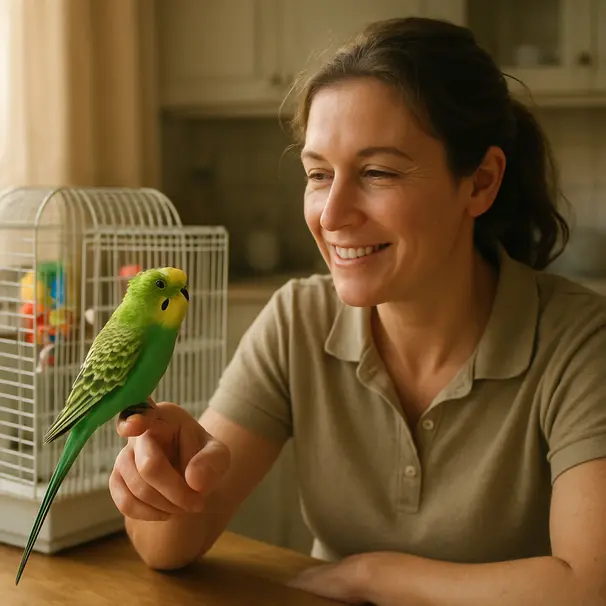
Small parrots are bright and social. Budgies are often chatty and can enjoy being near family life. They are less demanding in size but can be very social, often preferring company.
Basic needs:
- A cage with room to fly short distances, perches, and toys.
- Daily fresh foods including seeds, pellets, and greens.
- Time outside the cage for supervised interaction.
Why families like them:
- They bring color and cheerful sounds to a home.
- Good for families who want a bird without the size of a cockatoo.
A note for carers: birds can react strongly to environmental change. Share a simple routine and a note on favorite treats to help calm the bird.
Hamsters
Hamsters are small, mostly nocturnal, and can be excellent for kids who want an independent pet. They tend to be solitary, so usually only one hamster per cage is best.
Basic needs:
- A secure enclosure, plenty of bedding to burrow in, and enrichment like tunnels and wheels.
- A diet of pellets, occasional fresh foods, and constant access to water.
- Gentle handling when awake, and respect for their sleep times.
Why families like them:
- Their small size fits tiny bedrooms.
- Watching their nighttime antics can be entertaining.
A note for carers: explain the hamster’s active hours clearly and include notes on any particular handling quirks.
Rats
Rats are intelligent, curious, and very social. They enjoy handling and learning tricks, and often form strong bonds with people.
Basic needs:
- A multi-level cage with climbing opportunities, chew toys, and nesting materials.
- Fresh vegetables, pellets, and occasional protein treats.
- Daily interaction to keep them stimulated.
Why families like them:
- They are trainable and highly interactive.
- Often gentle and rarely bite if handled calmly.
A note for carers: rats do best in pairs, so expect to care for at least two. Leave enrichment ideas that have worked in the past.
Day-to-day care checklist for pet carers
When a family hires a pet carer, clarity helps everyone. Use this checklist as a template to tailor to each animal.
Daily routine:
- Morning: quick health check, fresh water, top up hay or pellets, a short play session.
- Midday: spot-clean enclosure, refresh bedding if necessary, supervised out-of-cage time for social species.
- Evening: full meal, another health and behaviour check, quiet time before bedtime.
Weekly tasks:
- Deep-clean cage or habitat.
- Rotate toys and enrichment items to prevent boredom.
- Check supplies and notify owner if food or meds are running low.
Health and safety tasks:
- Note any changes in eating, droppings, breathing, or behaviour.
- Keep emergency contact and vet details visible.
- Avoid giving human medications, and consult a vet if there is concern.
Practical handling and socialisation tips
Kids want to cuddle, and pets deserve to be comfortable. Teach these simple steps and practice them with carers present the first few times.
Handling tips:
- Sit down and bring the pet to the child’s level.
- Support the animal’s body and avoid squeezing.
- Keep sessions short and positive, and end on a calm note.
Socialisation ideas:
- Use food-based training to create positive associations.
- Rotate carers into the pet’s routine gradually so the animal learns multiple trusted humans.
- Offer hiding spots when the pet wants a break from attention.
Safety reminders:
- Supervise all interactions between young children and small pets.
- Teach kids that sudden movements and loud noises are stressful for small animals.
- Wash hands after handling.
Communication tips for pet owners and carers
Great care is a team effort. Clear, friendly communication prevents misunderstandings and keeps pets safe.
Before the first session:
- Share an overview of the pet’s routine and a short written profile with food, medication, and vet details.
- Note the pet’s favourite treats and comfort items.
- Describe any fears or triggers in plain language.
During care:
- Send a photo and short update after the first visit. A quick message builds trust.
- Use a checklist app or shared document for feeding and medication logs.
- Report anything unusual immediately, even if it seems small.
Sample messages carers can use:
- “Hi! We had a great session. Tilly ate her greens and explored for 20 minutes.”
- “Quick note: Mango skipped her afternoon snack. I’ll watch closely and text if anything changes.”
These messages are warm and factual. They help owners relax and keep everyone informed.
Enrichment ideas that are easy to do
Boredom is one of the biggest contributors to behaviour problems. Many enrichment ideas are low-cost and simple for carers to manage.
For nibblers like guinea pigs and rabbits:
- Foraging boxes with safe hay and hidden treats.
- Cardboard tunnels and chew-safe branches.
- Supervised floor time with toy-based obstacle courses.
For birds:
- Rotate chewable toys and safe branches.
- Offer a small foraging bowl of chopped veggies and seeds.
- Play soft music or sit nearby for social interaction.
For hamsters and rats:
- Puzzle feeders and treat-dispensing toys.
- New tunnel configurations and digging-friendly bedding.
- Training sessions with tiny rewards to build trust.
Enrichment should always be safe. Consider size, chew risk, and material toxicity. When unsure, ask a vet or experienced carer.
Handling meds, vet visits, and emergencies
Most small pets don’t need daily meds, but some do. Clear instructions and a calm approach make medication easier for carers and less stressful for the animal.
Medication tips:
- Leave written instructions: dosage, timing, and method.
- Demonstrate the first dose with the carer present if possible.
- Use reminders on phones or shared calendars.
Vet and emergency planning:
- List the nearest emergency vet that treats small animals.
- Provide transportation details if the carer may need to bring the pet in.
- Leave consent for vet care if you want the carer to act in an emergency.
If something seems wrong:
- Contact the owner immediately and describe symptoms clearly.
- If breathing difficulty, collapse, bleeding, or seizures occur, seek emergency veterinary care right away.
Overnight stays and travel care
Some families want carers to stay overnight, while others prefer drop-in visits. Both can work with clear planning.
Overnight stay tips:
- Create a quiet sleeping area for the pet away from heavy foot traffic.
- Keep feeding times consistent with home routine.
- Leave a lamp on for animals that feel safer with a low light at night.
Travel care tips:
- Transport small pets in secure carriers with bedding and a familiar toy.
- Keep the interior temperature steady and avoid direct sun.
- Have a backup plan for delays, like an emergency contact list.

Final checklist for confident pet care
- Share an easy-to-find pet profile with the carer, including vet contacts and medication notes.
- Label food containers and portion sizes clearly.
- Leave a small emergency cash or payment plan for vets if needed.
- Set up a simple feedback loop: a photo and two-line update after each visit.
- Rotate enrichment weekly and keep fresh bedding and supplies on hand.
Small pets create big smiles. With clear routines, gentle handling, and a trusted carer who knows the pet’s quirks, your animals can thrive. Take time to match the family with the right pet, communicate kindly with carers, and keep the focus on safe, consistent care. Enjoy the tiny moments. They often become the biggest memories.