

Best snacks for dogs at the pub
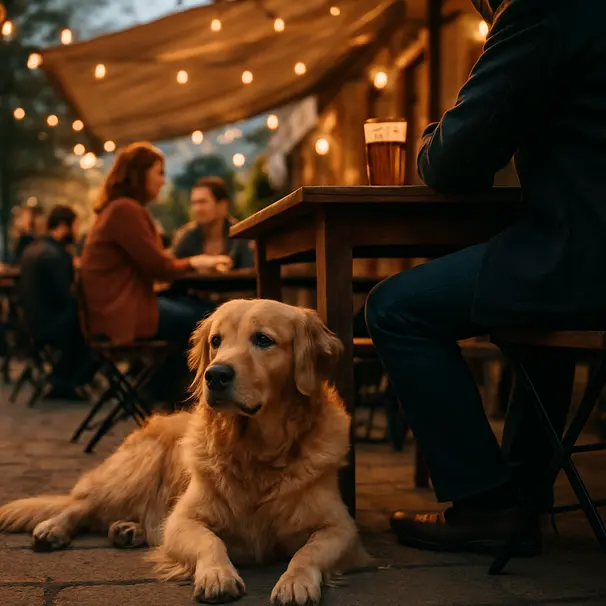
Bringing your dog to the pub can be one of life’s small pleasures: sunshine on the terrace, a pint for you, and a wagging friend at your feet. With a little planning, that trip can be calm, safe, and enjoyable for everyone. This guide walks through which snacks are suitable at a pub, how to serve them, and little etiquette and safety tips so both you and your pup leave happy.
Is it okay to bring dogs to the pub?
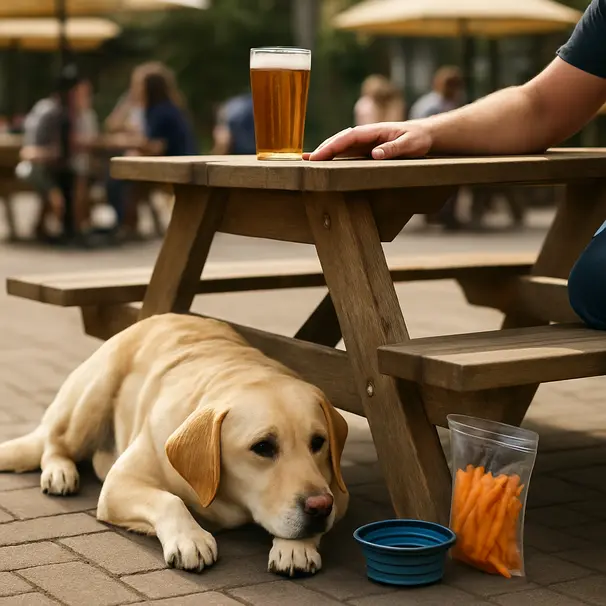
Many pubs welcome dogs, especially those with outdoor seating or a neighbourhood feel. It’s polite to check the pub’s dog policy before you go. Some places allow dogs only in outdoor areas or at certain times. Always ask staff on arrival and follow their guidance.
Even if dogs are permitted, think about the environment. Busy, loud bars and crowded evenings might stress a dog. If your dog is comfortable with strangers, noise, and other animals, a relaxed pub outing can be a lovely treat. If your dog is nervous or reactive, consider quieter times or a different spot.
Pub snack rules of thumb
- Ask permission before offering any human food to your dog. Staff may have rules or be serving other customers.
- Keep portions small. A few bite-sized pieces are better than one large serving.
- Avoid sharing from plates that have been seasoned or dipped. Sauces, salt, garlic, and onions can be harmful.
- Bring a water bowl and offer regular sips so your dog stays hydrated.
- Use treats to reinforce calm behaviour. Reward sitting or lying down rather than begging at the table.
Safe, pub-appropriate snacks
Here are snack ideas that are generally safe in small amounts, and fairly practical to bring or request at a pub. Always consider your dog’s size, age, and dietary needs. If your dog has allergies or a sensitive stomach, check with a vet first.
Plain cooked meats
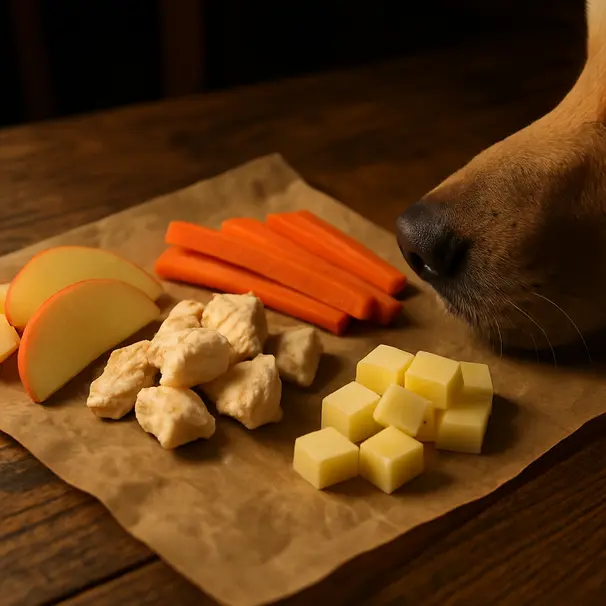
Plain, cooked chicken, turkey, or lean beef can be a satisfying snack. Take off any skin, seasoning, and bones. White meat, cut into tiny pieces, is easy to portion and most dogs love it.
How to serve: Ask for a plain piece from your order, or bring cooked meat from home in a small container. Offer one or two small chunks as a treat.
Veggies and fruit
Many dogs enjoy carrot sticks, cucumber slices, and apple slices with seeds and cores removed. These are low-calorie and easy to carry.
How to serve: Pack pre-cut sticks in a small resealable bag. A couple of slices are enough, depending on your dog’s size.
Plain cheese
A tiny bit of plain cheese can be an excellent high-value treat for training or calm behaviour. Not every dog tolerates dairy well, so offer only small amounts the first time.
How to serve: A pea-sized cube or two can be used as a reward for good manners.
Commercial dog treats
Bringing your dog’s favourite commercial treat from home is often the safest option. They’re designed for canine digestion, come in pre-portioned sizes, and won’t upset the pub menu.
How to serve: Use small training treats so you can give multiple rewards without overfeeding.
Rice or plain potato
A small spoonful of plain cooked rice or unsalted, unbuttered potato can calm an upset stomach and is gentle as a snack. It’s not a regular treat, but useful in a pinch.
How to serve: Ask the kitchen for a plain spoonful, or bring a small portion in a container.
Foods to avoid at the pub
Pubs have tempting human foods, but several are unsafe or poor choices for dogs.
- Chocolate and anything containing caffeine, cocoa, or xylitol.
- Grapes and raisins.
- Onions and garlic in any form, including powdered seasoning.
- Salty snacks like crisps or heavily salted chips.
- Spicy foods, fried batter, and foods with heavy oils or sauces.
- Alcohol and anything with alcohol in the recipe.
If you suspect your dog ate something toxic, contact a vet or emergency pet clinic promptly.
Portion size and frequency
A general guide: treats should make up no more than 10% of your dog’s daily calorie intake. For an outing, that usually means a few small bites spread over the visit. Smaller dogs need smaller pieces. When in doubt, break treats into halves or quarters so you can reward more often without overdoing it.
Watch your dog’s weight and energy levels. If they seem sluggish or have digestive upset after outings, reduce treats or change what you bring.
Handling allergies and special diets
If your dog has food allergies or a special diet, bring treats that match those needs. Many pubs are happy to let you use a tiny portion of your own food. Communicate with staff if you need to heat or store something briefly, but avoid expecting kitchens to prepare separate items.
Consider hypoallergenic treats or single-ingredient snacks like freeze-dried meat if your dog has a particularly sensitive system.
Pub etiquette for dog owners
Good manners make pub outings nicer for everyone. A few simple habits go a long way.
- Keep your dog on a short lead and close to your seat. This helps prevent tripping and keeps dogs from bothering other patrons.
- Train calm behaviour. Reward your dog for lying quietly or sitting near you rather than jumping or barking.
- Carry poo bags and clean up after your dog promptly.
- Don’t let your dog beg from other people’s plates. Teach a clear ‘no’ or ‘leave it’ cue for safety.
- Be mindful of children and people who may be nervous around dogs. If someone asks for space, respect that request.
Quick snacks and gear to bring
Packing a small pub kit can make the outing smoother:
- A few pre-cut, dog-safe treats in resealable bags.
- A collapsible water bowl and a small bottle of water.
- A couple of chew toys or a quiet enrichment toy to keep your dog occupied.
- Poo bags and a spare towel or wet wipes for muddy paws.
These items are lightweight and show you’re prepared and considerate.
Treating behaviour: training opportunities
Pubs are excellent places to practice manners. Use tiny, high-value treats to reinforce:
- Calm sitting or lying down near your chair.
- Waiting politely when people walk by.
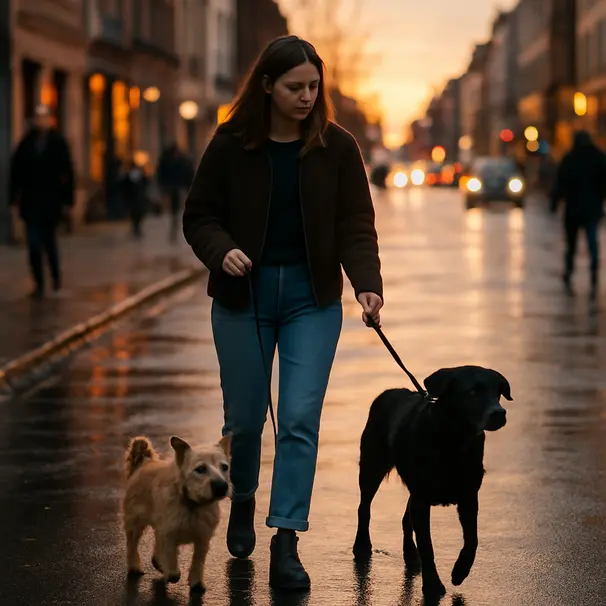
- Walking on a loose lead between your table and the exit.
Short, frequent rewards work better than one large treat. If your dog becomes overstimulated, move to a quieter area or finish the visit early.
Alternatives if the pub isn’t suitable
Sometimes the pub scene isn’t ideal. If your dog struggles with noise or crowds, consider:
- Heading to a quieter café with dog-friendly policies.
- Taking a short walk and rewarding the dog with a picnic in a nearby park.
- Meeting friends at home or in a private garden area where your dog feels safe.
There are always ways to include your dog without forcing a stressful situation.
Tips for pet carers and sitters
If you’re a pet carer taking a client’s dog to the pub, extra caution is important. Confirm the owner’s permission for human food, follow the dog’s dietary restrictions, and keep the owner informed about what and how much the dog had. Bring the owner’s preferred treats, and note any signs of stress or overexcitement during the visit.
A short message describing the outing and what was fed helps owners feel confident and keeps everyone on the same page.
Quick checklist before you leave
- Confirm the pub allows dogs and find out any rules.
- Pack water, a bowl, and a few safe treats.
- Keep treats small and low-fat for a shorter outing.
- Avoid risky foods like chocolate, grapes, onions, and alcohol.
- Reward calm behaviour and clean up after your dog.
Final thoughts
A pub visit can be a lovely social treat for you and your dog when done mindfully. Prioritise safety, small portions, and calm behaviour. Bring familiar, dog-safe snacks or ask for plain plain food items without seasoning, and be ready to leave early if your pup looks stressed. With the right snacks and a little planning, you’ll both enjoy relaxed, friendly outings that become part of your routine.
If you’re unsure about a specific food or your dog has health concerns, consider checking with your vet. A quick check can give you peace of mind and keep pub trips carefree for years to come.