

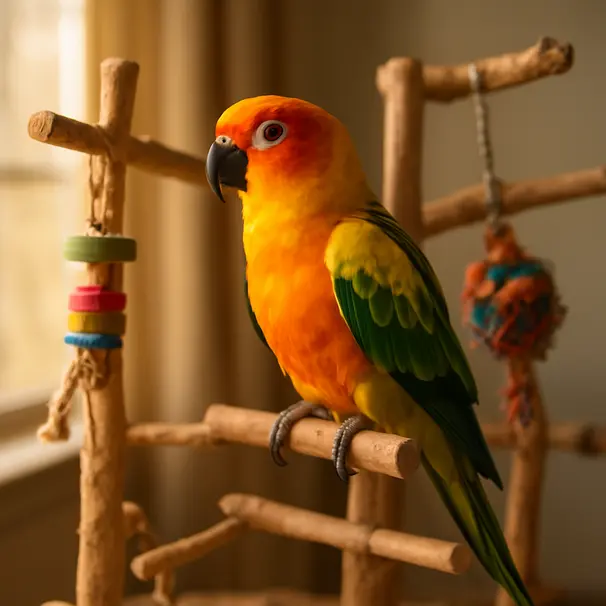
Why enrichment matters for parrots and finches
Birds are smart, social, and naturally curious. Without mental and physical stimulation they can become bored, stressed, or develop unwanted behaviors. Enrichment gives birds options to explore, problem-solve, and move their bodies. It can help them stay healthy, confident, and more connected with you or a carer.
Whether you share your life with a chatty parrot or a cheerful flock of finches, enrichment is about creating opportunities. You want experiences that encourage natural behaviors like foraging, chewing, flying, and social interaction. The ideas below are practical, safe, and flexible. Try a few, watch how your birds respond, and adapt to individual personalities.
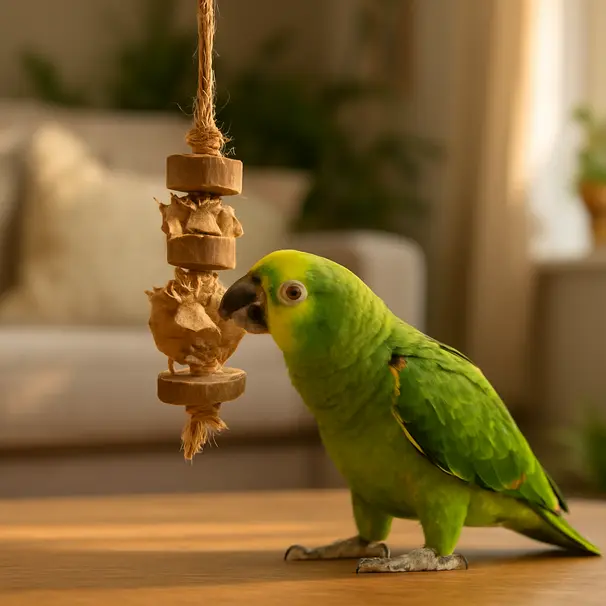
Basic principles of good bird play
- Keep things fresh. Rotate toys and activities every few days to prevent boredom.
- Safety first. Use bird-safe materials like untreated wood, stainless steel, and natural fibres. Avoid Teflon, lead, zinc, and toxic paints.
- Watch body language. Eyes, feathers, posture, and calls tell you if a bird is enjoying an activity or stressed.
- Small changes can matter. A new perch, a different treat, or a short training session can brighten a day.
Foraging games: let birds work for their food
Birds in the wild spend hours searching for food. Foraging games recreate that challenge and reward. Start simple and increase complexity as your bird learns.
- Treat puzzles: Use commercially available foraging toys or make your own by hiding small treats inside a paper roll, under crumpled paper, or in a shallow box filled with shredded paper. Finches particularly enjoy tiny seeds hidden in small crevices.
- Cup and ball swap: Place a treat under one of three lightweight cups, shuffle them slowly, and let your parrot pick the right cup. This builds focus and problem-solving.
- Foraging branches: Hang foraging branches with bits of dried fruit, millet, or small wooden chewables attached. Parrots and larger finches enjoy picking at items while balancing.
- Puzzle feeders: For highly intelligent parrots, use spinner toys where the bird must turn a wheel or pull a latch to release food.
Tips: Start with easy wins so your bird gets the idea. Supervise new toys until you’re confident they’re safe, and remove anything damaged quickly.
DIY toys and low-cost ideas
You don’t need to spend a lot to make engaging toys. Many household items can become enrichment with a little creativity.
- Paper chains and shredding toys: Fold and layer paper, then staple or clip it into a hanging toy. Parrots love tearing paper apart. Finches may ignore large pieces, so tailor size to species.
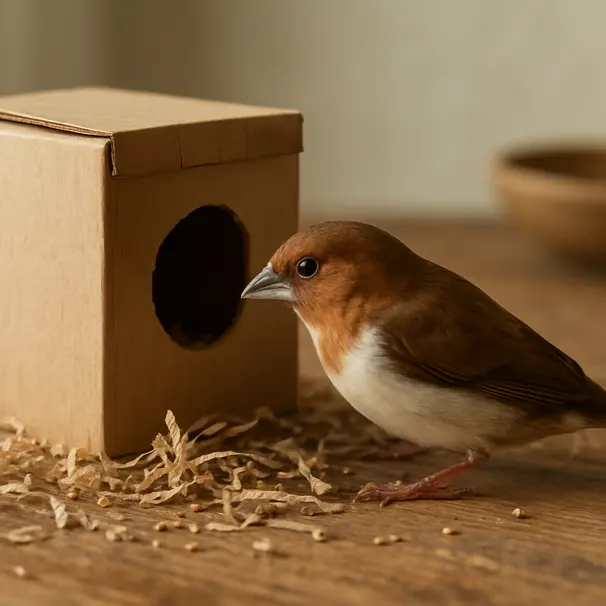
- Cardboard foraging boxes: Cut holes in a small box, hide treats inside, and let your bird explore openings. Use sturdy cardboard and monitor moisture.
- Wooden bead swings: String untreated wooden beads onto cotton rope, knot at intervals, and hang as a perch or swing. Make sure knots are secure and fibres are bird-safe.
- Leather and sisal strips: Braid strips into chewable toys. Avoid dyed or treated leather. Natural sisal is great for shredding and climbing.
- Muffin tin feeder: Place different treats in a muffin tin and cover some wells with bird-safe cups or leaves for a mix of easy and hard choices.
Always check for loose threads, tiny staples, or bits that could cause choking. If you can pull strands from a toy with little force, replace or repair it.
Training and games that build trust
Training is enrichment and a wonderful way to bond. Use short sessions, positive reinforcement, and small treats.
- Target training: Teach your bird to touch a small stick or your finger. This can help with vet visits, moving between perches, and mental stimulation.
- Step-up and step-down: A basic life skill for parrots, step-up teaches confidence. Reward often and keep sessions short.
- Clicker training: For birds that respond well to signals, a clicker can mark precise behaviors. Use tiny treats and end sessions on a success.
- Hide-and-seek: For tame birds, hide behind a curtain or a low box and call them. They often enjoy seeking you out and being praised.
- Simple tricks: Spin, wave, or retrieve a small item. Tricks challenge the mind and keep sessions playful.
Training should always be gentle, consistent, and fun for the bird. If a bird seems overwhelmed, take a break and try again later.
Social enrichment and group play
Most parrots are highly social and benefit from companionship. Finches are flock animals and thrive with same-species company.
- Supervised pairing: If introducing new birds, quarantine and slowly introduce visual contact first. Observe behavior and seek advice from an avian specialist if unsure.
- Group flights: For flighted birds in a large room or aviary, allow short supervised flight sessions to stretch wings and explore.
- Shared toys: Place multiple foraging stations in an aviary so birds don’t compete over a single resource.
- Care routines: Regular, calm handling and talking to birds builds trust. A soft voice and gentle movements go a long way.
If aggression appears, separate the birds and reassess introductions slowly. Professional help may be necessary for persistent aggression.
Sensory enrichment: sights, sounds, and textures
Changing the sensory environment can be very rewarding. Birds notice light, shadow, new textures, and sounds.
- Mirrors and safe reflections: Some parrots enjoy mirrors, but watch for obsessive behavior. Use mirrors sparingly.
- Natural sounds: Play soft forest or rainforest sounds for a short time. Avoid loud or startling noises.
- Different perches: Vary perch diameter and texture using natural branches, rope, and manzanita perches. This supports foot health and interest.
- Fresh greens: Offer safe leaves and sprigs like basil or mint for nibbling and scent exploration. Always confirm plant safety first.
Rotate sensory elements and note preferences. Some birds love new textures, others prefer consistency.
Outdoor enrichment and supervised adventures
When conditions and temperament allow, outdoor time can be a delightful change of scene.
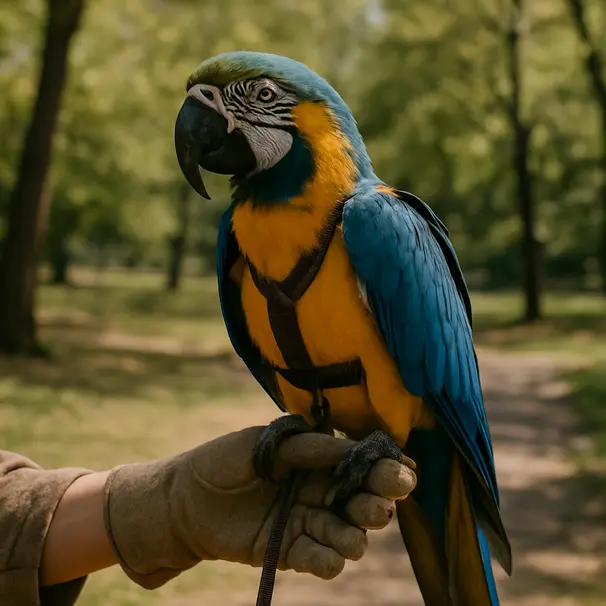
- Harness and flight training: For birds comfortable with a harness, short walks in a quiet area offer fresh air and new smells. Train gradually and use a proper bird harness.
- Aviary or large flight cage: Provide a secure outdoor aviary for longer fresh-air sessions. Ensure it’s predator-proof and shaded.
- Outdoor play gyms: Set up a shaded play area with swings and perches. Supervise closely, especially with curious parrots.
Always check for pesticides, fumes, and cold or wet weather. If your bird is new to outdoors, introduce them slowly and keep sessions short.
Seasonal and holiday enrichment ideas
Seasons bring new safe opportunities. Use them thoughtfully and avoid unsafe decorations.
- Spring: Fresh greens, safe blossoms, and new branches for chewing. Watch for toxic plants in gardens.
- Summer: Offer shallow dish baths or gentle misting. Many birds love bathing, and it helps with feather health. Keep water clean.
- Autumn: Collect untreated dried seed heads and grasses for foraging. Offer a variety of textures to explore.
- Winter: Increase indoor rotations and cozy foraging toys to keep energy up when outdoor time drops.
Avoid holiday tinsel, scented candles, and small decorations that can be ingested. Keep live candles and open flame well away from birds.
Materials to avoid and safety checklist
Some common household items are dangerous. Keep this quick checklist nearby.
- Avoid: Teflon-coated cookware fumes, lead, zinc, copper, cadmium, certain paints, scented candles, and non-stick aerosol sprays.
- Check labels: Ensure wooden toys are untreated, and ropes are natural fibres like cotton or sisal.
- Inspect toys: Look for fraying, loose parts, or chewing that exposes metal or sharp edges.
- Supervise new items: Watch how each bird interacts with a new toy during the first few sessions.
If you suspect your bird swallowed something harmful or shows sudden behavior changes, consider contacting an avian vet.
Keeping enrichment sustainable: rotation and observation
An enrichment plan that’s varied and manageable keeps you consistent.
- Rotate toys weekly, keeping a small stash in storage to swap in fresh items.
- Keep a short log of favorites, what works best for each bird, and what causes stress.
- Schedule short daily sessions: a five-minute training moment, a ten-minute foraging play, and a supervised flight if possible.
Small, regular efforts add up to big improvements in mood and wellbeing.
Final thoughts: make it personal and fun
Every bird is an individual. What delights one parrot may leave another indifferent. Watch, learn, and celebrate small wins. Enrichment should feel playful and warm, a chance to connect and let your bird show its personality.
If you have any concerns about behavior or health, consider chatting with an avian vet or an experienced carer. They can help tailor activities for your bird’s needs.
Try one new idea this week, observe the reaction, and enjoy the discovery. Your birds will thank you with curious chirps, playful antics, and often a little extra wiggle of happiness.