

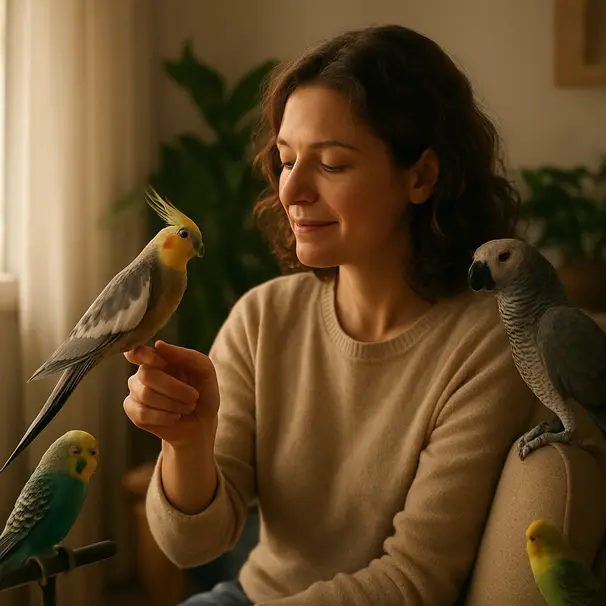
A warm hello from one bird lover to another
Birds are lively, clever and full of personality. Their tiny gestures and sudden bursts of song can make a house feel like home. As a pet owner or pet carer, you play a huge role in keeping those feathers glossy and spirits high. This guide shares practical, friendly advice on preventing common health problems, spotting early signs of trouble, and building good routines that help birds thrive.
Basics of bird health: the pillars to focus on
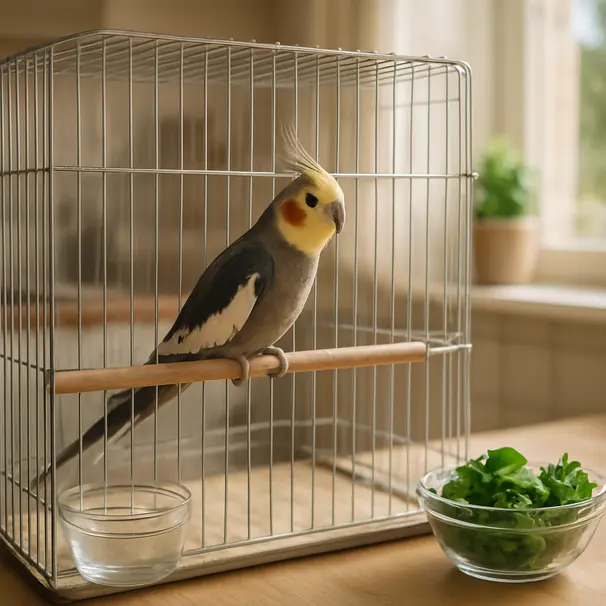
A few things repeatedly make the biggest difference: clean housing, a balanced diet, regular social interaction, and a calm environment. Keep these consistent and many common issues can be avoided.
- Clean environment: regular cage cleaning and fresh water.
- Balanced diet: species-appropriate pellets, safe fresh foods and measured treats.
- Mental stimulation: toys, foraging and gentle handling.
- Veterinary checks: annual or as-advised wellness visits.
Good care is simple, but it takes attention. Small habits add up to big gains in well-being.
Housing and environment: safe, comfy and bird-friendly
A bird’s cage is its kingdom. Make it roomy enough for full wing extension and a little flight, and pick perches of varying thickness to exercise feet. Place the cage where the bird feels part of the family, but avoid drafts and direct sun in the middle of hot days.
Tips for a healthier habitat:
- Use washable liners or plain paper for the tray and change them regularly.
- Clean food and water dishes daily. Deep-clean the cage weekly.
- Rotate toys to prevent boredom, and inspect toys for loose parts.
- Provide natural light or full-spectrum lighting for vitamin D balance, but limit direct midday sun.
- Keep the room smoke-free, and avoid aerosol sprays near birds. Strong smells can irritate sensitive respiratory systems.
Simple changes like a second perch or a new foraging toy can improve mental and physical health dramatically.
Diet and nutrition: food that fuels feather and mind
Diet shapes everything, from feather quality to energy levels. For many companion birds, a good-quality pellet forms the base of a healthy diet. Fresh vegetables, a little fruit, and species-specific seeds or grain mixes can be offered as complements.
Practical feeding notes:
- Offer a pellet-based diet for most parrots and many larger species. Pellets help provide balanced nutrition.
- Introduce fresh leafy greens daily. Kale, spinach and dandelion greens can be healthy choices in moderation.
- Offer fruits as treats, not staples. Too much fruit can add excess sugar.
- Avoid avocado, chocolate, caffeine, alcohol and salty or sugary human snacks. These can be harmful or toxic.
- Monitor weight weekly when possible. Sudden weight loss or gain can be an early sign of trouble.
If you’re unsure about the right diet, consider a nutrition plan with your avian vet. They may suggest supplements for growing, breeding or recovering birds.
Grooming, exercise and enrichment: more than just pretty feathers
Feather care, exercise and mental activity keep birds engaged and lower stress-related behaviors like feather plucking.
Grooming and activity tips:
- Nail trims and wing trims should be done by a trained person or under vet guidance.
- Provide safe bathing options: a shallow dish, gentle misting, or supervised shower time.
- Offer varied perches: natural wood, rope and different diameters help foot health.
- Create foraging opportunities with paper-wrapped treats or small puzzles.
- Schedule supervised out-of-cage time for exercise and social interaction.
Regular activity reduces boredom and supports digestion, circulation and feather health.
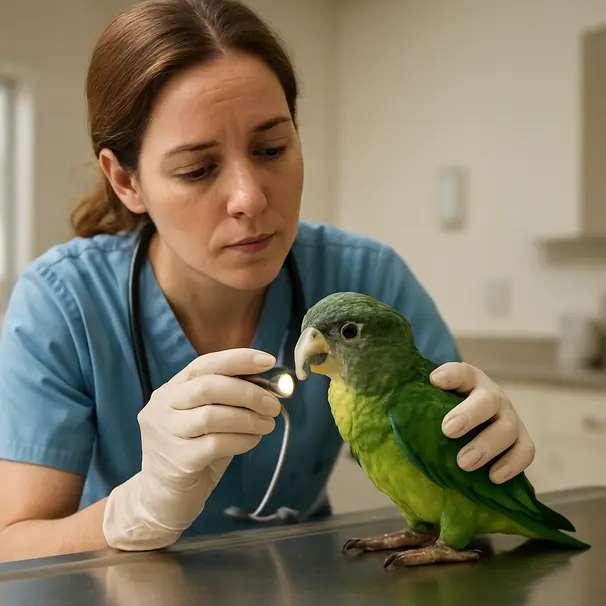
Recognizing illness: subtle signs to watch for
Birds often hide discomfort. Small changes can be the first clue to a growing problem. Watch for these signs, and consider contacting a vet if they appear or persist.
Common warning signs:
- Fluffed feathers and lethargy, especially during the day.
- Changes in droppings: watery stools, dark or bloody streaks, or decreased volume.
- Loss of appetite or difficulty eating.
- Labored breathing, tail bobbing with each breath, or wheezing sounds.
- Discharge from eyes or nostrils, or frequent sneezing.
- Changes in posture, favoring a foot, or reluctance to perch.
- Behavioral shifts: reduced vocalization, increased sleepiness, or sudden aggression.
If you notice anything unusual, consider taking photos or short video clips to show a vet. Visual records help with remote advice and with documenting gradual changes.
Common health issues and prevention strategies
Some issues pop up more often than others. Prevention and early detection usually mean easier recovery.
Respiratory problems:
- Prevention: keep air clean, avoid smoke and aerosols, and provide humidity when appropriate.
- Tip: Use HEPA filtration in rooms with several birds or if someone in the home smokes elsewhere.
Feather plucking and skin problems:
- Prevention: enrich the environment, ensure proper diet, and check for household stressors.
- Tip: Rule out medical causes first, like parasites or skin infections.
Obesity and fatty liver disease:
- Prevention: control high-fat treats, encourage activity, and provide a balanced diet.
- Tip: Replace heavy seed mixes with pellet-based diets and more veggies.
Parasitic infestations:
- Prevention: quarantine new birds, clean cages frequently and check feathers for mites.
- Tip: If you suspect mites, consult a vet before using any insecticidal products.
Broken bones and injuries:
- Prevention: supervise out-of-cage time and remove hazards like open windows, ceiling fans and toxic plants.
- Tip: Keep windows covered during free-flight sessions and check ceilings and fans before letting birds out.
Handling, transport and emergency basics
Handling can be stressful for some birds. Gentle, patient handling helps build trust and makes vet trips less traumatic.
Handling and travel tips:
- Train birds to step up onto a finger or perch calmly using positive reinforcement.
- Use covered carriers for transport to reduce stress. Line the carrier with soft, non-slip material.
- Avoid jostling. Secure the carrier during car travel and avoid loud music or sudden temperature changes.
Emergency basics:
- If a bird is bleeding, apply gentle pressure with clean gauze. If bleeding is severe, seek immediate veterinary care.
- For a stunned bird or heatstroke, move it to a quiet, shaded area with fresh air and contact a vet.
- Never try to give medication or human drugs without veterinary advice.
Keeping a small first aid kit and a recent photograph of the bird can speed up care in an emergency.
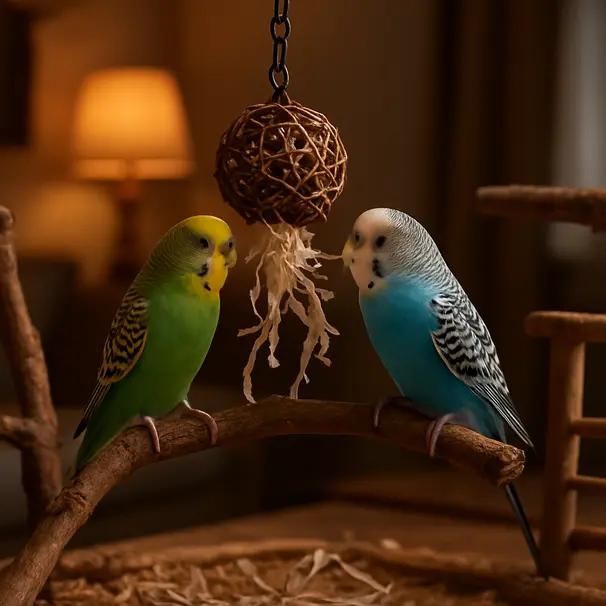
Parasites, pests and household hazards
Tiny pests and common household items can be dangerous. Regular checks and a mindful home layout help keep risks low.
Pest prevention and hazard checks:
- Quarantine new birds for a few weeks before introducing them to other birds.
- Inspect feathers and skin periodically for mites, lice or unusual debris.
- Keep kitchens off-limits during cooking, especially when frying or using non-stick pans. Fumes can be deadly to birds.
- Secure household poisons, heavy metals and toxic plants out of reach.
Regular cleaning routines and a pest-aware mindset go a long way toward prevention.
Tips for pet carers and sitters: earning trust and keeping routines
When you’re caring for someone else’s bird, consistency is reassuring. Follow the owner’s routine closely and communicate clearly about any changes you see.
Practical sitter checklist:
- Ask for a written daily routine: feeding schedule, favorite toys, and any health notes.
- Confirm vet contact details and an emergency plan.
- Stick to the bird’s usual diet and treat rules unless the owner asks otherwise.
- Spend quiet time near the cage before handling, allow the bird to warm up to you.
- Report any food refusal, changes in droppings or unusual behavior promptly.
Little things matter to birds, like the timing of meals and the presence of familiar voices. Keep notes and photos for the owner if they’d like updates.
Record keeping and working with a vet
Good records make veterinary care easier and faster. Keep a simple journal with weights, appetite notes and any behavioral changes.
What to record:
- Daily food and water intake if it’s changed.
- Weekly weight logs, if the bird tolerates weighing.
- Photos of droppings or wounds when they appear.
- Dates of parasite checks, nail trims and wing trims.
When to contact a vet:
- Any breathing difficulty or blood in droppings.
- Sudden changes in appetite or activity lasting more than 24 hours.
- Unexplained wounds, swelling or severe behavioral changes.
If you cannot reach an avian vet, contact a general vet and describe symptoms, but aim to see an avian specialist when possible.
Small routines that pay off
Healthy birds reward small, daily routines. Try these consistent habits to support long-term wellbeing:
- Fresh water and clean dishes every morning.
- Offer a variety of safe fresh foods three to five times per week.
- Rotate toys weekly and introduce one new enrichment item each month.
- Spend quiet bonding time each day, even if it is just 10 to 15 minutes.
Consistency helps birds feel secure, and security reduces stress-related illnesses.
Parting thoughts: caring with curiosity and compassion
Bird care blends routine with observation. The more you watch and listen, the quicker you’ll notice changes that matter. Keep learning about your bird’s species-specific needs, talk openly with your vet, and enjoy the small moments. A happy bird is often a curious one, so keep offering safe opportunities to explore.
If something worries you, reach out to a professional. A quick vet consult can bring peace of mind and help your bird get the care it needs. And remember, being a thoughtful pet owner or carer is already a huge step toward a longer, healthier life for your feathered friend.