

Introduction
Parrots are charismatic, clever, and endlessly entertaining. They can become deeply bonded members of a household, but they also have specific needs that make their care different from cats or dogs. This guide is written for both pet owners and carers who look after parrots for a few hours, overnight, or during longer stays. You’ll find practical tips on housing, nutrition, health signals, enrichment, handling, and safety. Keep it handy for handovers and quick refreshers.
Understanding your parrot’s needs
Parrots vary wildly in size, personality, and lifespan. A budgie may be a small, chatty companion, while a macaw demands the space and enrichment of a small apartment. A few important principles apply across species:
- Social connection matters. Parrots are social animals and often thrive on interaction and routine.
- Mental stimulation is essential. Without it, many parrots develop boredom-related behaviors such as feather picking or screaming.
- Longevity and commitment. Some parrots can live for decades, so long-term planning is part of responsible ownership.
Species basics
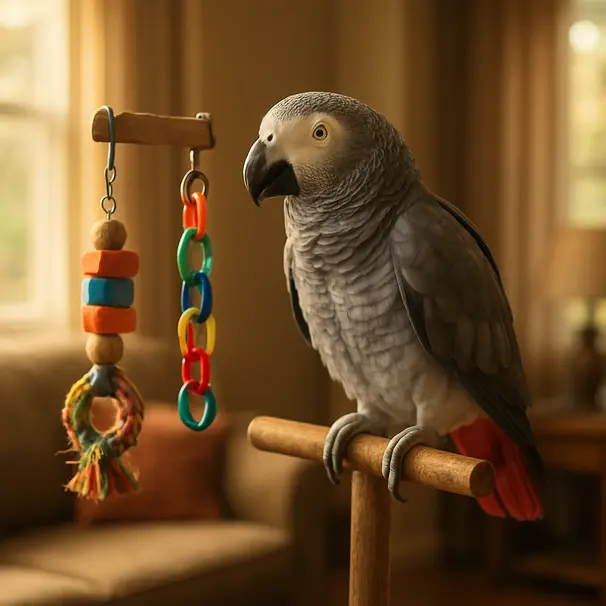
Learn the basics of the specific species you’re caring for. African Greys are renowned for problem-solving and speech, cockatiels are affectionate and musical, and amazons can be lively and cheeky. Knowing typical behaviors helps you anticipate needs and spot anything out of the ordinary.
Housing and cage setup
A good cage is more than a box. Size, layout, and placement all affect a bird’s mood and health.
- Cage size: Bigger is better. The parrot should be able to fully extend wings, climb, and play without constant bumping into bars. For larger parrots, consider flight space outside the cage daily.
- Bar spacing and strength: Match bar spacing to species size to avoid escapes or accidents. Stronger beaks need sturdier materials.
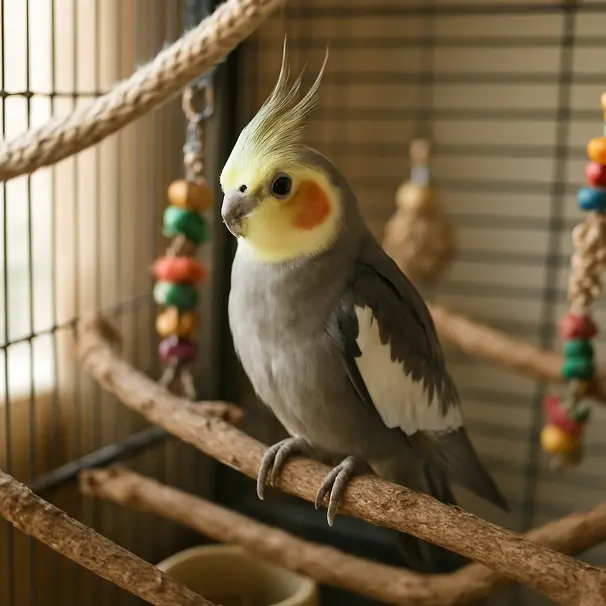
- Perches: Offer variety in diameter, texture, and placement. Natural wood perches, smooth dowels, and rope perches each provide different benefits to feet and beak activity. Rotate them occasionally.
- Feeding stations: Place food and water bowls where droppings won’t contaminate them. Consider separate bowls for seeds, pellets, and fresh food.
- Toys and enrichment: Provide cheerfully varied toys—chewables, foragers, bells, and puzzle toys. Rotate toys every few days to keep novelty high.
- Location in the home: Place the cage where the parrot can see family activity but avoid direct drafts, kitchen fumes, and windows that get intense midday sun. Many parrots feel calmer in a spot where they can observe without being overwhelmed.
Safety points for the cage environment:
- Avoid loose strings and tiny parts that could be swallowed.
- Use bird-safe finishes and avoid treated woods that may be toxic.
- Clean the cage regularly; spot-clean daily and do a deeper clean weekly.
Nutrition basics
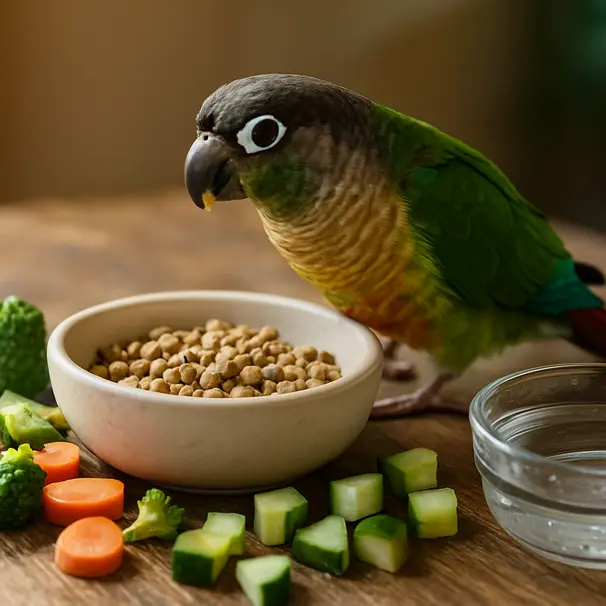
A balanced diet keeps a parrot bright and active. Consider a mix of high-quality pellet food, fresh produce, and occasional healthy treats.
- Pellets: A formulated pellet usually provides consistent nutrition. Consider making pellets a core part of daily feeding.
- Fresh fruits and vegetables: Leafy greens, carrots, bell peppers, and apples (without seeds) can add vitamins and variety. Offer a range of textures and colors.
- Seeds and nuts: These are often loved and can be used as treats or training rewards. Keep portions moderate, especially for species prone to weight gain.
- Water: Fresh water should be available at all times. Change it daily and rinse bowls to avoid bacterial growth.
Feeding tips for carers:
- Ask the owner for the bird’s daily feeding plan and any food preferences or allergies.
- Keep treats consistent with what the parrot normally eats to avoid digestive upsets.
- Use mealtimes as enrichment: hide bits of food in a foraging toy to encourage natural searching behaviors.
Spotting health signals and when to call a vet
Parrots are adept at hiding illness. Look for subtle changes rather than dramatic signs.
Watch for:
- Changes in droppings: consistency, color, or frequency shifts can indicate digestion or systemic issues.
- Fluffed feathers for prolonged periods, lethargy, loss of appetite, or changes in vocalization.
- Breathing changes, sneezing, or discharge from the eyes or beak.
- Unusual behaviors like increased aggression, self-plucking, or sudden quietness.
If you notice anything concerning, consider contacting a veterinarian who specializes in avian care. Routine annual check-ups are a good idea and can help catch issues early.
Grooming and routine care:
- Nail and beak maintenance: Nails may need trimming occasionally, and beaks usually wear naturally. Seek professional help for trims.
- Bathing: Many parrots enjoy misting or shallow baths. Bathing can help feather condition and reduce dust.
- Wing care: Some owners choose wing trims for safety, while others prefer full flight. Respect the owner’s choice and do not trim wings yourself unless trained and asked.
Behaviour, training, and building trust
Parrots are intelligent learners. Training can strengthen bonds and keep behaviors in check.
- Start slow: Let the bird observe you. Offer a finger or perch only when the bird looks relaxed.
- Positive reinforcement: Use small treats and praise to reward calm behavior and steps toward a new trick.
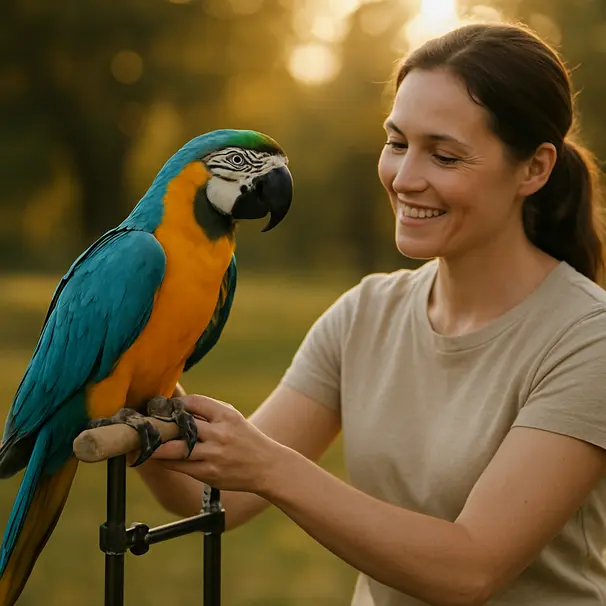
- Step-up basics: Teach the bird to step onto a hand or perch gently. This is useful for transfers between cage and play areas.
- Respect boundaries: Avoid forcing interaction. A scared parrot can bite, and bites can be painful.
Handling tips for carers:
- Learn the bird’s body language. Relaxed posture, light preening, and soft calls are good signs. Fluffed feathers, pinned eyes, or rapid shifts in stance can mean stress.
- Keep training sessions short. Five to ten minutes of focused training per session works well.
- Maintain routines. Parrots thrive on predictability, so try to match the owner’s schedule for meals and interactions.
Enrichment and play ideas
Boredom is a common root of problem behaviors. Variety and challenge will keep a parrot content.
- Foraging toys: Hide pellets or chopped veggies inside toys to encourage natural searching.
- Chewing materials: Untreated wood, cardboard, and coconut shells are great chewing outlets.
- Puzzle toys: Introduce toys that require manipulation to get a reward.
- Social time: Many parrots enjoy singing, mimicry, and conversational back-and-forths. Talk to them, play gentle music, or let them mimic harmless household sounds.
Rotate toys and change textures regularly to keep novelty. Supervised out-of-cage time can be a highlight of the day for a parrot, but always watch for hazards.
Traveling, pet carers, and handover checklist
If you’re a carer taking responsibility for a parrot, clear handovers make life easier for everyone.
Essential handover items:
- Daily feeding plan and portion sizes.
- Favorite treats and foods to avoid.
- Flight rules: Is the bird allowed out of the cage? Are wings clipped?
- Comfort items: Favorite toys, perches, or a blanket that helps the bird relax.
- Emergency contacts: Owner’s phone, regular avian veterinarian, and a nearby emergency clinic.
- Behavioral notes: Fears, triggers, or calming strategies that work well.
During visits:
- Keep noise and sudden movements low while you settle in.
- Stick to the owner’s schedule for sleep, meals, and play as closely as possible.
- Log any notable changes in behavior, appetite, or droppings and report them promptly.
Household hazards and safety
A few common household items can be dangerous for parrots. Keep an eye out and parrot-proof rooms where they spend time.
Dangerous items and situations:
- Toxic foods: Avocado, chocolate, caffeine, and alcoholic beverages can be harmful. Garlic and onion are often listed as risks too.
- Teflon and non-stick cookware fumes: Overheated non-stick pans can release fumes that are fatal to birds. Keep parrots away from kitchens when cooking with these pans.
- Open windows and ceiling fans: Ensure windows have secure screens and fans are off when birds are flying or perched nearby.
- Household cleaners and air fresheners: Many cleaning agents are toxic. Use bird-safe products or clean before the bird returns to a room.
Simple safety habits:
- Supervise out-of-cage time and close doors to rooms you’re not watching.
- Keep hot liquids and open flames well away from parrots.
- Teach family and visitors gentle handling rules before they interact with the bird.
When things go wrong: basic emergency steps
If a parrot is injured or becomes suddenly ill, act calmly.
- Isolate the bird in a quiet, warm place to reduce stress.
- Keep the bird upright and avoid handling unless necessary.
- Contact the owner and an avian vet immediately for instructions.
Avoid giving human medications unless directed by a veterinarian. Quick, calm communication between carer and owner is the best route to good outcomes.
Building a lasting relationship
Parrots form deep attachments. Trust grows slowly through consistent, gentle care. Small rituals, like a morning chat or a predictable play session, can mean a lot to a bird. If you’re a carer, leave a note for the owner about small wins, like a new toy the parrot loved or a positive behavior you observed. Those details matter.
Final thoughts
Caring for parrots is a joyful challenge. With thoughtful housing, balanced nutrition, mental stimulation, and clear communication between owners and carers, these bright personalities can thrive. Keep learning, observe with curiosity, and don’t hesitate to reach out to an avian professional if questions or worries arise. A well-cared-for parrot is lively, engaged, and a real joy to be around.
Additional resources: consider joining local avian groups, connecting with an avian vet, or using trusted care checklists to streamline handovers. Small steps and gentle routines go a long way in keeping parrots happy and healthy.