


Blue Heeler puppies: the ultimate guide
Blue Heeler puppies are bundles of energy with sharp minds and even sharper ears. If you’ve fallen for those peppered coats and intelligent eyes, you’re in for a joyful, sometimes challenging, and deeply rewarding journey. This guide walks you through everything from what to expect in puppyhood to practical tips for training, exercise, and finding a trusted carer to help when life gets busy.

Meet the Blue Heeler
The Blue Heeler, also called the Australian Cattle Dog, was bred to move livestock across rough country. That heritage shows up in their stamina, focus, and a tendency to try and herd anything that moves. Puppies may nip at heels or circle around people and other animals - it’s instinctual. With the right guidance, that drive can become a brilliant working ability or a fun sport like agility.
Key traits to expect:
- High energy and endurance
- Strong problem-solving instincts
- Loyal and protective of family
- Independent streaks mixed with affection
Size and coat
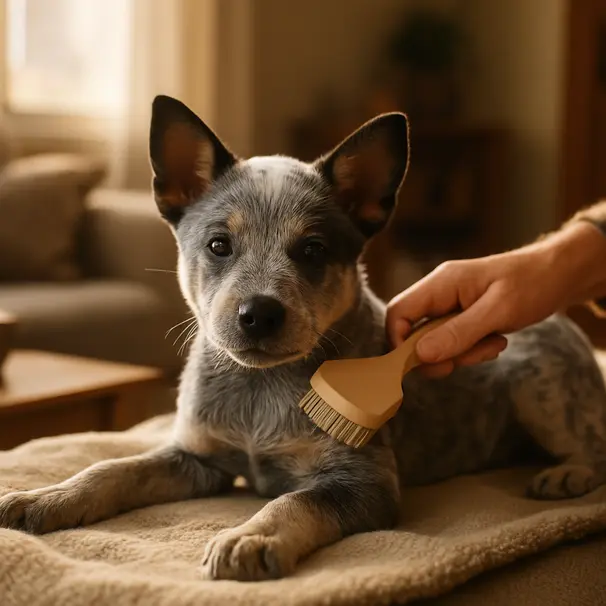
Puppies are compact but sturdy. Their coat is short and weather-resistant, usually blue-speckled, sometimes with red speckling. That double coat sheds seasonally and can handle a variety of climates.
Is a Blue Heeler puppy right for your home?
Ask yourself a few honest questions:
- Do you have several hours a day for exercise and training?
- Can you offer consistent boundaries and patient repetition?
- Is your household active and engaged, not sedentary?
These pups thrive with active families, farmers, runners, or people who enjoy structured play. If your life is very quiet or you work long unpredictable hours, consider arranging help from trusted carers to keep your puppy mentally and physically stimulated.
Bringing a Blue Heeler puppy home
Preparation can make those first weeks calmer for everyone. Here’s a practical checklist:
- Puppy-proof the house: secure trash, hide cords, and fence gardens.
- Set up an encouragement-based crate: a safe den for naps and a base for training.
- Have basic supplies ready: food, bowl, collar, leash, chew toys, grooming brush, and a comfy bed.
- Schedule a vet visit within the first week to review vaccinations and general health.
Puppy-proofing tips
These pups like to chew, dig, and explore hidden spaces. Anchor furniture that could tip, use taste-safe deterrents on forbidden items, and make sure outdoor fencing is secure and high enough. Blue Heelers can be excellent escape artists if boredom sets in.
First-night nerves
Your puppy may whine the first few nights. A crate near your bed helps with bonding and reduces anxiety. Offer a warm blanket and an item with your scent. Avoid taking nighttime whining as immediate attention-seeking; calm reassurance, gradual desensitization, and routine usually help.
Crate training and house manners
Crate training gives puppies structure and a safe place to retreat. Start with short, happy sessions and use treats and toys. Never use the crate for punishment. For house training, consistent schedules and positive reinforcement are your best allies. Take puppies out first thing in the morning, after meals, and after play sessions.
Potty training practicalities:
- Stick to a feeding schedule to predict bathroom breaks.
- Reward outside elimination immediately.
- If accidents happen, clean with enzymatic cleaner and avoid scolding the puppy later.
Socialisation: a non-negotiable
Early socialisation shapes a confident adult. Introduce your Blue Heeler puppy to a variety of people, dogs, sounds, and surfaces. Keep experiences positive and controlled. Short, frequent outings and supervised play dates work well. Puppy classes can build social skills and teach you effective training techniques.
Be careful with too much, too soon
Avoid overwhelming your pup. If they seem fearful, take a step back and use gentler exposures. The goal is curiosity, not panic.

Training tips that actually work
Blue Heelers are bright and learn fast when training is consistent and fair. They’re motivated by praise, toys, and sometimes food. Use short sessions - five to ten minutes several times a day - to keep them engaged.
Basic commands to prioritise:
- Sit and stay
- Recall (come when called)
- Leave it/drop it
- Loose-leash walking
Handling herding instincts
Teach boundaries around nipping and chasing early. Redirect that urge into games like fetch, herding-style retrievals, or puzzle toys. Herding sports or obedience work can channel energy productively. If your puppy develops persistent nipping, consult a trainer for behavior-focused techniques.
Working with trainers
Look for trainers who use positive reinforcement and have experience with active breeds. A good trainer will teach you techniques that you can consistently use at home and will help tailor activities to your dog’s temperament.
Exercise and enrichment: more than a walk
A tired Blue Heeler is a happier Blue Heeler, but exercise should stimulate the brain as well as the body. Aim for multiple activity sessions each day combining physical and mental work.
Ideas for daily enrichment:
- Long walks or run sessions with varied routes
- Interactive food puzzles and slow feeders
- Nose work games and hide-and-seek
- Agility, obedience or herding classes
- Tethered long-line practice for controlled free-running
Avoid over-exercising young puppies
Puppies’ bones are still developing. Short bursts of play with rest in between are better than lengthy high-impact sessions. Consider your puppy’s age and build when planning activity.
Feeding and nutrition
High-quality puppy food that supports growth is important. Puppies of energetic breeds may need calorie-dense diets, but overfeeding can cause growth problems. Feed by weight and growth stage recommendations on the food label and adjust with the vet’s advice.
Feeding routine tips:
- Divide meals into two or three portions a day during early months.
- Monitor body condition - you should be able to feel ribs without seeing them.
- Consider joint-support supplements only after vet consultation.
When to consult a vet
If your puppy has sudden appetite changes, persistent diarrhea, vomiting, or lethargy, contact a vet promptly. For routine questions about diet and growth, your veterinarian is the best resource.
Grooming and general care
Blue Heelers are relatively low-maintenance but still need regular care.
Grooming checklist:
- Weekly brushing reduces shedding and keeps the coat healthy.
- Occasional baths as needed; don’t over-bathe and strip natural oils.
- Nail trims every few weeks if not naturally worn down.
- Ear checks and teeth brushing to prevent infections and dental issues.
Seasonal shedding
Expect heavier shedding during seasonal coat changes. More frequent brushing helps manage loose hair and keeps skin healthy.
Common health considerations
Blue Heelers are generally healthy, but certain conditions may be more common in the breed. These can include hip issues, progressive retinal atrophy, and deafness in some dogs. Responsible breeders screen for genetic problems.
How to stay proactive:
- Ask breeders for health clearances for both parents.
- Schedule regular vet checkups and vaccinations.
- Watch for signs of ear infections, limping, or vision changes, and consult a vet if you have concerns.
Avoid medical claims
Good care may help reduce the risk of some issues, but nothing guarantees perfect health. Always consult your veterinarian for medical advice tailored to your pup.
Finding trusted carers and managing care around your schedule
Life gets busy. Trusted carers can provide exercise, socialisation, and companionship when you can’t be there. Look for carers with experience in handling active breeds and positive reviews.
What to ask a potential carer:
- Experience with herding breeds and high-energy puppies
- Approach to training and discipline
- Emergency plans and veterinary arrangements
- Insurance and references from other pet owners
Preparing your pup for time with a carer
Leave clear instructions: feeding times, exercise preferences, allowed toys, and known triggers. A brief meet-and-greet can help your puppy and carer build rapport before full sessions begin.

Real-life routines: a sample day for a Blue Heeler puppy
Morning
- Short walk, breakfast, bathroom break, 10-minute training session
Midday
- Play session or visit from a carer, nap time, chew toy enrichment
Afternoon
- Longer walk or supervised off-leash play, recall practice
Evening
- Dinner, calm cuddle time, brief training review, bedtime routine
Adjust routines to your puppy’s age and energy levels. Consistency helps puppies learn and feel secure.
When to seek professional help
If your puppy shows aggressive behavior, persistent fear, or training stalls despite consistent effort, consult a qualified trainer or behaviorist. Early intervention often makes a big difference.
FAQs
Q: How much exercise does a Blue Heeler puppy need? A: Short, frequent bursts of activity and mental stimulation work best. As they mature, gradually increase intensity. Avoid repetitive high-impact exercise of very young puppies.
Q: Do Blue Heelers get along with other pets? A: Socialisation is key. Many do well with other dogs if properly introduced. Smaller animals might trigger herding instincts, so supervise all interactions.
Q: Are Blue Heelers good family dogs? A: Yes, for active families who can provide exercise, training, and clear boundaries. They can be deeply loyal and protective.
Final thoughts
Raising a Blue Heeler puppy is a lively, hands-on adventure. These dogs reward effort with devotion, cleverness, and plenty of entertaining antics. With consistent training, structured exercise, early socialisation, and a circle of trusted carers when you need help, your Heeler can grow into a capable, content companion. Enjoy the puppy days—they fly by, and the bond you build will last a lifetime.