

Boarding Preparation Checklist for Traveling Pet Owners and Pet Carers
Travel plans are exciting, but leaving a furry friend behind can feel like arranging a tiny mission. This checklist is for pet owners and pet carers who want clear, calm steps to make boarding easier and more comfortable for everyone. Read on for practical tips, friendly reminders, and small comforts that can make a big difference.

Quick overview: what to prioritize
- Safety and health documentation
- Familiar items and routines
- Clear communication and emergency contacts
- A realistic timeline for introductions and drop-off
These basics keep the boarding stay predictable and peaceful. Now let’s walk through detailed items for owners and carers.
For pet owners: preparing your pet and the paperwork
Give yourself time. Rushed drop-offs can make pets and carers anxious. Start packing and organizing a few days ahead.
Health and paperwork
- Vaccination records, vaccination dates, and any certificate required by the facility or carer. Consider getting a printed copy and a digital photo.
- Current contact details for your primary veterinarian, including after-hours contact if available. Add your phone number and a secondary emergency contact.
- A brief health summary. Include chronic conditions, recent illnesses, allergies, and past reactions to medications or treatments. Use clear, simple language.
- Medication instructions. Write dosages, administration times, storage details, and any tricks that help your pet take pills. Label each medication container clearly.
- Behaviour notes. Mention separation anxiety, tendencies to hide, leash reactivity, food guarding, or favourite calming cues like a specific phrase.
If you’re unsure about anything health-related, consider checking with your vet beforehand. They can help confirm that your pet is fit for boarding.
Packing list for pets
- Food for the entire stay plus a little extra, stored in labelled bags or containers.
- Treats and calming chews, if used, with instructions and any feeding restrictions.
- Medications in original packaging, labelled with your pet’s name and clear instructions.
- Favourite bed, blanket, or a worn T-shirt that smells like home. Familiar scents can help pets settle.
- A small selection of toys. Soft toys for quiet comfort, and chew toys for longer stays.
- Collar, ID tag, and a spare collar or harness. Also bring a leash.
- Grooming essentials, if you want a quick tidy-up before pick-up: brush, comb, and a small towel.
Pack everything in one bag or box, and label it with your pet’s name and any special notes.
Routine and comfort notes
Write out a day-in-the-life schedule. Include feeding times, walk times, preferred walking routes, sleep spots, and how you handle playtime. Carers appreciate specific routines. It helps them mimic your pet’s normal day and reduces stress.
Include calming cues and signals you use at home, like a phrase you say before bedtime or a hand gesture that signals praise. Small details can help a carer soothe a nervous pet.
Drop-off tips for owners
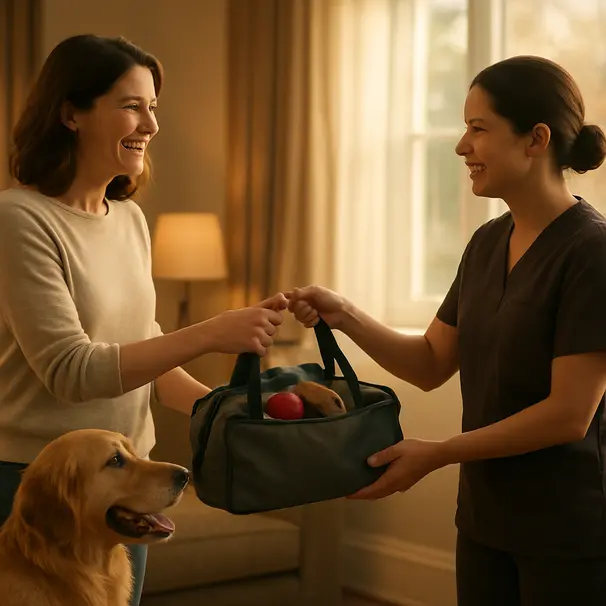
- Arrive a little early, not late. A relaxed arrival lets the carer and pet ease into the handover.
- Keep the goodbye short and upbeat. Lingering can heighten anxiety for some pets.
- Offer a small comfort item at drop-off, like a favourite toy or a mat with your scent.
- Be honest about your pet’s quirks. A quick warning can keep everyone safer and calmer.
For pet carers: preparing to welcome a new guest
Trust builds fast during the first hour. Your preparedness sets the tone for a happy stay.
Pre-visit and communication
- Confirm the booking and review all documents beforehand. Read medication instructions carefully.
- Ask clarifying questions if anything is unclear: favourite treats, fears, or specific commands.
- Share your arrival and drop-off instructions clearly, including parking tips and how the handover will work.
Preparing the space
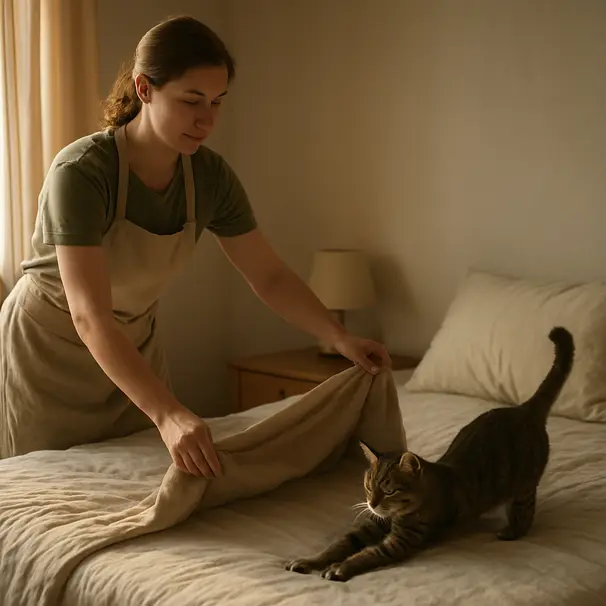
- Have a cosy sleep area ready with fresh bedding. Use a quiet corner, away from heavy foot traffic and loud appliances.
- Set out food and water bowls, labelled if caring for multiple pets.
- Create a small ‘welcome kit’ with a mat or blanket and a few toys to ease the transition.
First interactions and settling in
- Let your new guest approach at their own pace. Offer a low-energy greeting and a soft voice.
- Keep the first hour calm with short walks and gentle play. Avoid overwhelming stimulation.
- Observe body language closely. Watch for signs of stress, like panting, yawning, lip-licking, or tucked tails.
If you spot concerning signs, note them and contact the owner. Clear, compassionate communication helps solve issues early.
Medication, feeding, and medical safety
Medicines are business. Small mistakes can cause big problems, so double-check everything.
- Confirm medication names, doses, and times with both written instructions and a quick verbal review with the owner.
- Keep a medication log during the stay. Note each administration time, dose, and any reactions.
- If a pet refuses medication, have the owner’s preferred plan ready: hiding pills in food, using a pill pocket, or bringing a vet-approved syrup.
- For food-sensitive pets, use the owner’s food only. Abrupt diet changes may cause upset stomachs.
Encourage owners to consult their vet if their pet has recent health issues. As a carer, you can suggest checking with a vet, but avoid offering medical advice yourself.
Enrichment, exercise, and mental health
Pets need more than food and sleep. Enrichment keeps them mentally healthy and tired in the best way.
- Walks: Keep them to the owner’s usual style—long brisk walks or short potty breaks. Follow leash rules and preferred routes if provided.
- Play: Moderate play that matches the pet’s energy level. A tired dog is a happy dog.
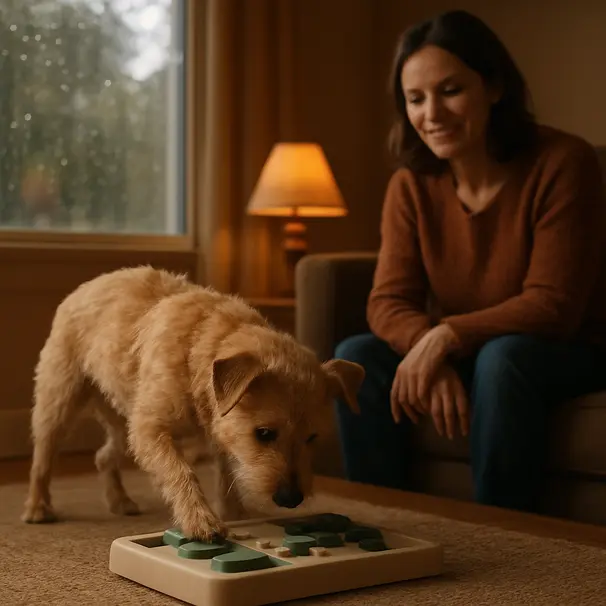
- Mental games: Treat puzzles, hide-and-seek with kibble, and scent trails can calm and entertain.
- Breaks: Quiet time matters. Offer a comfy spot and dim lighting for naps.
Provide a short daily note for the owner. Tell them how much exercise the pet had, any enrichment items used, and a mood snapshot.

Handling introductions and multi-pet homes
Introducing a new pet to resident animals should be slow and supervised.
- Neutral territory walks can help dogs meet without territorial pressure.
- For in-home introductions, use barriers like baby gates or crates at first, allowing sniffing and distant interaction.
- Watch body language. Interrupt tense interactions calmly and separate pets if necessary.
- Keep feeding areas separate to prevent guarding issues.
If a pet has a history of reactivity, ask the owner for past strategies that worked. Consistency helps reduce stress during introductions.
Communication and updates
Good updates make owners breathe easier and help build your reputation as a carer.
- Send a quick welcome message after the first hour, with a photo and a short note on settling in.
- Provide daily updates with a brief summary, photos, and any notable behavior.
- Be honest and proactive. If there’s a minor issue, tell the owner and propose a solution.
Clear, friendly messages go a long way. Think of updates like postcards that show care and competence.
Emergency planning and contingencies
Always have a plan for unexpected events.
- Know the nearest 24-hour vet and its address. Keep contact numbers handy.
- Get written permission from the owner to seek veterinary care if needed. Document any spending limits.
- Keep an emergency kit: bandages, antiseptic wipes, a flashlight, and a list of medications.
- If a pet needs medical attention, call the owner first if practical. If they’re unreachable and the pet is at risk, seek veterinary help immediately.
Calm, fast action paired with clear communication helps pets and owners feel safer.
The day before pick-up and post-boarding handover
- Tidy the pet’s area and gather their belongings. Return everything in a labelled bag.
- Provide a small pick-up report: feeding, exercise, medications given, and any behaviour changes.
- Offer honest feedback. If the pet showed stress or new behaviours, suggest a follow-up with the owner or their vet.
Encourage owners to plan a calm welcome home. Quick reunions full of high energy can spike excitement. A short, happy walk first can help the pet settle back in.
Tips for special circumstances
- Senior pets: Shorten transitions, keep routines predictable, and ensure comfortable bedding. Watch for mobility issues during exercise.
- Puppies and kittens: Keep visits short and frequent at first. Stick to socialization and gentle handling guidance from the owner.
- High-energy breeds: Plan more enrichment and longer walks. A tired pet is less likely to develop problem behaviours.
- Rescue animals: They may need extra time to trust new people. Patience and consistent routines are key.
Always remind owners to disclose any history that might affect care. The more you know, the better you can help.
Final checklist: quick printout for owners and carers
- Health records and emergency contacts
- Written medication schedule and labeled meds
- Owner’s daily routine and behavioural notes
- Food supply for the full stay, labelled
- Favourite bed and toys with calming scents
- Collar, ID tag, leash, and spare collar
- Written permission for emergency vet care
- A small comfort item from home
Keep a copy of this checklist with the pet’s belongings and another copy in the booking message or carrier app.
Parting thoughts
Boarding can be a positive experience if you give it thoughtful preparation. Owners can help by being thorough and clear. Carers can help by being warm, observant, and communicative. Together you create a safe, comfortable stay where pets can relax and enjoy their temporary home away from home.
If you found this checklist helpful, save it for your next trip or share it with a fellow pet lover. Good preparation brings peace of mind, and that makes vacations sweeter for everyone.