

Broken dog nail? Quick care guide
Seeing your dog flinch or limp after a walk can make your heart drop. Broken nails are surprisingly common, and while some are minor, others may need quick attention. This guide is warm, practical, and step-by-step, so you can feel confident helping your dog the moment it happens. Consider these tips as supportive first aid, and consult your vet if anything feels off.
What a broken nail can look and feel like
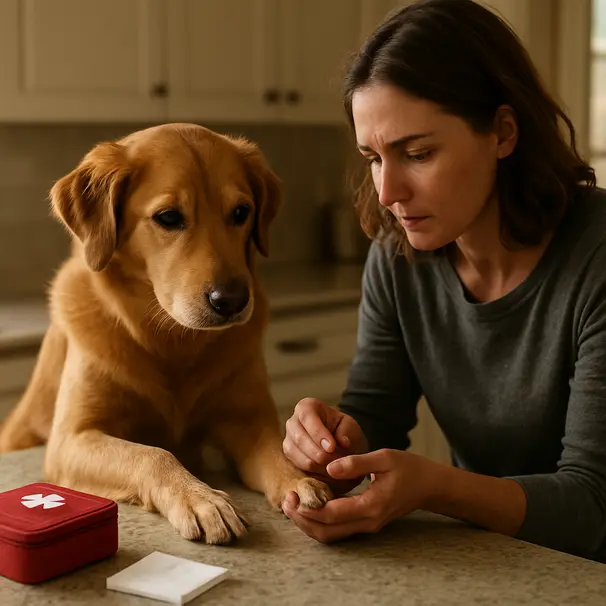
Dogs hide pain well, so watch for subtle signs: sudden limping, refusing to put weight on a paw, licking or chewing a particular toe, or a small drop of blood on the floor. Visually, a broken nail might have:
- A jagged edge or split along the nail
- A rounded nail tip with a missing chunk
- Dark or pale exposed quick in light-colored nails
- Bleeding, swelling, or obvious tenderness around the nail bed
If your dog tucks the paw away or growls when you touch it, move slowly and stay calm. Your energy matters: a steady voice and gentle movements can help a worried dog relax.
First steps at the scene: stay calm and safe
Before anything else, make sure your dog and you are safe. If your dog is in a busy area, move to a quiet spot. If they’re in severe pain or acting disoriented, consider contacting emergency veterinary care.
Practical first steps:
- Gently restrain and comfort your dog, using treats or a calm voice.
- Inspect the paw carefully, without forcing painful positions.
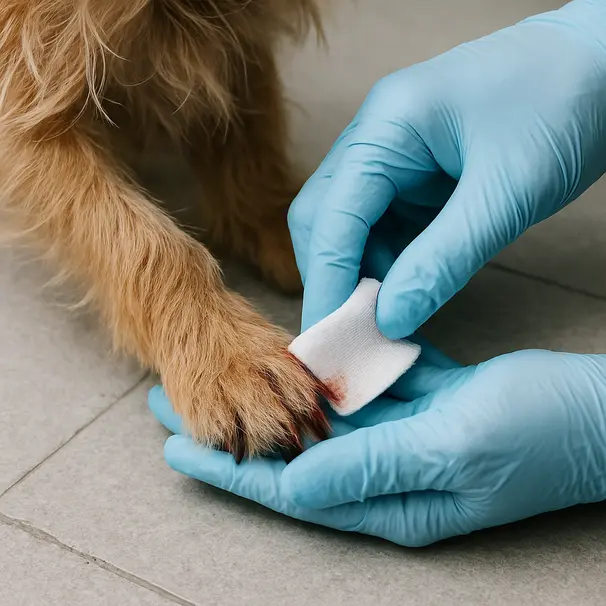
- If the nail is bleeding, apply gentle pressure with clean gauze or a soft cloth for a few minutes.
- Avoid panicking or pulling at a stuck nail; that can cause more damage.
If you’re unsure how your dog will react, consider asking a trusted friend or pet carer to help hold them while you check the paw.
Supplies to keep on hand for nail emergencies
Having a small first-aid kit makes handling a broken nail less stressful. Consider keeping these items in a dedicated pet-care kit:
- Clean gauze pads and cotton balls
- Antiseptic wipes or saline solution
- Styptic powder or cornstarch to help stop minor bleeding
- Small, rounded nail clippers and a file
- Clean towel
- Soft muzzle or calming wrap, only if your dog tolerates it
- Disposable gloves
- Phone number for your regular vet and an emergency clinic
Having these supplies nearby can help you act quickly and calmly.
Gentle step-by-step first aid at home
Note: These steps are for minor breaks where the nail is cracked or slightly split and bleeding is limited. If the nail is hanging by a thread, grossly torn, or bleeding heavily, skip to the “when to seek veterinary care” section.
- Calmly secure your dog. Sit beside them, offer gentle pets, and use treats to reduce tension.
- Clean the area. Rinse the paw with lukewarm water or saline to remove dirt. Pat gently with gauze.
- Stop the bleeding. Apply gentle pressure with gauze for several minutes. If bleeding is minimal and stops, proceed carefully.
- Trim any jagged nail only if it’s safe to do so. Use a small, sharp clipper to remove the loose broken tip, cutting in tiny bits rather than one big snip. If you see dark tissue under the nail that looks like the quick, stop and leave it to a professional.
- Smooth the edge with a nail file to prevent catching on carpets or bedding. File carefully; avoid filing down to the quick.
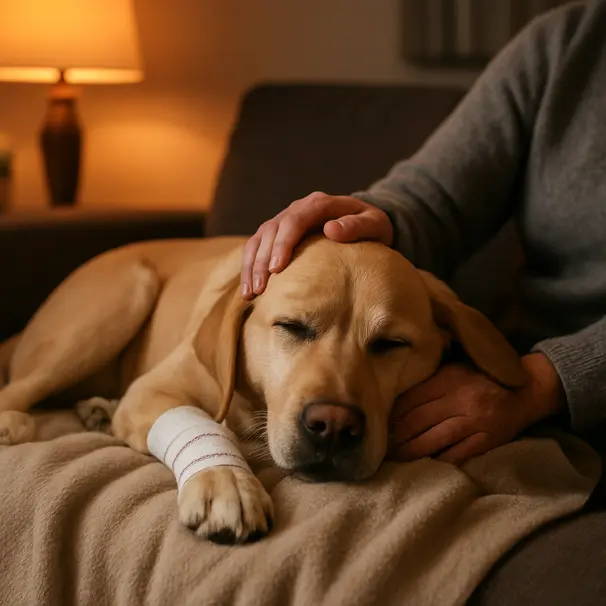
- Apply a pet-safe antiseptic or saline to the area and keep it clean. You may consider a light, breathable bandage for a few hours if your dog will tolerate it.
- Limit activity for 24–48 hours so the nail can begin to settle. Short, leashed walks for bathroom breaks are fine.
Use calm praise and small treats during each step. If your dog grows more anxious, pause and try again later, or seek help from a pet carer or vet.
When to call the vet
Consider contacting a veterinarian if you notice any of the following:
- Continuous heavy bleeding that doesn’t stop after 10–15 minutes of pressure
- A very dirty or torn nail with material trapped inside
- A nail that’s hanging by a sliver and can’t be tidied safely
- Signs of infection after a day or two, such as redness, swelling, pus, or a bad smell
- Your dog is very lame, febrile, or shows general illness
- The broken nail is close to the quick in a way that looks deep or exposes bone
A vet may need to sedate or numb the toe to properly trim and clean the nail, give pain relief, or prescribe antibiotics if infection is likely.
What to expect at the vet visit
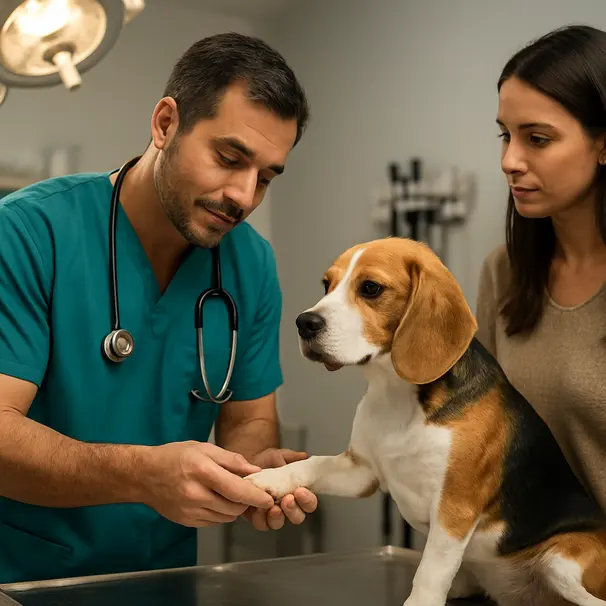
If your vet sees your dog for a broken nail, they may:
- Clip and smooth any damaged nail under local or general sedation if needed
- Clean and flush the nail bed to remove debris
- Apply a protective dressing or bandage
- Prescribe pain relief or antibiotics if the risk of infection is present
- Offer guidance on wound care and activity restriction at home
Getting professional care can help avoid complications. Consider asking your vet for a simple at-home care plan you can follow for the next week.
Preventing infections and promoting healing at home
After initial care, keeping the paw clean and dry helps healing. Practical tips:
- Check the paw twice daily for redness, swelling, or discharge
- Change bandages daily, or sooner if they get wet or dirty
- Use an e-collar or gentle distraction to prevent licking and chewing
- Avoid muddy puddles and rough terrain while the nail heals
- Apply any topical treatments the vet recommends
Healing time varies with the severity of the break and your dog’s overall health. Minor breaks may feel better in a few days, while deeper injuries can take several weeks to fully recover.
How to handle a nervous or wriggly dog
Some dogs get tense when their paws are handled. Try these friendly tricks:
- Desensitization: regular short handling sessions reward calm behavior with treats
- Use a helper: one person gently holds and soothes, the other inspects and treats
- Distract with a lick mat, long-lasting treat, or a food puzzle during short procedures
- Wrap the dog gently in a towel to reduce flailing for small tasks
If pain is severe or your dog is likely to bite, don’t risk injury. Contact a professional pet carer, groomer with medical experience, or your vet for safe handling.
Preventing future broken nails
A little ongoing care can reduce the odds of nail breaks:
- Routine trimming keeps nails at a safe length and reduces catching
- Daily or weekly walking on varied surfaces helps natural wear for some breeds
- Use nail grinders instead of clippers if your dog tolerates them
- Keep nails free of debris and check after rough play or hikes
- Consider protective booties for rocky or icy terrain
Regularly scheduled grooming visits or a trusted pet carer with grooming skills can help keep your dog’s nails healthy if you’re uncomfortable trimming them yourself.
When a pet carer can help
If you’re away, nervous about trimming, or need an extra hand, a trusted pet carer from a platform like Floofy can assist. Carers may help with:
- Gentle restraint and comfort while you inspect or treat the paw
- Routine nail trims and maintenance to prevent future breaks
- Transport to a vet if necessary
- Monitoring healing and reporting changes to you or your vet
Look for carers with clear experience in handling anxious pets and basic first-aid training. A quick video or chat before booking helps you confirm they’re a good fit.
Quick FAQs
Q: Can a broken nail regrow normally? A: In many cases, nails can regrow. Healing depends on how near the quick the break was. Your vet can give a better idea for your dog’s situation.
Q: Is styptic powder safe to use? A: Styptic powder can help stop minor bleeding, but use sparingly and follow product instructions. Cornstarch is a gentle alternative for small bleeds.
Q: How long should I bandage the paw? A: Short-term bandaging for 24–48 hours can protect the nail, but prolonged bandaging may trap moisture and increase infection risk. Change dressings daily and check for issues.
Final thoughts
A broken nail is stressful, but composed, practical care can make a big difference. Start gently, keep supplies nearby, and consider contacting your vet when bleeding is heavy or the injury looks deep. Lean on trusted pet carers if you need help—many owners find that a calm helper makes first aid much easier.
Your dog will appreciate your steady voice, gentle hands, and the little treats along the way. With a bit of attention, most nails heal well and your pup will be back to normal in time.
If you’re unsure at any point, consider calling your veterinarian. They can help you decide if a clinic visit is needed and guide the safest next steps.