

Brushing your dog: a simple how-to guide
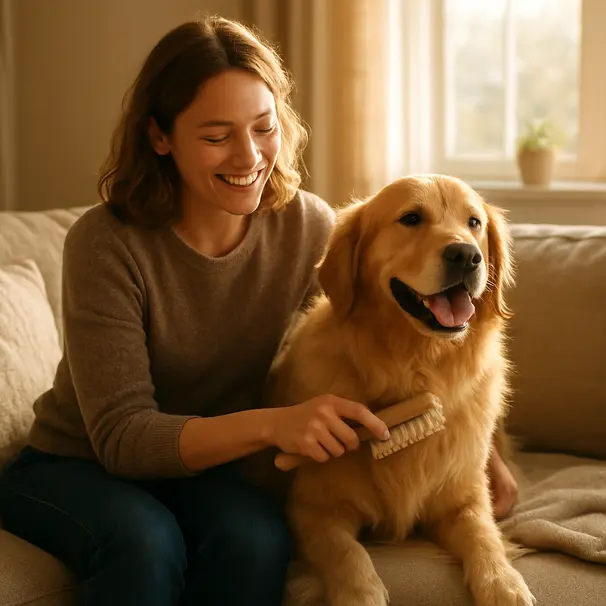
Brushing your dog is one of those quiet rituals that builds trust, keeps fur healthy, and helps you spot little problems early. This guide is written for pet owners and carers who want a comfy, sensible routine. It covers tools, a step-by-step brushing session, calming tips for anxious dogs, how to handle mats, and when to ask a professional for help. Read on and imagine your next grooming session as a relaxed, bonding moment.
Why brushing matters
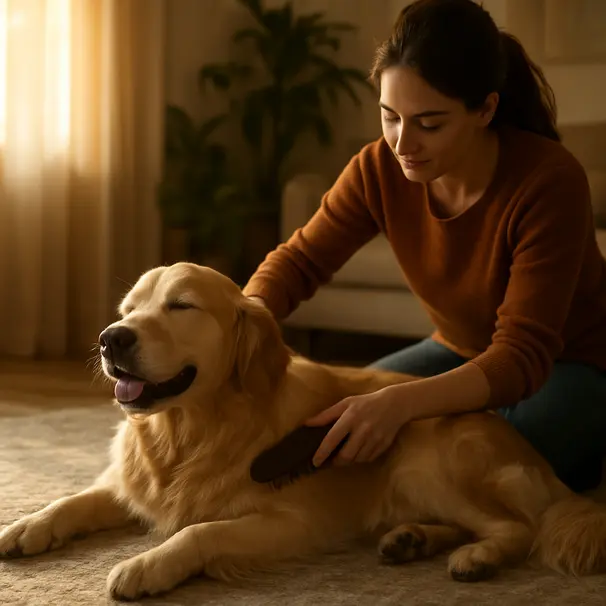
Brushing does more than remove loose hair. Regular grooming can help distribute natural oils, reduce shedding around the house, and prevent uncomfortable tangles. It also gives you a chance to check skin, ears, and nails. A short daily or weekly session builds familiarity, so grooming feels normal rather than scary.
Many dogs enjoy the attention that comes with brushing. The right pace, pressure, and praise can turn a chore into cuddle time. For carers, brushing is a practical chance to assess the dog’s overall condition, spot changes in weight, lumps, or parasites, and strengthen the bond with the animals in your care.
Tools: what to buy and why
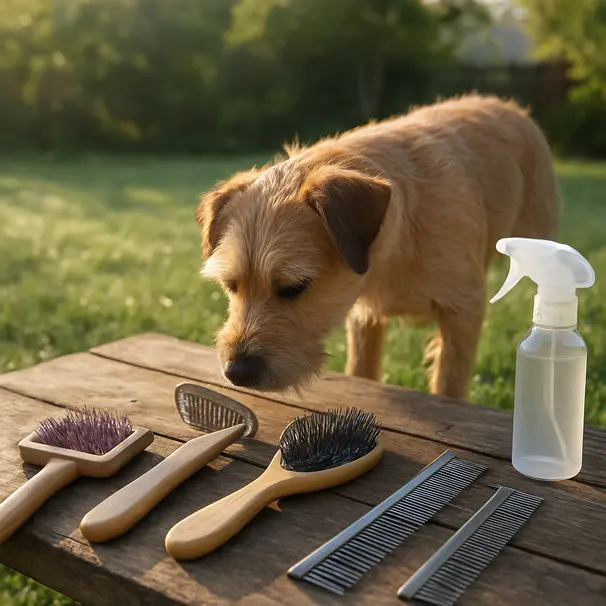
Choose brushes by coat type. Using the wrong tool can be frustrating for you and your dog, and it may make grooming harder.
- Short-haired dogs: Use a rubber curry brush or a bristle brush. These remove loose hair and stimulate the skin without being harsh.
- Double-coated breeds: A slicker brush and an undercoat rake can help remove the loose underfur without damaging the topcoat.
- Long-haired dogs: A pin brush plus a wide-tooth comb usually works best. You may also want a slicker brush for finishing.
- Curly or woolly coats: A slicker brush and a metal comb are useful. Consider a dematting tool for stubborn tangles, used carefully.
- Sensitive or senior dogs: Look for soft-bristle brushes and smaller grooming mitts. Gentle strokes mean less stress.
Other useful items:
- Comb with both wide and narrow teeth for detangling and finishing.
- Dematting tool or small scissors for serious mats, but only if you’re experienced.
- Treats to reward good behaviour.
- A towel or non-slip mat for grooming on a table or the floor.
Not every dog needs every tool. Start with one brush suited to your dog’s coat and add tools as you learn what works best.
A step-by-step brushing routine
This routine takes about 10 to 20 minutes for most dogs. Adjust the time depending on coat length and the dog’s tolerance.
- Prepare the space. Find a quiet spot with natural light if possible. A non-slip surface helps. Have treats ready and the brush within reach.
- Let your dog smell the brush. Hold it calmly and allow the dog to get comfortable. Start with short sessions to build positive associations.
- Begin with gentle strokes. For most dogs, start at the neck and work back toward the tail. Use long strokes along the direction of hair growth. Keep pressure moderate, like a loving massage.
- Be consistent across the body. Brush both sides, under the belly, and around the hind legs. Lift each paw and check between toes briefly.
- Check common trouble spots. Look at behind the ears, under the collar area, under the elbows, and around the tail base. These areas mat easily.
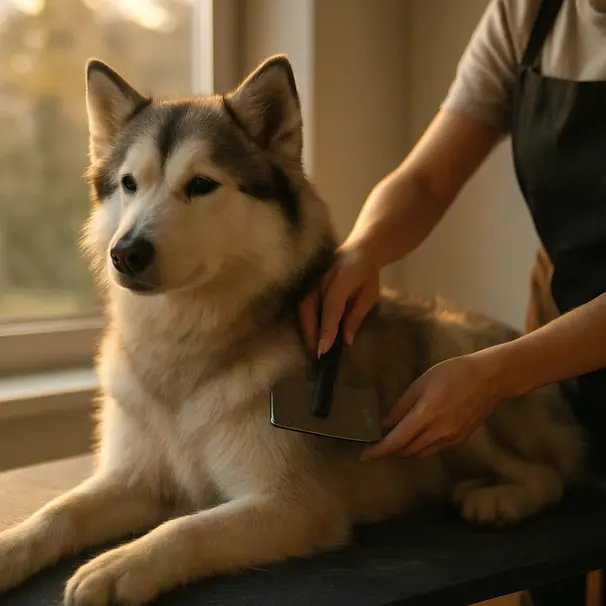
- Switch tools as needed. If you’re using an undercoat rake, go lightly and avoid pulling; if you need to detangle, use the comb after the main brushing.
- End on a positive note. Give a treat, a scratch, or a short play session. Praise helps the dog learn that brushing equals positive attention.
For puppies or dogs new to grooming, keep sessions to a couple of minutes and slowly increase the time. Celebrate small wins.
Calming techniques for nervous dogs
Some dogs feel uneasy about grooming. A calm approach helps them relax faster.
- Start slow. Let your dog explore the brush and the grooming area before you touch them.
- Use treats and timing. Give small, tasty treats during calm behaviour and right after a gentle stroke.
- Keep your voice soft. Reassuring talk helps most dogs settle.
- Break sessions into short bursts. Two or three five-minute sessions throughout the day can be less stressful than one long session.
- Practice handling. Get your dog used to having paws, ears, and tail touched during non-grooming times. Make those touches part of play.
- Try a familiar person. Some dogs relax better with their owner or a trusted carer rather than a stranger.
If fear or aggression continues, consider consulting a professional trainer or behaviourist. A gentle, structured plan may be needed to change the dog’s emotional response.
Dealing with mats and tangles
Mats happen. How you approach them can make a huge difference in comfort and safety.
- Prevent mats by brushing often, especially in prone areas. The more you brush, the less dense the tangles become.
- Start by separating hair gently with your fingers to see how close the mat is to the skin. If you can spread hair apart without pulling, try a detangling spray and a wide-tooth comb.
- Work from the outside in. Use short strokes and be patient. For small mats, start at the edges and gently tease them apart.
- Use the right tools. A slicker brush or a dematting tool can help, but use them cautiously. Too much force can hurt the skin.
- For large or skin-tight mats, consider professional help. A groomer may shave the mat if it’s too close to the skin. This can be safer and less traumatic than struggling at home.
If your dog flinches or shows signs of pain during detangling, stop and give the dog space. Consider asking a groomer or vet for advice. Severe mats can hide sores or infections, and the dog may need medical attention.
Frequency and seasonal tips
How often you brush depends on coat type and activity level. Here’s a quick guide:
- Short coats: Once a week usually works. Increase brushing during shedding season.
- Medium coats: Two to three times a week helps keep tangles away.
- Long or double coats: Daily brushing may be best, especially during seasonal shedding.
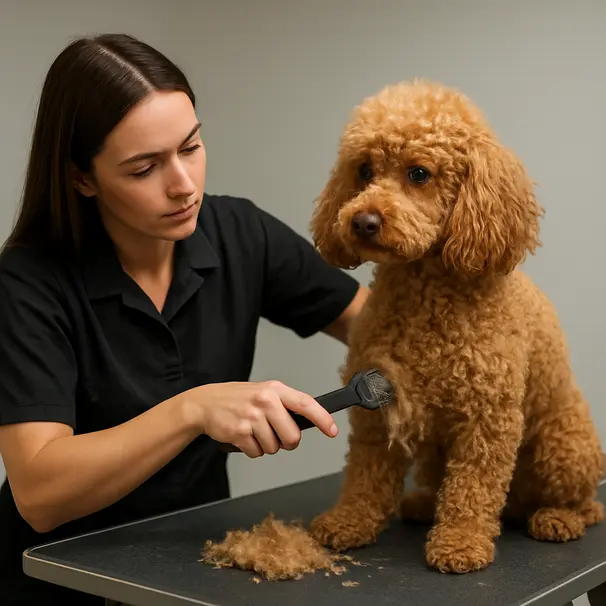
- Curly or woolly coats: Frequent brushing and careful combing prevent tight knots. Professional grooming every 6 to 8 weeks can help.
Seasonal shedding often peaks in spring and fall for many breeds. During those times, more frequent brushing reduces loose fur and helps the dog feel more comfortable. Swimming, walks through wet underbrush, and outdoor play can all increase matting risk, so plan extra grooming when your dog’s routine gets messier.
Common mistakes to avoid
Grooming gets easier when we skip the missteps that make dogs wary or uncomfortable.
- Don’t pull. If you tug on a tangle, you may cause pain and make the dog fearful. Be patient and use gentle techniques.
- Don’t use the wrong brush. A stiff brush on a short, sensitive coat can irritate skin. Match the tool to the coat.
- Don’t rush. Fast, rough brushing can make grooming a negative experience. Slow down, and keep sessions relaxed.
- Don’t ignore skin changes. Redness, bumps, bad smells, or excessive flaking may need attention. Consider talking to your vet.
- Don’t over-bathe. Too much bathing can dry the skin and coat. Brushing helps keep natural oils spread evenly.
When to call a groomer or vet
There are times a professional is the best choice.
- Severe mats that are tight to the skin may be safer for a groomer to handle.
- If your dog shows signs of pain, bleeding, or infection under a mat, contact a vet.
- If grooming causes high anxiety, a groomer experienced with fearful dogs can help. They may use calming techniques or short appointments to build comfort.
- For nail trimming, many owners prefer a groomer or vet if the dog is nervous or if you’re unsure about technique.
Professionals can also provide breed-specific trims, sanitary cuts, or coat thinning for heavy double coats. A good groomer is a partner in keeping your dog healthy and comfortable.
Quick checklist for a happy brushing session
- Gather brush, comb, treats, towel, and a non-slip surface.
- Let the dog inspect the tools first.
- Start with gentle, long strokes along the coat.
- Pause to check ears, paws, and teeth when possible.
- Detangle carefully; stop if the dog shows pain.
- Reward with praise or a treat at the end.
Final thoughts
Brushing doesn’t have to be perfect. It only needs to be consistent, gentle, and kind. A short routine done regularly helps your dog look and feel better, and it gives you a chance to notice small changes sooner. If you’re a carer, establishing a predictable grooming routine can make transitions smoother for dogs you look after. Over time, you’ll learn what tools suit each dog and how long a session should last.
If you notice anything unusual on your dog’s skin, please consider consulting a vet. Small problems that are caught early usually have simpler solutions. Enjoy the quiet moments, the soft fur, and the steady breathing of a content dog. Brushing can be one of the nicest parts of pet care.