


Budget-friendly pet care tips every pet owner and pet carer needs
Welcoming a pet into your life is one of the warmest, most rewarding choices you can make. It can also add up—food, supplies, vet visits, grooming, and the little things that make a pet’s day. The good news is that smart, gentle, and affordable care is absolutely possible. This guide is full of practical ideas for pet owners and pet carers who want to save money, without sacrificing comfort, safety, or joy.

Plan ahead: small routines, big savings
A little planning goes a long way. Set a simple monthly pet budget and track where money goes for a couple of months. Seeing the numbers makes it easier to spot where you can cut back without cutting care.
- List recurring costs: food, treats, preventative products, insurance, grooming, and training classes.
- Build a small emergency fund for unexpected vet visits. Even a modest stash helps avoid stressed decisions.
- Use bulk buys and subscriptions for items you use frequently, but only after comparing prices and checking expiry dates.
For pet carers, make a checklist for each animal you care for: feeding times, portion sizes, medication notes, and emergency contacts. That reduces mistakes and repeated vet calls.
Feed smart, not cheap
Food is the biggest ongoing cost for many pet households. You don’t need top-shelf kibble to keep pets thriving, but you do want good value and proper nutrition.
- Compare cost per meal, not price per bag. A bigger bag may be cheaper per serving, but check storage and shelf life.
- Consider vet-recommended store brands or value lines that meet AAFCO standards for dogs and cats. They often balance nutrition and price.
- Cooked meals can be cost-effective for some pets, particularly with lean proteins and veggies, but do your homework. If you try homemade feeding, consult a vet or pet nutritionist to ensure balanced meals.
- Use treats for training, but switch to lower-cost options: small pieces of cooked chicken, carrot slices for dogs, or commercial training treats cut into tiny bits. Freezing treats into ice cubes with a bit of wet food can stretch them for enrichment.
- Sign up for loyalty programs, coupons, and email deals from pet stores. Many offer first-time discounts or seasonal sales.
DIY enrichment and toys that won’t break the bank
Pets crave mental stimulation. You can provide enrichment with common household items.
- For dogs: make a snuffle mat from fabric scraps or hide kibble in a rolled towel. Use a muffin tin and tennis balls: hide treats in a few cups and cover them with balls.
- For cats: cardboard boxes, paper bags, and crinkly balls are excellent. Use a bottle cap on carpet for a low-cost chase toy.
- Rotate toys weekly to keep novelty fresh and encourage play without buying more.
- Upcycle old clothing into braided tug toys, or stuff a sock with another sock and knot it for a quick ball.
Enrichment reduces destructive behavior, which can save money on replacements and repairs. It also helps pets feel fulfilled even with shorter walks or shifts in routine.
Grooming at home: basics that save time and cash
Regular grooming keeps pets comfortable and can prevent issues that lead to vet bills. You don’t have to be a pro to do a lot at home.
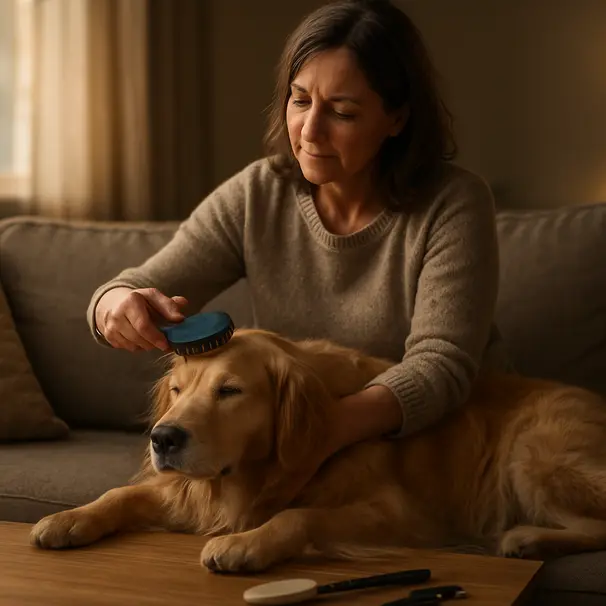
- Brush regularly to cut down shedding and reduce baths. A good brush is a one-time investment that pays off.
- Trim nails yourself with a pair of quality clippers, but practice caution. If you’re unsure, ask a groomer or vet to show you proper technique.
- Clean ears and teeth gently. Ear wipes and routine toothbrushing with pet-safe paste can help reduce the risk of infections and dental disease. Consider dental chews as a supplement, not a replacement for brushing.
- Bathe only when needed. Over-bathing can strip natural oils and lead to skin problems. Use a gentle, budget-friendly shampoo and dilute if recommended by the label.
- Learn a few grooming basics from online tutorials or local classes. Most groomers are happy to give a quick demo for a small fee.
If a full groom is needed, compare local groomers, ask about senior or multi-pet discounts, and book during off-peak times for lower rates.

Low-cost preventive care: choices that protect wallets and pets
Preventive care is a smart place to invest. Small regular expenditures may help avoid larger costs later. That said, be cautious with claims: always consider professional advice.
- Vaccinations and parasite prevention can often be scheduled with a local vet or clinic offering bundle pricing. Community clinics sometimes run discounted vaccination days.
- Regular weight checks and basic monitoring at home help you notice changes early. Weight gain can lead to more costly problems down the line.
- Consider pet insurance for unexpected emergencies, or a dedicated savings account for pet healthcare. Evaluate policies closely and choose one that matches your pet’s age, breed risks, and your tolerance for out-of-pocket costs.
- Look for low-cost spay/neuter programs in your area. These programs often provide high value and long-term cost savings.
Always consult your vet about preventative schedules and products. Use phrases like “consider” and “may help” when trying new treatments, and never skip professional guidance for serious health concerns.
Exercise and socialization on a budget
Exercise keeps pets physically and mentally healthy, and it doesn’t have to cost money.
- Walks are the simplest solution. Vary routes, add short training games, or include sniffing time to make walks more enriching.
- Join community dog meetups or arrange playdates with trusted neighbors. Many areas have free off-leash parks or designated dog hours.
- Use fetch, hide-and-seek, or short training sessions at home to burn energy. Ten minutes of focused play can be more effective than a long, bored walk.
- For carers, offer structured activity plans for pets in your care to keep them engaged and prevent stress-related behaviors.
Smart shopping: secondhand, coupons, and multipurpose gear
There’s no shame in buying used when it comes to pet items.
- Durable items like crates, carriers, and some toys can be found in excellent condition at thrift stores, online marketplaces, or community sales.
- Inspect secondhand gear carefully. Avoid bedding or plush toys that are worn or stained, and sanitize items when possible.
- Buy multipurpose supplies: a sturdy towel can double as a grooming mat, and a collapsible bowl is great for travel and storage.
- Subscribe to price alerts for higher-cost items you only buy occasionally.
Hiring pet carers: share expectations and costs fairly
When you hire a pet carer or sitter, clarity is kind. Both sides should get a fair deal.
- Owners: prepare a clear written brief for carers with feeding instructions, routine, emergency contacts, and house rules. A well-organized brief saves time and confusion.
- Carers: offer package deals for repeat clients, suggest adding small extras like a daily photo update for a fixed fee, and be transparent about travel or holiday surcharges.
- For both: agree on flexible payment options, such as weekly or monthly billing, to smooth cash flow. Discuss cancellations and emergency fees upfront.
- Consider bartering skills within trusted communities: a dog walker who needs plant care might trade services with a plant-savvy owner.
Travel and boarding without the sticker shock
Boarding and sitters add costs when owners travel, but planning helps.
- Book sitters or boarding early, especially during holidays, when prices can spike.
- Consider pet shares: trusted neighbors or friends taking turns can be a low-cost solution but set clear expectations.
- For longer trips, ask about extended-stay discounts at kennels or inquire whether carers will accept a slightly reduced rate for regular bookings.
- If using a pet carer platform, compare rates, read reviews, and look for carers offering bundled services: feeding, walks, and brief updates for one price.
Pet-proofing the home cheaply
A safe home saves money and worry.
- Use cupboard locks or baby gates to keep curious pets away from hazards.
- Store toxic foods, medicines, and household cleaners out of reach. Prevention is far cheaper than an emergency vet visit.
- Make small home fixes yourself: secure cords, pick up small items, and block escape routes. A bit of effort can reduce accidents dramatically.
Seasonal savings and timing
Timing purchases can shave dollars off your bill.
- Buy summer gear off-season. Winter coats, boots, and certain toys are often deeply discounted once trends shift.
- Stock up on flea and tick products when they go on promotion, but check expiry dates. Buying in bulk only saves money when you’ll use everything before it expires.
- Keep an eye on retailer sales around major holidays for supplies and non-perishable items.

Final checklist: easy moves to save money this month
- Make a basic pet budget and track it for 30 days.
- Compare cost-per-serving on food choices and switch only after trial.
- Pick two DIY enrichment ideas to rotate weekly.
- Learn one grooming skill: nail trimming or ear cleaning.
- Look for one community clinic or discount program that could lower preventive care costs.
- Talk openly with your pet carer about package pricing or bundled services.
Caring for pets is about love, attention, and smart choices. Small, consistent habits add up, and many low-cost strategies actually improve pets’ lives. If you ever wonder whether to try a new health routine, consider discussing it with your vet. For day-to-day joy, creativity and a bit of planning will keep both owners and carers feeling confident and kind to their furry friends.
Thanks for reading, and here’s to many happy, healthy, and wallet-friendly days with your pets.