

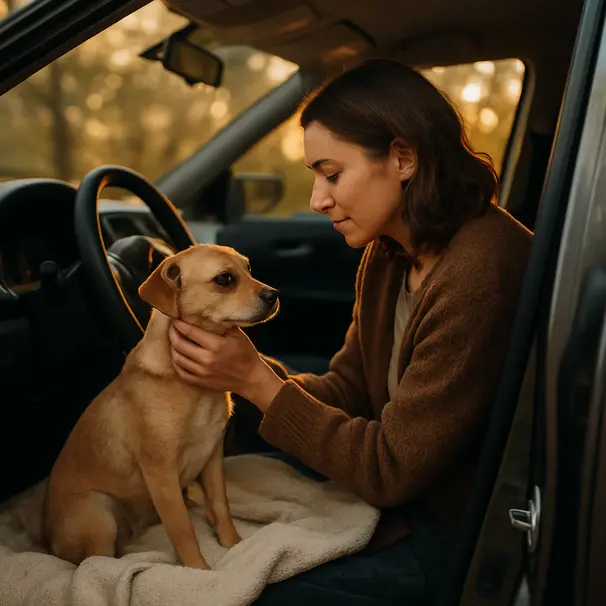
Calming pet travel anxiety: practical tips for owners and pet carers
Travel is a special kind of chaos. For many pets, the unfamiliar smells, sounds and routines can spark worry. For owners and carers, seeing a worried pet tugs at the heart. The good news is that anxiety on the move can be eased with preparation, empathy and a few practical tricks.
This guide is for busy pet owners, friendly pet carers and anyone helping animals get from A to B without turning the trip into an ordeal. You’ll find easy-to-follow steps, a simple checklist and notes you can share with a sitter or carer.
Understand what travel anxiety looks like
Pets show stress in different ways. Some signs are obvious, others subtle. Watch for:
- Pacing, whining, barking or meowing
- Panting, drooling or trembling
- Trying to hide, clinginess, or freezing in place
- Vomiting, diarrhea, loss of appetite or refusing treats
- Excessive grooming or destructive behavior
Recognising the signs early helps you respond calmly. If a pet’s reaction seems extreme or sudden, consider checking with a vet. Medical issues can sometimes look like anxiety.
Prepare before you go
Good preparation builds confidence. Start weeks before long trips and days before short outings.
Health check and paperwork
- Consider a quick vet visit to confirm vaccinations, discuss motion sickness and update health certificates if needed.
- Pack any medications, a copy of medical records, and contact details for the pet’s vet and an emergency clinic along your route.
Familiarise and desensitise
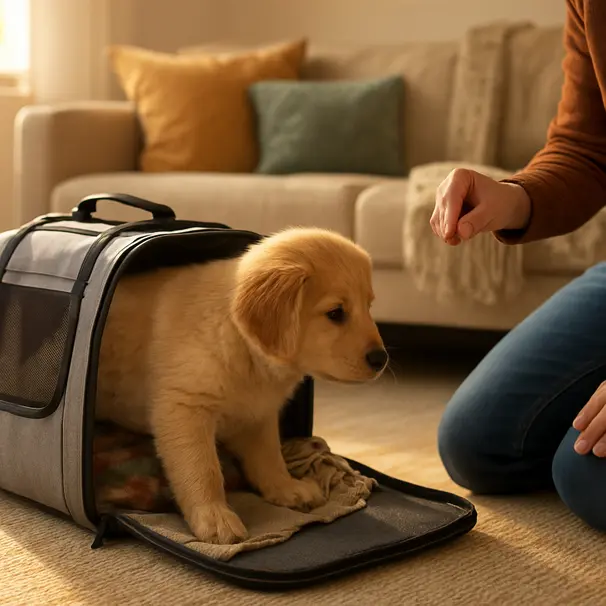
- Let your pet explore the carrier or crate at home. Place treats, toys and a familiar blanket inside so it becomes a safe space.
- Practice short rides gradually. Start with five-minute trips and slowly increase length, rewarding calm behavior.
- Use positive reinforcement. Praise, gentle petting and small treats can create a pleasant association with travel.
Choose the right gear
- A secure carrier or well-fitted harness keeps pets safer and generally more relaxed. Try the gear at home first.
- Add comfort: a favorite towel, an item with your scent, or a soft bed. Familiar textures can be reassuring.
- Consider non-slip liners for car crates and a travel bowl that reduces spillage.
Plan the route and breaks
- Map out regular potty and stretch stops for dogs. Short, frequent breaks help reset nerves.
- For longer journeys, identify pet-friendly rest areas, parks or quiet spots where pets can move around.
Travel day: calm routines and small comforts
The travel day itself should feel steady and predictable.
Keep your energy steady
Animals pick up your mood. Speak softly, move slowly and avoid tense body language. Calm owners help create calm pets.
Feeding and hydration
- Avoid feeding a large meal right before travel. A light snack a few hours ahead may reduce nausea.
- Provide water regularly, especially on warm days. Collapsible bowls are handy and spill-resistant.
Crates and carriers
- Car crates should be secure and well-ventilated. If a pet is used to a carrier at home, they will often settle sooner.
- For dogs who ride loose in the car, a crash-tested dog harness or a secured crate can save lives and reduce motion stress.
Use soothing aids thoughtfully
- Pheromone sprays and calming collars may help some pets. They can create a sense of familiarity in a new environment. Consider trying them in advance.
- Supplements and prescription medications can help, but always discuss these options with a vet first.
On the road: quick strategies to reduce stress
Small actions during travel can make a big difference.
- Keep the temperature comfortable and the cabin ventilated.
- Play low-volume, calming music or white noise if your pet is soothed by sound.
- For dogs, brief leash walks at rest stops help discharge nervous energy.
- For cats, avoid letting them roam; a short, supervised break in a secure carrier is safer.
If a pet panics, avoid scolding. Speak quietly, offer slow pats, and move away from the source of stress if possible. Calming a terrified animal takes patience; rushing can increase fear.
Special tips for air travel and public transport
Airports and trains are high-stress places. Extra planning helps.
- Check airline or transport rules early and book a direct route when possible.
- Familiarise your pet with the carrier and practice being inside it with the door open.
- Arrive early to avoid rushed security checks.
- Consider a soft-sided carrier for under-seat travel, or a sturdy crate for cargo flights. Each has pros and cons.
If a pet must travel as cargo, talk with the airline about temperature controls, handling procedures and the shortest routing.
For pet carers: handover, communication and trust
Pet carers play a crucial role in smoothing travel.
Clear handover notes
Provide these to carers:
- Feeding schedule, portion sizes and favourite treats
- Medication details and how to administer them
- Comfort items and scented cloths
- Tricks or cues that calm the pet, such as a phrase or a routine
- Emergency contacts and vet records
Build rapport before travel
If possible, arrange a meet-and-greet so the carer and pet can connect in a calm setting. A short walk or cuddle session can reduce separation anxiety later.
Real-time updates
Ask carers for quick messages or photos during transit. Seeing a relaxed picture can ease owners’ nerves, and carers can quickly spot if something seems off.
Handling multi-pet travel and dog-to-dog introductions
Travel with more than one pet adds logistics and stress.
- Separate carriers are safest for cats and small pets.
- For multiple dogs, consider whether they travel better together or separately. Some pairs soothe each other. Others compete for space and attention.
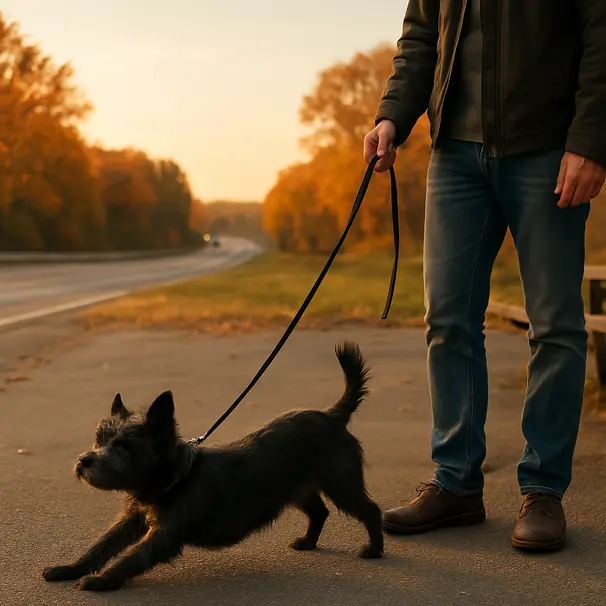
- Keep leashes on during stops to prevent sudden meet-ups with unknown dogs.
When meeting other dogs or letting a pet interact with a new person, use calm energy and slow introductions. Let the pet approach on its own terms.
Enrichment and distraction tools
Boredom can magnify anxiety. Bring familiar enrichment and toys.
- Puzzle toys and long-lasting chews can occupy an anxious mouth.
- A favourite stuffed toy or blanket gives a comforting scent.
- Training games during stops, like short scent searches, can redirect nervous energy.
After travel: helping pets decompress
Arrival routines matter. Give your pet time to adjust to the new place.
- Set up a familiar sleeping spot with toys and a blanket.
- Keep routines consistent: feeding times, walks and play. Predictability helps pets settle.
- Offer extra attention, but also respect their need for quiet. Some animals will want to hide for a while.
If a pet shows prolonged changes in behavior, appetite or bathroom habits after travel, suggest a vet check-in. These could be signs of a medical or stress-related issue that may need professional input.

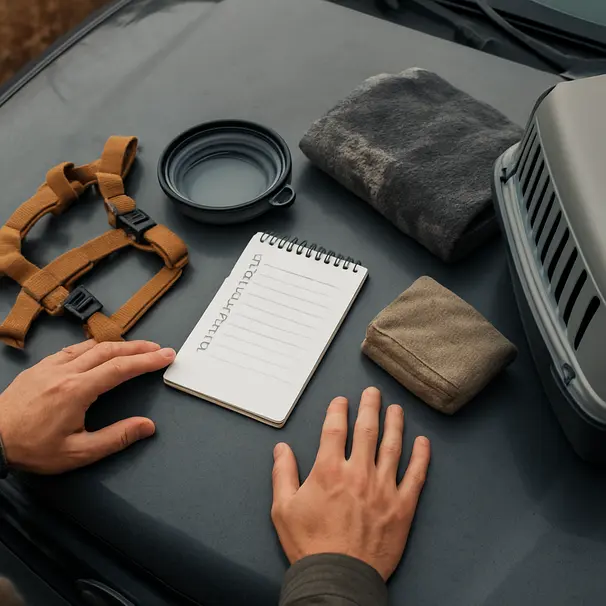
Simple travel checklist
- Health paperwork and medication list
- Comfortable carrier or harness
- Favourite blanket and toy
- Collapsible water and food bowls
- Waste bags and portable litter tray if needed
- Contact info for vets along your route
- Calming aids tried in advance
Keep a copy of this checklist on your phone and a paper copy in your travel bag for carers.
Final thoughts: patience, practice and partnership
Travelling with pets takes time and a kind attitude. Progress is often gradual. Celebrate small wins, like a calm five-minute ride or a quiet rest stop. Owners and pet carers who communicate clearly and plan together give pets the best chance to travel with confidence.
If you’re unsure about a behavior or considering medication, consult your vet. Small adjustments, a familiar blanket and a gentle voice can work wonders. With practice and patience, travel becomes less about surviving and more about sharing new places with a treasured companion.
Helpful resources and printable handover templates are available through Floofy to make travel days smoother for both owners and carers.