

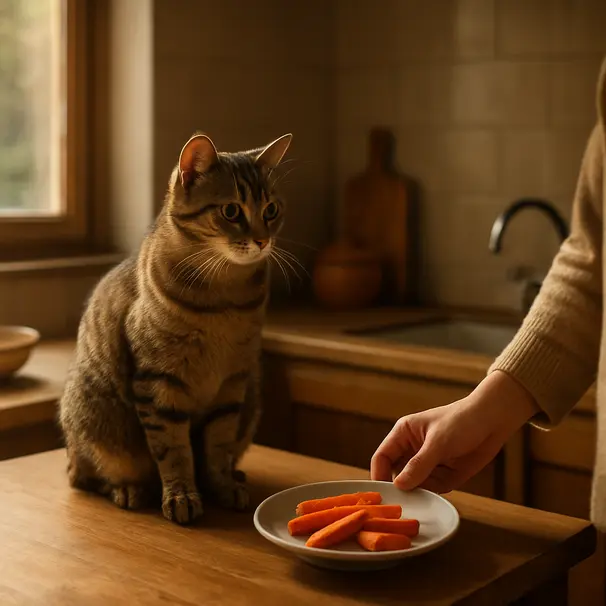
Can cats eat carrots? A friendly, practical answer
If you’ve ever spotted your cat eyeing a crunchy carrot on the countertop, you’re not alone. Cats are famously finicky, but some will nibble on human foods out of curiosity or because they like the texture. In short: yes, cats can eat carrots in small amounts, but there are a few important things to consider before sharing your snack.
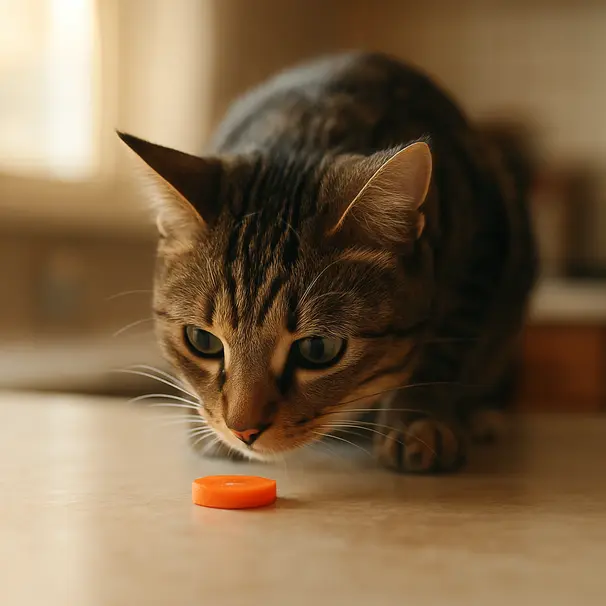
Quick answer: yes, with caution
Carrots are non-toxic to cats and can be offered as an occasional treat. They contain vitamins and fiber that can be useful, but they aren’t a necessary part of a carnivore’s diet. Think of carrots like a crunchy, low-calorie treat rather than a regular food. Always introduce any new item slowly, watch for digestive upset, and consider talking to your vet if your cat has health issues or special dietary needs.
Why carrots? What’s inside a carrot
Carrots bring a few nutritional benefits that may interest pet owners. They contain beta-carotene, which the body can convert into vitamin A, plus some vitamin K, potassium, and fiber. For humans, these are great nutrients, but cats are obligate carnivores. They get most of their essential vitamins and amino acids from meat.
- Beta-carotene and vitamin A: Cats need vitamin A, but unlike humans they require it from animal sources. Plant-based beta-carotene may not fully supply a cat’s needs, so carrots should not replace meat in the diet.
- Fiber: Small amounts of fiber can help digestion, especially in cats that sometimes suffer from hairballs or mild constipation.
- Texture and enrichment: For some cats, the crunch of a carrot can be a source of sensory enrichment. Chewing can be satisfying and diverting, particularly for indoor cats.
Carrots are not poison to cats, but they are not nutritionally essential either. Use them as a treat and not a staple.
Raw versus cooked carrots: which is better?
There are pros and cons to both raw and cooked carrots.
Raw carrots
- Pros: Crisp texture, low in calories, and a satisfying crunch for cats that like chewing. The crunch may help reduce boredom and provide mild dental abrasion.
- Cons: Hard raw carrots can be a choking hazard, especially for small kittens or cats that gulp food. Raw veggies may be tougher to digest.
Cooked carrots
- Pros: Softer and easier to chew and digest. Boiled or steamed carrots may release more of their nutrients, making them gentler on the stomach. No added salt or seasonings should be used.
- Cons: Overcooking can make them mushy and less appealing to some cats. Avoid any added butter, oil, salt, onion, garlic, or seasonings, as those can be harmful.
When in doubt, steam or boil until tender, then cool and offer a small piece.
How to prepare carrots safely for your cat
Safety and easy digestion are the priorities. Here are practical steps to prepare carrots so your cat can enjoy them without risk.
- Wash thoroughly
- Remove dirt and pesticides by rinsing carrots under running water.
- Peel if your cat is sensitive
- Peeling removes some surface residue and makes the carrot smoother. It’s optional but helpful for picky eaters.
- Cook gently for most cats
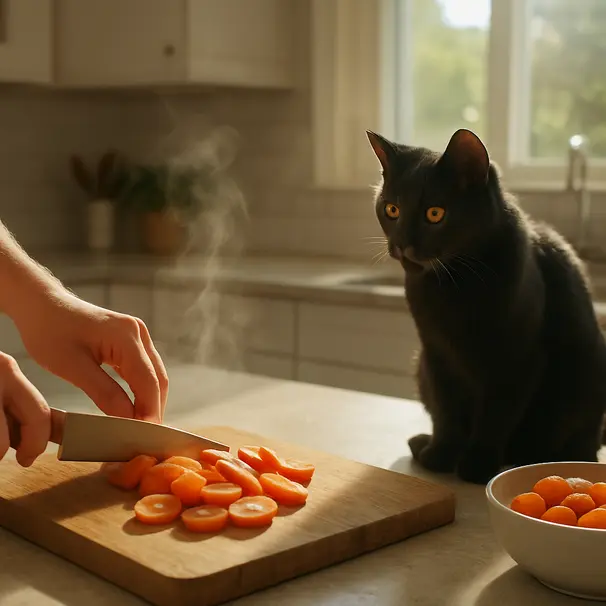
- Steam or boil until the carrot is tender. This softens the vegetable and reduces choking risks. Avoid frying, glazing, or adding seasonings.
- Cut into small, manageable pieces
- For adult cats, thin slices or small cubes are best. For kittens, mash or puree a tiny amount. Never give large chunks that could lodge in the throat.
- Serve plain and cool
- Let cooked carrots reach room temperature or chill them briefly. A warm or room-temperature carrot is usually more appealing than a steaming piece.
- Test a tiny amount first
- Offer a pea-sized portion and watch for 24 hours. If there’s vomiting, diarrhea, or odd behavior, stop and consult your vet.
How much carrot is too much? Portion size and frequency
Carrots should only be an occasional treat, making up a very small fraction of daily calories. A few tiny pieces a couple of times a week is a reasonable guideline for most adult cats.
- Adult cats: One or two small slices, or a teaspoon of mashed cooked carrot, occasionally.
- Kittens: Avoid giving vegetables regularly. If you try, offer only a tiny mashed amount and watch closely.
- Cats with health issues: If your cat has pancreatitis, diabetes, kidney disease, or dental problems, check with your vet before offering carrots. These conditions may require dietary restrictions.
Remember: treats, including carrots, should not exceed 10% of the daily caloric intake. Your cat’s regular food should remain the primary nutrition source.
Signs to watch after feeding carrots
It’s normal to be cautious when introducing new foods. Keep an eye out for mild or serious reactions.
- Mild and temporary: Soft stool or a little gas as the digestive system adjusts.
- Concerning signs: Persistent vomiting, diarrhea lasting more than a day, lethargy, loss of appetite, or any unusual behavior. If you notice these signs stop feeding carrots and contact your vet.
Also watch for choking in the moments after offering a new texture. If your cat starts coughing, gagging, or pawing at its mouth, remove access to the food and seek veterinary help if breathing seems impaired.
Can carrots help with dental health or hairballs?
Carrot crunch can sometimes act as mild mechanical abrasion on the teeth, similar to dental treats, but it is not a substitute for dental care. Brushing, dental chews approved for cats, and regular vet checks are far more effective.
Some owners report that small amounts of fibrous vegetables can help move hairballs along the digestive tract. However, commercial hairball remedies and high-fiber cat diets formulated by veterinarians are more reliable. Consider carrots as a possible supplement, not a solution.
Alternatives to carrots that cats may enjoy
If your cat doesn’t care for carrots, there are other safe, occasional options to try. Always introduce new foods slowly.
- Cooked pumpkin: Plain canned pumpkin (not pie filling) can help digestion and is often well tolerated.
- Cooked sweet potato: Small amounts, plain and soft, can be a sweet treat.
- Peas: Some cats like shelled peas, cooked and mashed.
- Meat-based treats: Small pieces of cooked chicken, turkey, or fish are usually the safest and most appealing treats for cats.
Avoid onions, garlic, chives, raw potato, grapes, raisins, chocolate, and anything with xylitol. These can be toxic to cats.
Tips for pet carers and sitting pros
If you’re a pet carer on Floofy, you may get asked about offering carrots or other human foods.
- Ask the owner: Always check with the owner before offering any human food, even vegetables.
- Start small: Offer a tiny piece and wait while the cat eats it. Keep the first experience calm and supervised.
- Know the signs: Be ready to report any digestive upset to the owner and recommend contacting a vet if symptoms persist.
- Consider preferences: Some cats love crunch, others turn up their noses. Offer, don’t push.
These steps help carers keep cats safe and ensure owners feel confident about what their pets are eating.
Common questions from pet owners
Can kittens eat carrots?
Kittens have different nutritional needs. Tiny, occasional tastes of soft, mashed carrot are unlikely to hurt, but they don’t need vegetables. Prioritize kitten food formulated for growth, and consult a vet before making carrots a regular offering.
Can carrots cause allergies in cats?
Food allergies in cats are typically triggered by proteins, not vegetables. Still, rare sensitivities can occur. If your cat develops itchy skin, chronic ear problems, or digestive upset after trying carrots, stop feeding them and consult your vet.
Are baby carrots safer than regular carrots?
Baby carrots are just smaller, cut pieces. They’re convenient, but the same rules apply: they should be plain, small, and cooked or softened for easier chewing. Watch for choking.
Final thoughts and practical takeaway
Carrots can be a harmless, occasionally enjoyable treat for many cats. They offer a crunchy texture and some vitamins, but they’re not a substitute for a meat-based diet. Offer carrots in tiny, well-prepared portions, watch your cat’s reaction, and keep treats to a small percentage of total calories.
If you ever have concerns about food, digestion, allergies, or a cat’s unusual reaction after trying a new snack, it’s sensible to consult your veterinarian. For pet carers, always check with the owner first and report any unexpected symptoms.
A crunchy carrot can be a tiny moment of shared joy between you and your feline friend. Keep it small, keep it safe, and enjoy those gentle, curious sniffs and tentative nibbles. Happy snacking, and happy caring!