

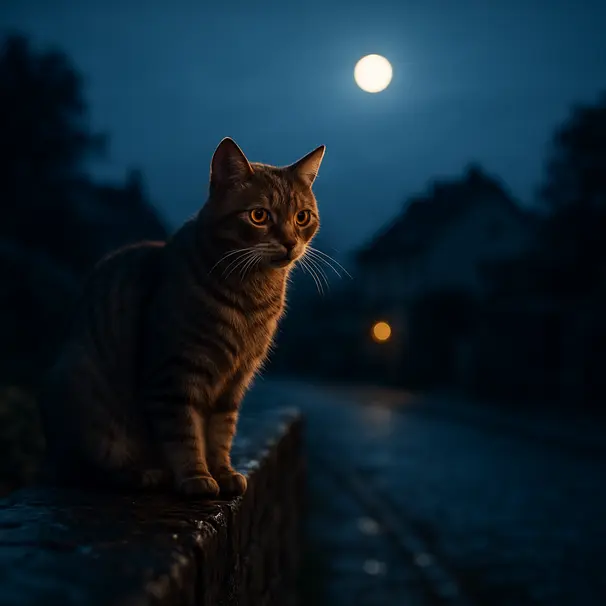
Can cats see in the dark? Truth revealed
If you’ve ever watched your cat glide around the living room at night, slipping between chair legs like a shadow, it’s easy to assume they can see in total darkness. The truth is a little more interesting. Cats are brilliant at navigating low light, but they can’t see where there is absolutely no light. This post walks through what cat eyes can and can’t do, why cats are so active at night, and practical ways pet owners and carers can keep them safe once the sun goes down.
The myth: total darkness vs low light
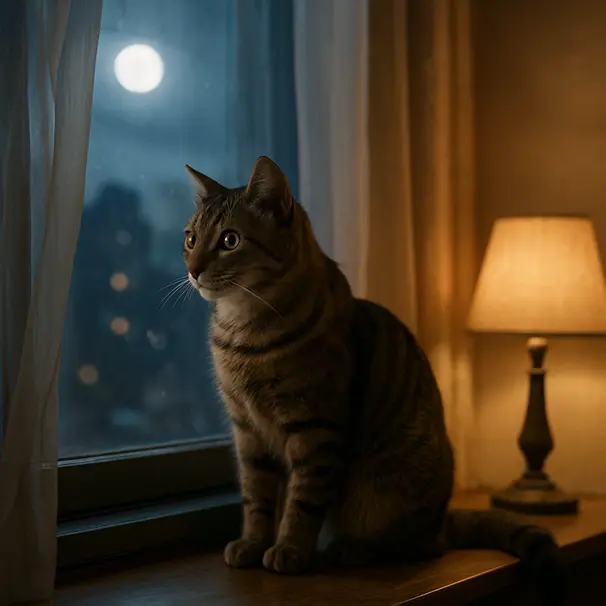
Let’s clear up the common confusion right away. No mammal can see in absolute darkness. Vision depends on light reaching the eye, and if there is zero light at all, there is nothing for the eye to detect. Cats, however, have evolved features that make them extremely good at seeing in dim conditions, such as just after dusk or in a moonlit yard.
People sometimes say cats have “night vision” like superheroes. It’s more accurate to say they have superior low-light vision. That difference explains why your cat can find a toy after you turn off the lights, but not see into a completely sealed, pitch-black box.
How cat eyes work: a simple tour
Cat eyes are a great example of evolutionary engineering for hunting in low light. A few key features help them out.
Tapetum lucidum: the light amplifier
Behind the retina, many cats have a reflective layer called the tapetum lucidum. It reflects light that passes through the retina back into the light-sensitive cells. That second chance for the light increases sensitivity. It also causes the eerie glow you see when light hits your cat’s eyes at night.
Rods, cones, and low-light sensitivity
Retinas contain two main types of photoreceptor cells: rods and cones. Rods are excellent at detecting light and motion, while cones detect color and fine detail. Cats have a higher proportion of rods than humans, which means they can detect lower levels of light and pick up subtle movements. Their cone count is lower, so color vision and sharpness are not as strong.
Pupil shape and light control
A cat’s vertical slit pupil can open very wide to let in lots of light, or very narrow to protect the retina in bright daylight. This rapid range of adjustment helps them see in a variety of lighting conditions without being dazzled.
What a cat actually sees at night
When the light level drops, cats lose some ability to see fine detail and to distinguish colors. Instead, motion detection and contrast remain strong. That’s why a rustle or a tiny movement across a moonlit yard attracts their attention more than a stationary object would.
Colors become muted at night. Cats may see blues and greens better than reds, but overall hues shift toward grayish tones as illumination decreases. Their brain makes good use of shape, contrast, and movement to build a useful nighttime picture.
Why cats act more alive after dark
Many cats are most active during dawn and dusk. This crepuscular rhythm comes from ancestral hunting patterns. Small rodents are often active during those times, so cat ancestors tuned their activity to those windows.
Other reasons cats may be lively at night include:
- Natural bursts of energy after a daytime nap.
- Boredom if daytime enrichment was lacking.
- Hunger, especially if feeding schedules don’t match their natural hunting cycle.
If your indoor cat zooms around after lights-out, it could be instinct, boredom, or simply pent-up energy. Short play sessions in the evening can help match their energy to your schedule.

Nighttime behaviors explained
Understanding common behaviors helps you know what to expect.
- Vertical stalking and pouncing: movement detection is excellent in low light, so small, quick motions trigger hunting behavior.
- Quiet exploration: cats may patrol territory, checking windows and doors.
- Vocalizations: some cats call at night, either from loneliness or to communicate with other animals.
Seeing your cat move confidently at night isn’t proof of perfect sight. They rely on whiskers, hearing, and scent as much as vision. Those other senses fill in gaps and help them avoid obstacles.
Practical tips for pet owners and carers: keeping cats safe after dark
Whether you’re a pet owner, a sitter, or a professional carer, practical steps can help your cat enjoy safe evenings.
For indoor cats
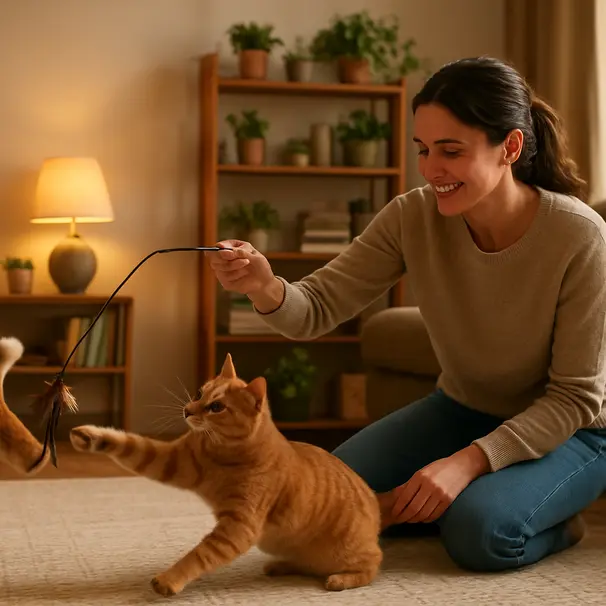
- Provide evening playtime. Short, engaging play sessions mimic hunting and can tire them out. Use wand toys that encourage stalking and pouncing.
- Offer a final meal before your bedtime. A filled belly often leads to a long sleep, reducing late-night activity.
- Create safe perches. Elevated beds or window perches let them survey the house without getting into risky places.
- Night lights in hallways or stairways can reduce the chance of accidental falls, without washing out the low-light environment cats enjoy.
For outdoor or indoor-outdoor cats
- Reflective collars and ID tags. These help drivers and people spot a cat in low light. Breakaway collars reduce risk if the collar snags on something.
- Microchipping. If a curious nighttime wanderer gets lost, a microchip increases the odds of a safe return.
- Regular check-ins. If you or a carer can bring outdoor cats in at dusk, they’re safer from traffic, predators, and cold.
- Safe outdoor hours. Consider letting your cat out during dawn and dusk rather than the deepest night. That aligns with their natural rhythm but reduces exposure to nocturnal dangers.
Home hazard checks
Do a walk-through in low light to identify trip hazards. Secure loose cords, close balcony gaps, and make sure plants are non-toxic. Cats can bump into narrow furniture or slip in unfamiliar spaces, so minimizing risk is practical and loving.
Enrichment that helps nighttime calm
A tired cat is a calm cat. Try these ideas:
- Puzzle feeders at night to mimic hunting and slow feeding.
- A pre-bedtime play ritual. Fifteen minutes of active play followed by a small meal can make evening behavior predictable.
- Multiple small naps. Encourage daytime play and mental enrichment so they’re less wired at night.
These things can help reduce late-night vocalizing and roaming, which is especially helpful if a carer is looking after the cat for a few nights.
When vision problems may be a concern
Cats are good at hiding illness, including vision loss. If you notice any of these changes, consider consulting a vet:
- Bumping into furniture that they used to navigate easily.
- Hesitation on stairs or perches.
- Sudden cloudy appearance in the eye or one pupil that’s a different size.
- Nighttime disorientation, increased anxiety, or unusual clinginess.
A vet can examine the eyes, test vision, and suggest management strategies. Early attention can help keep your cat comfortable and safe.
Tips for pet carers looking after cats at night
If you’re caring for someone else’s cat, a few thoughtful practices go a long way:
- Ask about the cat’s usual schedule and bedtime routine.
- Keep feeding times consistent with the owner’s plan.
- Check whether the cat uses a night light, soft music, or a favorite toy to settle.
- Let the cat approach you. At night they may be more cautious.
- Report any odd behaviors back to the owner, especially changes in nighttime activity or navigation.
Respecting the cat’s habits helps avoid stress and keeps the owner reassured.
Quick safety checklist for evenings
- Collar with ID and microchip up-to-date.
- Evening play session and a final meal.
- Night lights in key areas if the home layout is tricky.
- Secure outdoor access or bring the cat inside at dusk.
- Remove or secure hazards like dangling cords or narrow spaces.
Final thoughts
Cats don’t have supernatural night vision, but they do have a remarkable combination of anatomy and senses that makes them masters of low light. They blend good visual sensitivity with excellent hearing and whisker-guided navigation. As a pet owner or carer, you can make the evenings safer and more satisfying by matching the cat’s natural rhythm, offering enrichment, and taking a few practical precautions.
If you ever worry about a change in your cat’s vision or behavior, consider reaching out to a veterinarian for advice. Small adjustments often make a big difference, and a calm, well-stimulated cat is a happy cat — day or night.
Thanks for reading. If you care for cats professionally, or you’re booking a sitter on Floofy, sharing these nighttime tips with carers can help ensure every cat gets a safe, restful night.